When you are getting ready to excavate or build something below ground, you might ask if a diaphragm wall and a retaining wall are two different things. The terms are connected, but they do not mean the same thing. In this article, you will learn the differences between them and when a diaphragm wall may be the right choice.
What Is a Retaining Wall?
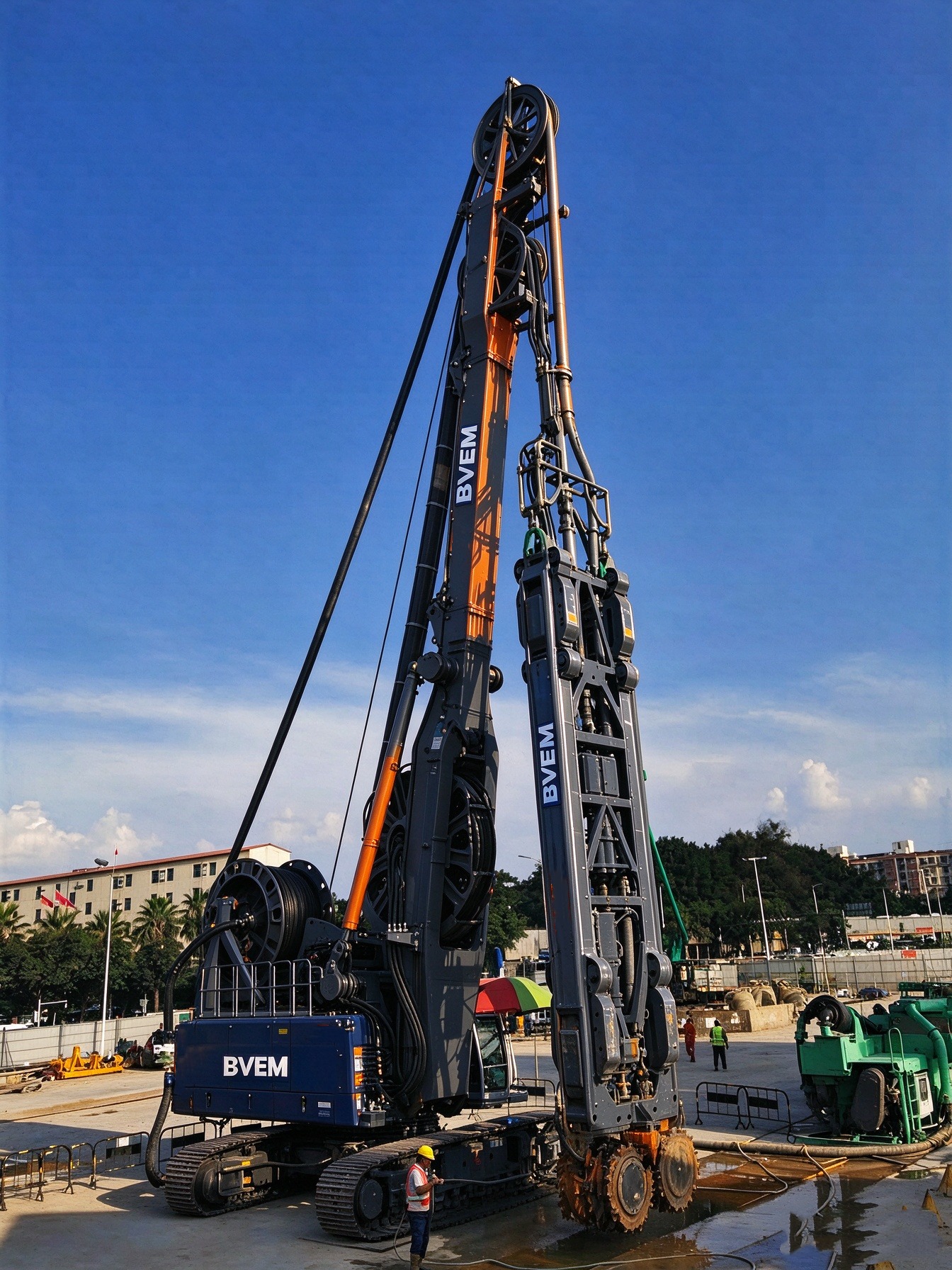
A retaining wall is a structure that holds back soil when there is a change in ground level. It works by resisting the pressure from the soil it keeps in place. This helps keep the ground or an excavation area stable. You can find retaining walls along roads, on hillsides, near construction sites, around basements, and anywhere where soil needs to be kept at different levels.
What Is a Diaphragm Wall?
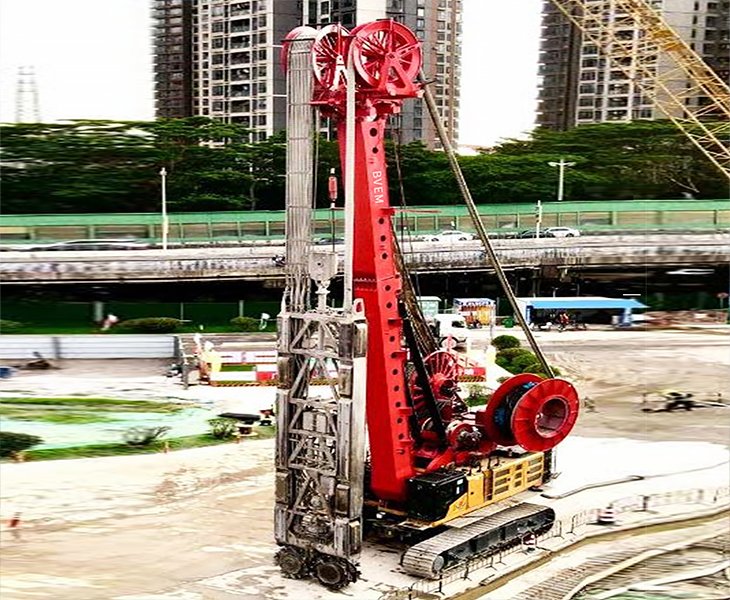
A diaphragm wall is a reinforced concrete wall built underground to hold back soil and support deep excavations. It is made up of panels that form a continuous barrier around or along the excavation site. As the excavation takes place, a support fluid such as bentonite slurry is used to keep the trench from collapsing and help maintain stability.
Diaphragm walls are often used in projects like basements, metro stations, underground parking lots, and other underground structures. They are especially useful when groundwater is high or when nearby buildings could be affected by excavation. Depending on the design, a diaphragm wall can act as temporary support during construction or stay in place as a permanent part of the structure.
Depending on the type of soil and what the project requires, the excavation can be carried out using a diaphragm wall grab or a trench cutter.
What Is the Difference Between a Diaphragm Wall and Other Retaining Walls?
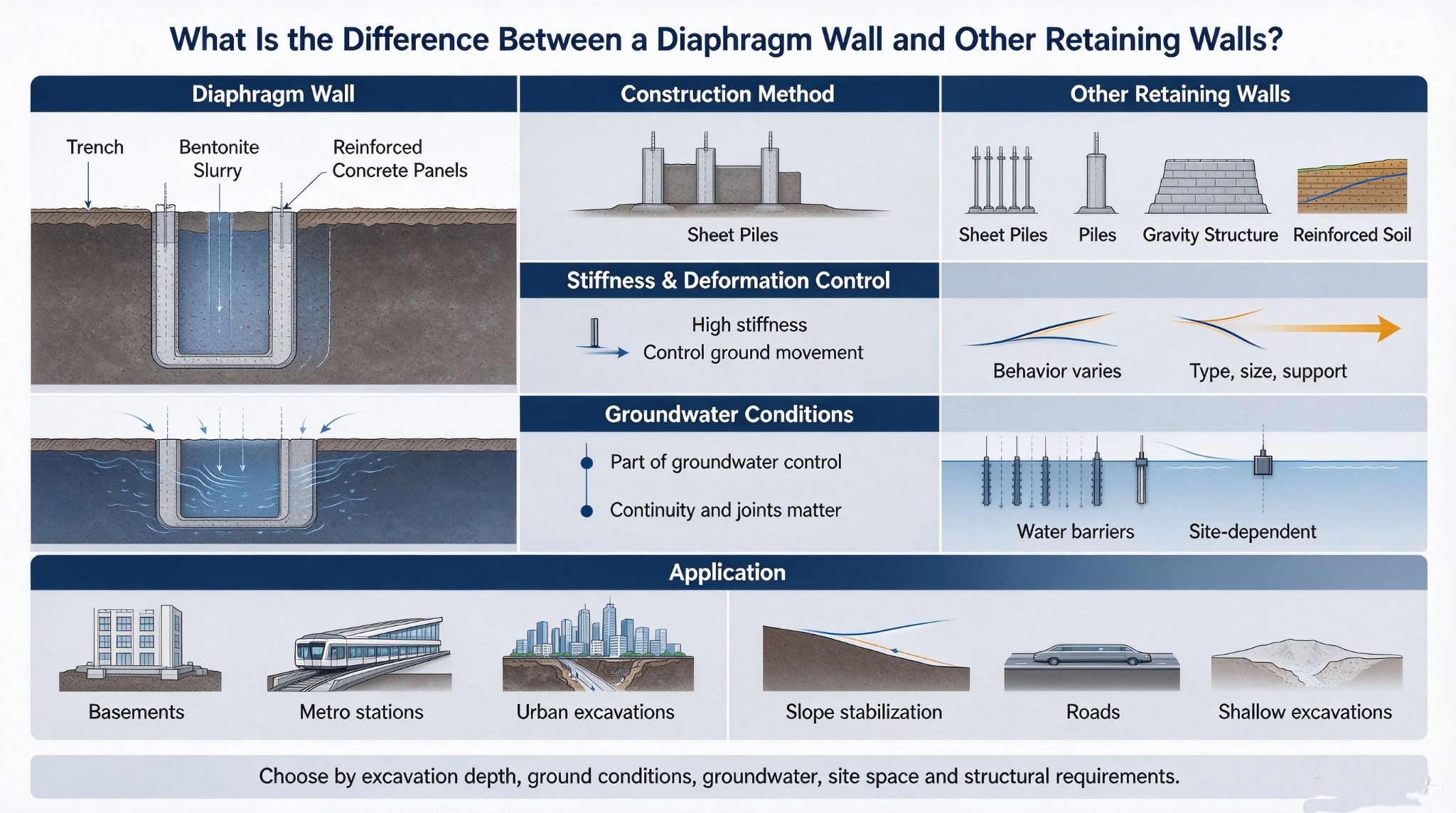
If you are comparing retaining wall systems for an excavation project, the main differences include construction method, structural behavior, groundwater control, and application. A diaphragm wall is a reinforced concrete wall constructed in panels, while other systems may use piles, sheet piles, concrete, or reinforced soil.
Construction Method
The obvious difference is how the wall is built. A diaphragm wall is formed by excavating a trench under a support fluid such as bentonite slurry and constructing reinforced concrete panels. The slurry helps keep the trench stable during excavation.
Other retaining systems use different construction methods. Depending on the type of retaining system, the wall may be built with driven sheet piles, piles set in the ground, concrete poured in place, gravity structures, or reinforced soil. Each construction method has different requirements for equipment, working space, and construction sequence.
Stiffness and Deformation Control
Diaphragm walls generally offer high structural stiffness because they are built from reinforced concrete below the ground. This can be useful when you need to control ground movement during an excavation.
The behavior of other retaining systems depends on their type, size, material, support arrangement, and design. For example, a sheet pile wall behaves differently from a gravity wall or a pile-based system. The expected ground movement therefore needs to be considered together with the excavation support design.
Groundwater Conditions
Groundwater conditions can also play a role in choosing a retaining system. A diaphragm wall can be part of a groundwater control system and can help control water movement when it is properly designed and constructed.
A diaphragm wall should not simply be seen as a wall that keeps water out. Its effectiveness depends on the continuity of the wall, how the panels are joined, the quality of the concrete, the depth of the wall, and the quality of construction. Other retaining systems may need drainage measures, water barriers, or other methods to manage groundwater, depending on the site conditions.
Application
The application can also vary. Diaphragm walls are often used for basements, metro stations, underground structures, and urban excavations, especially when nearby buildings or infrastructure need to be taken into account. Diaphragm walls can also be useful when working space is limited.
Other retaining wall systems can be suitable for a range of projects, such as slope stabilization, roads, shallow excavations, and changes in ground level. If you are comparing systems for a project, the excavation depth, ground conditions, groundwater, site space, and structural requirements all need to be considered.
| Factor | Diaphragm Wall | Other Retaining Wall Systems |
| System type | Reinforced concrete wall constructed in panels | Varies by wall type |
| Construction | Slurry-supported trench excavation | Depends on the system |
| Typical use | Deep excavation and underground structures | Varies by application |
| Structural stiffness | Generally high | Depends on wall type and design |
| Groundwater | Can provide groundwater resistance when properly designed and constructed | Varies |
| Site space | Can be suitable for sites with limited working space | Depends on the system |
| Vibration | Generally low during construction | Depends on construction method |
| Temporary or permanent | Can serve as either | Depends on the system |
When Is a Diaphragm Wall Suitable?
A diaphragm wall may be considered when an excavation needs support, good deformation control, or better control of groundwater. It is often used where site conditions make some other retaining systems less suitable.
Deep Excavation
Diaphragm walls are commonly used for deep excavations, such as basements, metro stations, and other underground structures. Their high structural stiffness can help control ground movement as the excavation gets deeper.
Groundwater
Groundwater can be a factor when you plan an excavation. A continuous diaphragm wall can help control groundwater movement when it is properly designed and constructed. This can be useful in areas with a high groundwater level or saturated ground.
Urban Construction
When you are working close to buildings, roads, utilities, or other existing structures, controlling ground movement becomes more important. Diaphragm walls can provide an underground support system with relatively low vibration during construction.
Limited Working Space
Diaphragm walls can also be considered when the available working area is limited. This is common in urban construction, where you may have little room around the excavation or need to work close to existing structures.
Permanent Underground Structure
A diaphragm wall can be used temporarily to support an excavation or become a permanent part of the underground structure. This is especially useful when building basements or other underground spaces where the wall will remain in place after construction is complete.
The suitable retaining system still depends on several factors. These include the excavation depth, soil and rock conditions, groundwater level, structural requirements, available site space, and construction method. Each of these factors needs to be considered when deciding which retaining system is suitable for the project.
When Is a Retaining Wall Suitable?
A retaining wall can be used when you need to hold back soil, manage a change in ground level, or stabilize a slope. The right type of retaining wall depends on the soil, loads, groundwater, available space, and project requirements.
Slope and Ground-Level Changes
Retaining walls are often used to stabilize slopes and create level areas where the ground is at different heights. They are common in commercial, road, and landscaping projects.
Shallow to Moderate Excavation
When an excavation is not very deep and there is no strict need for ground movement control, a conventional retaining wall may provide the required soil support. Depending on the design, options include gravity walls, cantilever walls, anchored walls, and reinforced-soil walls.
Demanding Site Conditions
A retaining wall can be suitable when groundwater, nearby structures, and site constraints are manageable. If you need support for a deep excavation, work close to existing buildings, or control groundwater in saturated ground, you may need to consider a diaphragm wall or another specialized retaining system.
Frequently Asked Questions
What Powers Diaphragm Wall Equipment?
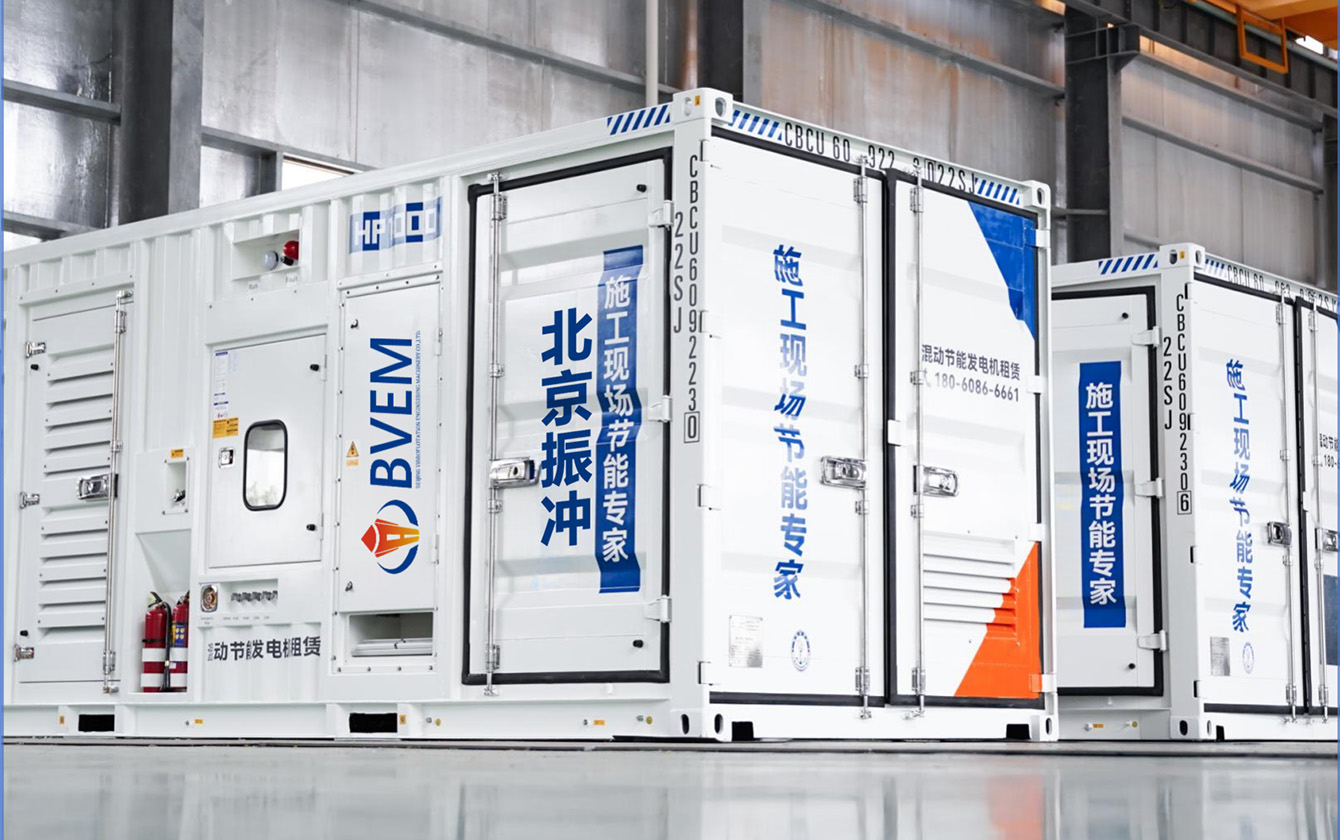
Diaphragm wall equipment can run on a site power supply, diesel generator, or a hybrid power system. The choice depends on the equipment used and the conditions at the project site. An electrical control cabinet is used to manage and control the system. It helps keep the equipment running smoothly during excavation.
If the site has high power demand or the power demand changes significantly, a hybrid generator can be a good option. This system uses battery storage along with a generator to deliver power efficiently.
The best power solution depends on the type of equipment, working hours, and whether power is available at the site.
What Equipment Is Used to Construct a Diaphragm Wall?
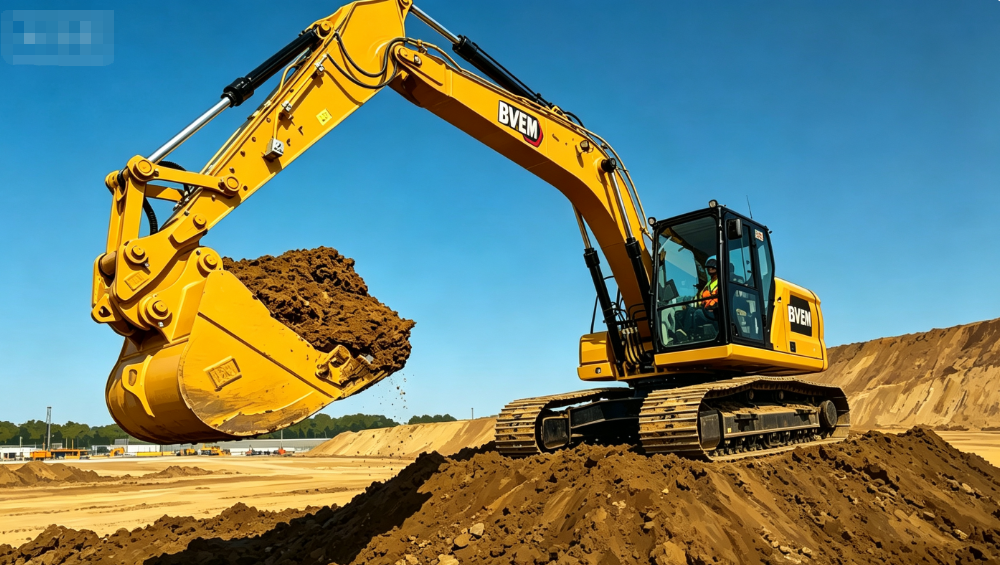
Depending on the ground conditions and project needs, a diaphragm wall project can use a diaphragm wall grab, a trench cutter, and a construction excavator.
A diaphragm wall grab works well for excavating panels in a range of soil conditions. A trench cutter is suitable for excavating harder soil and rock.
A construction excavator helps with site preparation, material handling, and other tasks around the excavation.
The equipment combination should match the needs of your project.
What Are the Different Types of Retaining Walls?
Retaining walls can be built in different ways. The choice depends on the soil conditions, wall height, available space, groundwater and project requirements. Common types include gravity walls, cantilever walls, sheet pile walls, secant pile walls, anchored walls and diaphragm walls. Each type handles lateral pressure differently. Some retaining walls rely mainly on their own weight, while others use piles, anchors or reinforced structural elements. When choosing a retaining wall, you should consider the ground conditions, excavation depth, available space and what the structure needs to support.
What Equipment Is Needed Besides a Diaphragm Wall Grab?
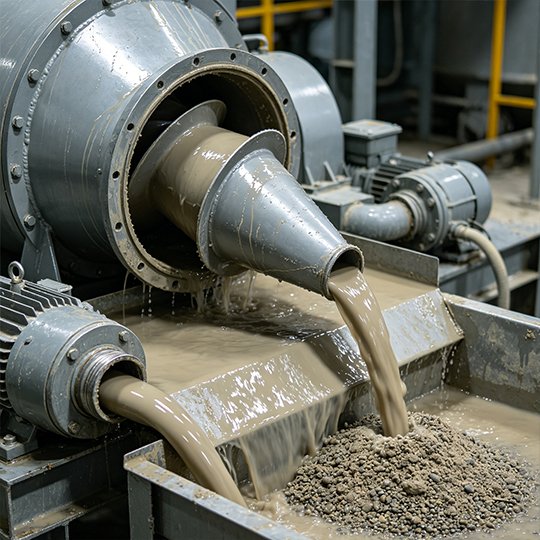
Besides a diaphragm wall grab, you might need other machines for a diaphragm wall project. A construction excavator can help with site preparation and moving materials around. A crane is useful for lifting and placing parts. Depending on the slurry system you use, you may also need a desander, a filter press, and a slurry pump. The exact mix of equipment will depend on the size of your project, the construction method you choose, the ground conditions, and the site requirements.
How Do You Choose Between a Diaphragm Wall Grab and a Trench Cutter?
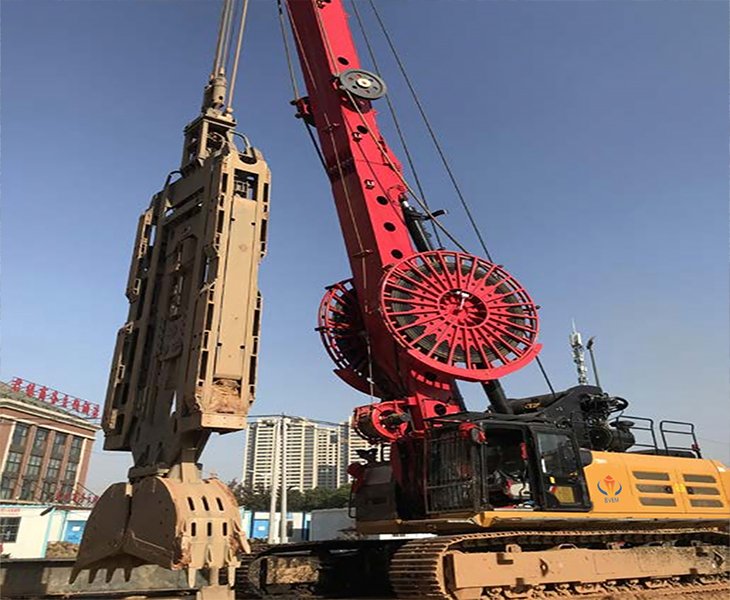
When deciding between a diaphragm wall grab and a trench cutter, you should first look at the ground conditions and excavation needs. A diaphragm wall grab is useful for different soil types and works by digging in small steps and lifting the soil each time. A trench cutter has cutting wheels and works better when the soil is hard or there is rock. You should also consider how fast the digging must be, the wall dimensions, and the project conditions before choosing the right equipment.
BVEM Diaphragm Wall Equipment
BVEM has more than 50 years of experience in foundation treatment equipment and has exported its equipment to over 50 countries. We supply diaphragm wall grabs and trench cutters, as well as desanders, filter presses, and excavators for diaphragm wall work. If you are planning a project, send us your wall thickness, trench depth, ground conditions, and crane information. We can then discuss which equipment would work for your site.