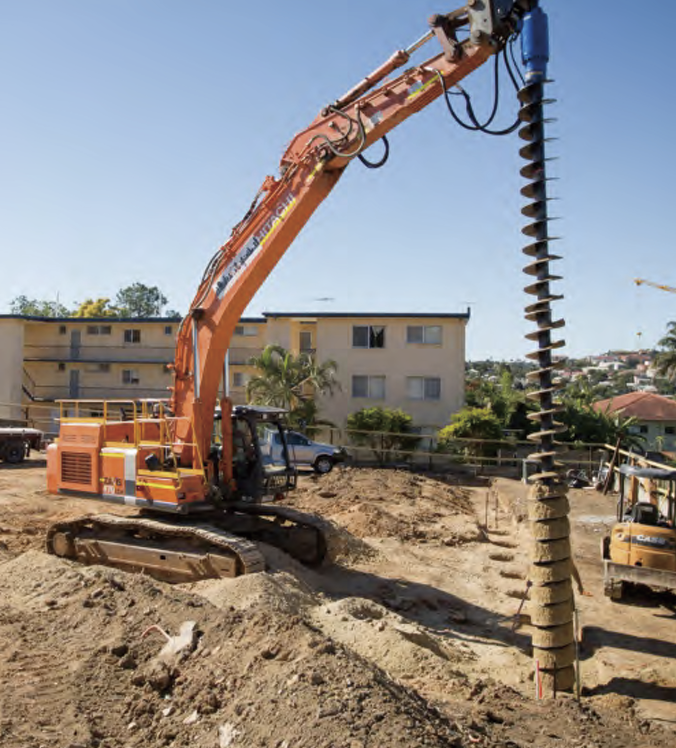
Augers drill holes in the ground for construction projects, such as installing foundations and utility poles. When choosing an auger, you need to consider the ground conditions, the required hole diameter and depth, and the type of carrier machine available. This guide explains how augers are used in construction, how they work, and what you need to consider when choosing auger equipment.
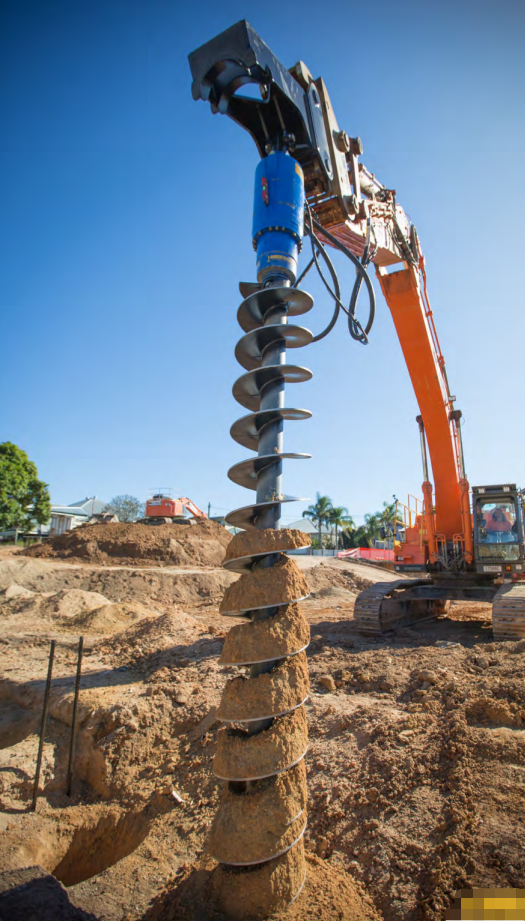
What Are Augers Used For?
Construction augers are used for ground-drilling tasks, from drilling holes for building foundations to installing utility poles. The right auger for a project depends on the project requirements, ground conditions, and the type of auger and carrier machine used.
Foundation and Pile Drilling
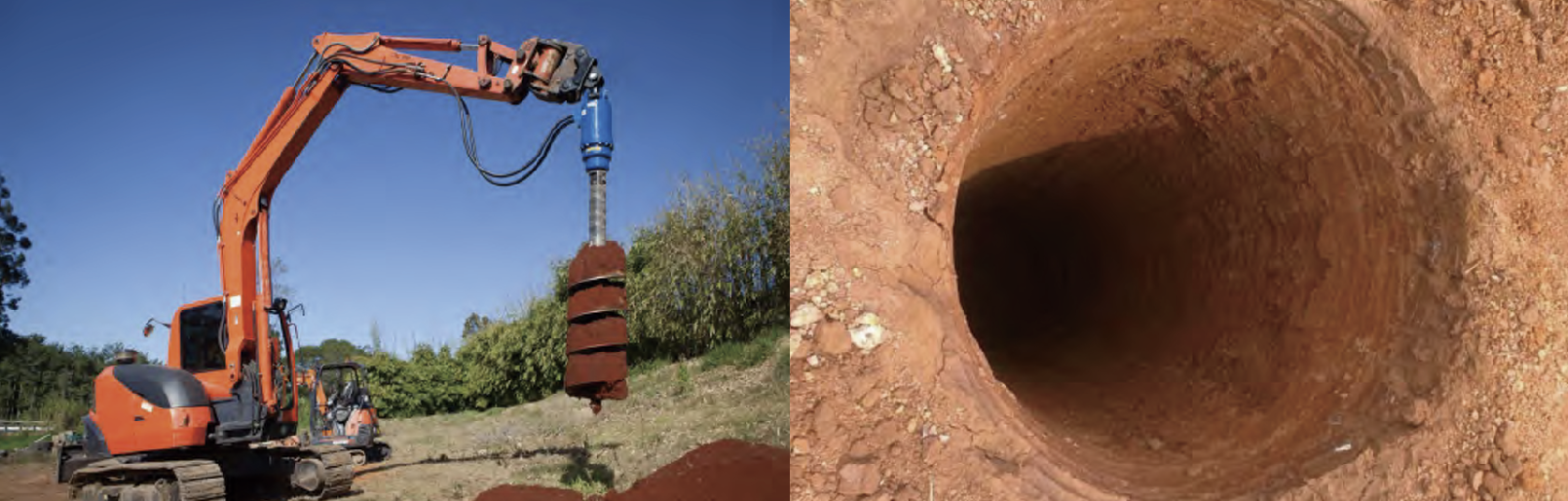
Augers are used in foundation construction to drill holes for piles that support buildings, bridges, and other structures. These piles transfer structural loads to suitable soil or rock layers below the ground surface.
For this work, you need an auger that can reach the required drilling depth and drill holes of the specified diameter. The choice also depends on soil conditions, pile design, and the drilling equipment available on site. For example, an auger used in medium-dense soil may not be suitable for ground containing large gravel or hard rock.
Before selecting an auger, check the project drawings and ground investigation report. You should also confirm that the auger is compatible with your drilling rig or carrier machine, such as an excavator, and provides the torque needed for the job.
Pre-Drilling for Piling Projects
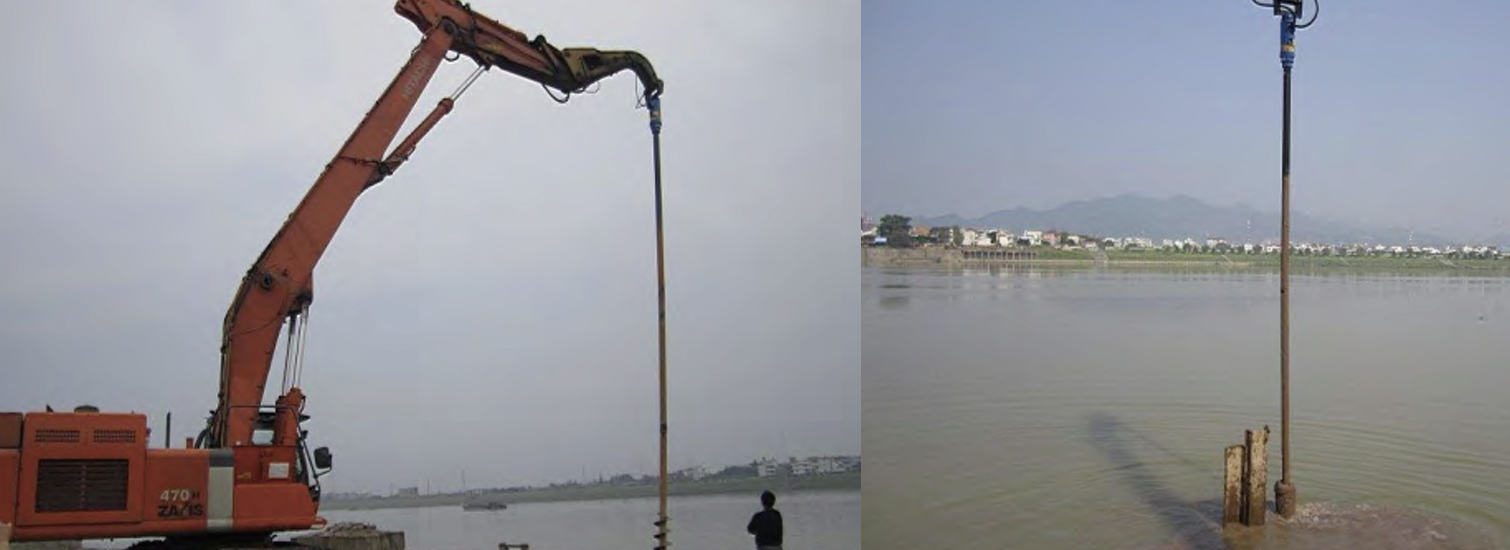
In some piling projects, an auger is used to drill a hole before a vibro hammer or piling rig is used to install the pile. This process, known as pre-drilling, can help the piling operation pass through certain soil layers or reduce resistance during pile installation.
For example, you may need pre-drilling where dense soil or other ground conditions increase resistance to pile installation. The required hole diameter and depth depend on the pile type, ground conditions, and project design.
Pre-drilling is not necessary for every piling project. Your engineering team should decide whether it is appropriate based on the ground investigation results and the planned installation method. For projects that also require ground improvement, vibroflots or vibrocats may be used to densify suitable granular soils.
Road Construction and Infrastructure Projects
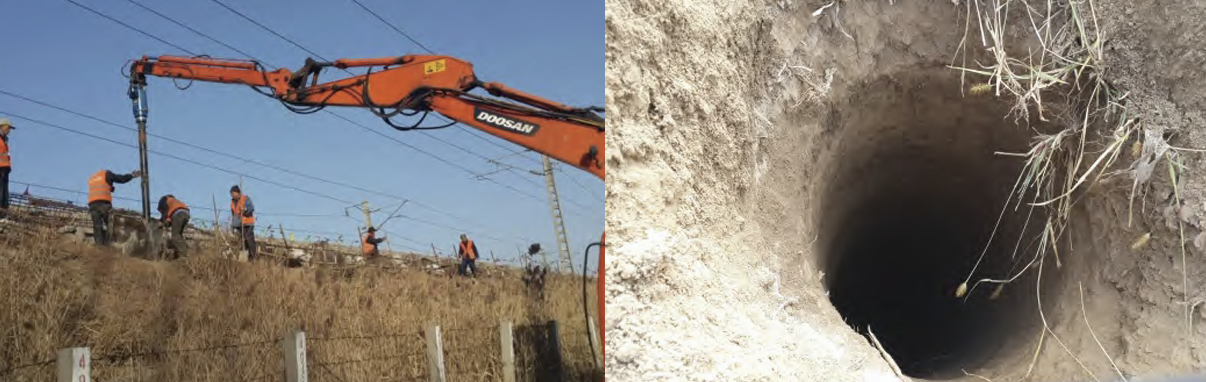
Road construction and infrastructure projects often require holes for guardrail supports, traffic signs, and other roadside structures. An auger can drill these holes to the required diameter and depth, helping crews prepare multiple installation points along a road.
For infrastructure projects, machine-mounted augers can be useful when many holes need to be drilled across a site. However, the suitable equipment depends on ground conditions, hole dimensions, and site access. You should confirm these requirements before choosing an auger for the project.
Utility Pole and Sign Installation
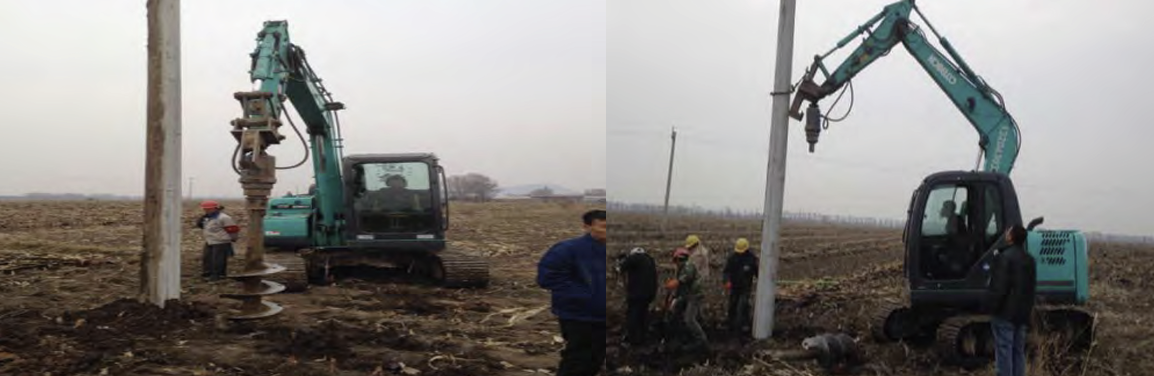
Augers are commonly used to prepare holes for power poles, communication poles, lighting poles, and signposts. These applications often involve drilling holes to specified dimensions along a route or within a project site.
Using a machine-mounted auger can help you complete repeated drilling tasks with consistent hole dimensions. The required diameter and depth depend on the pole foundation design, soil conditions, and local engineering requirements.
When selecting an auger for this work, check whether your excavator or other carrier can provide the required torque and operating capacity. You should also consider the working space and access conditions at each drilling location.
Soil Sampling and Other Ground-Drilling Tasks
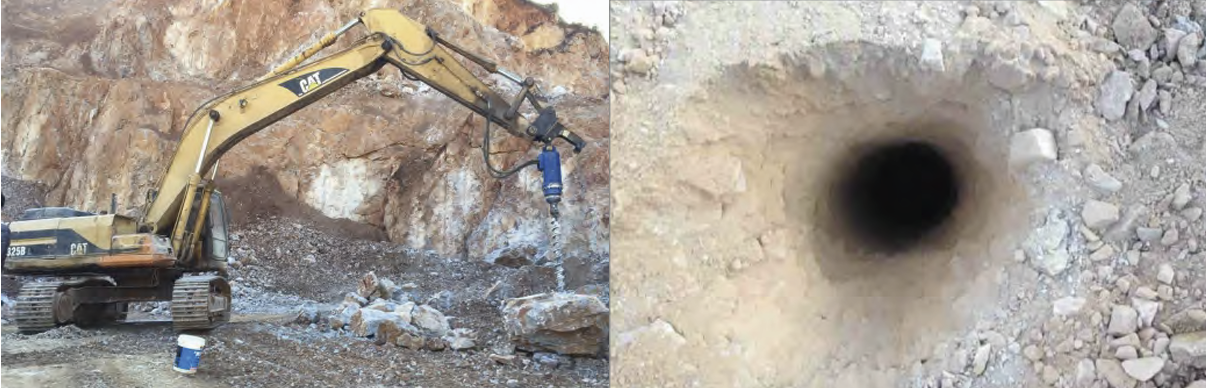
Some auger systems are used for soil sampling and preliminary ground investigations. Depending on the design, they can help collect soil samples or provide information about subsurface conditions before construction begins. However, soil sampling requires suitable drilling tools and sampling methods, so a standard construction auger may not be suitable for every investigation.
Augers may also be used for specific drainage or utility-related drilling tasks where individual holes are needed instead of continuous trenches. The appropriate method depends on the installation design and site conditions.
Before choosing an auger for these applications, confirm the purpose of the drilling work, the required depth, and whether the equipment can meet the project’s technical requirements.
What Types of Augers Are Used for Construction?
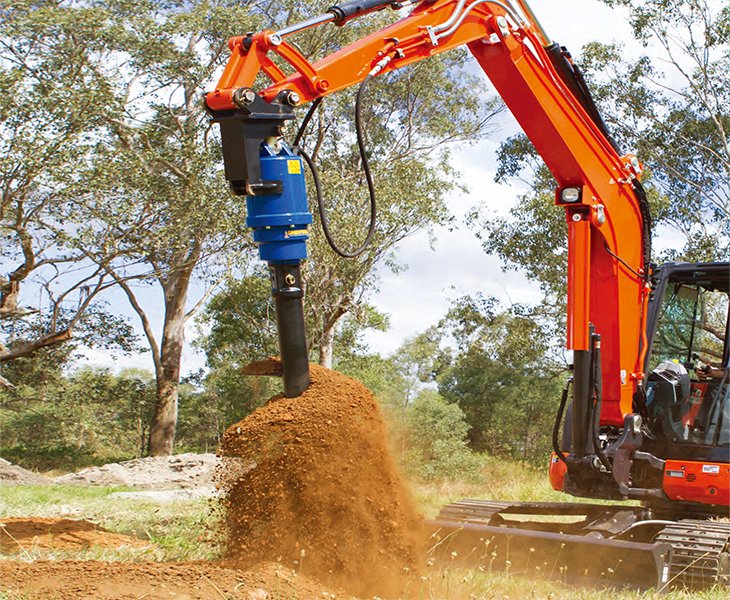
Construction augers can be classified by their drilling tools, drive systems, and mounting methods. These categories can overlap, so you should consider how the auger fits your equipment and the type of drilling work required.
Earth Augers
Earth augers are used to drill holes in suitable soil for foundation work, pole installation, and other ground-drilling tasks. Their performance depends on soil conditions, cutting teeth, and the auger design. You should choose a suitable auger based on the ground conditions and drilling requirements.
Hydraulic Augers
Hydraulic augers use hydraulic power to rotate the drilling tool. When choosing one, you need to check whether your carrier machine can provide the required hydraulic flow, operating pressure, and torque. If these requirements are not met, the auger may not perform as expected.
Machine-Mounted Augers
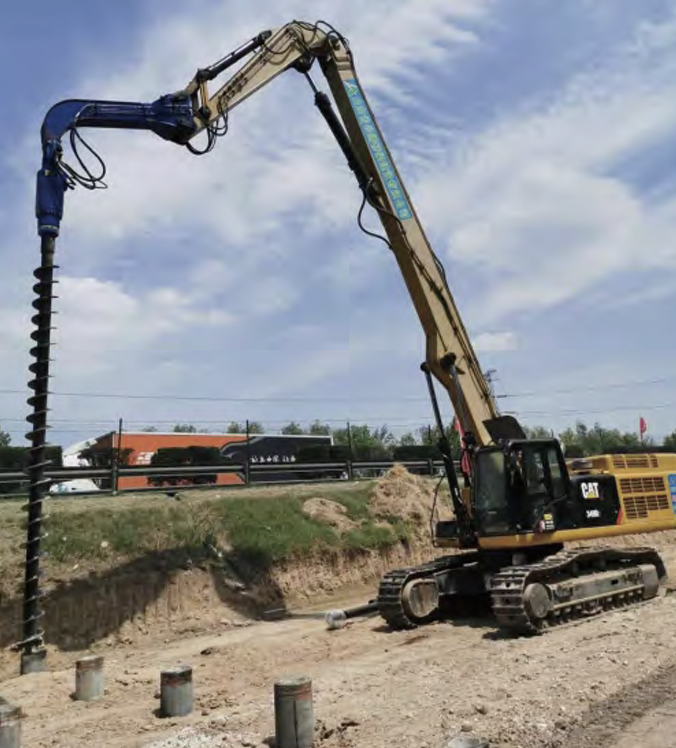
Machine-mounted augers attach to excavators, skid steer loaders, or other compatible carrier machines. They are useful for projects that require drilling at multiple locations. Before buying an attachment, check the mounting connection and make sure your machine can handle the auger’s weight and operating requirements.
These categories can overlap. For example, a machine-mounted auger may also be hydraulically powered. You should choose a configuration that matches your carrier machine, ground conditions, and project requirements.
How to Choose the Right Auger for Your Project
Choosing an auger is not just about its size or brand. You need to match it to your project requirements. Ground conditions, hole diameter and depth, carrier machine compatibility, and the number of holes you need to drill all matter. Consider these factors before buying.
Ground Conditions
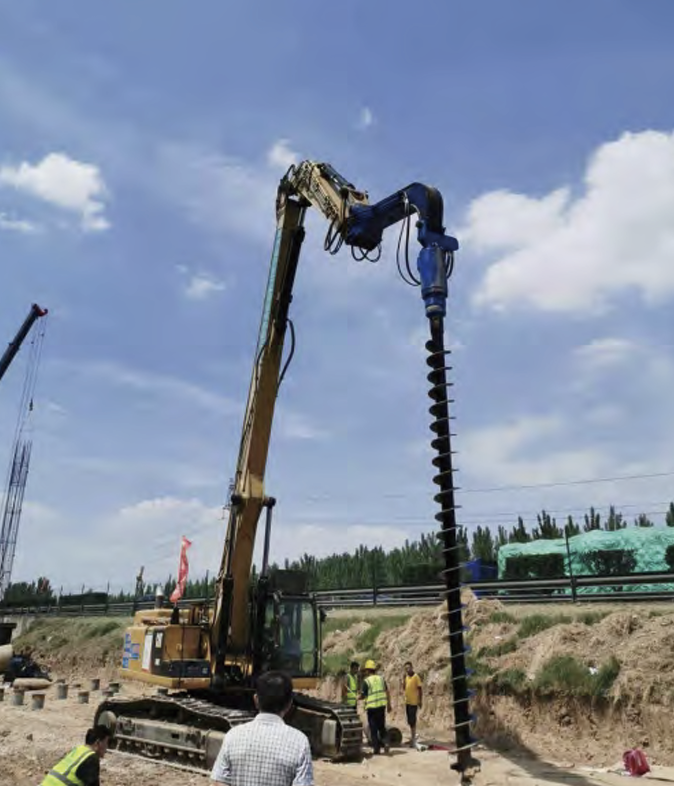
Check your ground investigation report to understand what lies below the surface. Is the ground soil, dense clay, gravel, or rock? Different ground conditions require suitable auger designs and cutting teeth. Don’t choose an auger based on its appearance or name alone. Make sure its design and cutting teeth are suitable for the ground you need to drill.
Hole Diameter and Drilling Depth
Your project drawings should specify the required hole diameter and depth. Check whether the auger can meet these requirements. Also consider the complete setup, including the auger, extension rods, and carrier machine. The maximum drilling depth may depend on the number and length of extension rods you use, as well as the machine’s capacity and working conditions.
Rig Compatibility
If you’re using an existing drilling rig or carrier machine, check the mounting connection and operating specifications. Does the auger fit your machine? You should also check torque, rotation speed, hydraulic flow, and operating pressure, where applicable. These parameters must match the drive system. Otherwise, the auger may not perform properly and could damage the equipment.
Project Volume and Wear Parts
If you need to drill many holes, consider drilling efficiency and maintenance. Check how quickly the cutting teeth may wear under your ground conditions and how easily you can replace them. Keeping replacement teeth and other wear parts available can help reduce downtime.
Before contacting a supplier, prepare your ground conditions, required hole diameter and depth, and carrier or rig model. This information helps the supplier recommend a suitable auger configuration for your project.
Frequently Asked Questions About Augers
How Do Augers Work in Construction?
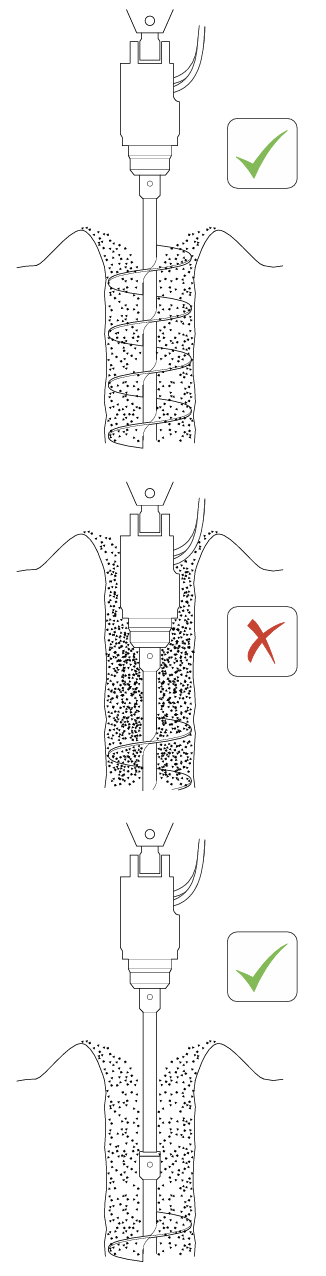
When you position an auger over the drilling point, its drive system rotates the shaft and cutting teeth to drill into the ground. As the auger moves deeper, its spiral blades, called flights, help move loosened soil toward the surface. Once you reach the required depth, you can withdraw the auger. Depending on the ground conditions and construction method, you may need to clean the hole further to remove loose soil. The exact process depends on the auger type, drive system, and drilling method.
What Are the Limitations of Augers?
Augers are useful for many ground-drilling tasks, but they are not suitable for every type of ground. Large boulders, buried obstacles, and hard rock can slow down drilling or require specialized cutting tools. An auger’s performance also depends on its design, cutting teeth, and the available torque. Before choosing an auger, check your ground investigation report carefully. You should also consult your equipment supplier to make sure the selected auger setup is suitable for the ground conditions and required drilling depth.
How Deep Can You Drill with an Auger?
The drilling depth depends on the auger model, extension rods, carrier machine capacity, and ground conditions. Small augers are suitable for shallow holes in fencing and utility projects, while larger models are often used for deeper foundation drilling. For example, BVEM’s 50000Max and 80000Max auger models are listed with drilling depths of up to 12 meters. The actual depth you can achieve depends on the equipment configuration and site conditions. Before choosing an auger, you should confirm your required drilling depth and check that the auger is compatible with your carrier machine.
What’s the difference between a drill and an auger?
A drill and an auger can both be used to make holes, but they are designed for different materials and applications. A drill is suitable for making holes in wood, metal, or masonry when fitted with the right bit. An auger is designed for drilling into soil and other ground materials. Its teeth cut into the ground, while the spiral flights help move the soil out of the hole. When choosing between the two, you should consider the material you need to drill, the required hole diameter and depth, and the equipment available on your job site.
What Else Can a Construction Auger Be Used For?
Besides foundation drilling and utility pole installation, construction augers can also be used to drill holes for ground-mounted solar panel systems, fence posts, and other structures that require supports in the ground. The right auger depends on the required hole diameter and depth, soil conditions, and the capacity of your carrier machine. Before choosing an auger, you should check the project plans to confirm the required hole dimensions and drilling method.
Full-Range Auger Supplier & Ground Engineering Solutions
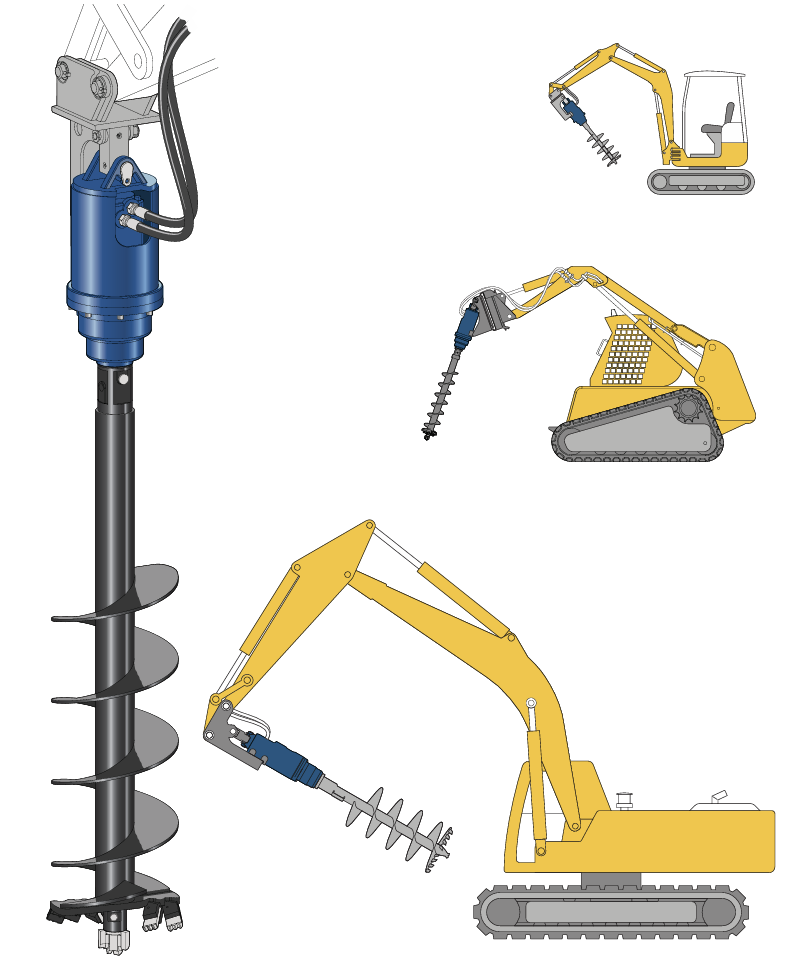
BVEM supplies augers for a range of drilling applications, with models to suit different carrier machines and ground conditions. We also provide excavators, vibroflots, vibrocats, vibro hammers, and piling rigs, offering one-stop equipment solutions for drilling, foundation construction, and ground improvement. Contact our team to discuss your project requirements and find the right equipment for your needs.