Desanders are commonly used in foundation construction, horizontal directional drilling (HDD), water well drilling, and geothermal projects. They use vibrating screens and hydrocyclones to remove sand and other solids from slurry, helping maintain mud circulation and recover slurry for reuse when it meets project requirements. This guide explains desander functions, working principles, and how to choose the right model for your project.

What Is a Desander in a Drilling Rig?
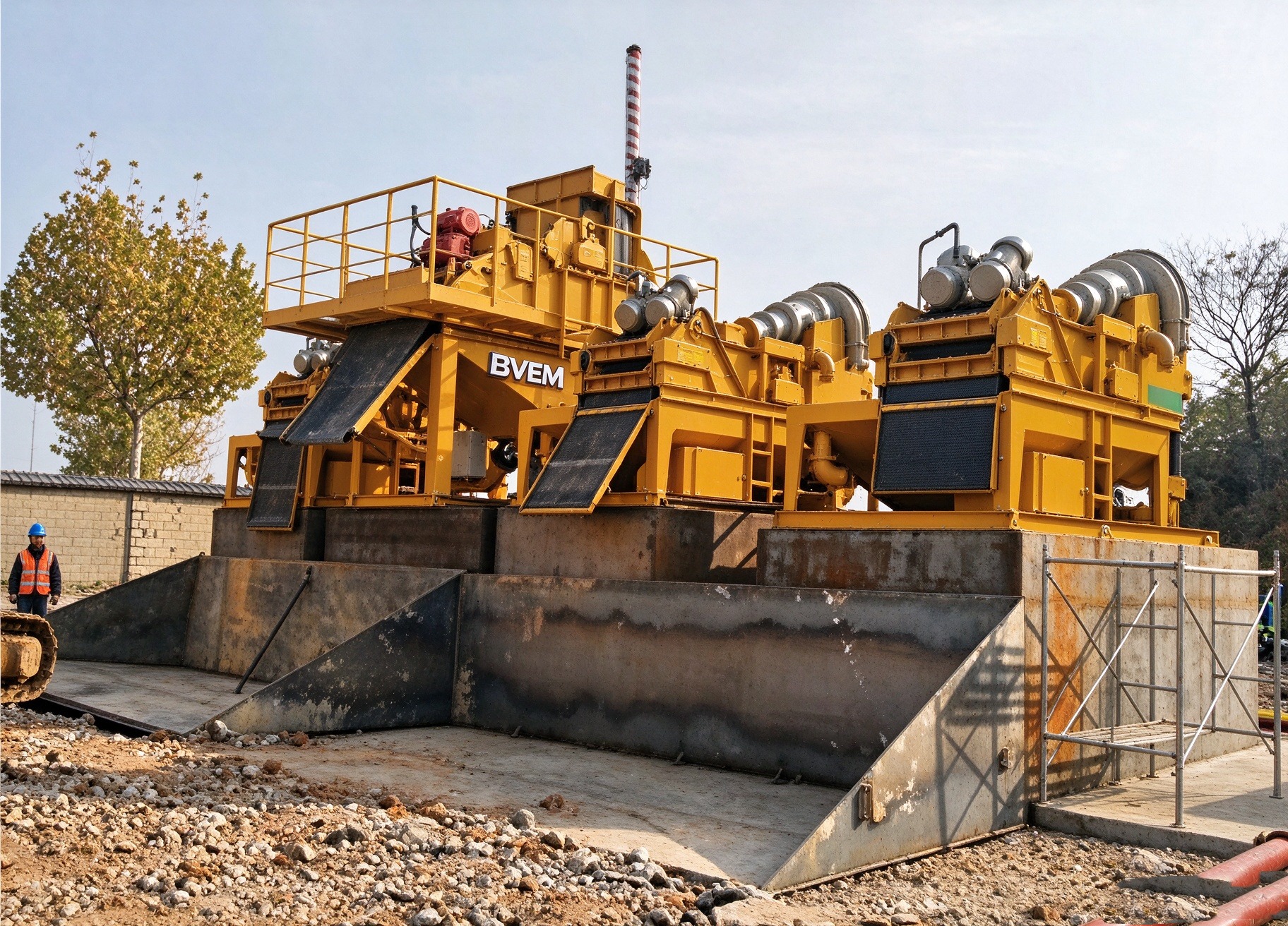
A desander is an important component of a drilling rig’s mud treatment system. It removes sand and other coarse solids from drilling slurry before the mud returns to the circulation system. Depending on the design, a desander may combine hydrocyclones with a vibrating screen to improve solid separation and handling.
Main Function of a Desander
During drilling, soil particles enter the slurry and increase its solid content. If too much sand remains in the mud, it can affect slurry performance and increase wear on related equipment. A desander helps remove these particles and maintain suitable mud conditions for continued drilling.
The separated solids are discharged for further handling. A vibrating screen can also help remove excess water from the solids. If you want to reuse drilling mud on site, a suitable desander can reduce fresh mud consumption and the amount of slurry waste requiring disposal. The actual results depend on your slurry properties and project requirements.
How Does a Desander Work?

A construction desander cleans drilling slurry by combining a vibrating screen with hydrocyclones. The screen separates larger solids, while the hydrocyclones remove sand and other particles within their separation range before the treated slurry returns to the circulation system.
In foundation and deep excavation projects, a desander can support slurry recycling for equipment such as piling rigs, diaphragm wall grabs, and trench cutters. If your project uses these machines, you should choose a suitable system based on your construction method, soil conditions, and slurry treatment requirements.
Here is how the slurry moves through each stage:
Slurry Feeding
Raw slurry containing sand from foundation drilling or HDD operations enters the desander. Depending on the equipment design and site layout, the slurry may flow onto the screening deck first or enter a collection tank before being pumped into the hydrocyclones.
Preliminary Screening
In equipment with a screening stage, the vibrating screen removes larger solids, such as rocks, soil clumps, and coarse drilling cuttings. The remaining slurry passes through the screen mesh and flows into a collection tank for further treatment.
Hydrocyclone Separation
A slurry pump delivers the screened slurry into the hydrocyclones under pressure. The slurry enters tangentially, creating a swirling flow that pushes sand and other separable solids toward the cyclone wall. These solids move downward and exit through the bottom outlet, known as the underflow. The liquid containing finer suspended particles moves upward and exits through the overflow pipe.
Solids Discharge and Slurry Recovery
The hydrocyclone underflow may pass over a dewatering screen to remove excess water before the solids are discharged. The overflow flows into a collection tank for reuse or further treatment, depending on the slurry requirements.
The vibrating screen removes coarse solids and helps dewater the hydrocyclone underflow, while the hydrocyclones separate sand and other solids within their effective separation range. Together, these components help control slurry sand content and reduce abrasive wear on downstream equipment.
Key Components of a Construction Slurry Desander
A construction slurry desander depends on its main parts working together to make sure that solids and liquids are separated efficiently. Knowing these parts helps you check how long the equipment will last, how stable it will work, and how much maintenance it will need for your work area.
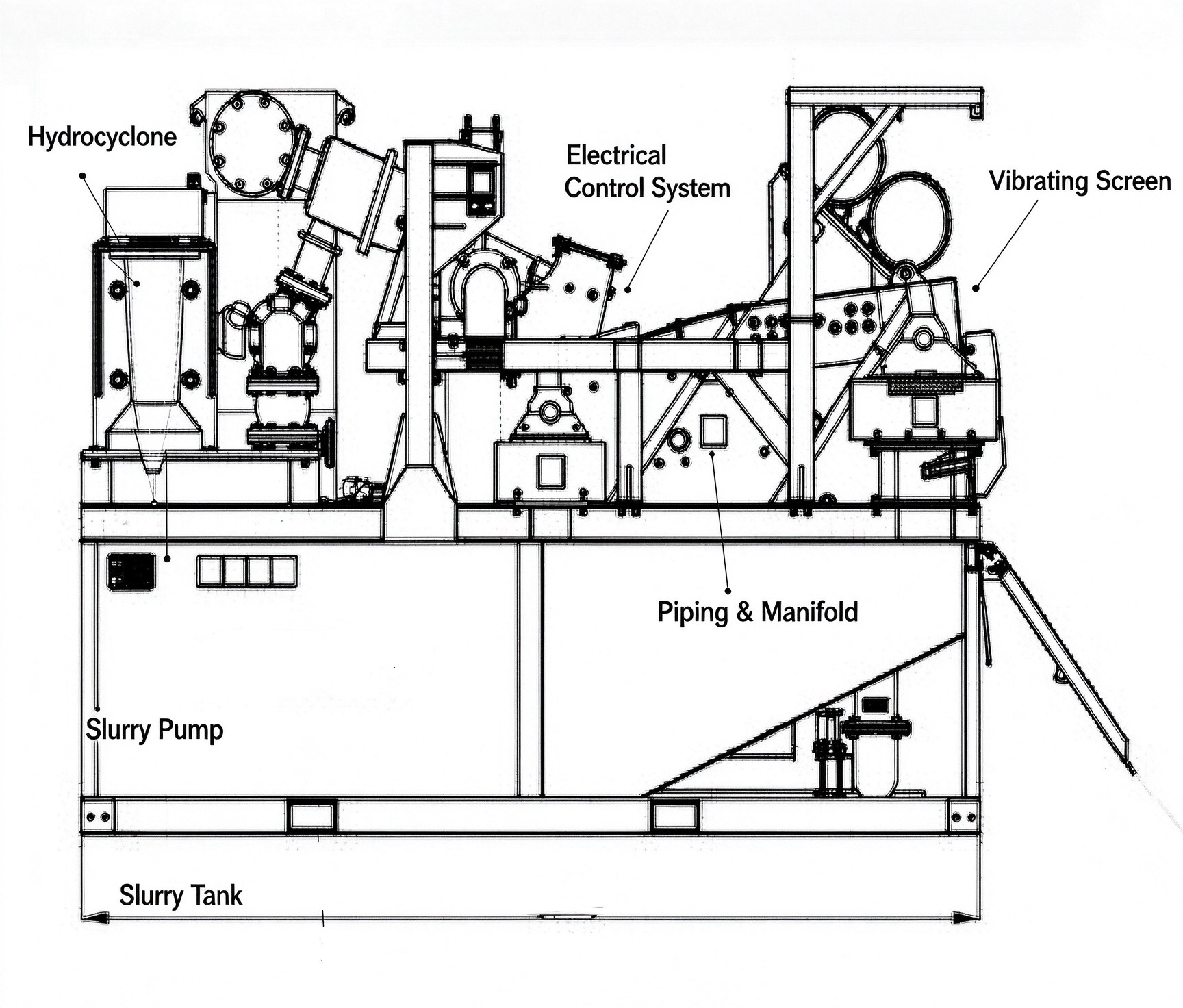
| Component | Main Function |
| Vibrating Screen | Intercepts coarse solids during preliminary screening and removes excess water from the slurry discharged from the hydrocyclones. |
| Hydrocyclone | Uses centrifugal force to separate sand and fine solids from the slurry, sending cleaned fluid to the overflow. |
| Slurry Pump | Delivers raw mud into the hydrocyclone bank under continuous, stable operating pressure. |
| Slurry Tank | Buffers mud flow, provides temporary storage, and maintains proper liquid levels across processing stages. |
| Piping & Manifold | Routes and distributes slurry efficiently between the pump, hydrocyclones, and discharge outlets. |
| Electrical Control System | Manages start/stop sequences, monitors operating parameters, and provides motor protection during high-intensity site work. |
Screen mesh specifications, hydrocyclone quantities, pump parameters, and tank capacities should be customized to fit your specific drilling conditions and site layout rather than treating all features as standard, one-size-fits-all configurations.
Benefits of Using a Desander in Piling and HDD Projects
Using a desander in foundation and HDD projects brings real benefits to your operation. It connects separation with smart site economics, helping you manage materials better and control daily slurry needs.
Slurry Recycling
When the slurry is cleaned and meets your project requirements, you can send it back into the drilling process. Reusing treated mud means a reduced need for fresh bentonite and lower demands for water each day. This saves money and reduces the strain on your site’s resources.
Reduced Waste and Disposal Costs
A desander removes sand and larger particles from the slurry. This can reduce the volume of slurry waste requiring off-site disposal, depending on the soil conditions and treatment process. The amount of waste reduced depends on the soil where you are working and how your process runs. Still, reducing slurry waste can also help lower disposal costs.
Improved Site Management
Maintaining a steady desanding process helps control mud density and viscosity. It also reduces sand buildup in slurry tanks and limits abrasive wear on pumps, drill bits, and pipes. These benefits can support more stable daily operations and reduce unnecessary maintenance.
How to Choose the Right Desander for Your Project
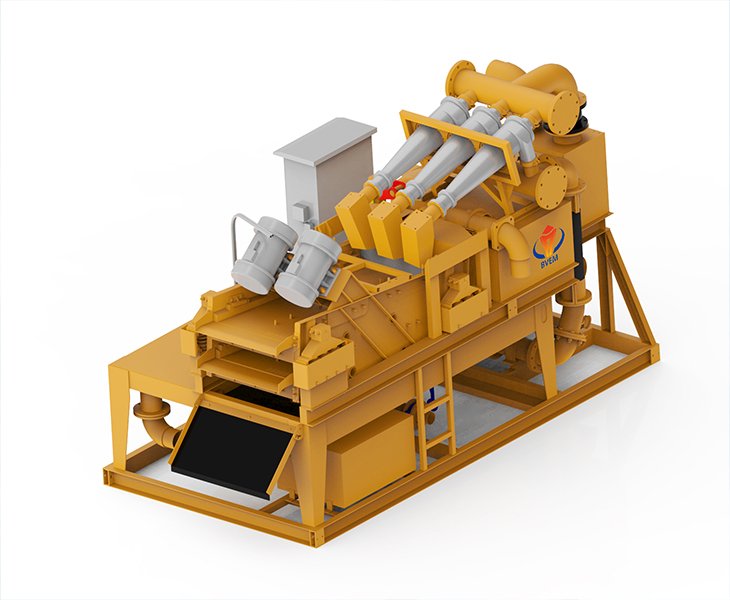
Choosing a desander is not just about picking the biggest advertised capacity. To ensure reliable slurry treatment and control equipment costs, you must evaluate your operating conditions and match the equipment setup to the specific needs of your job.
Confirm the Required Processing Capacity
First, determine the mud flow rate of your drilling equipment, the expected peak surges, and the total slurry volume that your desander must treat. Always look past the listed maximum capacity ratings—check the testing conditions, the properties of the slurry, and the feed pressure needed to reach that throughput.
Check the Slurry Properties
Slurry behaves differently across geological formations. To help suppliers suggest the right setup, provide them with key mud parameters, such as:
- Mud density and viscosity
- Sand content percentage
- Particle size distribution and solids characteristics
Define the Separation Target
State which size of particles you need to remove and the quality standards that your recycled mud must reach. Factors such as hydrocyclone diameter, cone shape, inlet pressure, and fluid viscosity directly affect the separation cut‑off points. If your project has strict mud specification limits, check these with the manufacturer before ordering.
Match the Equipment to the Site Layout
Foundation construction and HDD job sites usually have limited space, transport restrictions, or pre‑existing tank arrangements. Before buying, verify:
- Available footprint and vertical clearance on site
- Inlet and outlet connection sizes and locations
- Pump and piping compatibility with your mud tanks
- Mobilization and lifting requirements for transportation
Consider Screen Wear and Maintenance
If your desander features a vibrating screen, check the screen mesh specifications, how it is replaced, and the availability of spare parts. For slurries that are very abrasive, pay extra attention to how well the hydrocyclone liners and underflow apexes resist wear.
Desander Maintenance: What Should You Check?
Routine daily checks help your equipment run the way it should and keep important parts from getting worn out too fast. Pay attention to these things when the desander is running:
Screen Mesh: Look for blockages, holes, or heavy damage on the mesh.
Hydrocyclones: Check the wear-resistant parts and the bottom discharge apexes for signs of damage.
Pumps & Piping: Watch for leaks near the pumps, the connections, and the seals where the slurry moves.
Operating Gauges: Keep an eye on the pressure, the flow, and the discharge pattern to see if there is a blockage.
Internal Cleanliness: Remove any leftover sand and heavy materials from the tanks now and then.
Safety Warning: Before inspection or maintenance, shut down the equipment, isolate the power supply, and release any residual pressure according to the manufacturer’s safety instructions.
Frequently Asked Questions
Can a Desander Be Used with a Filter Press?
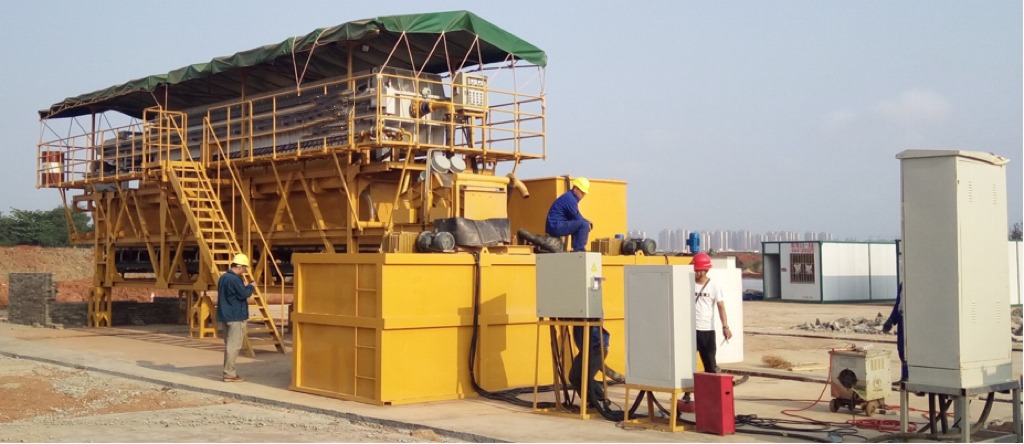
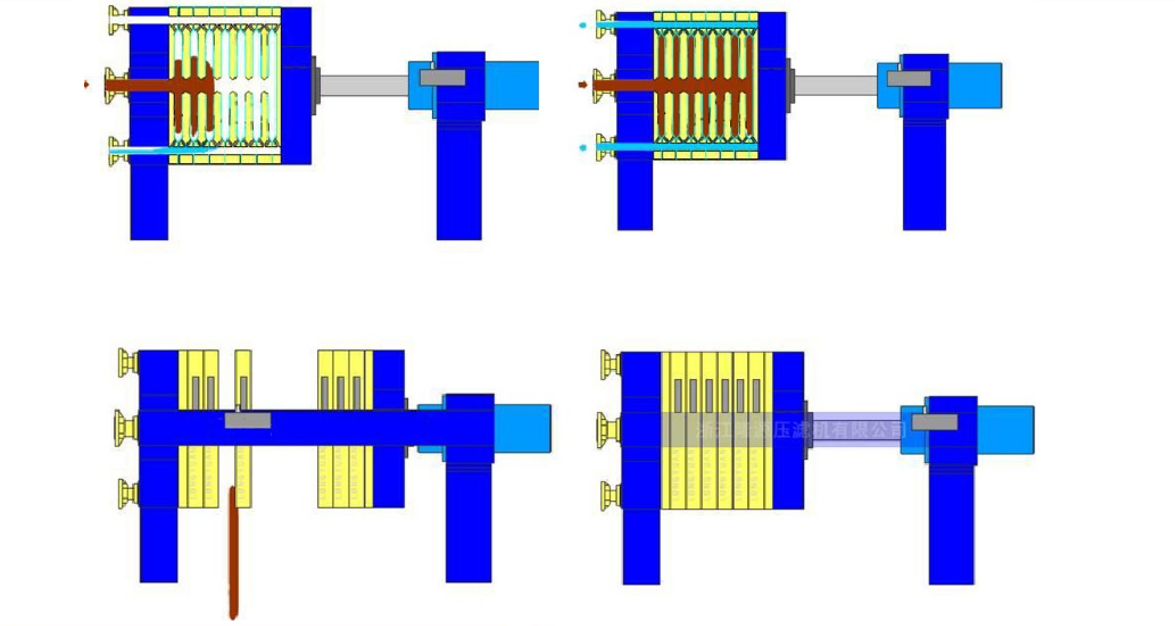
Yes. A desander and a filter press can be used together in a slurry treatment system, depending on the project’s needs. A desander removes sand and other separable solids from drilling slurry. A filter press provides further solid-liquid separation for sludge or fine solids that require additional dewatering. This combination can help manage slurry waste and recover water. Before choosing both systems, you should consider the slurry properties, treatment requirements, and expected waste volume.
What Power Supply Does a Desander Require?
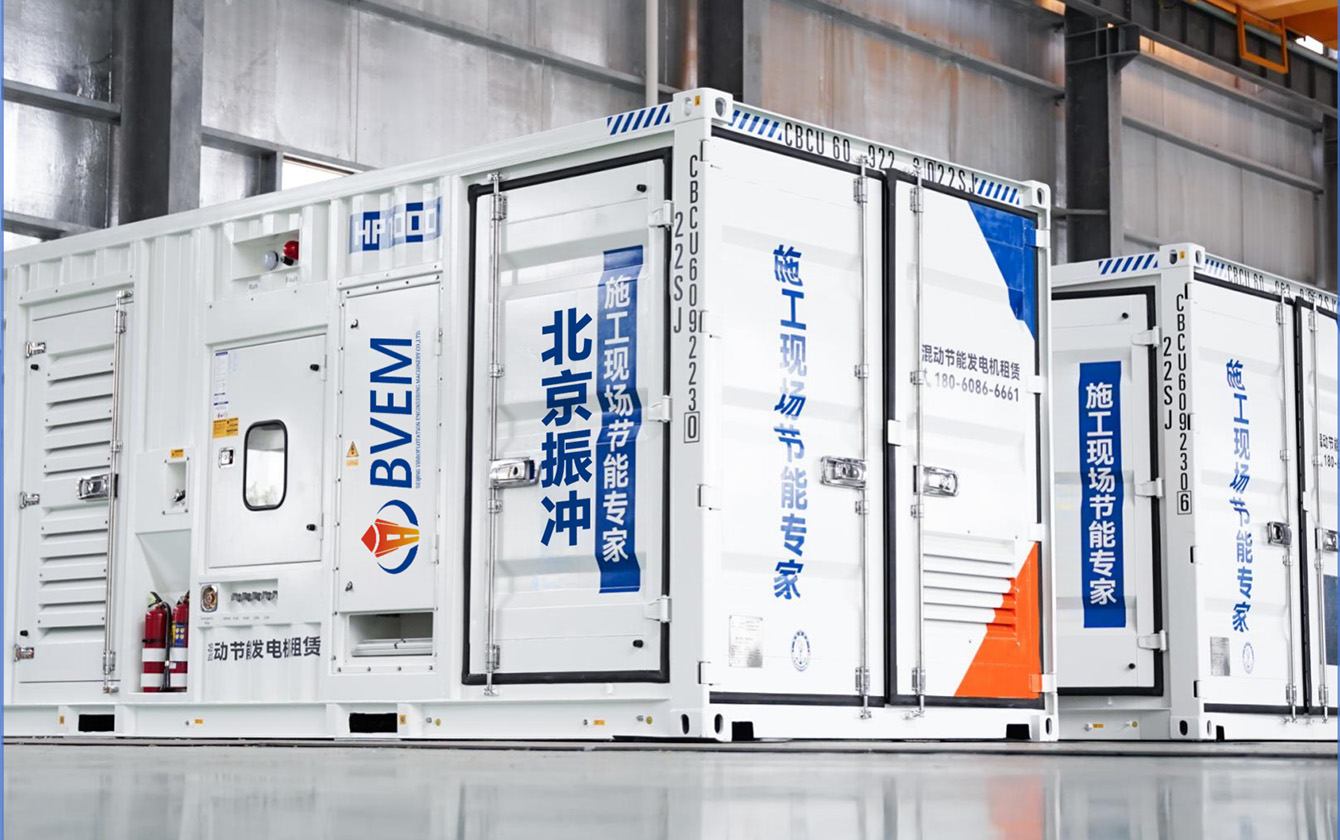
The power supply needed for a desander depends on its motor power, operating voltage, and site conditions. Before choosing a model, you should check the rated voltage, frequency, total power demand, and available power capacity at your site. Make sure the power supply can support the desander and its auxiliary equipment during operation. An electrical control cabinet can be used to manage the electrical system, while a hybrid generator may be a suitable power solution if grid power is limited or unavailable, depending on the system configuration.
What Particle Size Can a Desander Remove?
The particle size a desander can remove depends on the hydrocyclone design, operating pressure, and slurry properties. For foundation construction, BVEM desander models have d50 cut points ranging from 0.02 to 0.06 mm (20 to 60 microns), depending on the model. The d50 value is the particle size at which approximately 50% of particles are separated under specified operating conditions. When choosing a desander, you should consider your slurry conditions, the level of separation you need, and the amount of material to be processed.
What Factors Affect Desander Separation Efficiency?
Desander separation efficiency depends on feed pressure, slurry viscosity, particle size, and hydrocyclone design. If the feed pressure is unstable or the slurry is too thick, the desander may not separate sand effectively. Worn hydrocyclones or an overloaded system can also reduce performance. To maintain stable separation, you should check the operating pressure, slurry conditions, and equipment capacity to ensure they match your project requirements.
What Are the Common Problems with a Drilling Rig Desander?
Common problems with a drilling rig desander include screen blockage, poor sand removal, uneven underflow discharge, and pump pressure fluctuations. These problems may result from excessive solids, worn screen mesh, blocked hydrocyclone outlets, or an unstable slurry supply. If you notice reduced separation performance, check the feed pressure, screen condition, and discharge pattern. Before carrying out maintenance, shut down the equipment and isolate the power according to the manufacturer’s safety instructions.
Why Choose BVEM for Your Desander Needs
With extensive industry experience, BVEM provides desanders backed by R&D, manufacturing, and after-sales support. We also offer one-stop construction equipment solutions, including filter presses, hybrid generators, piling rigs, diaphragm wall grabs, and trench cutters. Contact BVEM to discuss your slurry treatment requirements and find a suitable solution for your project.