An auger uses rotating flights to cut into the ground and remove soil. How does it differ from other drilling tools? This guide compares augers with common drilling tools and methods used in construction, helping you choose suitable equipment based on ground conditions, hole dimensions, and available machinery.
What Is an Auger and What Does Drill Mean?
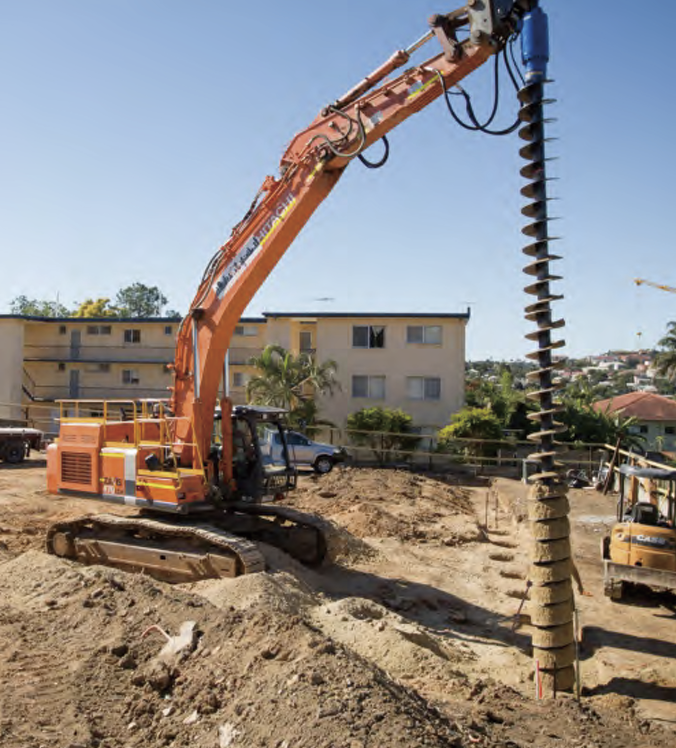
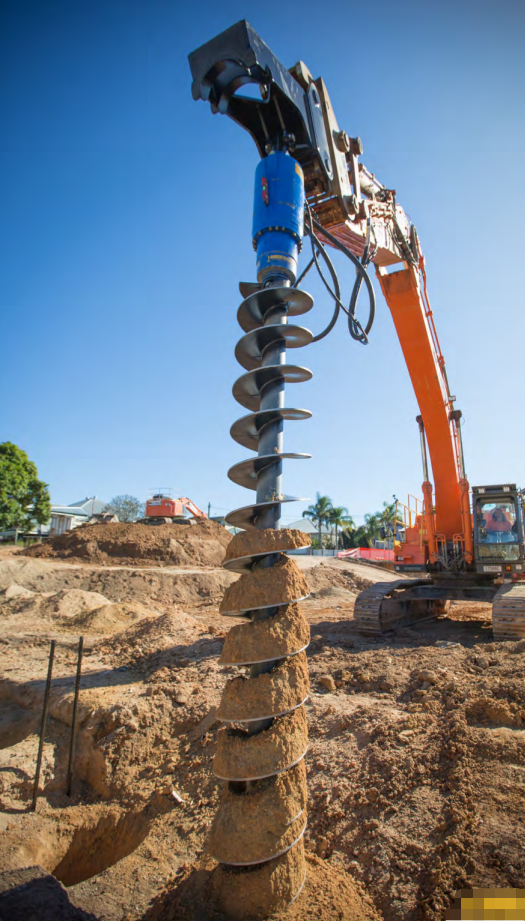
An auger is a drilling tool with a blade called a flight that cuts into the ground and moves soil out as it turns. In construction, augers are often used to make holes for foundation work and other ground-drilling tasks.
The word drill has a broader meaning. It can refer to a drilling tool, a drill bit, a drilling machine, or the process of making a hole. That is why an auger and a drill are not always two directly comparable pieces of equipment.
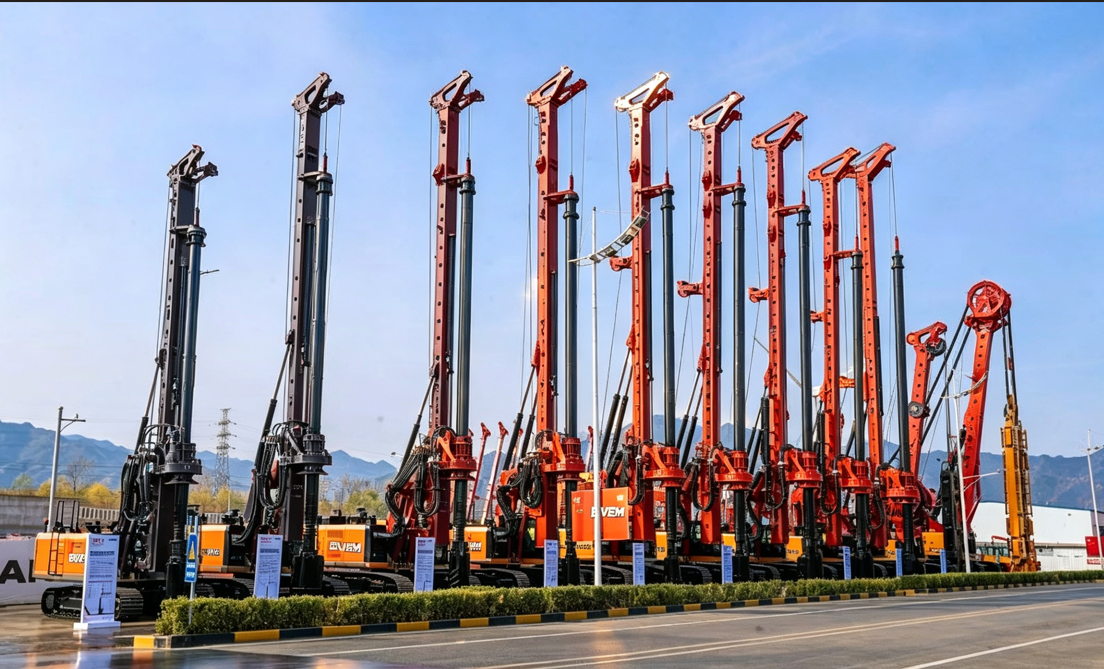
A piling rig is a machine used for foundation piling. Depending on its design, it provides the power and torque needed to operate an auger or other drilling tools. The auger cuts into the ground, while the piling rig drives and controls the drilling tool.
Auger vs. Drill: What Are the Key Differences?
An auger is a specific drilling tool designed to cut into the ground and remove soil. The term “drill” is broader and may refer to a drilling machine, a drill bit, or a drilling method. When comparing an auger with other drilling tools, you should consider how they penetrate the ground, remove excavated material, and perform under different ground conditions.
| Feature | Auger Drilling | Other Drilling Tools |
| Working principle | Rotating cutting edges loosen the ground | Tools may cut, crush, or core the material |
| Soil removal | Spiral flights carry soil out of the hole | Drilling buckets collect and lift soil; core barrels cut and retain core material |
| Suitable ground | Commonly used in soil, clay, and some compacted or mixed ground, depending on the auger design | Specialized tools can handle certain hard rock formations and other challenging conditions |
| Work sequence | The auger may need to be withdrawn to discharge soil | Tools may need to be lifted, emptied, or used with other material-removal systems |
| Typical applications | Foundation holes, piling, and other ground-drilling work | Bored piling, rock drilling, and core sampling, depending on the tool |
How Do Augers and Other Drilling Tools Work Differently?
An auger uses cutting edges to loosen the ground and spiral flights to transport soil toward the surface. Depending on the hole depth and auger design, you may need to withdraw the tool periodically to discharge the excavated material.
Other tools use different methods. A drilling bucket collects soil inside the bucket and lifts it out of the hole. A core barrel cuts around a section of material and may retain a core sample. These differences affect your drilling sequence and the time needed to remove excavated material.
Neither approach is always more efficient. To estimate productivity, you need to consider ground conditions, hole dimensions, machine capacity, and the time required to complete each drilling cycle.
Which Tool Is Suitable for Different Ground Conditions?
Standard soil augers are commonly used in clay, silt, sand, and other soils. If your project involves compacted ground, gravel, or weathered rock, an auger with suitable cutting teeth may still work effectively.
However, loose gravel, fractured rock, and solid rock present different challenges. A rock auger may handle some difficult ground, while continuous hard rock may require specialized drilling tools. If you are working in loose or water-bearing soils, you may also need casing or slurry support to maintain hole stability.
How Do These Differences Affect Construction Applications?
Augers are suitable for many foundation applications that require repeated holes in soil. Other tools may be more appropriate when your project requires a different excavation or material-removal process. For example, drilling buckets are commonly used in bored piling, while core barrels are used for specific cutting and coring tasks.
You should also distinguish between a drilling tool and a drilling method. Rotary drilling is a method that can use an auger or other compatible tools. Continuous flight auger (CFA) piling is a specific construction method in which the auger remains in the ground during drilling and is gradually withdrawn as concrete is pumped through its hollow stem.
Before choosing your equipment, consider your ground conditions, required hole dimensions, and construction method to determine which drilling tool best suits your project.
When Should You Choose an Auger for Construction?
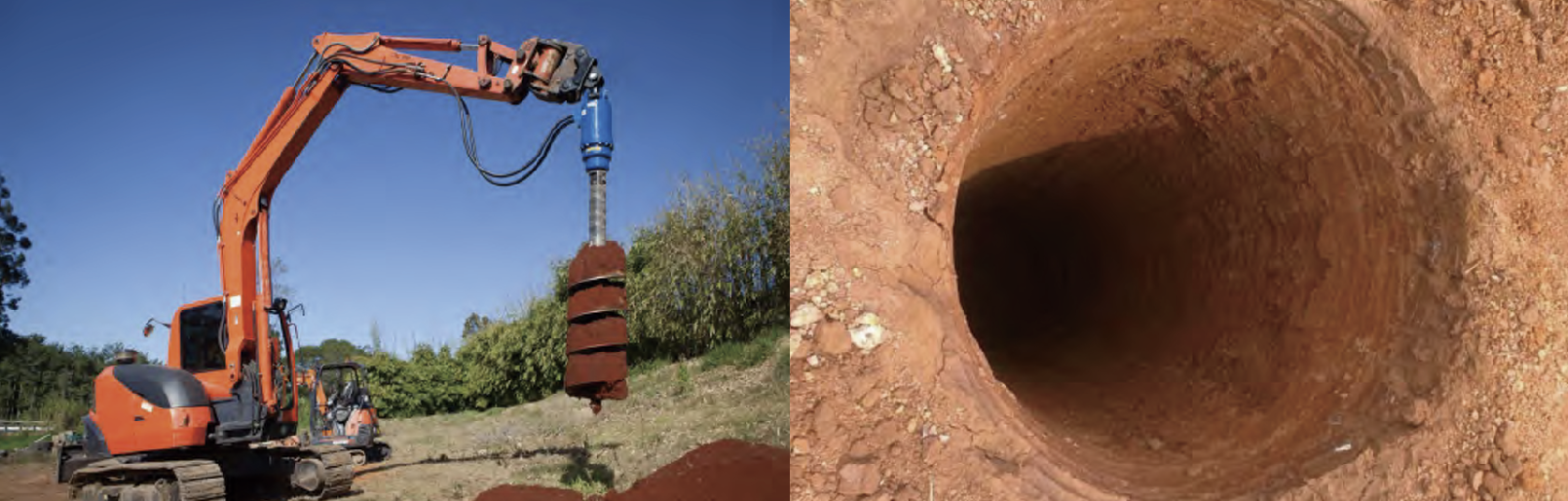
An auger can be a practical choice when your project requires drilled holes for foundations, piles or other ground construction work. Instead of assuming an auger is always the best option, you should match it to the site conditions and construction requirements.
Ground conditions are one of the first factors to consider. Augers are commonly used for soil drilling, but their performance depends on the soil type and auger design. If the ground contains dense gravel, cobbles or hard layers, drilling may become slower and tool wear may increase.
Hole size also affects your choice. Larger or deeper holes may place greater demands on the drilling equipment. Before choosing an auger, you should check whether it can achieve the required hole dimensions under the expected ground conditions.
Groundwater and hole stability are equally important. In stable ground, the hole may remain open without additional support. In loose or water-bearing soils, however, the hole may become unstable during construction. Depending on the site conditions, you may need casing or slurry support to help maintain hole stability.
An auger is worth considering when the ground conditions, hole requirements and construction method are compatible. Checking these factors early can help you avoid delays and select equipment suited to the job.
When Should You Consider Other Drilling Methods?
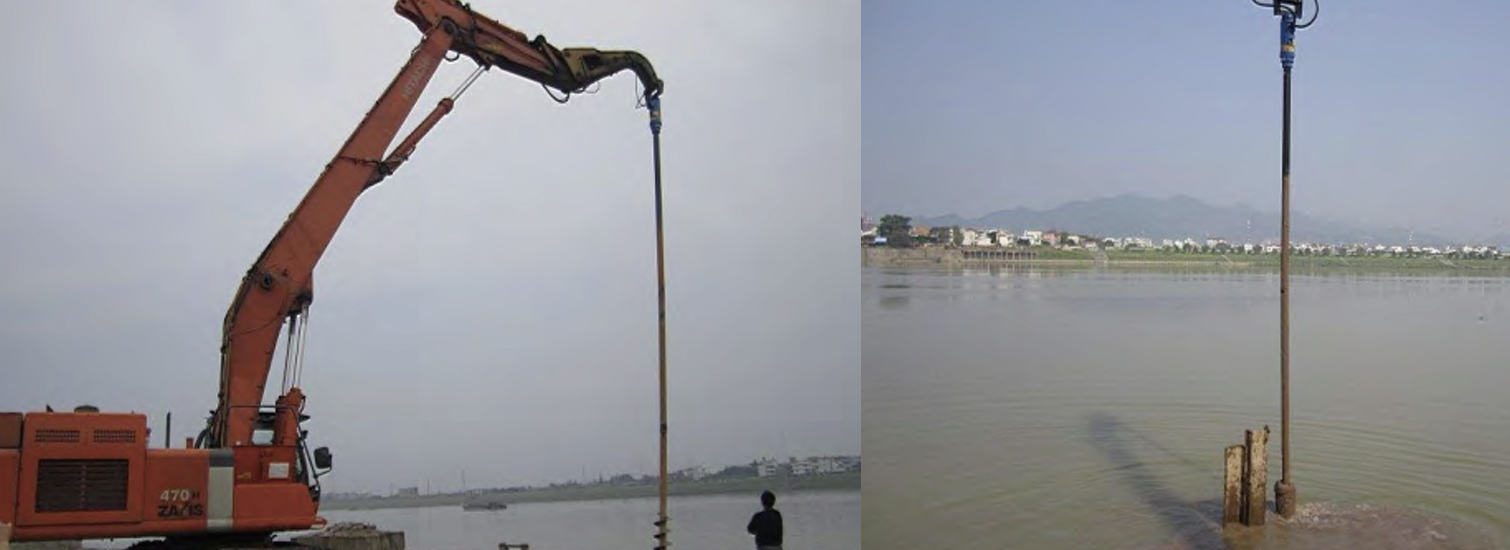
Some projects may require a different drilling approach rather than a standard auger setup. If the ground contains large cobbles, dense gravel or hard formations, you may need to consider other drilling methods that are better suited to those conditions.
Your choice also depends on how the ground material can be excavated and removed. Under certain conditions, another drilling tool may be more suitable than an auger. Projects involving loose or water-bearing ground may also require a drilling method that can work with casing or slurry support.
You should consider the overall construction requirements, not just the drilling tool. The most suitable method depends on the ground conditions, required hole dimensions and planned construction sequence. Once you have identified these requirements, you can compare specific tools, such as augers, drilling buckets and core barrels, to understand which options are more suitable for your project.
How to Choose the Right Auger and Piling Rig
Once you’ve chosen a drilling method, the next step is to confirm the equipment setup before placing your order. A few simple checks can help you avoid compatibility issues and unexpected costs after the equipment arrives.
Confirm the Connection Details
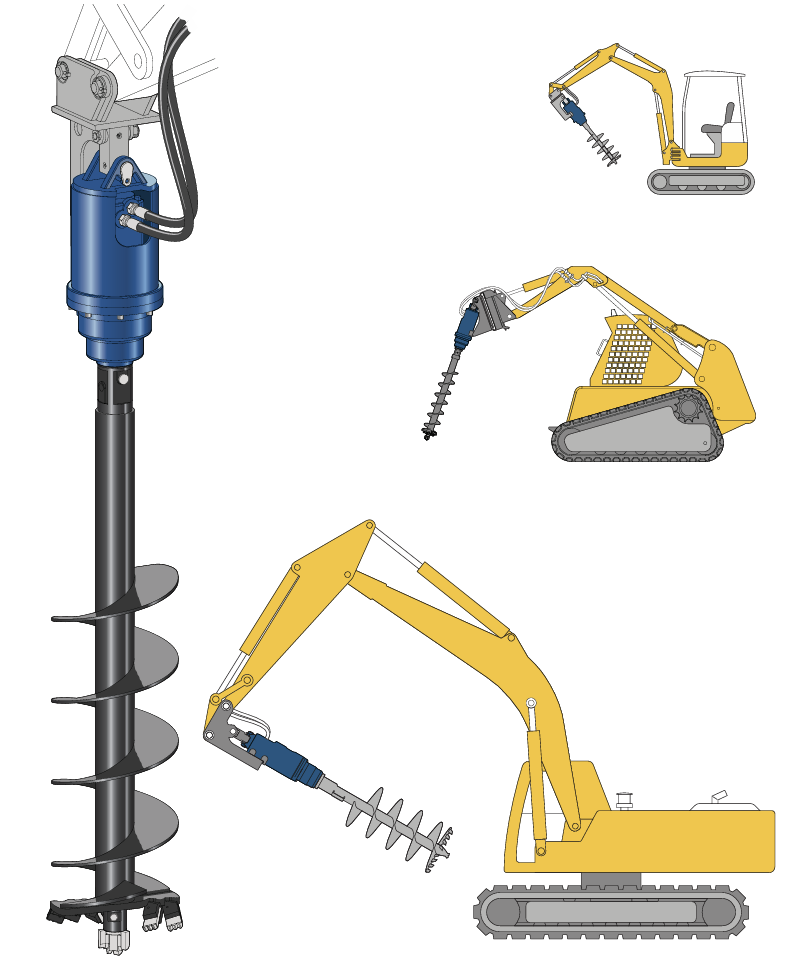
If you’re using an existing piling rig or excavator, tell the supplier your machine model and how the auger connects to it. Check the shaft dimensions, drive connection and mounting arrangement. Don’t assume that two augers with similar dimensions will fit the same machine.
Check the Complete Equipment Configuration
Ask exactly what is included in the quotation. Depending on your needs, the package may include the auger, drive unit, extension rods, connection adapters or other accessories. Confirm which components are included and which must be purchased separately. This makes it easier to compare quotations fairly.
Review Wear Parts and Maintenance Support
Parts such as cutting teeth wear out and need to be replaced during use. Before choosing a supplier, check whether replacement parts are available and how to order them. You should also ask about maintenance guidance and technical support, especially if your equipment will be used at a remote jobsite.
Consider Delivery and After-Sales Support
If you’re buying from overseas, ask about the delivery schedule, packaging and shipping terms. Also, find out what support the supplier provides for installation, troubleshooting and spare parts after delivery. These factors can affect your project timeline and ongoing operating costs.
Before requesting a quotation, prepare your machine model, connection details, required accessories and delivery location. If you’re buying a piling rig and auger together, ask the supplier to confirm that the complete equipment setup suits your intended application. This gives you a clearer basis for comparing suppliers and making an informed purchasing decision.
Frequently Asked Questions
What Is the Difference Between an Auger and a Vibro Hammer?
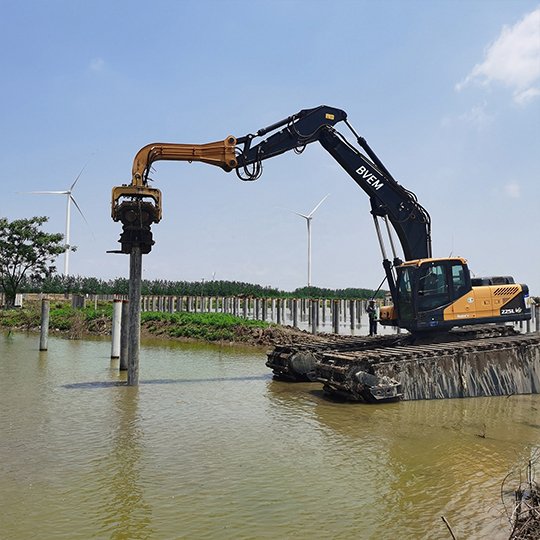
An auger and a vibro hammer serve different purposes in foundation construction. An auger is used to drill holes, while a vibro hammer uses vibration to drive or extract piles. Although both are used in foundation work, they perform different tasks and cannot directly replace each other. If your project involves both bored foundations and pile installation, you may need different equipment for each task. The construction method and foundation design should guide your equipment selection.
Can an Auger Be Used for Ground Improvement?
An auger can be used for some ground improvement applications, depending on the construction method and project requirements. However, auger drilling and vibro compaction are different processes. A vibroflot is commonly used to improve suitable granular soils, while an auger forms holes by cutting and removing soil. If your project requires improved soil strength or reduced settlement, you should identify the appropriate ground improvement method before selecting equipment.
What Types of Augers Are Used in Construction?
Construction augers come in different designs for different applications, such as drilling holes and constructing piles. Soil augers are commonly used in soil, while rock augers have cutting components designed for harder ground. Continuous flight augers (CFA) are used in CFA piling, where the auger remains in the ground during drilling and concrete placement. When choosing an auger type, consider your construction method and the tool design to find an option that suits your project.
How Can You Extend the Service Life of a Construction Auger?
Regular inspection and maintenance can help extend your auger’s service life. Before operation, check the cutting teeth, pilot bit, flights and connections for wear or damage. Replace worn or missing teeth when needed, and remove soil buildup that could affect drilling performance. You should also follow the manufacturer’s maintenance instructions and avoid forcing the auger through obstructions. These steps can help reduce wear, prevent equipment damage and limit downtime on site.
Can an Auger Drill Through Rock?
An auger can drill through some partially weathered rock, but its performance depends on the ground conditions and the auger design. Standard soil augers are generally designed for softer soils, while rock augers have cutting components suited to harder materials. In solid rock or very hard formations, other drilling tools may be more suitable. Before choosing an auger, check the ground conditions and make sure the tool is designed for your application.
BVEM Auger | One-Stop Engineering Equipment Solutions
BVEM specializes in the R&D, manufacturing and after-sales support of construction augers. Our augers suit 0.75–50-ton machines and feature durable construction and patented tooth protection. With equipment supporting over 1,500 engineering projects worldwide, we also supply excavators, piling rigs, vibroflots, vibratory hammers and other machinery, providing you with one-stop solutions for diverse construction needs.
Contact BVEM with your machine model, ground conditions and drilling requirements to discuss a suitable auger configuration.