Rotary drilling rigs are the workhorse of deep foundation construction, and their on-site performance depends entirely on how well each component works together as an integrated system. From the rotary head to the cutting tools, every part directly impacts drilling efficiency, maximum depth, pile diameter capacity, and long-term reliability.
For contractors and project owners, understanding rotary drilling rig components and their functions is more than technical knowledge—it helps you compare equipment accurately, avoid overpaying for unused capabilities, and select a rig that matches your exact pile specifications and ground conditions.
As a foundation equipment manufacturer with over 50 years of industry experience, BVEM breaks down every key part of a rotary drilling rig, explains its core function, and shares practical selection criteria to help you make the right equipment decision.
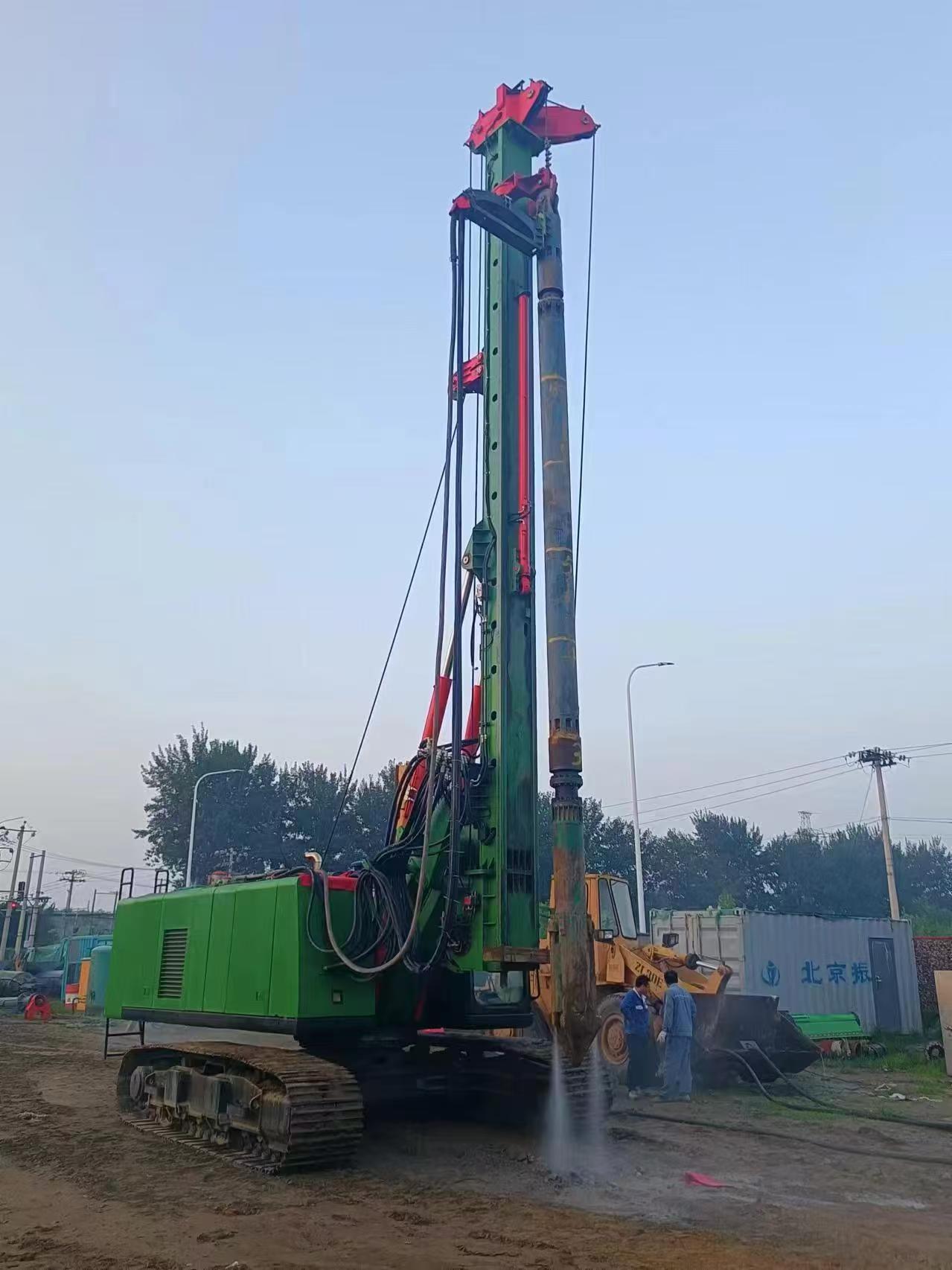
Core Components of a Rotary Drilling Rig
A rotary drilling rig is made up of mechanical, hydraulic, and control systems, with each one handling a different part of the drilling operation. Some components are directly involved in drilling and lifting, while others supply power, keep the machine stable, control its movement, or manage the drilling process.
| Component | Main Function |
| Rotary Head | Provides rotary torque and speed |
| Kelly Bar | Transfers torque and drilling force |
| Crowd System | Pushes the drilling tool into the ground |
| Main Winch | Raises and lowers drilling tools |
| Mast | Supports and guides the working equipment |
| Hydraulic System | Supplies power to the main working functions |
| Engine | Provides the main power source |
| Drilling Tools | Cut and remove soil or rock |
| Undercarriage | Allows the rig to move and stay stable |
| Control System | Monitors and controls machine operation |
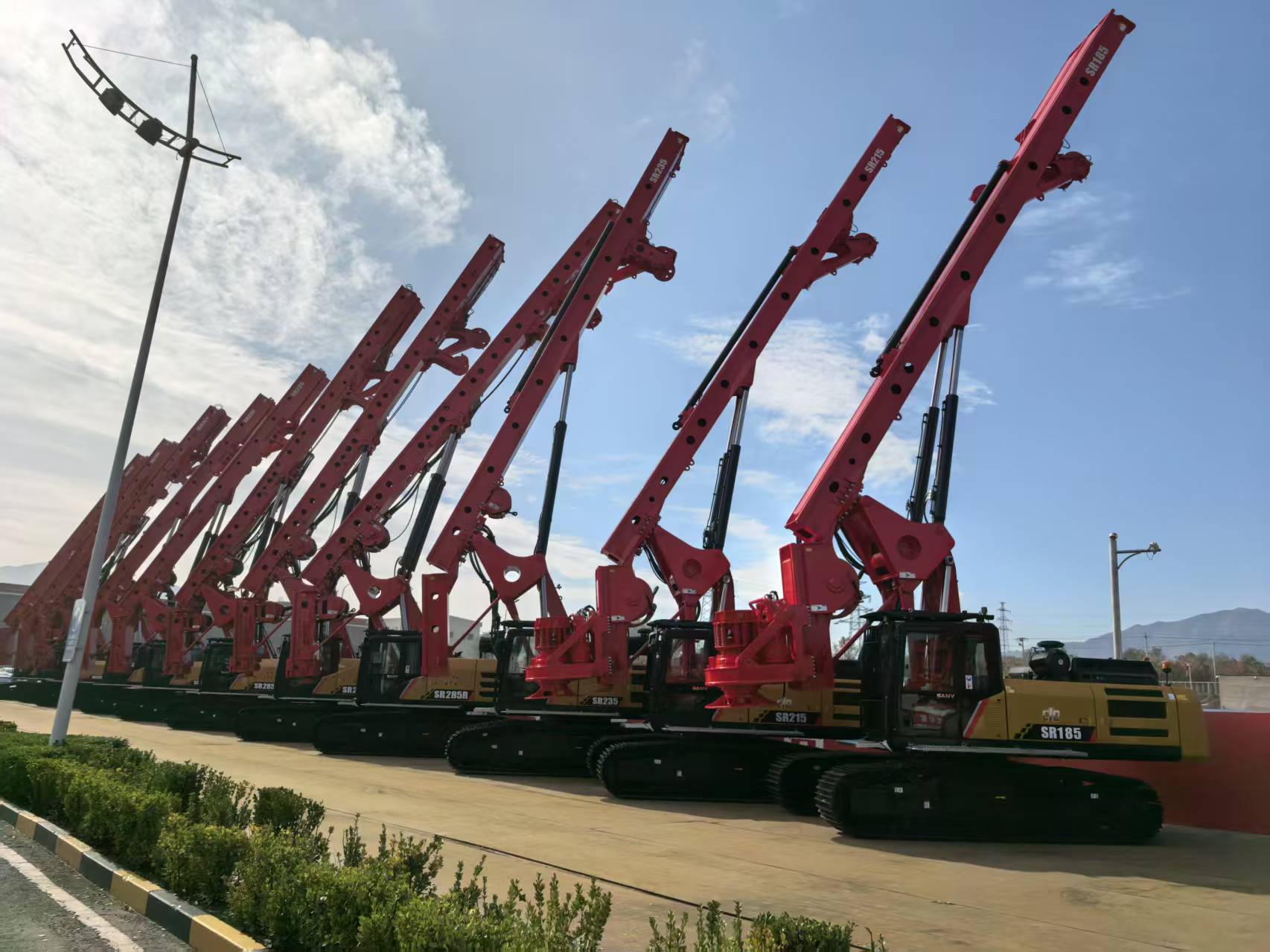
What Does Each Rotary Drilling Rig Component Do?
Rotary Head
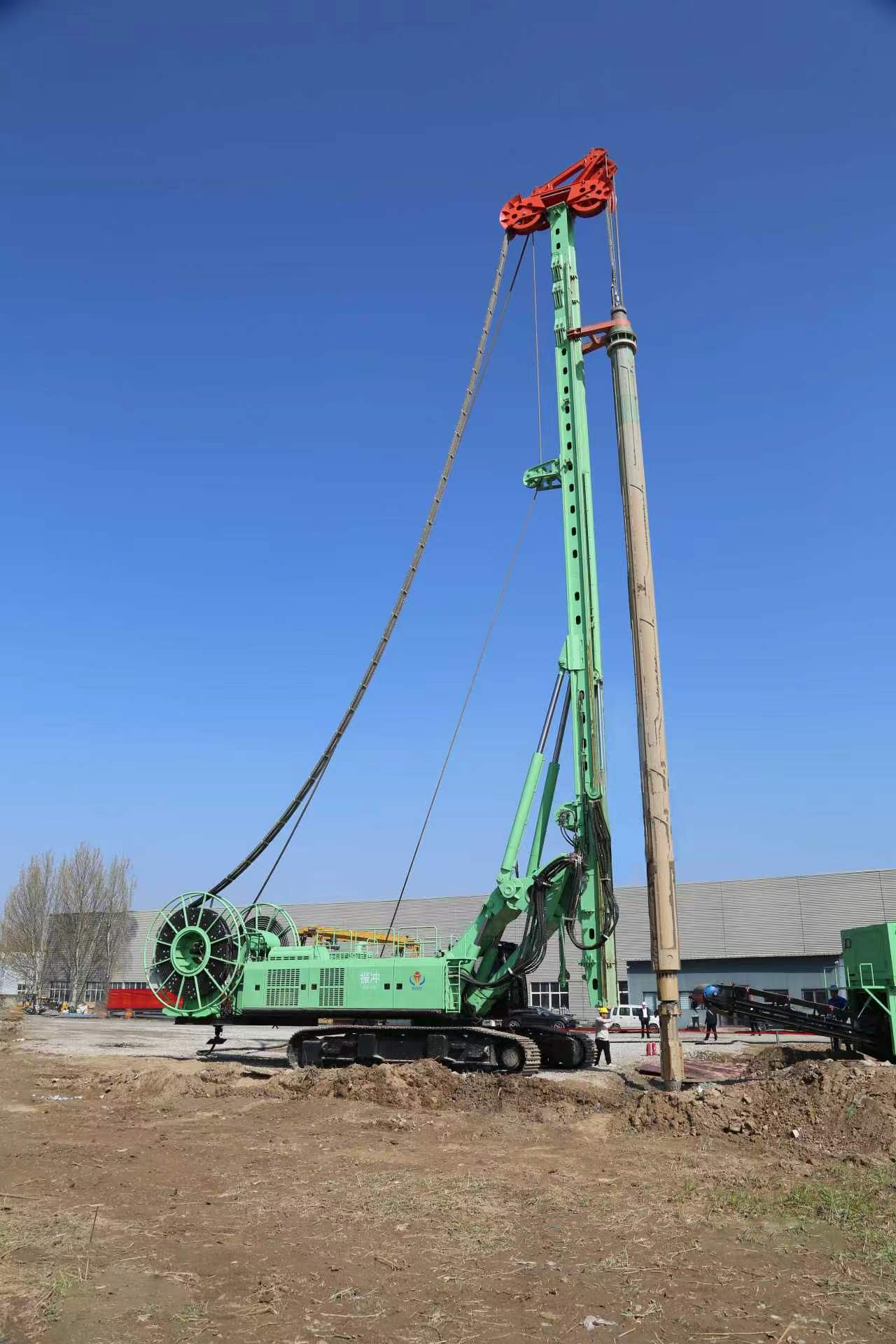
The rotary head drives the drilling tool and is responsible for producing the rotation needed for drilling. Hydraulic motors work with the gearbox to provide the required torque and control the rotation speed, which is then transferred through the Kelly bar to the drilling tool. Having the right balance of torque and speed becomes especially important when you are working in dense soil or rock. Its performance also depends on the Kelly bar, crowd force, drilling tools, and the ground conditions on site.
Kelly Bar
The Kelly bar connects the rotary head with the drilling tool. Its main job is to carry the rotary torque from the head down to the tool and transfer the downward force needed to push the tool into the ground. Since the Kelly bar is made up of telescopic sections, it can extend as the drilling tool goes deeper into the borehole.
Friction and interlocking Kelly bars are commonly used on rotary drilling rigs. When you look at a rig’s maximum drilling depth, however, Kelly bar length is only one factor to consider. You also need to match the bar sections and torque capacity with the mast, winch, drilling tool, pile diameter, and the ground conditions at your site.
Crowd System
The crowd system applies downward pressure to the drilling tool as it works through the ground. This helps keep the tool in contact with the formation and gives it enough force to keep penetrating instead of just rotating in place. Crowd force, stroke length, and operating speed can all affect drilling performance, especially in dense soil, gravel, or harder ground. The amount of force required also varies with the type of drilling tool you use and the ground conditions on site.
Main Winch
The main winch is used to raise and lower the Kelly bar and drilling tools during operation. When you are comparing rigs, pay attention to the winch’s line pull, lifting speed, and wire rope length. Line pull affects how much weight the winch can lift, while lifting speed can have an impact on the time needed for each drilling cycle. You also need enough rope for the required drilling depth and Kelly bar configuration, particularly when you are working on deeper foundation projects.
Mast
The mast supports the rotary head, Kelly bar, and crowd system while the rig is working. It keeps these components in the correct position during drilling and takes the loads produced during operation. The mast’s size and design also have a bearing on the rig’s working height and overall stability. If you are working in an area with limited headroom or difficult site access, make sure you check the mast dimensions before selecting a rig.
Hydraulic System
The hydraulic system provides the power needed to run many of the rig’s working functions. Hydraulic pumps move oil through valves and hoses to the motors and cylinders that drive the rotary head, winch, crowd system, and crawler. When you compare different rigs, you should pay attention to both hydraulic pressure and flow rate. The pressure required by each function is mainly related to the force or torque it needs, while flow rate has more to do with operating speed. You need enough pressure and flow for each function to work properly, especially when several functions are operating at the same time.
Engine / Power System
The engine provides the main power for the rig. It drives the hydraulic pumps, which send power to the different working systems through the hydraulic circuit. In simple terms, the power flows from the engine to the hydraulic pumps, then through the hydraulic system to the working components.
You also need to consider how the rig will be powered throughout the project. For projects with variable loads or long operating hours, a hybrid generator can also be used as part of the site power system. It can reduce unnecessary generator runtime and make better use of available energy.
Drilling Tools
Drilling tools are the parts that do the actual cutting and removal of soil or rock. Depending on the ground you are working in, you may need a drilling bucket, rock bucket, auger, core barrel, or another specialized tool. When selecting a tool, make sure it suits the ground conditions and is compatible with the rig’s available torque, crowd force, and required pile diameter.
Undercarriage
The undercarriage supports the rig and provides the crawler system that allows it to move around the jobsite. It usually consists of crawler tracks, travel motors, and a track frame. Its job is not just to move the machine. The undercarriage also affects how the rig bears on the ground and how stable it remains while drilling.
If you are working on soft or uneven ground, mobility is only part of the picture. You should also look at ground pressure, machine weight, and how much working space is available at the site.
Electrical and Control System
The electrical and control system gives you a clear view of what is happening with the machine during operation. Sensors and displays provide information on engine and hydraulic conditions, and alarms can alert you when something needs to be checked. The system also controls key functions such as rotary movement, winch operation, crowd movement, and crawler travel.
Although it is not a drilling component in the same way as the rotary head or drilling tool, the control system still plays an important role on site. It helps you operate the rig and keep track of its working condition while drilling.
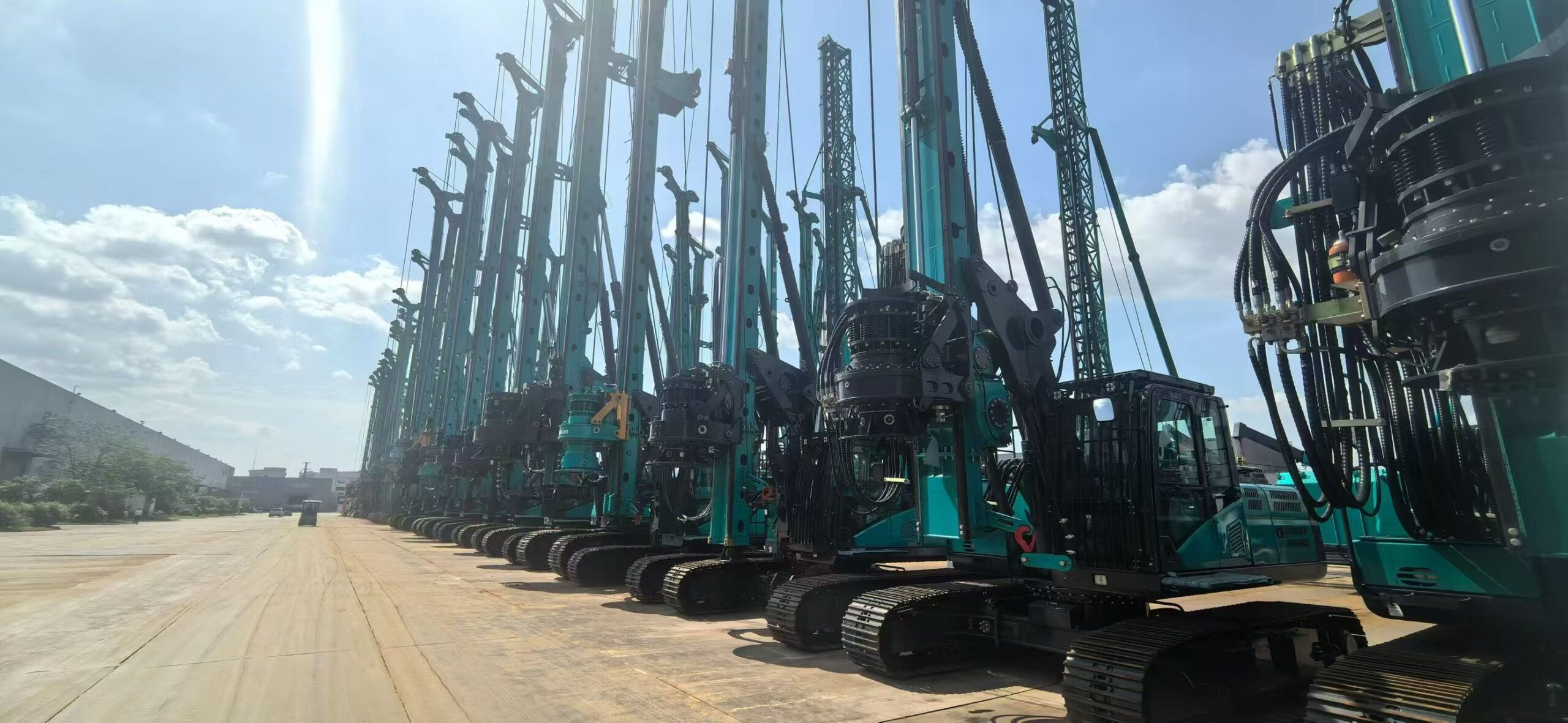
How Do You Choose the Right Rotary Drilling Rig Configuration?
When you choose a rotary drilling rig, start with what your project actually requires rather than focusing on the machine’s maximum specifications. More torque or a greater drilling depth does not always mean a better rig. What matters is whether the rig’s overall configuration suits your pile design and the conditions you will face on site.
Pile Diameter
Start by looking at the pile diameter you need to drill. The drilling tools must be suitable for that diameter, and the rotary head and crowd system need enough capacity to handle the tool and the ground conditions. Large-diameter tools also put more load on the rig, so you should pay attention to stability during operation. Check that the undercarriage, mast, and counterweight can provide enough support for the drilling work you plan to carry out.
Drilling Depth
For deeper piles, look at the complete drilling setup. Kelly bar length and type, mast configuration, and main winch capacity all need to suit the required depth. The weight of the drilling tool also matters, particularly when you are working with deep or large-diameter piles.
Ground Conditions
With loose soil, you can usually use a suitable drilling bucket together with an appropriate rotation speed to remove the material efficiently. When drilling in sand, pay attention to the bucket design and capacity, but also make sure the rig remains stable during drilling and lifting.
Gravel and harder formations may require more torque and crowd force. In these conditions, the Kelly bar and drilling tools also need to be suitable for the work. If you are drilling into hard rock, you may need a high-torque rotary head, enough crowd force, and rock drilling tools designed for the specific formation.
In the end, you should match the rig and drilling tools to the actual ground conditions rather than choosing a machine simply because it has a higher torque rating.
Productivity Requirements
If you need to complete a large number of piles within a limited schedule, look beyond the rig’s maximum drilling depth or torque. The main factors affecting daily output include drilling speed, drilling tool capacity, winch speed, and the time needed to lift, empty, and reposition the tool.
For example, a suitable bucket capacity can reduce the number of drilling cycles needed to remove the required amount of soil, while adequate winch speed can shorten the time between drilling cycles. When comparing rigs, consider the complete drilling cycle rather than a single specification.
A machine with slightly lower peak specifications can still achieve better productivity if its rotary head, winch, drilling tools, and overall configuration are well matched to the pile size and ground conditions.
Site and Transport Conditions
Finally, check the working environment. Available space, access conditions, ground bearing capacity, transport dimensions, machine weight, and working height can all affect whether a rig is practical for your project.
In short, choose the rig as a complete system. Your pile diameter, drilling depth, ground conditions, productivity target, and site conditions should determine the configuration—not simply the highest specification.
Related Foundation Construction Equipment
Rotary drilling is only one of several methods used in foundation construction. Depending on the pile type, ground conditions, and installation method, contractors may also use vibro hammers for driving or extracting sheet piles, casings, and other pile elements. For ground improvement projects, vibroflots can be used to densify suitable granular soils, while diaphragm wall grabs and trench cutters are commonly used for diaphragm wall construction.
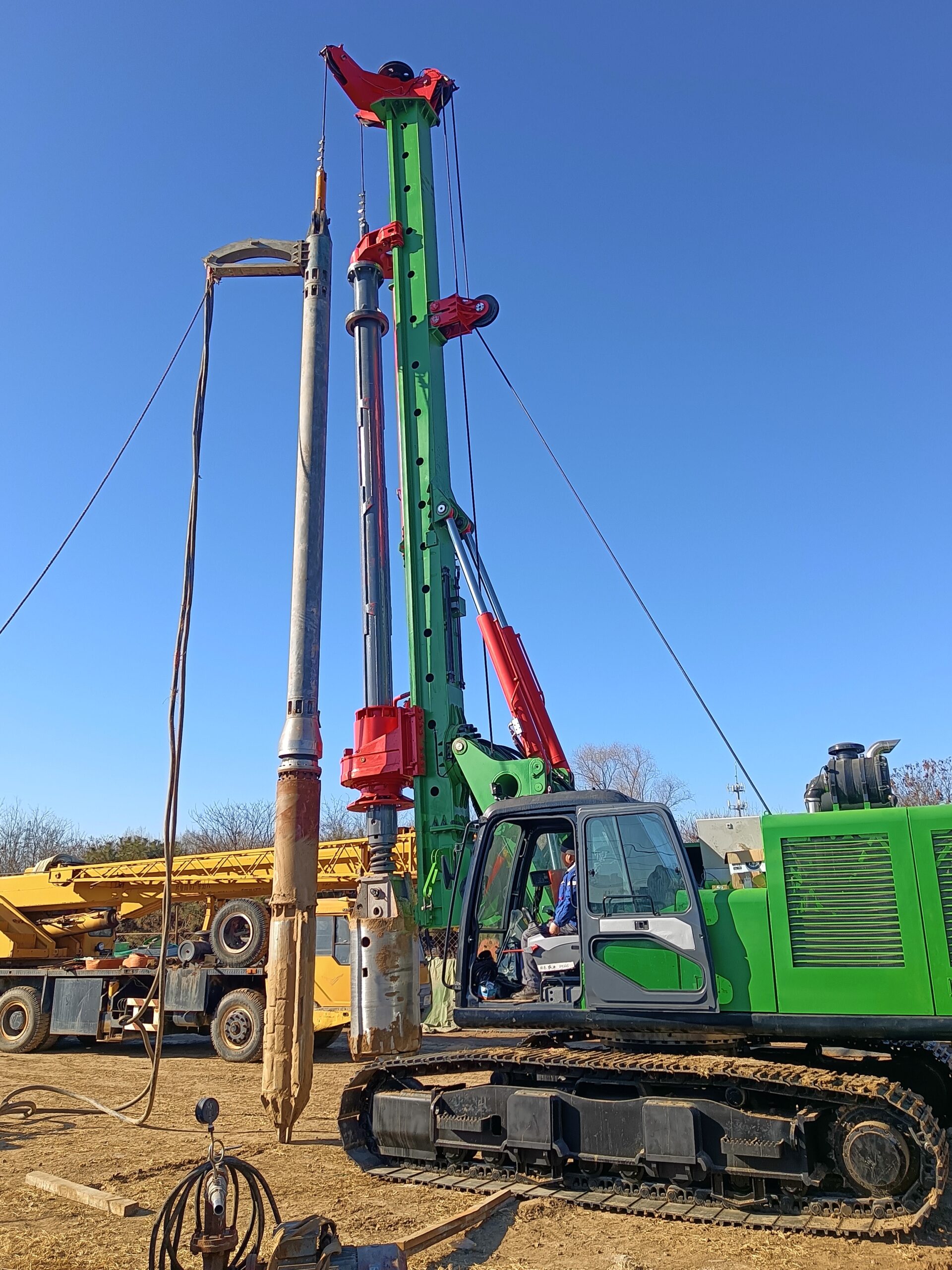
How Do You Maintain Rotary Drilling Rig Components?
Good rotary drilling rig maintenance helps prevent minor issues from causing downtime. The required checks depend on the rig’s operating hours, ground conditions, and workload.
Daily Checks
Check the levels and condition of hydraulic oil, engine oil, and coolant, and look around the machine for fresh leaks.
You should also look over the hydraulic hoses and connections for damage, loose fittings, or oil marks. The wire rope deserves a quick visual check for broken wires or obvious damage.
Before drilling, take a look at the Kelly bar and drilling tools as well. Excessive wear, cracks, or damaged teeth should not be ignored. While the rig is running, pay attention to anything unusual, such as new noise, vibration, or leakage.
Regular Maintenance
Daily checks are only the first step. At the service intervals recommended for your rig, inspect the rotary head, hydraulic pumps and motors, winch, and other key components more closely. Filters and working fluids should be serviced according to the manufacturer’s requirements rather than simply waiting for a performance problem.
The crawler system should also be checked regularly, particularly when the rig works on rough or uneven sites. Keeping an eye on track components can help you identify excessive wear before it affects machine movement or site operation.
Wear Parts
Some parts naturally wear faster than others during drilling. Common examples include drilling teeth, wire rope, seals, hydraulic hoses, Kelly bar wear components, and track components.
Wear does not happen at the same rate on every project. Hard or abrasive ground, long working hours, poor operating practices, and heavy drilling loads can all increase wear. You should therefore judge these parts by their actual condition rather than relying only on a fixed replacement period.
FAQ
How Do These Components Work Together?
The major components of a rotary drilling rig work together as one system. The engine powers the hydraulic pumps, which supply power to the rotary head, crowd system, and winch. The rotary head turns the Kelly bar and drilling tool, while the crowd system provides downward force to help the tool penetrate the ground. The winch raises and lowers the drilling assembly, and the mast keeps it aligned during operation. The undercarriage provides mobility and stability, while the drilling tool cuts and removes soil or rock.
What Information Should You Provide When Selecting a Rig?
If you need help selecting a rotary drilling rig, provide the following information:
- Required pile diameter
- Maximum drilling depth
- Soil or rock conditions
- Expected number of piles
- Available working area
- Transport or headroom restrictions
Other requirements, such as the drilling method and productivity target, can also be helpful. This information allows the supplier to assess the required torque, Kelly bar, drilling tools, winch capacity, and overall rig configuration.
Can One Rotary Drilling Rig Handle Different Pile Diameters?
Depending on the drilling tools and the working range, a rig can work on more than one pile diameter in many cases. Larger pile sizes may require more torque, crowd force and lifting capacity. If your project uses several pile sizes, check the tooling available and the rig’s working range before you choose a model.
What Is the Difference Between a Friction and Interlocking Kelly Bar?
The main difference is in the way the sections transfer torque and drilling force. A friction Kelly bar transmits force through friction between the telescoping sections. An interlocking Kelly bar transmits higher forces through mechanical interlocking between sections. The choice will depend on drilling depth, torque, crowd force and ground conditions required.
Can a Rotary Drilling Rig Be Used in Confined or Low-Headroom Sites?
Rotary drilling rigs can be set up for limited working areas, but this depends on the design of the machine. Before you take a rig to a confined site, check the overall machine height, mast configuration, transport dimensions and working radius. Projects with limited overhead space, such as working under existing structures or in urban areas, can benefit from low-clearance configurations. Always check the rig dimensions against the actual access and headroom available on your site.
What Should You Consider When Transporting a Rotary Drilling Rig?
Transportation can have a direct impact on both project costs and the time needed to move a drilling rig from one site to another. Before arranging transport, you should check the rig’s overall size, operating weight, and transport height. Find out whether the mast or other components need to be folded down or removed for shipment. You also need to consider road restrictions, loading equipment, and access to the jobsite. A rig may offer good drilling performance, but if you need extra equipment or a lot of time to mobilize it, it may not be the most practical choice for projects where you move the machine between different sites.
How Do I Choose the Right Rotary Drilling Rig Model?
The right model will depend on the pile diameter and drilling depth you need, as well as the ground conditions and overall workload of the project. For instance, the BVEM40 has a maximum torque of 40 kN·m and can drill to depths of up to 15 m. If you need more torque or greater drilling depth, models such as the BVEM245, BVEM280, BVEM360, and BVEM405 may be more suitable. You can share your pile requirements, ground conditions, and other project details with BVEM, and the team can help assess the appropriate rig model and configuration for your actual working conditions.
Partner with BVEM for Tailored Foundation Equipment
BVEM is a leading manufacturer of foundation construction equipment with over 50 years of industry experience. We design and build rotary piling rigs for every project scale, from compact urban models to heavy-duty infrastructure rigs.
Our support goes beyond equipment supply: we help with model selection, custom configuration, tooling packages, global delivery, and comprehensive after-sales service including genuine parts and technical support.
If you’re evaluating rotary drilling rigs for your next foundation project, our team can provide a free project assessment, recommend the optimal rig configuration, and provide a detailed, transparent quote.
Contact BVEM today to discuss your requirements and get a solution tailored to your exact project needs.