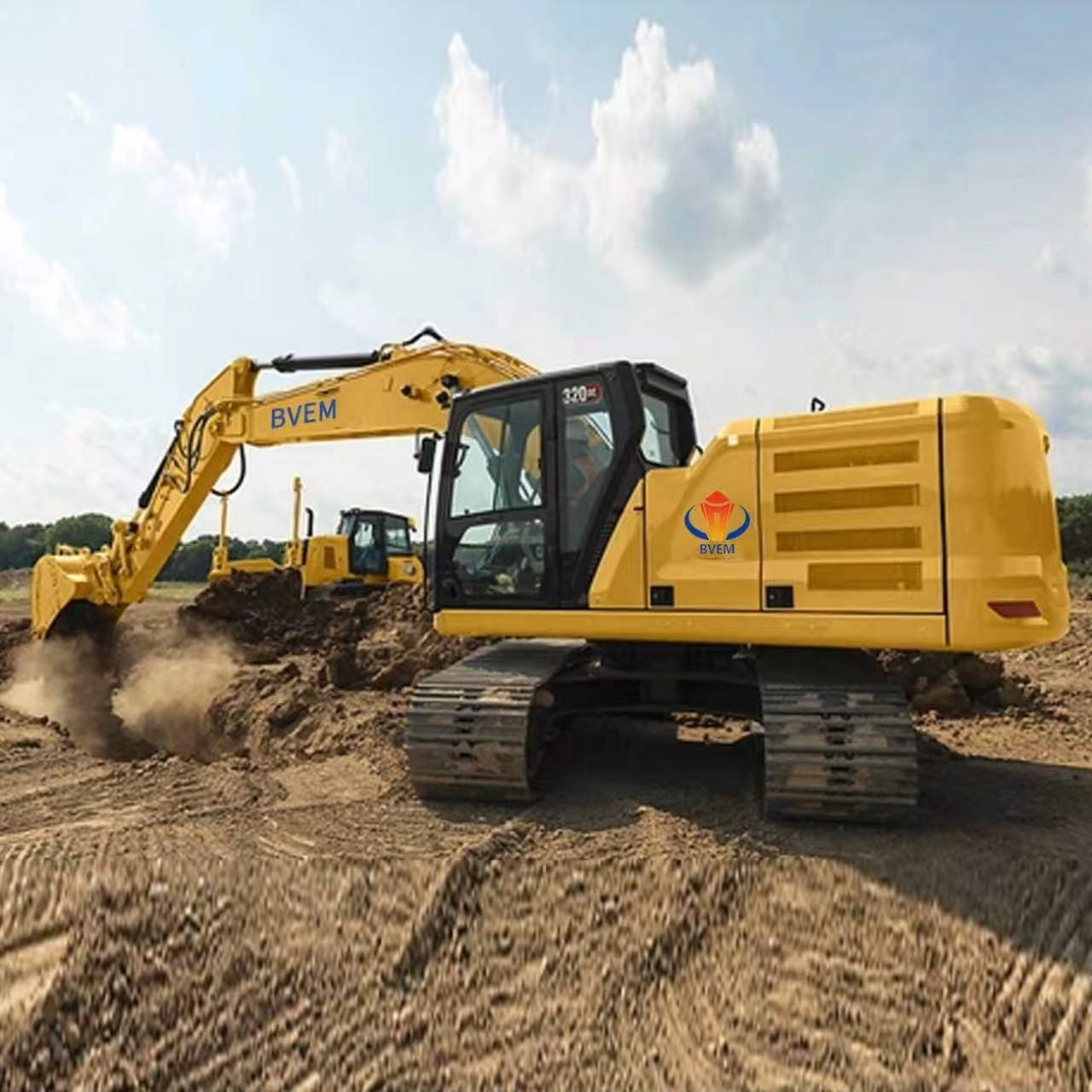
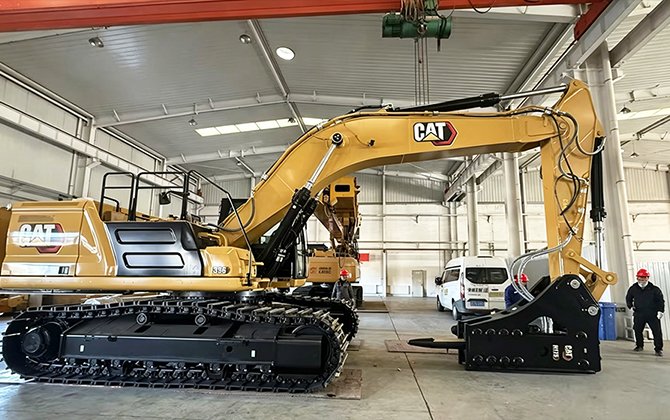
Choosing the right excavator can directly affect project efficiency, operating costs, and construction results. With different models designed for specific applications, understanding excavator types helps you select the right machine for your working conditions.
This article covers the main types of excavators, their advantages, and suitable applications to help you select the right machine for your project.
What Is an Excavator?
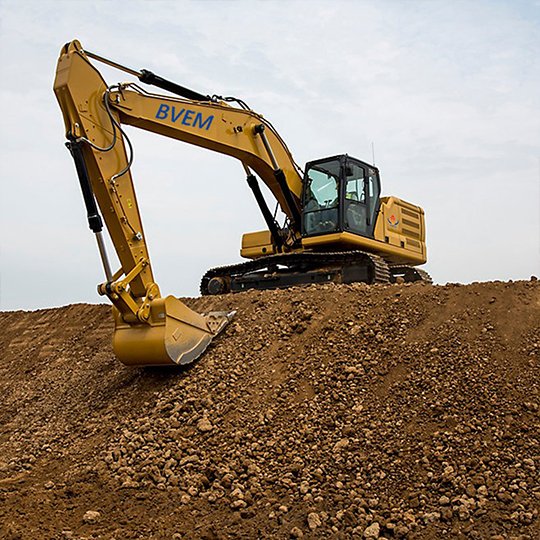
An excavator is a heavy-duty machine designed to perform digging, lifting, and material handling operations. It typically consists of a boom, arm, bucket, cab, and undercarriage, which can be configured with tracks or wheels based on different working conditions. By changing attachments and configurations, excavators can adapt to various tasks and job requirements.
Six Types of Excavator
Choosing the right excavator depends on your project conditions, including the working environment, site size, and required performance. Different excavator types are built for specific tasks, from heavy excavation and mining to compact work in restricted areas.
Crawler Excavator
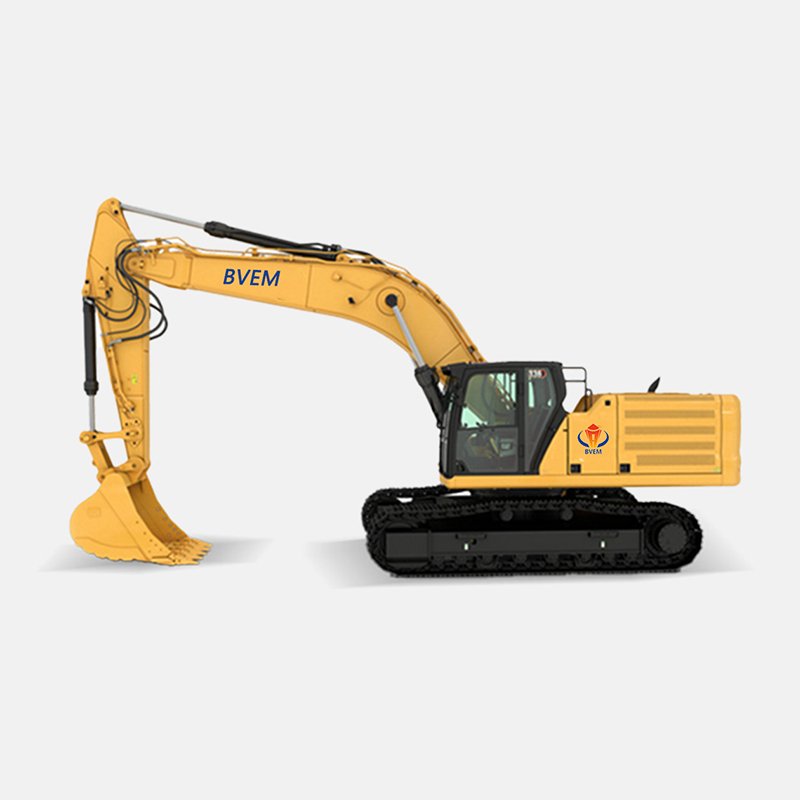
Crawler excavators are one of the most widely used excavator types in construction and heavy-duty applications. Equipped with crawler tracks instead of wheels, they provide excellent stability, traction, and digging performance on uneven, soft, or challenging terrain.
Key Features
- High stability and strong digging force
- Excellent traction on rough terrain
- Suitable for heavy excavation and demanding ground conditions
Common Applications
- Building construction
- Foundation excavation
- Mining operations
- Large-scale earthmoving projects
- Quarry and heavy excavation
Best Choice For
A crawler excavator is a good option when your project requires strong digging power and stable operation on difficult terrain.
Wheel Excavator
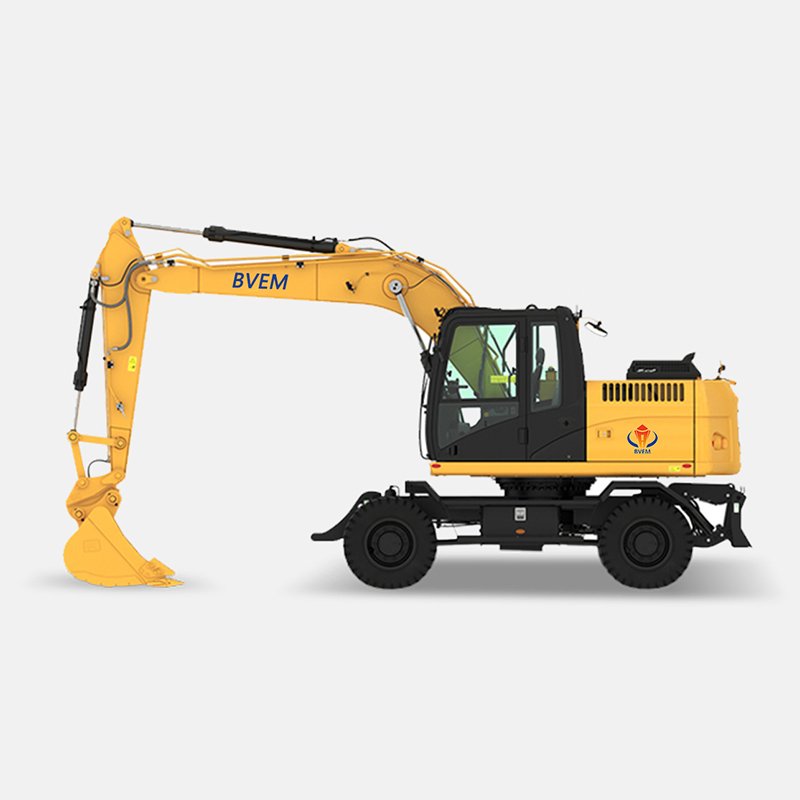
Wheel excavators are designed for projects where mobility and transportation efficiency are important. Unlike crawler excavators, they use wheels instead of tracks, allowing faster movement between job sites and better operation on paved surfaces such as concrete and asphalt. Their mobility makes them suitable for urban construction and projects that require frequent repositioning.
Key Features
- Can travel independently between job sites, reducing the need for transportation equipment
- Causes less damage to finished roads and paved surfaces
- Equipped with outriggers and optional blades to improve stability during operation
- Provides good maneuverability for roadwork and urban construction projects
Common Applications
- Urban construction
- Road maintenance
- Utility installation projects
- Municipal infrastructure projects
Best Choice For
If you need an excavator that can move quickly between job sites and work efficiently on paved surfaces, a wheel excavator is a practical choice. You should consider this type when mobility is more important than maximum digging force. It works well for urban construction and road maintenance, but it is less suitable for muddy ground, steep slopes, or extremely uneven terrain.
Mini Excavator
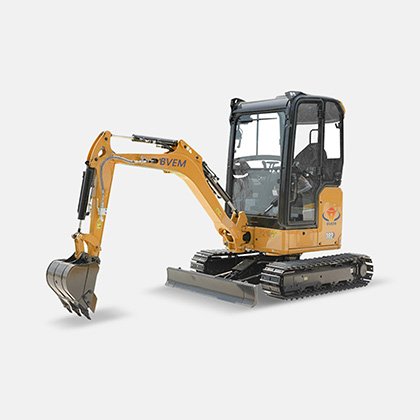
Mini excavators are a popular type of compact excavator designed for small-scale excavation and construction projects. Their compact size and low ground impact make them suitable for confined spaces and areas where larger excavators cannot operate efficiently.
Key Features
- Compact size and flexible operation in limited spaces
- Small tail swing radius for safer work near obstacles
- Reduced ground damage on sensitive surfaces
- Easy transportation and reduced operating costs
Common Applications
- Landscaping and garden projects
- Residential construction and renovation
- Small excavation and utility work
- Indoor and confined-space operations
Best Choice For
If you are working on small projects or sites with limited access, a mini excavator offers easy transportation, flexible operation, and efficient performance in areas where larger machines are difficult to use.
Long Reach Excavator
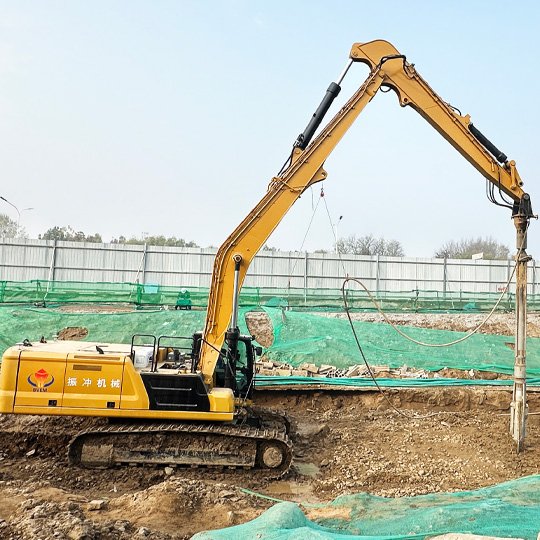
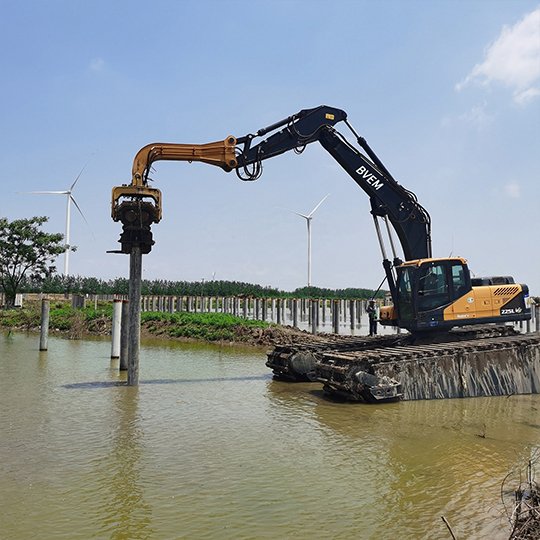
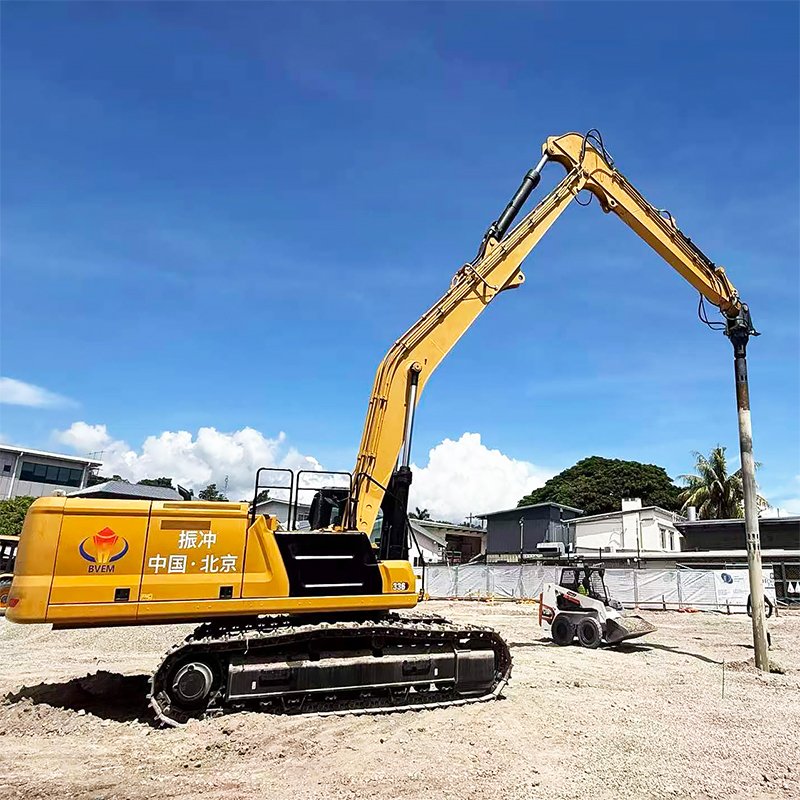
Long reach excavators are modified excavators equipped with extended booms and arms, allowing operators to reach deeper or farther areas from a stable working position. They are commonly used for projects where normal excavators cannot safely access the working area.
Key Features
- Extended boom and arm provide greater digging depth and horizontal reach
- Safer operation from a distance in deep, high, or water-side areas
- Supports different attachments for demolition, cutting, and excavation tasks
- Offers excellent reach but has lower lifting capacity and flexibility compared with standard excavators
Common Applications
- Building and bridge demolition
- River, lake, and waterfront excavation
- Dredging and underwater construction
- Deep excavation projects in hard-to-access areas
Best Choice For
If your project involves deep excavation, demolition, or work near water and other restricted areas, a long-reach excavator can help you complete tasks safely without moving the machine too close to the working zone.
Mining Excavator
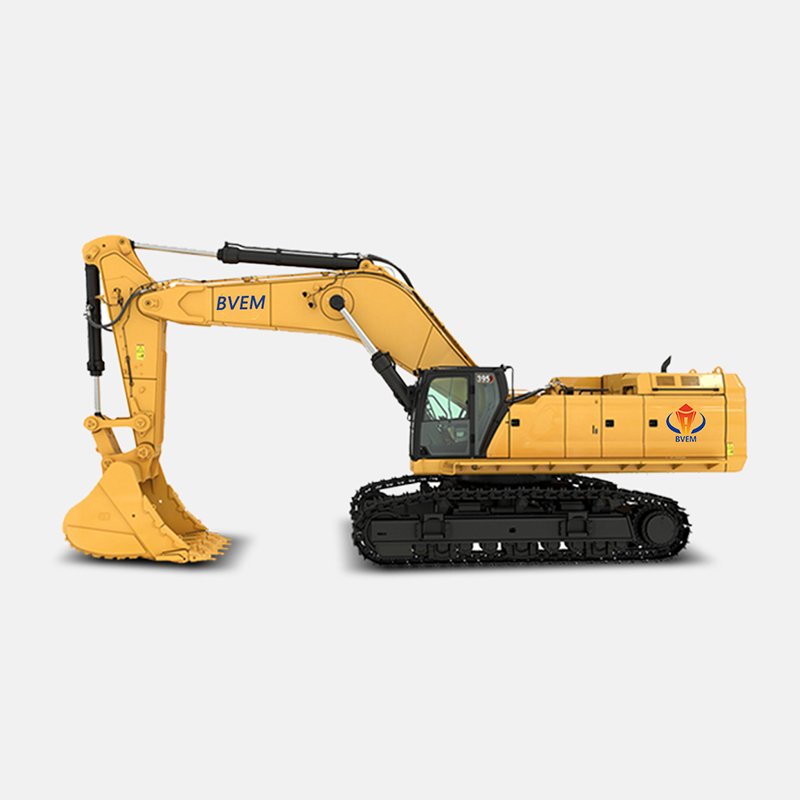
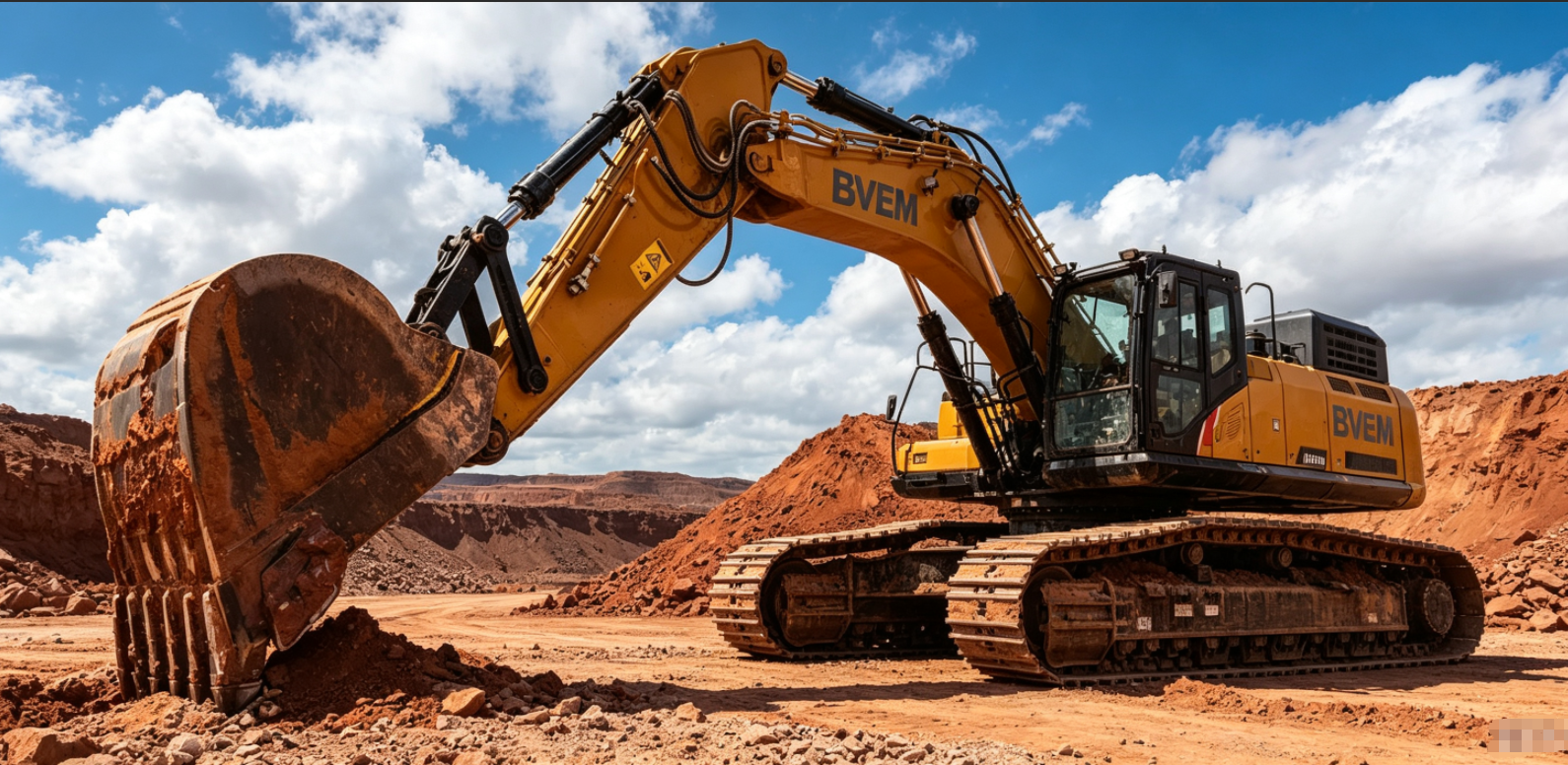
Mining excavators, also known as heavy excavators, are heavy-duty machines used in large mining and earthmoving operations. They are designed to handle high-volume excavation, material loading, and other demanding tasks in harsh working environments.
Key Features
- Powerful engines and hydraulic systems provide strong digging and lifting performance
- Large bucket capacity improves loading efficiency for mining and earthmoving projects
- Optimized hydraulic and control systems help improve operating efficiency
Common Applications
- Open-pit mining and quarry operations
- Rock excavation and material loading
- Large-scale earthmoving projects
- Infrastructure and heavy construction works
Best Choice For
If you are involved in mining, quarrying, or large excavation projects, a heavy excavator provides the power, durability, and productivity needed to handle large volumes of material in demanding conditions.
Demolition Excavator
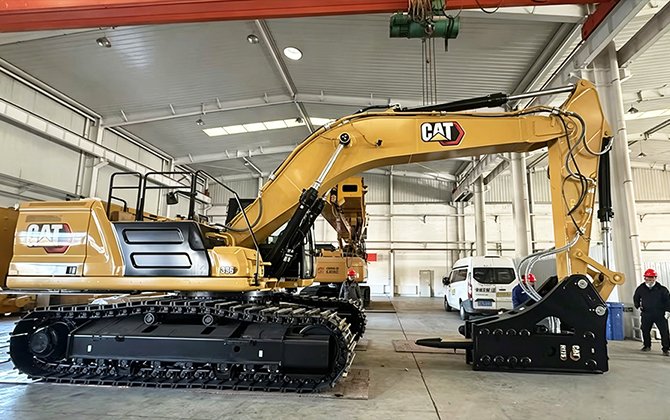
Demolition excavators are designed for challenging demolition work where strength, stability, and operator control are essential. With reinforced components and support for specialized attachments, they can perform reliably in demanding demolition conditions.
Key Features
- Reinforced structure for demanding demolition operations
- High-reach configuration for working on tall structures
- Compatible with demolition attachments such as breakers and crushers
Common Applications
- Building demolition
- Concrete breaking and debris removal
- Material handling on demolition sites
Best Choice For
If you are working on large-scale demolition projects, removing reinforced concrete structures, or handling debris in challenging environments, a demolition excavator can provide the strength, stability, and attachment compatibility you need to complete the job safely and efficiently.
Excavator Types Comparison
To make it easier to compare different excavator types, the table below highlights their main features and common applications.
| Excavator Type | Main Features | Common Applications |
| Crawler Excavator | High stability and strong digging force | Construction, foundation work, mining |
| Wheel Excavator | Fast mobility and easy transportation | Urban construction, road maintenance |
| Mini Excavator | Compact size and high maneuverability | Landscaping, residential construction |
| Compact Excavator | Compact design with flexible operation | Municipal projects, general construction |
| Long Reach Excavator | Extended boom and longer working range | Deep excavation, dredging |
| Mining Excavator | Large operating capacity and heavy-duty performance | Mining, quarry operations |
| Demolition Excavator | Reinforced structure and high-reach capability | Building demolition, concrete breaking |
How to Choose the Right Excavator
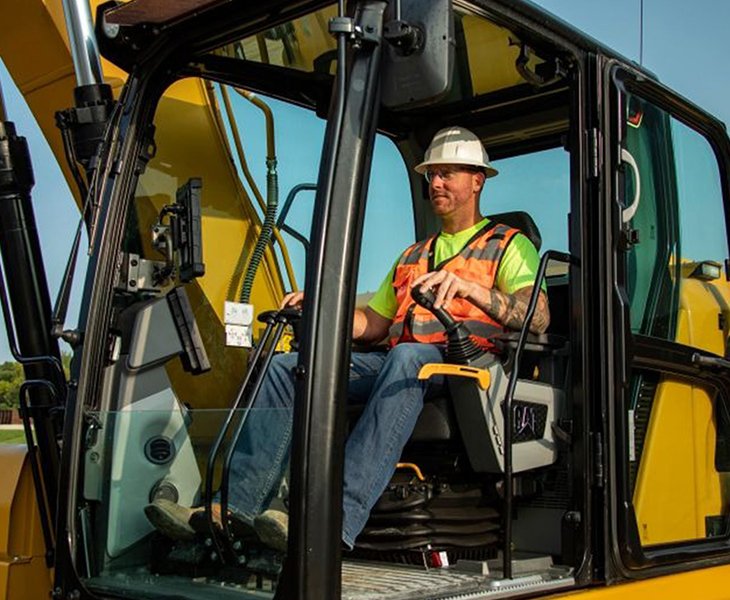
The best excavator choice starts with understanding your project requirements, site conditions, and the tasks you need to complete. Instead of choosing a machine based only on size, you should consider factors such as application, operating environment, machine specifications, and transportation needs.
Working Conditions
Before selecting an excavator, you should evaluate the soil type, terrain, and available working space. Different job sites require different machine configurations to achieve stable and efficient operation. For example, crawler excavators perform well on uneven terrain, while compact excavators are better suited for restricted areas.
Project Application
The right excavator type also depends on how you plan to use the machine.
Construction Projects
If you need to handle foundation excavation, earthmoving, or site preparation, crawler excavators are commonly used because they provide strong stability and digging performance on demanding job sites.
Urban Projects
For road maintenance, utility installation, and municipal work, you may prefer wheel excavators or compact excavators due to their mobility and flexibility in limited spaces.
Mining Projects
If you are involved in mining or large-scale excavation projects, heavy-duty excavators with high power, large bucket capacity, and reliable performance are needed for continuous operation in challenging conditions.
Landscaping Projects
For landscaping, residential work, and small excavation tasks, a mini excavator can be a practical option because you can easily transport and operate it in narrow or restricted areas.
Machine Specifications
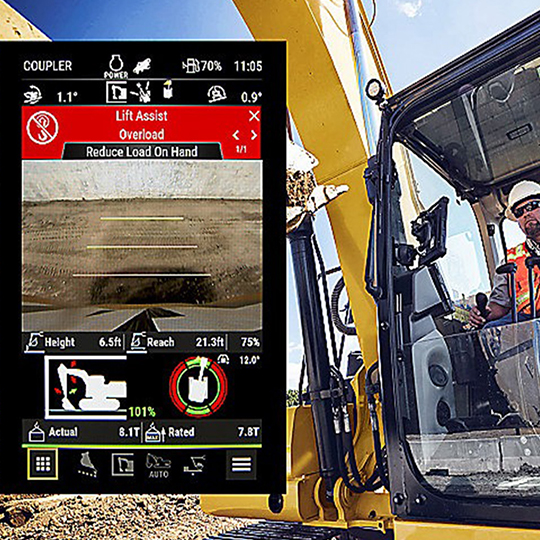
When comparing excavator options, you should check key specifications such as operating weight, engine power, bucket capacity, and digging depth. These specifications determine how well the machine performs in digging, lifting, and daily operation.
Transportation Requirements
You should also consider how the excavator will be transported between job sites. Smaller machines are easier to move, while larger excavators may require specialized transport equipment. Choosing the right size can help you reduce transportation costs and improve project efficiency.
FAQ
Why should I buy excavators from you?
Buying high-value heavy machinery overseas can be nerve-wracking—nobody wants to wire money to a random trading agent or small shop. Here is why you can deal with us with 100% confidence:Solid Backing: We are a subsidiary of POWERCHINA, a Fortune Global 500 state-owned engineering titan. Your payments and contracts are backed by one of the largest construction groups in the world. No ghosting, no risks. 50 Years of Field Experience: We’ve been running heavy equipment on tough job sites for half a century. We aren’t just salespeople reading off specification sheets; we are field experts who know what machines actually hold up under real-world pressure. All our excavators are fully CE-certified, ensuring seamless legal importation and total compliance on your local job sites.
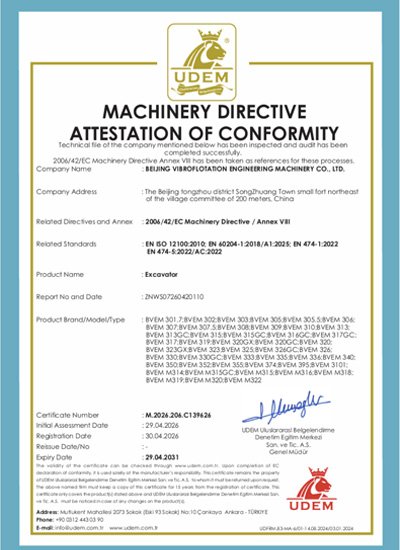
What about warranty and after-sales service? Do I get local support?
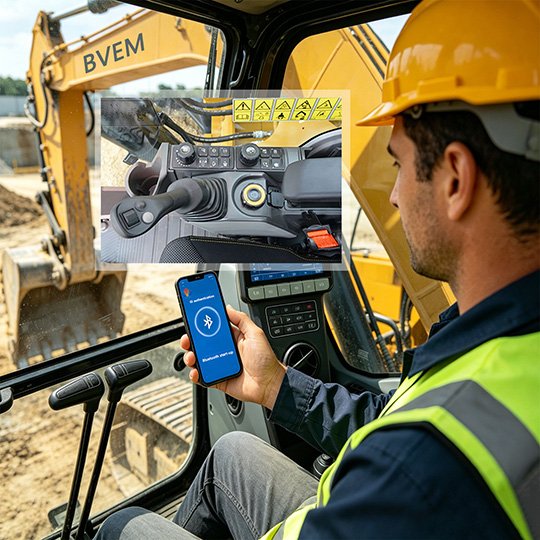
YES. This is our biggest advantage: Official Factory Warranty: Every excavator comes with the exact same warranty coverage as official brand-new machines. Local Official After-Sales Service: You don’t have to wait for an overseas technician to fly in. After-sales maintenance, inspections, and repairs are handled directly by the official brand’s local dealers and service networks right in your country. You get top-tier local service speed alongside our unbeatably low enterprise price.
Are spare parts easy to find locally?
100% yes. Our machines use industry-standard global hydraulic architectures and powertrain components. Wear parts, filters, hydraulic seals, and bucket teeth are fully interchangeable with standard parts available directly at your local dealers or third-party suppliers. You will never face downtime waiting for parts.
How do I choose the right machine and engine specs for my project?
Put our 50 years of contractor experience to work for you. Just tell us your job-site conditions—whether it’s rock trenching, mining, road building, or foundation work. Our senior project engineers will match you with the ideal tonnage, proper attachment tools, and the exact engine emissions specs (Tier 2/3 up to Tier 4F/Stage V) required by your local customs and fuel quality.
How do I know which excavator size or tonnage is right for my site?
Buying too big wastes fuel; buying too small delays your project. Choosing the ideal tonnage (from 6-ton minis for tight urban jobs to 30+ ton heavy-duty machines for mining) depends on digging depth, reach, swing radius, and truck-loading cycles. You don’t need to stress over complex specification sheets. Send us your job site details (soil/rock type, required daily volume, site boundaries), and our field engineers will match you with the most fuel-efficient, cost-effective machine size.
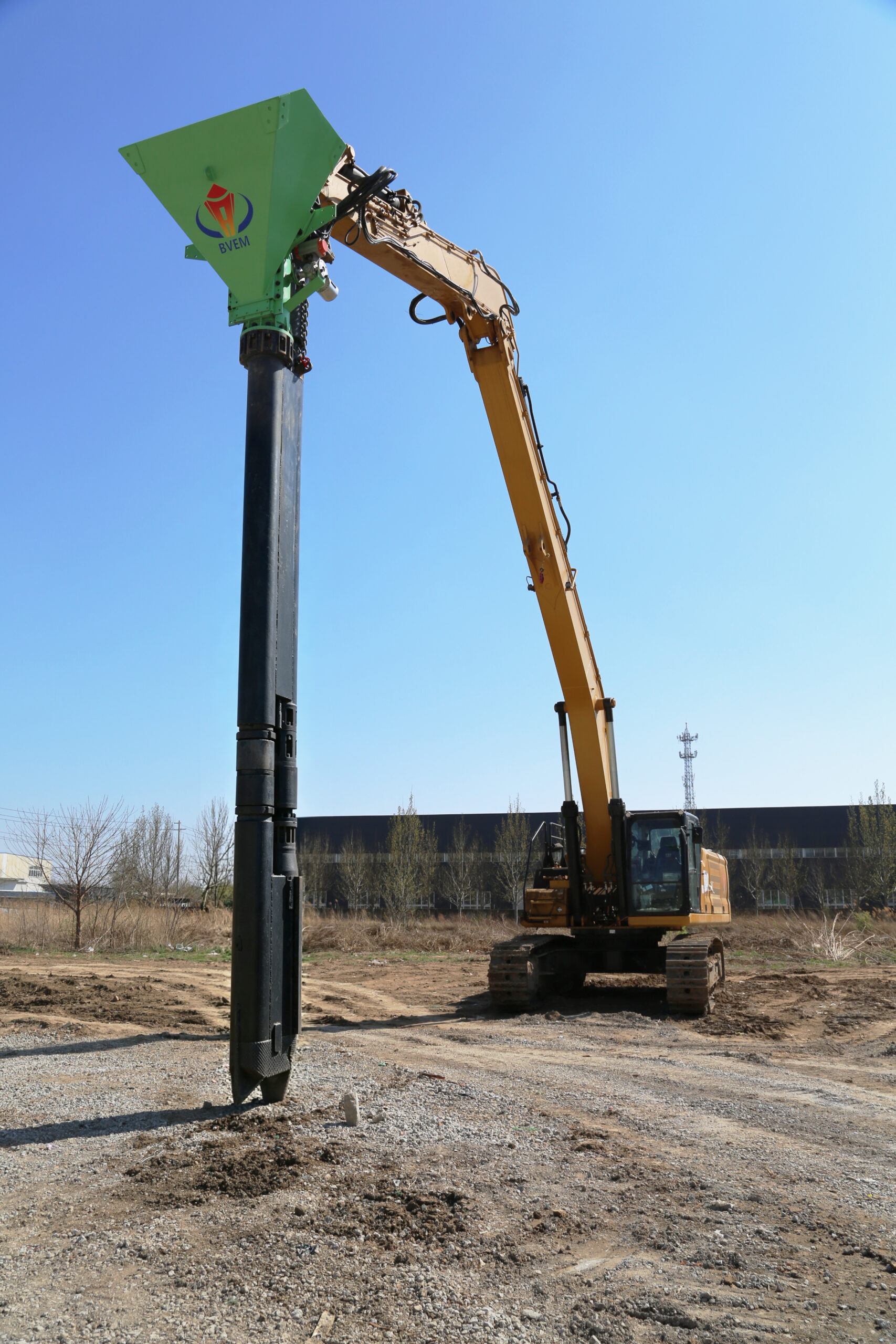
Choose the Right Excavator with BVEM
BVEM supplies genuine excavators from trusted brands, including SANY, CAT, and YUCHAI. We help you select suitable equipment for construction, mining, and earthmoving projects, offering competitive pricing, reliable machines, and professional support based on your project requirements.