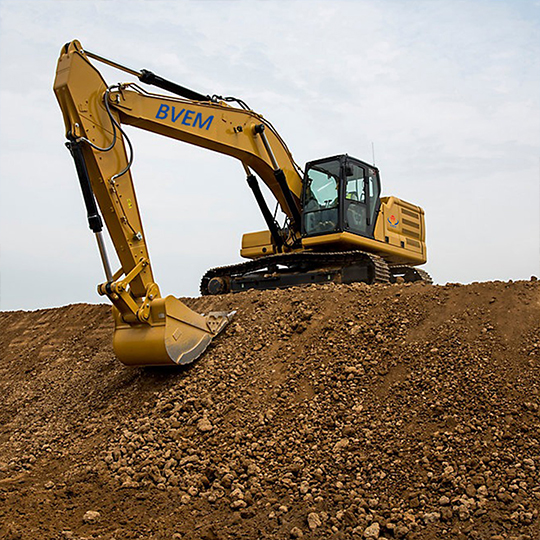
Choosing the right excavator is important because the wrong machine can increase operating costs, reduce productivity, and lead to unnecessary maintenance issues.
Before making a purchase, you should understand the excavator’s key components, specifications, applications, and selection considerations.
This guide provides practical information to help you compare options and find the right excavator for your project.
What Is an Excavator and How Does It Work?
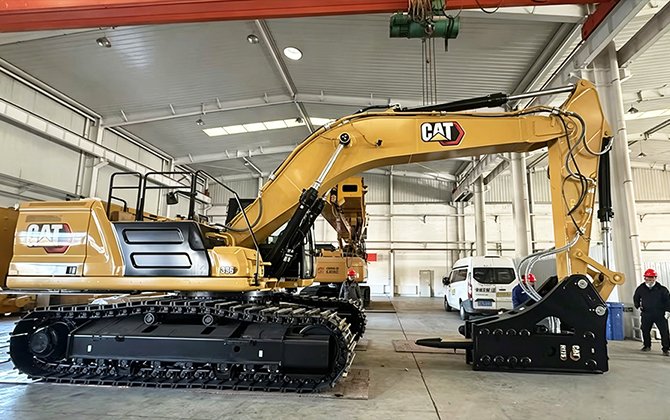
Excavators are essential construction machines used for digging, material handling, demolition, and a wide range of infrastructure projects.
An excavator works by converting engine power into hydraulic energy to perform digging, lifting, and material handling operations.
The engine powers the hydraulic system, which converts energy into movement for digging, lifting, and other operations. The upper structure can rotate independently, allowing you to work in different directions without moving the entire machine.
Modern excavators can be equipped with various hydraulic attachments, allowing you to complete tasks beyond standard excavation, including demolition, drilling, and material handling.
Main Components of an Excavator
Although excavators vary in size and configuration, most models share three basic sections: the working equipment, upper structure, and undercarriage.
Knowing how these components affect operation and reliability allows you to make a more informed decision beyond simply comparing price and machine size.
Working Equipment
The working equipment is the front section of an excavator and directly performs digging and material handling tasks. It mainly includes the boom, stick (arm), and bucket.
Boom
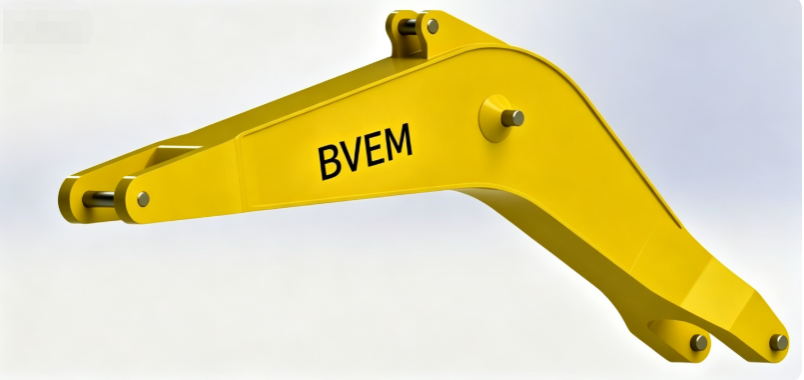
The boom is the first section connected to the excavator’s upper structure. It supports the arm and bucket while controlling the overall reach and lifting position of the machine.
Boom design affects the excavator’s working range and suitability for different applications. Standard booms are commonly used for general excavation, while longer boom configurations can help you reach deeper or farther working areas, such as deep excavation or specialized projects.
Stick / Arm
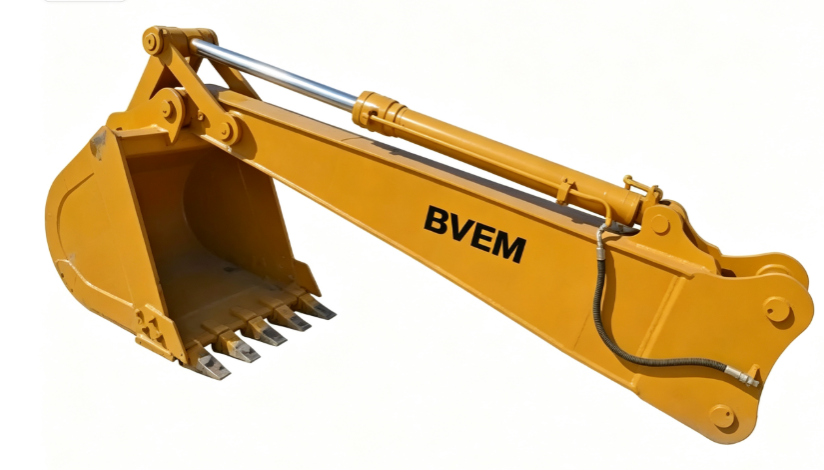
The stick, also called the dipper arm, connects the boom and bucket. It controls the forward and backward movement of the attachment and plays an important role in digging depth and working radius.
A standard arm provides a good balance between digging force and reach, while longer arm configurations are suitable for projects that require extended working distances. When choosing an excavator, you should consider your project requirements, working depth, and jobsite conditions to select the right arm configuration.
Bucket
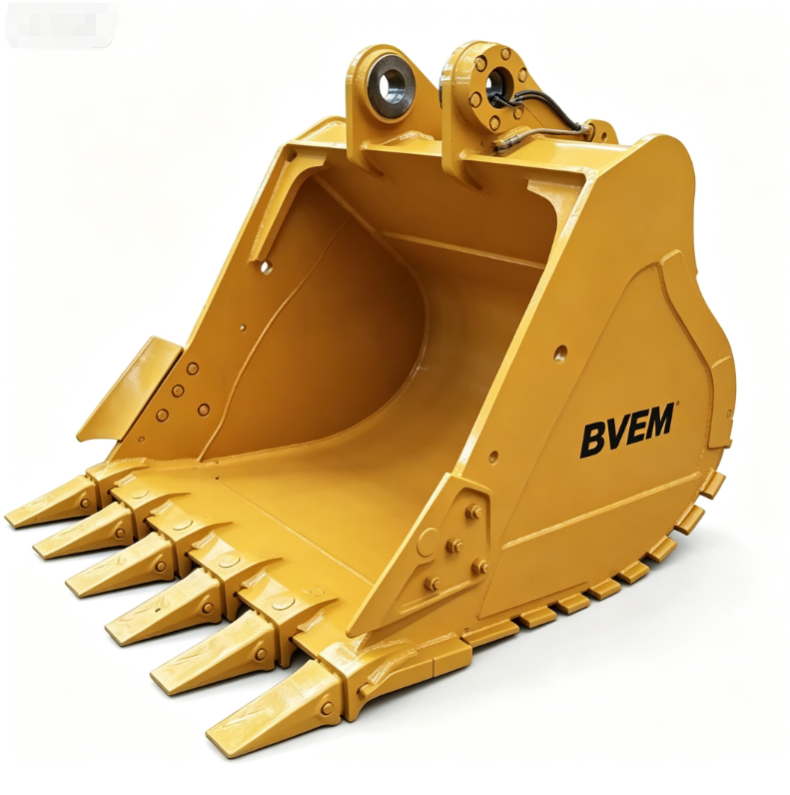
The bucket is the component that directly contacts and handles materials such as soil, sand, gravel, and rock. Different bucket designs are available to match specific working conditions and material types.
Common options include:
- General-purpose bucket: Suitable for standard digging and loading tasks.
- Rock bucket: Designed for harder materials and more demanding ground conditions.
- Ditch cleaning bucket: Used for grading, drainage, and finishing work.
Selecting the correct bucket for your application can help you improve productivity, reduce wear, and achieve better operating efficiency.
Upper Structure
The upper structure contains the main power and control systems of an excavator, including the engine, hydraulic system, operator cab, and swing mechanism. These components work together to provide the power, control, and stability required for daily operations.
Engine
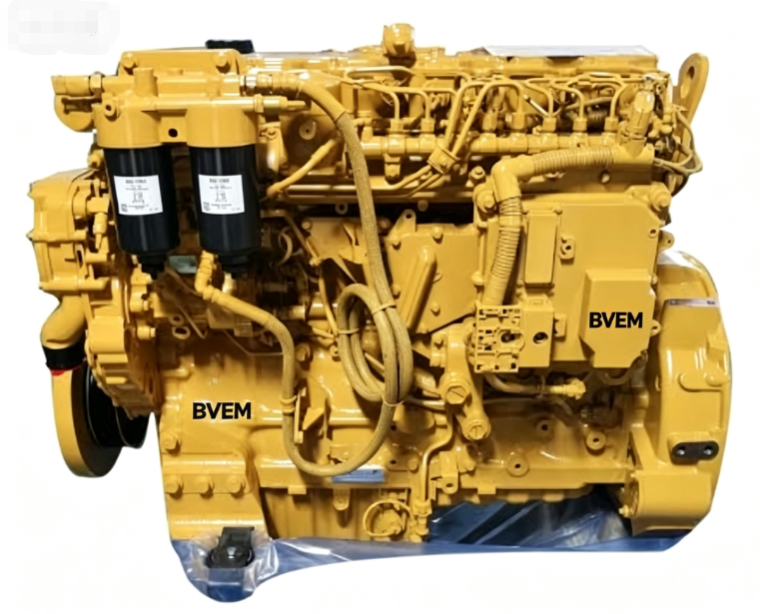
The engine is the primary power source of an excavator. Most construction excavators use diesel engines designed to deliver continuous power in demanding working environments.
The engine drives the hydraulic system and supports other machine functions, including electronic controls and monitoring systems. When you compare different excavator models, you should consider factors such as power output, fuel efficiency, and compliance with local emission requirements.
Hydraulic System
The hydraulic system is one of the most important systems in an excavator because it converts engine power into the movement and force needed for operation.
Key hydraulic components include:
- Hydraulic pump: Generates hydraulic pressure using engine power.
- Control valves: Direct hydraulic oil flow based on operator input.
- Hydraulic cylinders: Convert hydraulic pressure into mechanical movement for the working equipment.
A reliable hydraulic system can improve digging performance, operating smoothness, and compatibility with different attachments. When selecting an excavator, you should pay close attention to hydraulic performance, especially if you plan to use tools such as breakers, augers, or grapples.
Cab and Control System
The cab is the operator’s working environment and control center. Modern excavator cabs are designed to provide better visibility, comfort, and safety during long working hours.
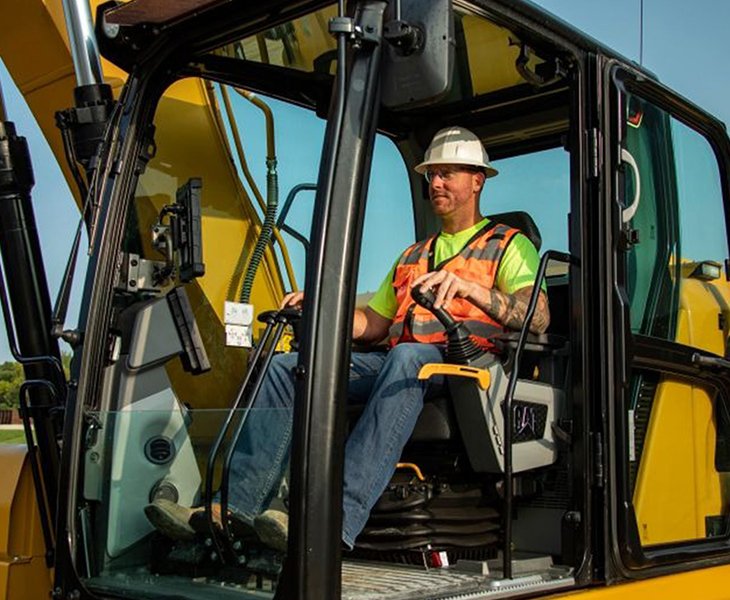
Common features include:
- Joysticks and pedals: Used for controlling machine movements.
- Display panels: Provide operating information, system warnings, and machine status.
- Safety structures: Help protect operators in demanding jobsite conditions.
A comfortable and well-designed cab can help you improve operator efficiency, especially during long-duration projects.
Swing System and Counterweight
The swing system allows the upper structure to rotate 360 degrees, enabling you to position the bucket in different directions without moving the entire machine.
The counterweight, located at the rear of the excavator, balances the weight of the boom, arm, and bucket during operation. This improves machine stability when you are lifting materials or performing heavy-duty work.
Undercarriage
The undercarriage supports the entire excavator and provides the stability and mobility needed for daily operations. Because it remains in constant contact with the ground and often works under heavy loads and harsh conditions, it is also one of the areas you should pay attention to when evaluating machine durability.
Tracks
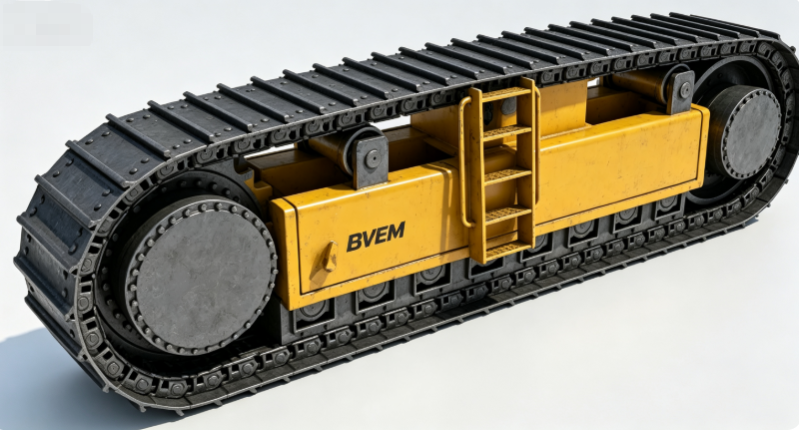
Crawler tracks are widely used on excavators because they provide strong traction and stability on uneven, soft, or rough terrain. By spreading the machine’s weight over a larger contact area, tracks help reduce ground pressure and allow you to operate more confidently in challenging working environments.
Wheels
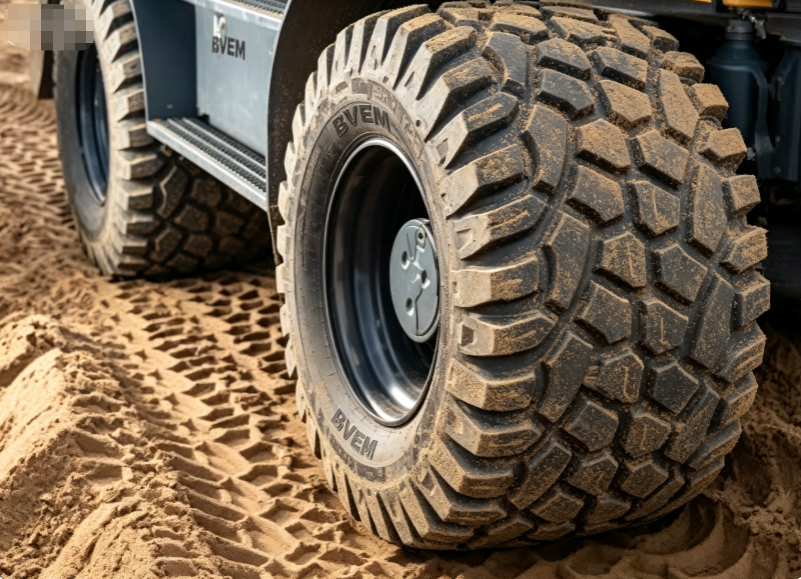
Wheeled undercarriages offer faster movement between job sites and are commonly used for urban construction or projects that require frequent travel on paved roads.
When choosing between crawler and wheeled excavators, you should consider your working environment, transportation requirements, and ground conditions to find the configuration that best fits your project needs.
Common Applications of Excavators
Excavators are used across many industries, and the required machine configuration often depends on the working environment and project conditions. When you evaluate an excavator for your project, factors such as the type of work, site limitations, and attachment needs should be considered before making a decision.
Construction and Earthmoving
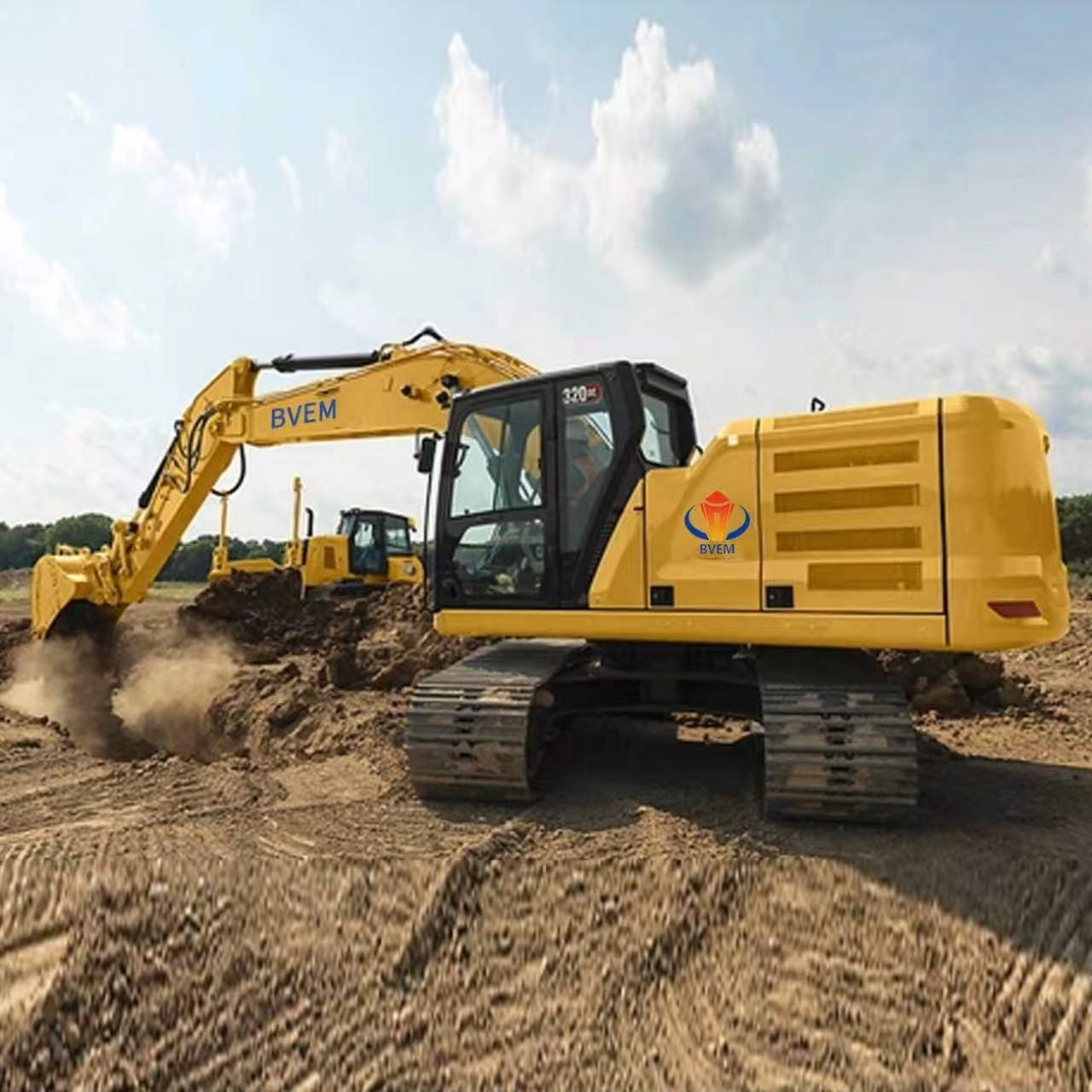
Construction and earthmoving are the main areas where excavators are used. Typical tasks include foundation excavation, trenching, site preparation, land leveling, and soil removal. Crawler excavators are commonly selected for large construction projects, while mini excavators are often used for smaller jobs or areas with limited working space.
Road Construction and Utility Installation
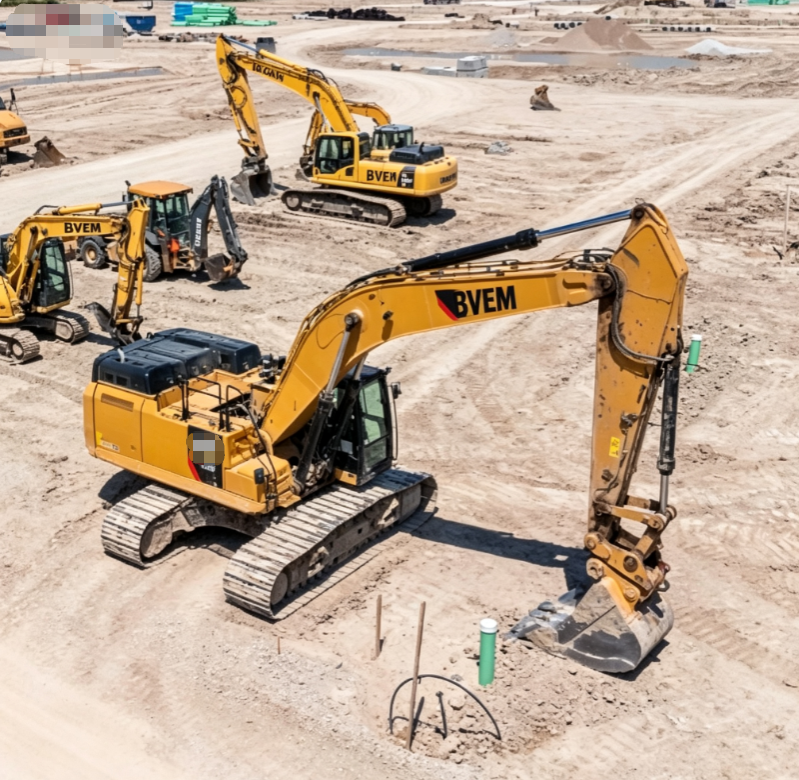
Excavators are widely used in infrastructure projects, including road construction, drainage systems, pipeline installation, and cable laying. In urban areas, compact machines are often preferred because they can work in restricted spaces. Wheel excavators are also suitable for projects that require frequent movement between job sites or operation on paved surfaces.
Mining and Quarrying
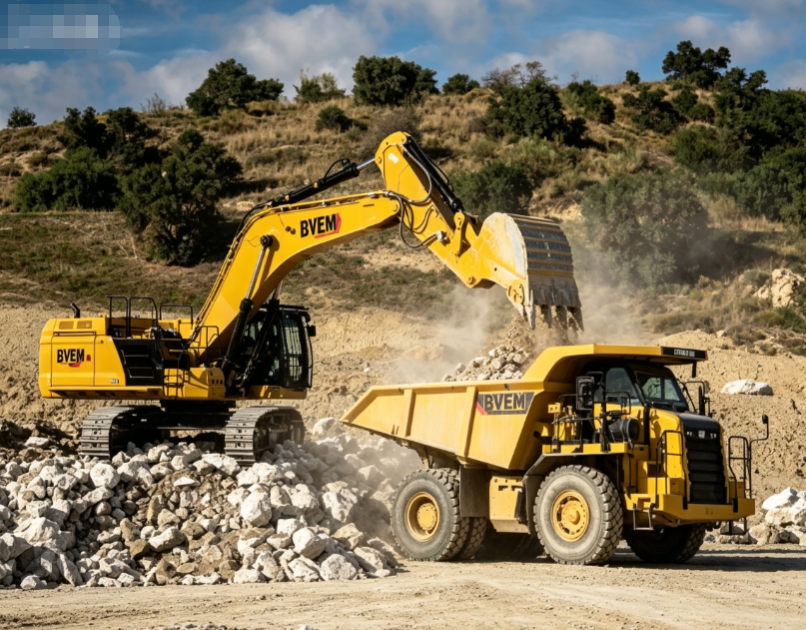
Mining and quarry operations require excavators designed for heavy-duty working conditions. Large excavators are used for rock excavation, material loading, and large-scale earthmoving projects. These machines are designed for projects involving heavy excavation, large material volumes, and extended working hours.
Demolition, Material Handling, and Special Operations
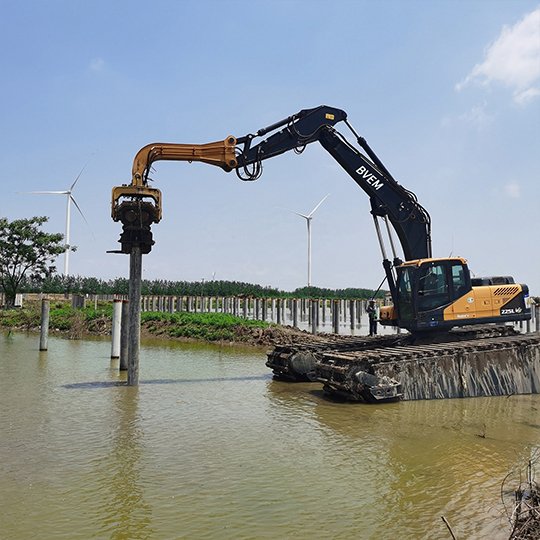
For specialized projects, excavators can be equipped with attachments such as hydraulic breakers, grapples, and long-reach booms. These configurations are commonly used for concrete demolition, material handling, dredging, underwater excavation, and high-reach demolition work.
Before purchasing an excavator, you should evaluate your project type, working environment, required reach, and attachment requirements. Selecting a suitable configuration can improve productivity, control operating costs, and provide better long-term value.
Understanding Excavator Specifications Before Buying
When comparing excavators, you should look at several key specifications to determine whether a machine is suitable for your project. Factors such as machine size, working conditions, and expected workload will influence which specifications are most important for your application.
The following parameters are commonly reviewed before making a purchase decision.
Operating Weight
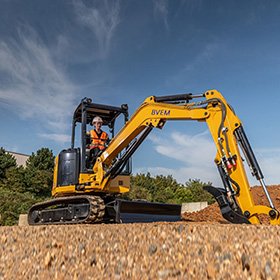
Operating weight determines the excavator size class, stability, and lifting capability. Mini excavators usually weigh 1–10 tons and are suitable for landscaping, utility work, and small construction projects. Medium excavators (10–30 tons) are commonly used for road construction and general earthmoving, while large excavators (30+ tons) are designed for mining and heavy excavation.
Engine Power
Engine power affects digging force, productivity, and attachment performance. Mini excavators typically use engines around 20–50 hp, medium excavators generally range from 70–200 hp, and heavy-duty excavators may require 200+ hp for mining and large-scale excavation applications.
Bucket Capacity
Bucket capacity directly affects material handling efficiency. Compact excavators usually have bucket capacities of around 0.02–0.3 m³, medium machines commonly use 0.3–1.5 m³ buckets, while large excavators may use buckets of 1.5 m³ or more for high-volume earthmoving and mining work.
Digging Depth and Reach
Digging depth and working reach determine whether the excavator can complete specific tasks. Mini excavators can typically dig around 2–4 m, medium excavators can reach approximately 5–7 m, and large excavators are often capable of digging 8 m or deeper depending on configuration.
Hydraulic Flow and Pressure
Hydraulic performance determines how effectively an excavator can operate attachments such as breakers, augers, and grapples. Mini excavators generally provide around 30–90 L/min hydraulic flow, medium machines about 100–250 L/min, and large excavators may exceed 300 L/min for demanding applications.
Undercarriage Type
The undercarriage affects stability and mobility. Crawler excavators use tracks to provide better traction on uneven, muddy, or soft terrain, while wheeled excavators offer higher travel speed and are better suited for urban construction and road maintenance.
Specifications should always be considered together with jobsite conditions, workload, and the type of work you plan to complete. Selecting a suitable configuration helps ensure better productivity and long-term operating value.
How to Choose the Right Excavator for Your Project
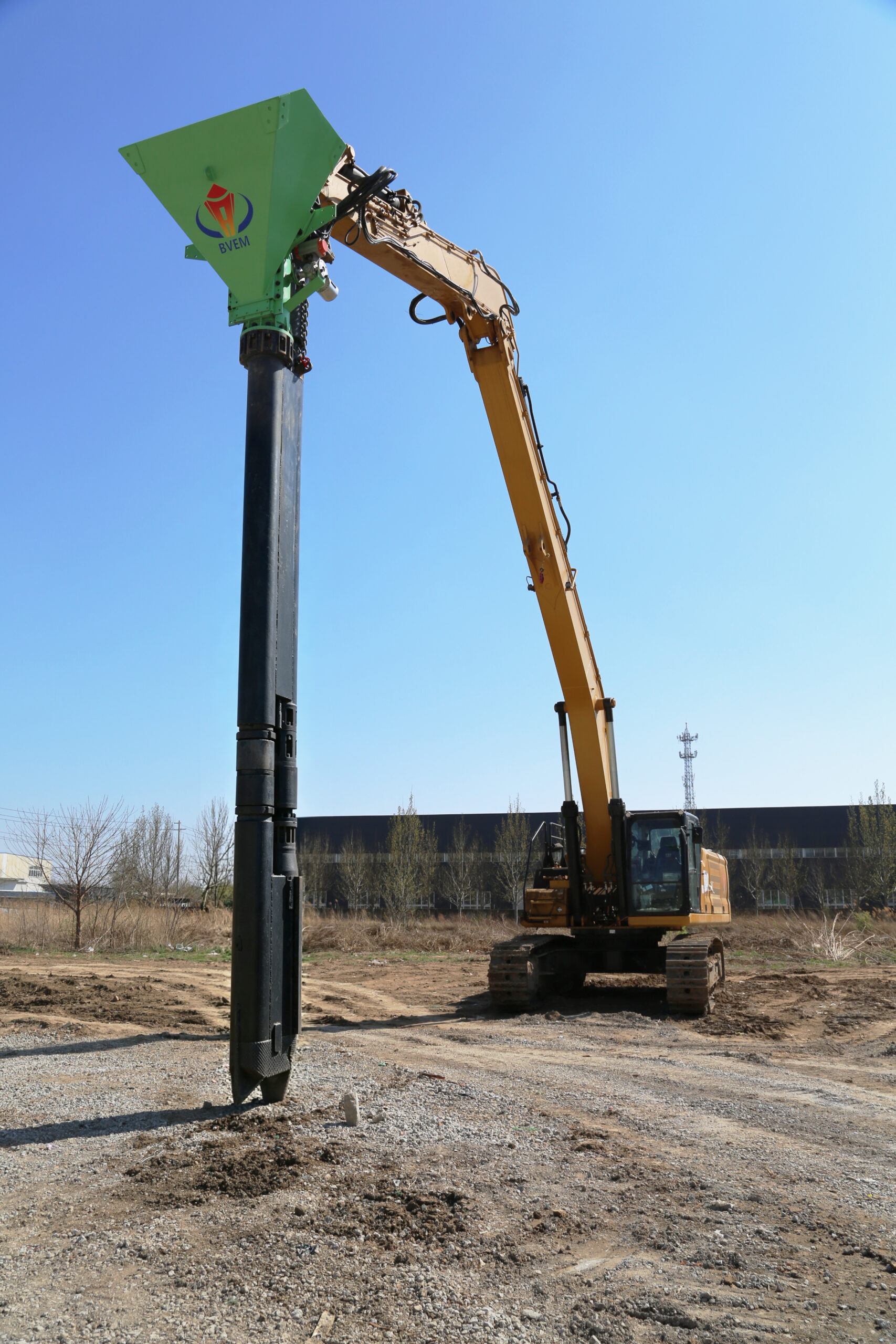
Choosing the right excavator requires looking beyond a single specification or the initial purchase price. You should consider your project requirements, working conditions, machine configuration, and long-term operating costs before making a decision. Factors such as excavator size, attachment needs, transportation requirements, and after-sales support can all affect the final choice.
A suitable excavator is not always the largest or most powerful model. The best option is the machine that matches your actual workload and helps you achieve better productivity and efficiency throughout the project.
FAQ About Excavators
How often should an excavator be maintained?
Excavator maintenance frequency depends on the machine model, working conditions, and operating hours. You should follow the manufacturer’s recommended maintenance schedule and regularly inspect key components such as the engine, hydraulic system, filters, and undercarriage. Routine checks and timely replacement of worn parts can help reduce downtime, maintain working performance, and extend the service life of the excavator.
How to start an excavator step by step?
Before starting an excavator, you should check the machine condition and make sure the working area is safe. Sit in the operator’s seat, fasten the seatbelt, and confirm that the safety lock is engaged. Start the engine according to the manufacturer’s instructions and allow it to warm up before operation. After the hydraulic system reaches normal working condition, check the controls and functions carefully before beginning work.
What size excavator do I need for my project?
The right excavator size depends on your project type, site conditions, required digging depth, working radius, and budget. For small jobs in tight spaces, a mini or small excavator is usually a better choice. Medium excavators are suitable for general construction and earthwork, while large excavators are designed for mining, quarrying, and heavy-duty operations. You should choose a machine that matches your actual workload rather than simply selecting the largest model available.
Can excavators be customized for different projects?
Yes, you can adapt an excavator to match your project needs by choosing the right size, configuration, and attachments. For example, a mini excavator with suitable attachments can handle landscaping and utility work, while a crawler excavator is better for large-scale construction tasks. For more specialized conditions, you can select models such as long-reach or suction excavators to improve efficiency and meet specific job requirements.
What is the difference between crawler and wheel excavators?
The main difference between crawler and wheel excavators is the undercarriage. Crawler excavators use tracks, which provide better stability, lower ground pressure, and stronger performance on soft, uneven, or rough terrain. Wheel excavators use rubber tires, offering faster travel speed and better mobility on paved surfaces. If you work on large construction sites, muddy ground, or challenging terrain, a crawler excavator is usually a better choice. For urban projects that require frequent movement between locations, you may find a wheel excavator more efficient.
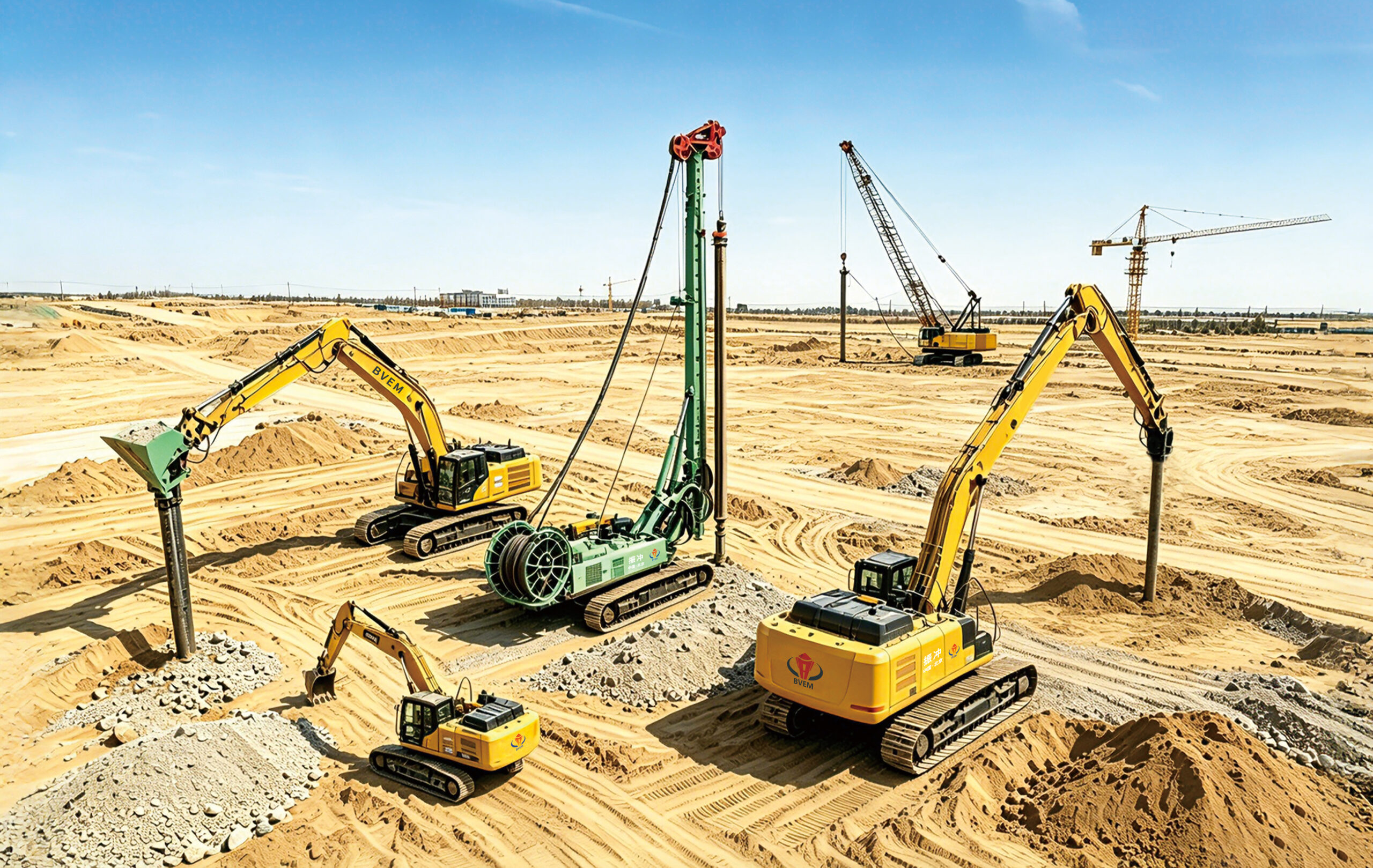
Why Choose BVEM as Your Excavator Supplier?
BVEM is a professional excavator supplier with over 50 years of industry experience. We work with well-known manufacturers to provide high-quality excavators at competitive prices. With factory-direct sourcing and reliable after-sales support, BVEM delivers professional maintenance services and technical assistance, ensuring a smooth and efficient equipment ownership experience.