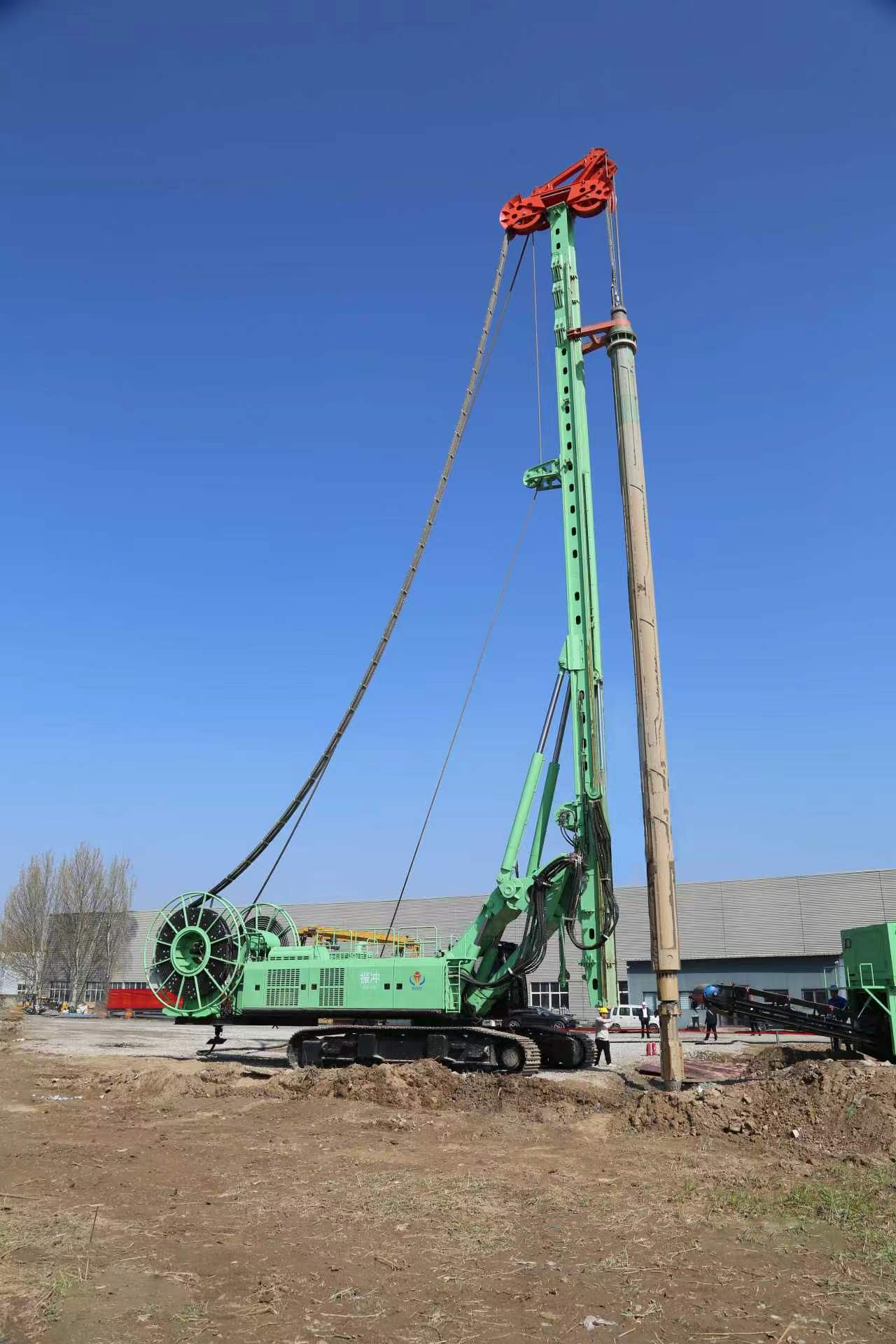
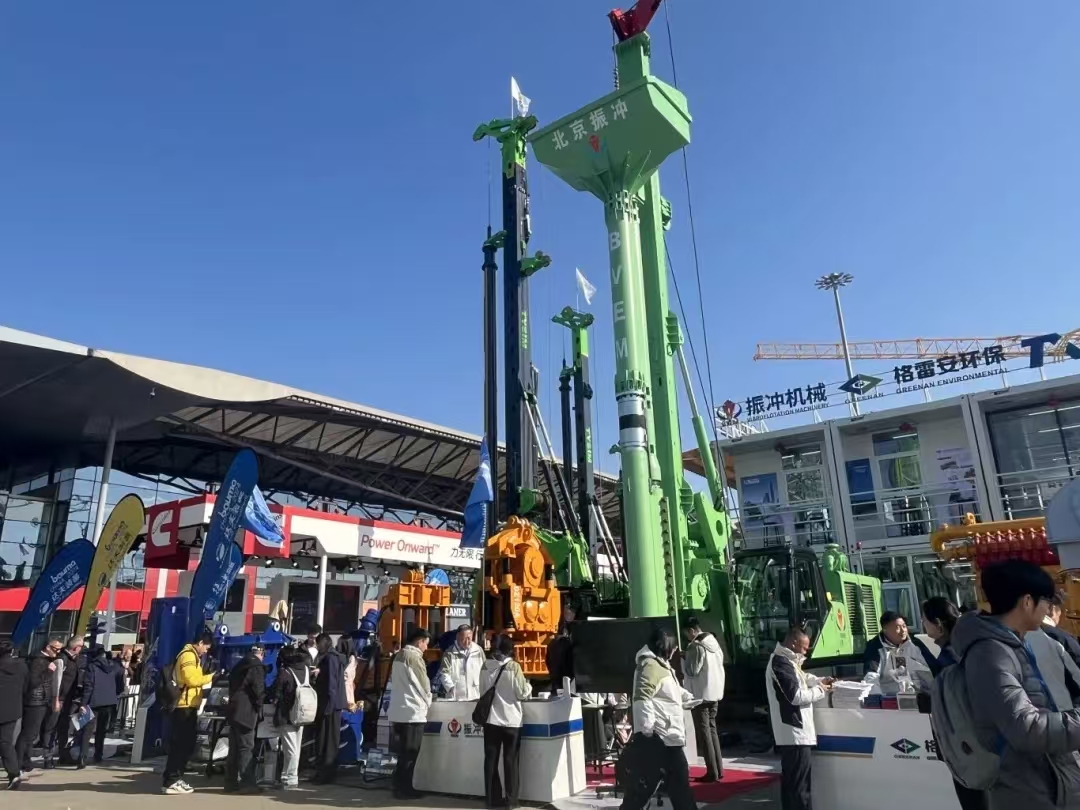
Piling rigs and drilling rigs are often confused in foundation construction due to overlapping functions, but choosing the wrong equipment can lead to budget overruns, schedule delays, and underperformance on site. A piling rig is purpose-built for pile installation, while a drilling rig serves a broader range of borehole creation tasks. For foundation projects, the right choice depends on your piling method, ground conditions, pile dimensions, depth requirements, and productivity targets.
This guide breaks down the core differences between piling rigs and drilling rigs, provides a step-by-step selection framework, and helps you match equipment to your exact project needs. As a professional foundation equipment manufacturer, BVEM also shares practical sizing tips to help you avoid common costly mistakes.
What Is a Piling Rig?
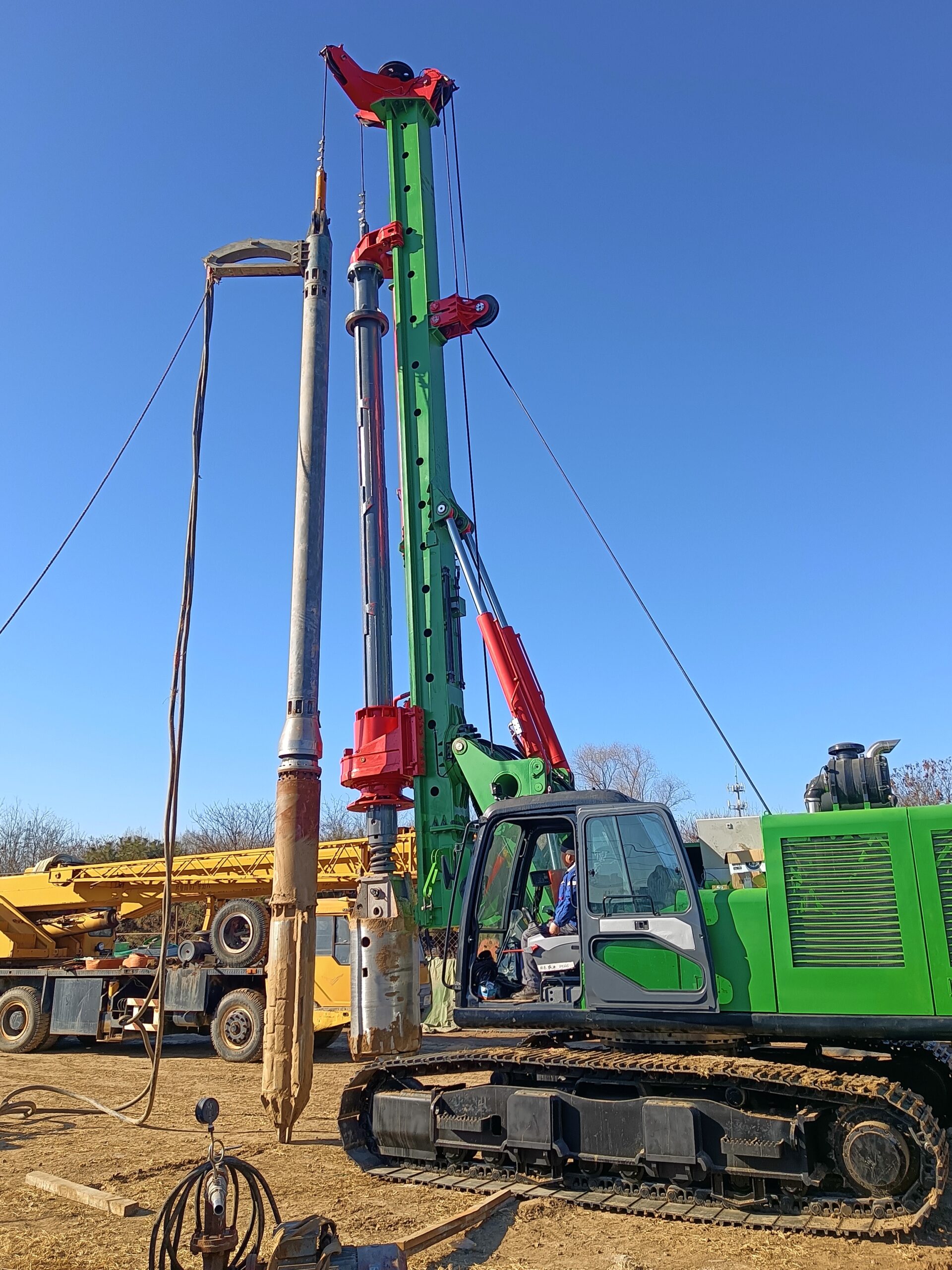
A piling rig is a machine used to install piles for deep foundation projects. Depending on its configuration, it can drill, drive, or install piles in different ways. You may see piling rigs on building, bridge, highway, and other infrastructure projects where deep foundations are needed to support heavy loads.
What Is a Drilling Rig?
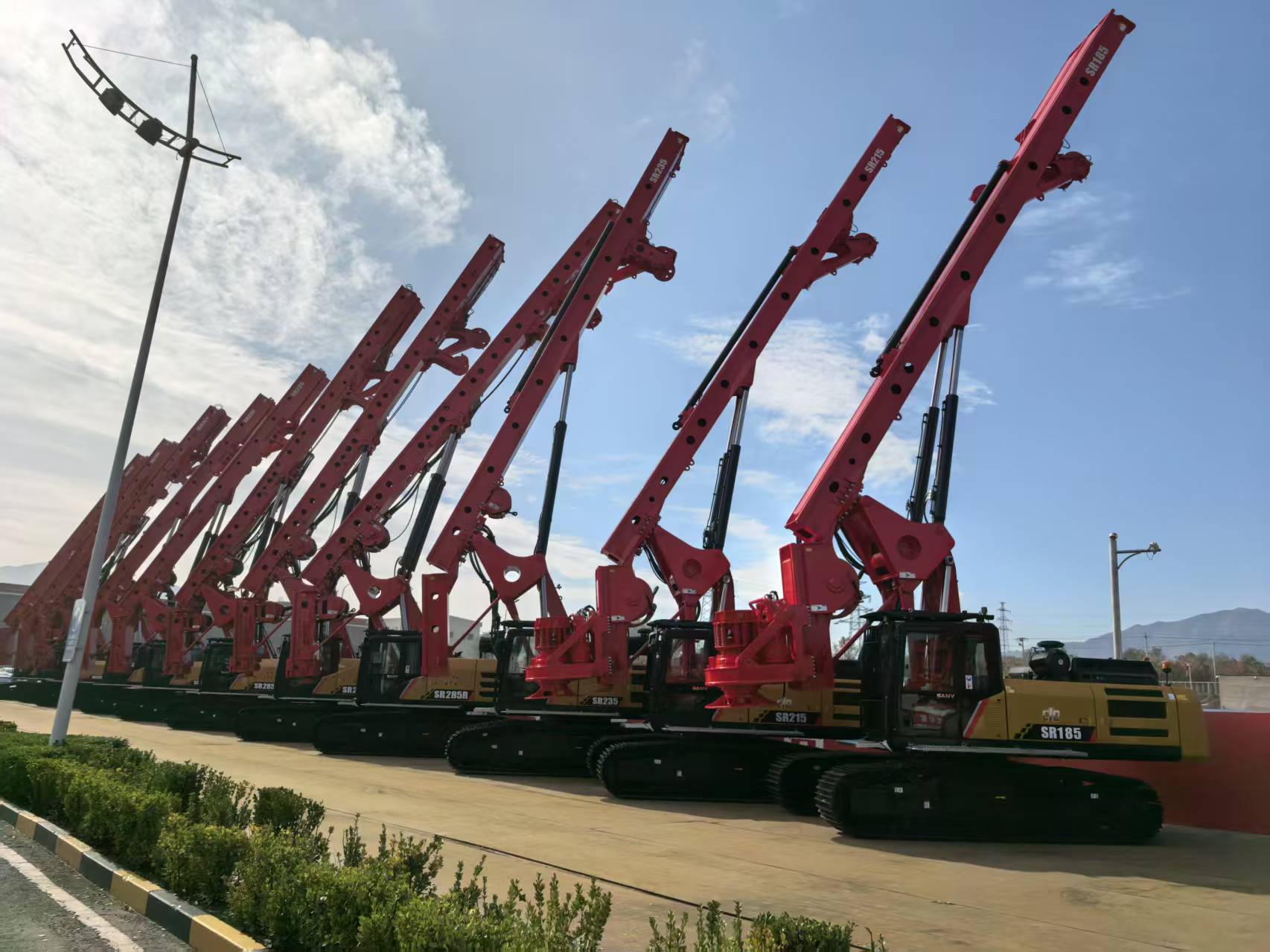
A drilling rig is a machine used to make holes in soil, rock, or other ground materials. Depending on your project, it can be used for foundation drilling, water wells, mining, or resource exploration. Different drilling rigs use methods such as rotary or percussion drilling to suit the ground conditions.
Piling Rig vs Drilling Rig: What Are the Key Differences?
Piling rigs and drilling rigs can look similar on a job site, and the terms are sometimes used interchangeably. However, they are not always used for the same purpose. If you are choosing equipment for a foundation project, it helps to look beyond the machine name and compare how it is used, what it can do, and what your project actually requires.
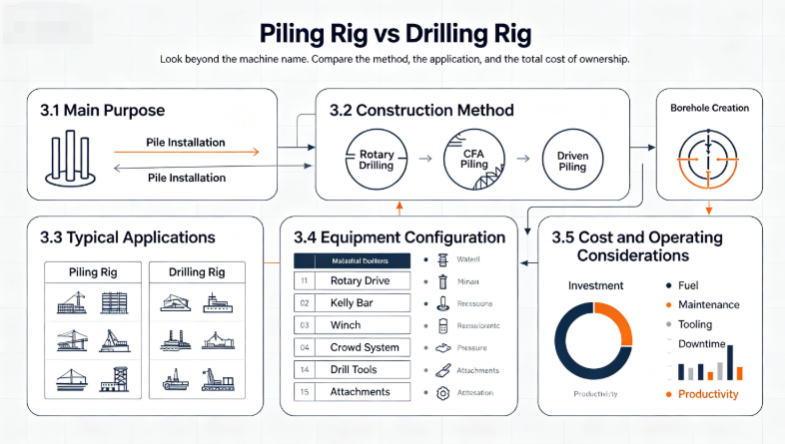
Main Purpose
A piling rig is mainly designed around pile installation. Depending on its configuration, it can be used for bored piles, driven piles, CFA piling, or other foundation methods. If your project is focused on installing piles to transfer structural loads into deeper ground, a piling rig is usually the more relevant equipment category.
A drilling rig, on the other hand, is primarily designed to drill holes in soil or rock. You may use one for foundation drilling, bored piles, water wells, mining, or other applications where creating a borehole is the main task.
The difference is not always absolute. A rotary piling rig, for example, also uses drilling tools to form a borehole before a bored pile is constructed. In other words, the two equipment categories can overlap, so you should look at the actual construction method and project requirements rather than relying on the machine name alone.
Construction Method
The installation method makes a practical difference when you are comparing piling equipment. The main methods used in pile construction include rotary drilling, CFA piling, and driven piling, but the way each one forms or installs a pile is quite different.
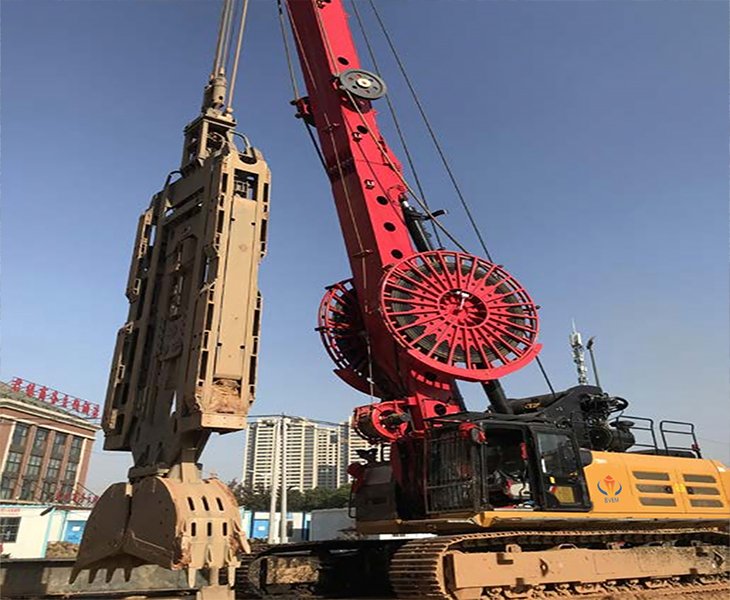
| Construction Method | Basic Process | Main Equipment or Tooling |
| Rotary Drilling / Bored Piles | The drilling tool cuts into the ground and removes soil or rock to form a borehole. The pile is then completed by placing reinforcement and concrete in the hole. | Rotary piling rig, drilling bucket, auger, Kelly bar |
| CFA Piling | A continuous flight auger remains in the ground while drilling. As the auger is withdrawn, concrete is pumped through its hollow stem, followed by reinforcement installation. | CFA piling rig, continuous flight auger |
| Driven Piling | A prefabricated pile is installed directly into the ground instead of creating a conventional borehole first. Impact or vibration provides the force needed for installation. | Pile driving equipment, impact hammer, vibratory hammer |
You can see the main difference in where the pile comes from. With rotary drilling, the borehole is formed first and then the pile is constructed in the hole. With CFA piling, drilling and concrete placement take place as part of a continuous process. With driven piling, the prefabricated pile is installed directly into the soil. The method you choose will affect the rig configuration and tooling required for the job.
Typical Applications
The two types of equipment can both appear on construction sites, but their application range is different. Looking at the type of project can give you a clearer idea of which one fits the job.
| Equipment | Typical Applications |
| Piling Rig | Building foundations, bridge foundations, highway projects, marine construction, and major infrastructure |
| Drilling Rig | Foundation drilling, bored pile construction, water wells, mining, geological work, and resource exploration |
Piling rigs are commonly found on projects where a deep foundation system is required. Building foundations are a common example, but they are also used for bridges, highways, piers, and other infrastructure projects. In some cases, piling equipment is also used in marine construction, where piles are needed to support structures such as piers or other waterfront facilities.
Drilling rigs cover a broader range of work because drilling itself is needed in many industries. On construction projects, you may use a drilling rig for foundation holes or bored pile work. Outside construction, the same general equipment category can be used for water well drilling, mining, geological investigation, and resource exploration.
So, the application is an important distinction to keep in mind. Piling rigs are generally selected around the requirements of pile installation, while drilling rigs are selected around the drilling task itself. If you are working on a building, bridge, highway, or other deep foundation project, a piling rig may be the more appropriate choice. For projects where drilling is the main objective, a drilling rig can offer a wider range of applications.
Equipment Configuration
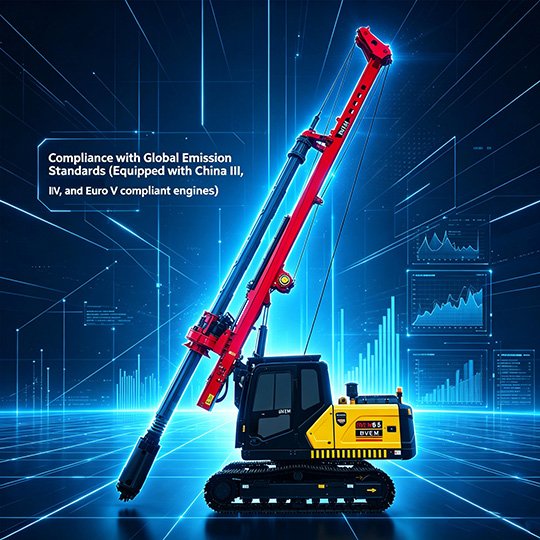
The basic machine may look similar, but the working configuration can be quite different. The components and attachments are usually matched to the job rather than selected as a fixed package.
| Typical Piling Rig Configuration | Typical Drilling Rig Configuration |
| Rotary drive | Rotary head |
| Kelly bar | Drill rods or Kelly bar |
| Winch / crowd system | Winch or feed system, depending on rig type |
| Drilling tools | Application-specific drilling tools |
| Piling attachments | Application-specific attachments |
A piling rig can be configured with a rotary drive, Kelly bar, winch, crowd system, and different drilling or piling attachments. The setup may change when you switch between different pile construction methods or pile requirements.
A drilling rig can use a rotary head with drill rods or a Kelly bar, together with tools selected for the drilling work. Depending on the application, additional flushing or support systems may also be needed.
The drilling tool is another detail worth considering. An auger, for example, may be selected based on the soil, pile diameter, and drilling requirements. Other tools, such as drilling buckets or rock drilling tools, may be used for different ground conditions.
The important point is to consider the complete working setup, not just the base rig. The rig, drive system, drilling tools, and attachments should match the construction method and the work you need to carry out.
Cost and Operating Considerations
Cost is another point you should consider when comparing a piling rig with a drilling rig. However, the purchase price alone does not tell you which machine will cost less to run.
A larger or more highly configured rig may require a higher initial investment. You also need to account for attachments and drilling tools, fuel consumption, routine maintenance, wear parts, and possible downtime. These costs can vary significantly between machines and working conditions.
Productivity matters as well. A machine with a higher purchase price may still be more economical if it can achieve the required production rate, reduce idle time, and keep maintenance or tooling costs under control. On the other hand, paying more for a machine with capabilities you rarely use may not make financial sense.
It is better to look at the total cost of ownership rather than comparing equipment prices alone. Consider the initial investment together with expected fuel use, maintenance, tooling, downtime, and productivity over the period you plan to operate the machine.
Which Rig Is Right for Your Project?
Choosing between different rigs is easier when you start with the actual job rather than the machine specifications alone. Before you make a decision, look at the pile requirements, ground conditions, site and production target.
Pile Diameter and Depth
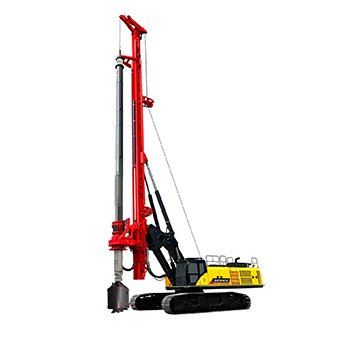
Start with the largest pile diameter and deepest pile required on your project. Compare these figures with each rig’s maximum drilling diameter, drilling depth, Kelly bar configuration, torque, crowd force, and available tooling.
If your requirements are comfortably within a rig’s working range, the smaller model may be the more economical choice. For example, a project requiring piles around 1,000 mm in diameter and 12–15 m deep may not require a large heavy-duty rig when a compact model can cover the required working range.
However, if your pile diameter or depth is close to the smaller rig’s limit, moving up to the next model can provide useful operating margin. For example, if a project includes piles around 1,200 mm in diameter and more than 20 m deep, you may need to compare models such as the BVEM65 and BVEM90 rather than selecting a smaller rig based only on its maximum diameter.
As a practical rule:
- Requirements comfortably within the rig’s working range → the smaller rig may be sufficient.
- Diameter or depth approaches the rig’s limit → consider the next model up.
- Several pile sizes are involved → size the rig around the largest and deepest pile, not the average pile.
Maximum depth should not be considered on its own. The actual working setup and ground conditions also determine whether the rig can achieve the required depth efficiently.
Soil and Rock Conditions
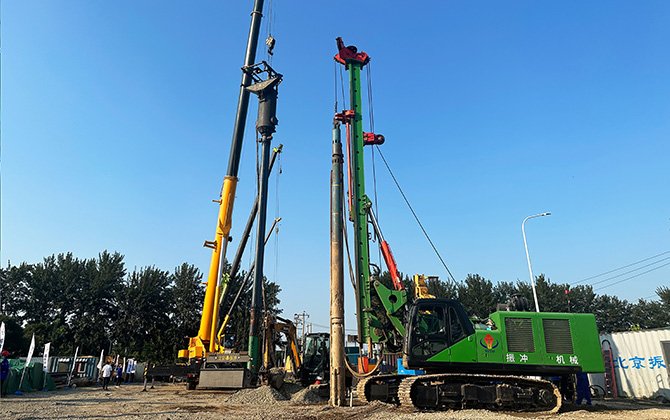
Pile dimensions tell you how large and deep the rig needs to drill, but ground conditions tell you how much drilling performance you need.
For relatively uniform soil with moderate drilling resistance, a smaller rig may be sufficient even when a larger model is available. If the site contains dense gravel, hard soil, weathered rock, or solid rock, however, higher torque, sufficient crowd force, and suitable drilling tools become more important.
This is where two rigs with similar drilling dimensions may not perform equally. A project that requires a large-diameter pile does not automatically need the largest rig, but a hard geological layer may justify moving to a model with greater torque and stronger working capability.
For example, if your piles are within the diameter and depth range of a BVEM 135 but the drilling section includes difficult rock, you may need to compare its performance and tooling requirements with a higher-torque model such as the BVEM175.
Do not size your equipment around the easiest part of the site. Look at the most difficult layer the rig must pass through.
Choose the smaller model when: the ground is relatively predictable and the required drilling tools are within its working capability.
Consider a higher-capacity model when: hard layers, mixed ground, or heavy-duty drilling tools are likely to slow production or place the smaller rig close to its operating limits.
Site Access and Working Space
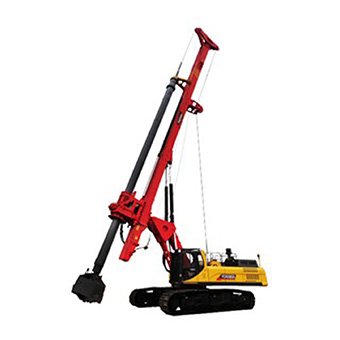
Rig capacity is only useful if the machine can actually reach and operate on your site.
For a large, open construction site, a larger rig can be a practical choice when you need larger piles, greater drilling depth, or higher production. On the other hand, an urban project, restricted site, or location with limited headroom may favor a more compact configuration.
Before choosing between two models, check the actual access route and working area. Look at transport dimensions, operating height, working footprint, turning space, and ground access. Also consider how much time is required to mobilize and set up the machine.
If both rigs can meet your pile requirements but one is significantly easier to transport and position, the more compact option may deliver better overall efficiency.
For open sites with sufficient space → prioritize the capacity needed for the job.
For restricted sites or limited headroom → prioritize a rig that can enter, set up, and operate without major site modifications.
This is especially important for projects where access restrictions can cause more delay than drilling itself.
Required Productivity
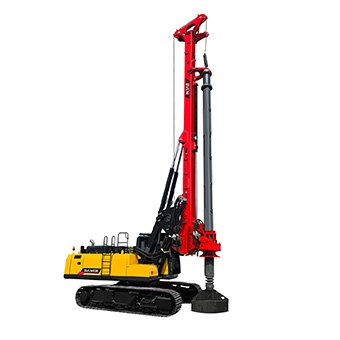
The final question is whether the rig can complete the required number of piles within your project schedule.
Instead of simply comparing engine power or maximum torque, estimate how much work you actually need to complete:
Required daily output = Total number of piles ÷ Available working days
Then compare this target with the expected production of each rig under your actual ground conditions.
For example, if you need to complete 200 piles in 40 working days, your target is approximately 5 piles per day. If Rig A can realistically achieve this rate with your pile size, ground conditions, and working schedule, upgrading to Rig B may provide little additional value.
However, if Rig A can only reach the target under ideal conditions, Rig B may be the better choice. A higher-capacity rig can provide more room for difficult ground, tool changes, setup time, and unexpected delays.
This is also where the difference between models in a product range becomes useful. For deeper or more demanding projects, models such as the BVEM175, BVEM245, BVEM280, BVEM360, and BVEM405 provide progressively higher torque and drilling capability. You should select the model according to the actual production requirement rather than automatically choosing the largest model.
Equipment Type and Configuration
The following guide gives you a quick way to narrow down the equipment type:
| Project Requirement | More Suitable Choice |
| Bored pile or CFA pile construction | Piling rig with the required configuration |
| Deep foundation work focused on pile construction | Piling rig |
| Prefabricated pile installation | Piling equipment configured for the required method |
| Water well drilling | Drilling rig |
| Mining or geological drilling | Drilling rig |
| Drilling is the main task and pile installation is not required | Drilling rig |
| The project involves both drilling and pile construction | Check the required method and machine configuration |
If your main goal is to construct piles, start with a piling rig. If you mainly need to create boreholes for other applications, a drilling rig is usually the better starting point. Where the two overlap, choose according to the actual working method and required configuration.
FAQ
Can a piling rig be used for both bored and driven piles?
Some piling rigs can be configured for different piling methods, but the setup is not the same for every application. Bored piling requires drilling equipment to form the hole, while driven piling uses equipment such as an impact or vibratory hammer to install prefabricated piles. If you want to use one rig for different piling methods, check that the base machine and attachments are suitable for the work you need to do.
What other foundation equipment may be used on a construction project?
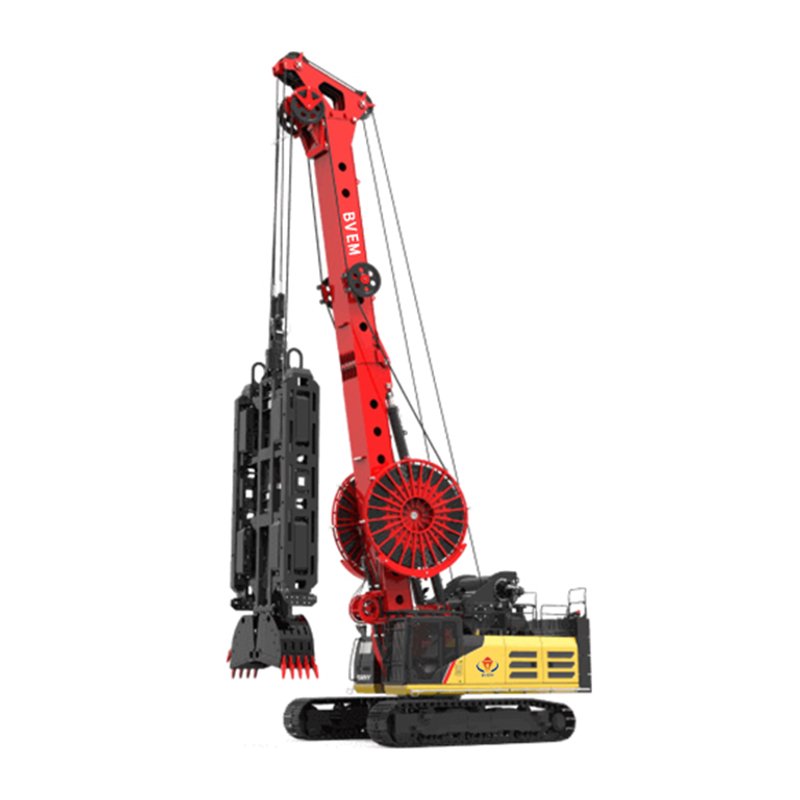
The equipment you need will depend on the type of foundation work. Along with piling and drilling equipment, a diaphragm wall grab may be used for diaphragm wall construction, particularly on projects involving deep excavation. A trench cutter can also be used for diaphragm wall construction when deep trench excavation or harder ground calls for a different cutting method. These are separate foundation equipment solutions rather than standard piling rig attachments.
When should you use a vibro hammer for piling?
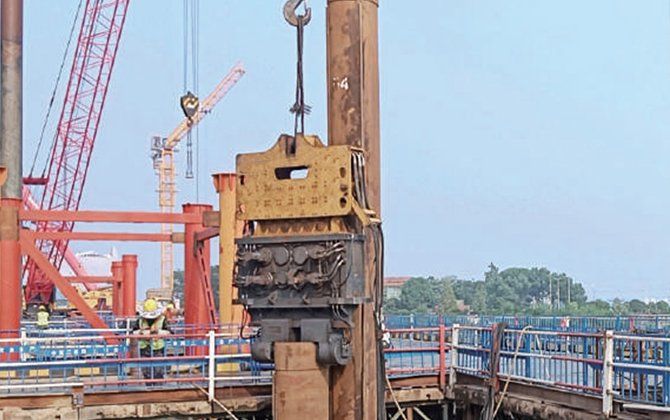
A vibro hammer may be a good option when you are working with driven piles and vibratory installation suits the project. It uses high-frequency vibration to reduce soil resistance and help install or extract piles. Steel piles and sheet piles are common applications, while the use of precast piles depends on the pile design and project conditions. When you choose this method, you should also look at noise, vibration, ground conditions, and the required installation performance.
Do piling rigs require different attachments for different jobs?
Yes. You may need different attachments and tools depending on the piling method and the work you are carrying out. For example, an auger or drilling bucket can be used for ground excavation, while other attachments are available for pile installation. The attachment configuration affects what work the rig can handle, so it is worth checking the complete setup rather than looking at the base machine alone.
How Long Does a Piling Rig Usually Last?
A well-maintained piling rig can serve you for around 10-15 years, but its actual service life depends on how often you use it, the ground conditions, and how well you maintain it. Drilling regularly in hard ground can increase wear on the rotary system, Kelly bar, winch, and other working parts. With regular inspections, routine maintenance, and timely replacement of worn components, you can keep the rig in good working condition and extend its service life.
Why Global Contractors Partner with BVEM for Foundation Solutions
Selecting the right foundation rig goes beyond technical specs—it requires reliable performance, readily available spare parts, and responsive technical support.
How BVEM Empowers Your Foundation Projects:
Versatile Fleet Options: From compact models designed for urban headroom constraints to heavy-duty rigs built for hard-rock, deep-borehole engineering.
Customized Tooling Packages: We match rotary drives, Kelly bars, and drilling buckets specifically to your site’s geological profile.
Full Lifecycle Support: Beyond machine delivery, BVEM offers operator training, global field service, and long-term wear parts supply to maximize your job site uptime.
Ready to Optimize Your Foundation Fleet?
Don’t leave your equipment selection to guesswork. Contact our engineering consultants today to receive a detailed equipment proposal, ROI analysis, and customized job-site configuration.
BVEM provides piling rigs for residential, utility, and infrastructure construction. Our range includes compact models for restricted sites and larger rigs for deeper piles, larger diameters, and harder ground. With different configurations available, you can select a piling rig that fits your project conditions and construction requirements.