A piling rig is subjected to extreme loads, high torque, and varying ground conditions, so it must be serviced on a regular basis. Daily checks on main components, fluids, and wear parts can help to prevent unexpected downtime, maintain consistent drilling performance, and prevent costly repairs. This guide covers daily checks, maintenance intervals, common warning signs, and spare-parts planning.
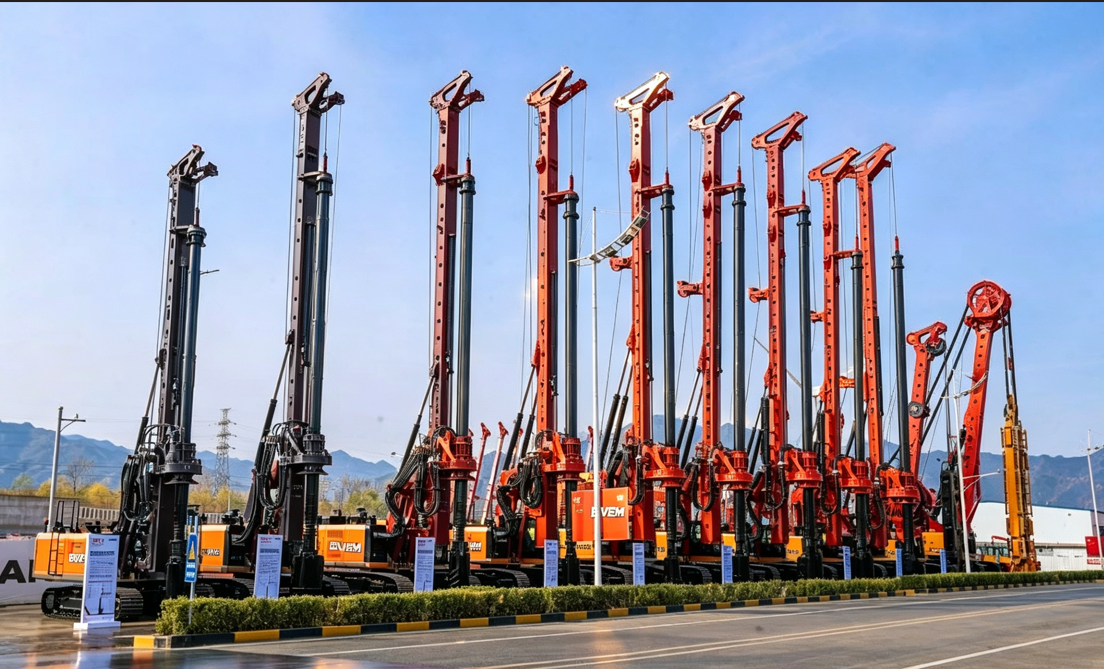
How Do You Maintain a Piling Rig? A Daily Maintenance Checklist
Maintaining a piling rig extends beyond the normal check of the engine oil and hydraulic oil. Before starting work, you should inspect the main parts of the rig, including the hydraulic system, rotary head, Kelly bar, winch, drilling tools, mast, and undercarriage. Regular checks help you spot leaks, loose connections, excessive wear, or other problems before they affect the job.
| Maintenance Area | What to Check |
| Engine & Fluids | Oil, coolant, fuel, filters, leaks |
| Hydraulic System | Oil level, hoses, fittings, cylinders, leaks |
| Rotary Head | Gear oil, bolts, noise, vibration, leakage |
| Kelly Bar | Wear, cracks, deformation, locking areas |
| Winch & Wire Rope | Rope condition, drum, brake, sheaves |
| Drilling Tools | Teeth, adapters, bucket, auger, pins |
| Mast & Structure | Pins, bolts, welds, cracks, deformation |
| Undercarriage | Tracks, rollers, sprockets, track tension |
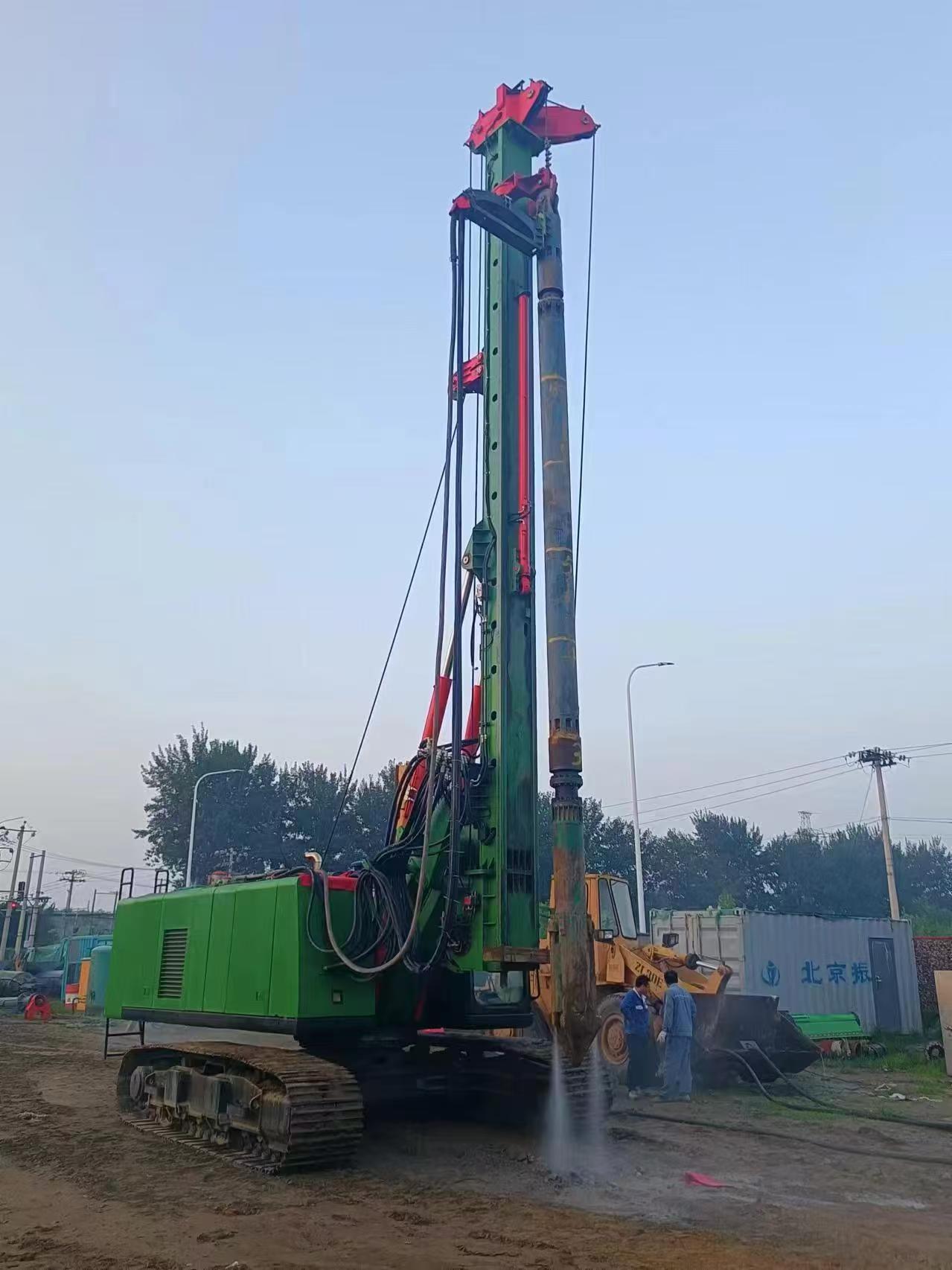
Check Engine and Fluids
Before starting the engine for the day, check the levels of engine oil, coolant, fuel, and hydraulic oil. Look for signs of oil, coolant, or fuel leakage around the machine. Check filters and other service items as required by the manufacturer’s maintenance plan.
If you notice a sudden drop in fluid level or a new leak, find the cause before continuing operation.
Inspect the Hydraulic System
The hydraulic system is responsible for many of the rig’s tasks, so you need to examine it before starting work each day. Make sure the hydraulic oil is at the correct level, and inspect the hoses, connections, and cylinders for damage or signs of leakage. You should also watch for loose hoses and connections, as well as oil around the seals and fittings. Pay attention to how the machine operates during the inspection. If you notice slow or no movement, strange sounds, or overheating, the system might need further inspection. Any new or unusual problem should be checked before starting work.
Check the Rotary Head and Kelly Bar
During drilling, the rotary head and Kelly bar handle high torque and repeated loads, so you should keep a close eye on their condition. Check the rotary head for the gear oil level, loose bolts, oil leakage, abnormal noise, and unusual vibration. If you notice a sudden change in noise or vibration during operation, stop the rig and inspect the cause before resuming work. The Kelly bar transfers torque and crowd force from the rotary head to the drilling tool.
Inspect it for cracks, deformation, excessive wear, and damage around the drive keys, gibs, and locking areas. If you notice unusual wear or deformation, stop operation and have the affected part checked before continuing. These problems can affect the way the drilling tool works and may cause further damage.
You should also clean soil and debris from the Kelly bar regularly. This is particularly important when working in wet or abrasive ground, where material can build up around the Kelly bar and locking areas. A clean Kelly bar also makes it easier to spot cracks, wear, and other damage during daily inspections.
Inspect the Main Winch and Wire Rope
The main winch handles heavy loads during drilling, so you should check the wire rope and related components before you start. Look for broken wires, excessive wear, kinks, or other visible damage. If the wire rope is badly damaged or worn, stop using it and replace it according to the manufacturer’s recommendations.
You should also check how the wire rope winds onto the drum. The rope should wind evenly without loose sections or excessive overlap. Check the drum, brake, and sheaves for wear or damage, and keep them clean and properly lubricated as recommended by the manufacturer.
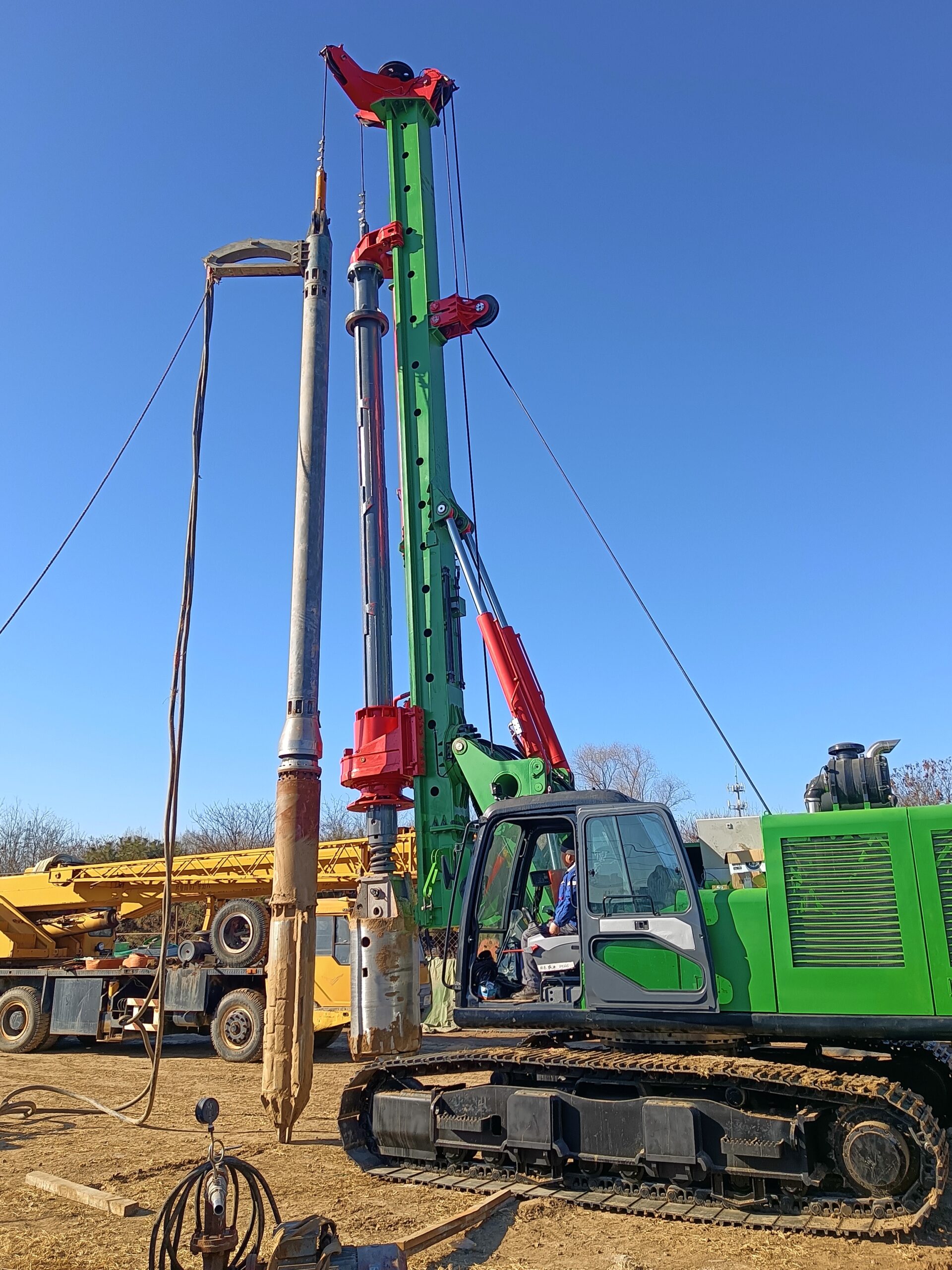
Check Drilling Tools
Drilling tools touch the ground directly, so they can wear out quickly. This is especially true when you are working in abrasive soil and rock. Before you start drilling, take a look at the teeth, adapters, bucket, auger, cutting edges, and pins. Check for signs of excessive wear, cracks, or damage. Make sure all the connections are tight and that no parts are loose or missing.
Worn teeth and cutting edges can make drilling less efficient. They can also put more stress on the rig, which may lead to bigger problems. If you see parts that are badly worn or damaged, replace them before they affect drilling performance or cause further damage to the rig. You should also choose the drilling tool according to the ground conditions and the type of pile work you are doing.
Inspect Mast, Structure and Undercarriage
The mast and main structure carry loads during drilling, so you should check them carefully before starting work. Look at the pins, bolts, and welds for looseness, cracks, or other signs of damage. Pay close attention to the areas around the mast and other heavily loaded connections. If you notice a crack or deformation, stop operation and have the damaged area repaired before continuing work.
You should also inspect the undercarriage, especially if the rig is often moved around the job site. Check the track tension, rollers, and sprockets for wear or damage. Remove soil, mud, and other debris that has built up around the tracks and running gear. Poor track condition can affect machine stability and make moving the rig more difficult.
Before starting work, make sure there are no obvious safety or mechanical problems. Any visible crack, serious leakage, loose connection, damaged wire rope, or abnormal noise should be investigated before the rig continues heavy-duty operation.
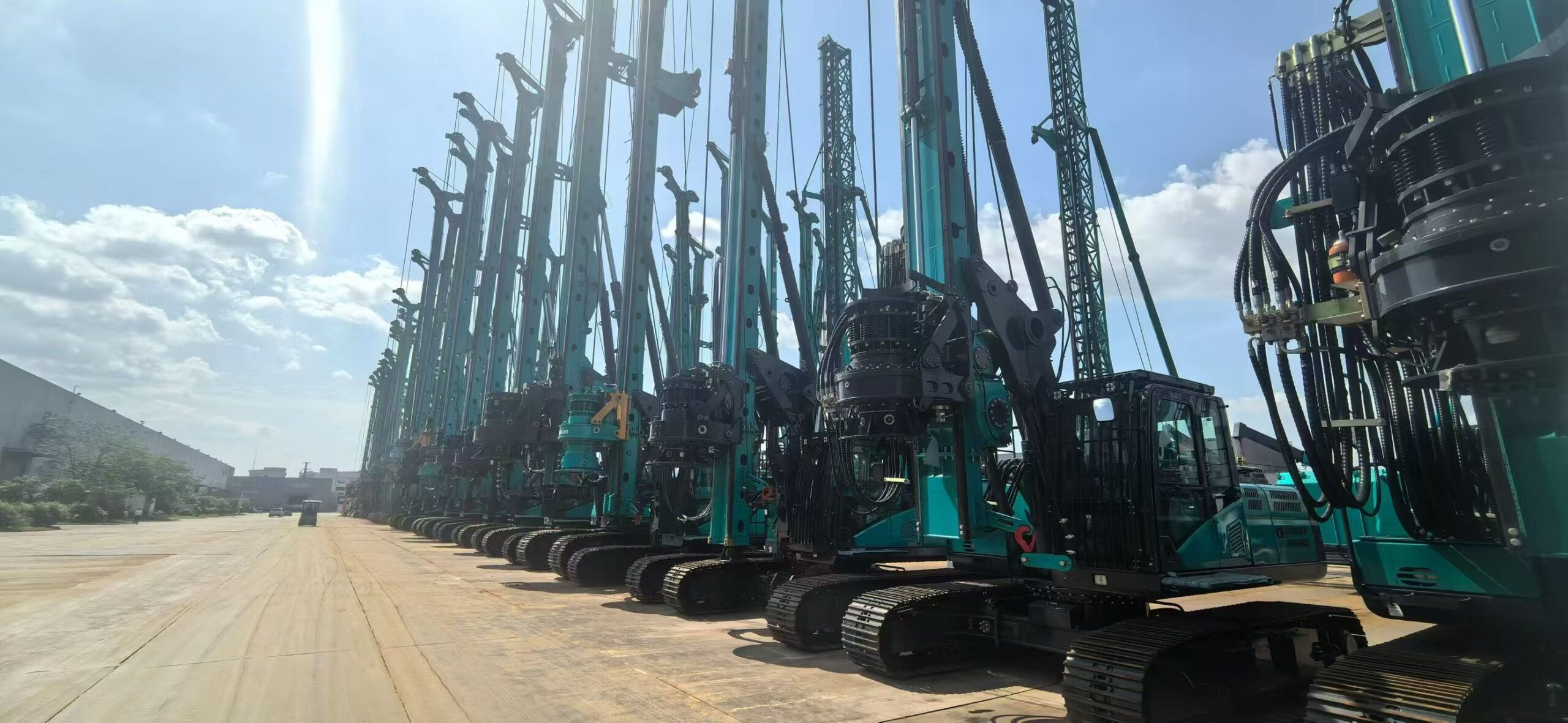
How Often Should a Piling Rig Be Serviced?
A piling rig does not have a fixed service interval that works for every machine. You should follow the maintenance schedule provided by the manufacturer and adjust your checks based on how many hours the rig has worked, the working conditions, and the way the rig is used. A simple maintenance schedule can be split into the following stages:
| Maintenance Frequency | Typical Work |
| Before operation | Visual and safety inspection |
| Daily | Cleaning, lubrication, fluid and wear checks |
| Regular service | Filters, hydraulic system, winch, and rotary head |
| Periodic service | Detailed component inspection and servicing |
| Long-term storage | Cleaning, lubrication, and corrosion protection |
Daily maintenance usually means cleaning the machine, checking fluid levels, lubricating the required points, and inspecting wear parts. If you work on dusty or abrasive ground, you may need to pay extra attention to cleaning and wear.
Regular and periodic servicing means doing more detailed work on items such as filters, the hydraulic system, the winch, the rotary head, and other major components. The exact service interval should follow the manufacturer’s recommendations rather than a general rule.
If you plan to keep the rig out of service for a while, you should clean the machine, lubricate the required components, and protect exposed metal parts from corrosion. Before putting the rig back into operation, carry out a thorough inspection.
There is no single service interval for every piling rig. Actual maintenance intervals depend on the machine model, engine, operating hours, drilling method, ground conditions, and the manufacturer’s recommendations.
What Are the Common Warning Signs of Piling Rig Problems?
Some piling rig problems can be noticed through changes in machine performance, unusual noise, higher temperatures, or visible leaks. If you see something unusual, you can use the warning signs below as a starting point for inspection. This does not mean that one sign always has one specific cause.
| Problem / Warning Sign | What to Check |
| Slow rotary speed | Hydraulic system, motor, pump, tooling |
| Low drilling performance | Tool wear, hydraulic performance, ground conditions |
| Hydraulic overheating | Oil level, oil condition, cooling system |
| Oil leakage | Hose, fitting, seal |
| Rotary head noise | Gearbox, bearing, lubrication |
| Excessive vibration | Drilling tool, ground conditions, rotary system |
| Poor winch performance | Hydraulic system, brake, wire rope, gearbox |
| Engine overheating | Coolant, radiator, engine load |
For example, slow rotary speed does not always mean the rotary motor is broken. You should also check the hydraulic system, the drilling tool, and the ground conditions. Similarly, excessive vibration could come from the tool or the ground rather than the rotary system.
These are general indications. Specific problems should be diagnosed according to the machine manufacturer’s instructions and by qualified personnel.
How Can You Reduce Piling Rig Downtime and Maintenance Costs?
Unexpected breakdowns can delay piling work and increase repair, labor, and equipment costs. You can reduce these risks with practical maintenance and management practices.
Follow a Preventive Maintenance Plan
Do not wait until a component fails before carrying out maintenance. Follow the manufacturer’s maintenance schedule. Adjust it according to your rig’s operating hours, ground conditions, and workload. Planned maintenance is usually easier and less costly than emergency repairs.
Keep Critical Wear Parts Available
A missing replacement part can keep your piling rig out of service even when the repair itself is simple. If you are working on a project, it is useful to keep commonly needed parts available, such as:
- Filters
- Hydraulic hoses
- Seals
- Drilling teeth and adapters
- Wire rope
- Sensors
You should base your spare-parts list on your rig model and actual working conditions rather than simply keeping a large number of parts in stock.
Train Operators
How you operate the rig can also affect maintenance costs. Excessive crowd force, torque, improper Kelly bar operation, and poor drilling tool selection can increase wear on the rig and tooling.
Make sure your operators understand the machine’s working limits and select drilling parameters and tools according to the ground conditions.
Keep Maintenance Records
Record the operating hours, maintenance date, replaced parts, problems found, and next service date. This helps you track the machine’s service history and identify parts or problems that require attention more frequently.
Choose a Manufacturer With Reliable After-Sales Support
For overseas projects, spare-parts availability, operator training, commissioning, remote technical support, and timely technical assistance can have a direct impact on equipment uptime.
When you choose a piling rig manufacturer, look beyond the machine specifications. Check what support you can receive after delivery. BVEM provides commissioning and operator training, spare-parts support, remote technical assistance, and on-site technical service for overseas projects. This helps you handle maintenance issues efficiently and keep your project moving.

FAQ
How Do Ground Conditions Affect Piling Rig Maintenance?
Ground conditions can affect how quickly a piling rig and its drilling tools wear. You need to take ground conditions into account when planning maintenance instead of looking at operating hours alone.
| Ground Condition | Main Maintenance Concern |
| Soil | Mud and debris buildup |
| Sand | Abrasive wear on drilling tools |
| Gravel | Impact and vibration |
| Hard rock | Higher torque and component loads |
| Abrasive rock | Faster tooth and tool wear |
The same piling rig might need different maintenance on different projects. For example, abrasive rock can cause drilling teeth to wear out quickly, while muddy ground might require more frequent cleaning. Adjusting maintenance based on ground conditions can help you spot wear earlier and prevent unnecessary downtime.
Can a Standard Excavator Be Used for Piling?
Yes, a standard excavator can be used for piling if you fit it with a suitable attachment, such as a vibratory hammer or an auger drive. The excavator must have sufficient operating weight, engine power, hydraulic flow, and stability to handle the attachment and piling work. The required excavator size also depends on the pile type, pile depth, ground conditions, and working method. Before choosing an excavator, you should check the attachment requirements and machine specifications carefully.
Can a Piling Rig Be Used for All Piling Methods?
Not every foundation project follows the same approach. Depending on the type of pile and the ground conditions, you might use a piling rig, vibro hammer, or auger for different piling tasks. When it comes to ground improvement, you can use a vibroflot or vibrocat to improve granular soils. The right equipment depends on the pile type, required depth, ground conditions, and construction method. When choosing equipment, you should also consider how it will affect productivity and wear on the tools.
What Spare Parts Should I Keep for a Piling Rig?
You should make sure that wear parts and service parts are always in stock, especially when the piling rig is operating at a remote or busy job site. Useful spare parts might include drilling teeth, cutting edges, wire rope, hydraulic hoses, seals, filters, and other parts that are replaced often. The exact list of parts varies depending on the rig model, how many hours the rig has been used, the type of ground, and the drilling method. Before starting a project, you can check the manufacturer’s recommended list of parts and get the parts that are most likely to be needed.
When Should I Replace Piling Rig Wear Parts?
You should replace wear parts on the piling rig when they are badly worn, damaged, or start to affect drilling performance. For example, worn drilling teeth and cutting edges can reduce drilling efficiency, while damaged wire rope or hydraulic hoses can affect safe operation. The time to replace a part depends on the part itself, how many hours it has been used, the ground conditions, and the workload. If you see excessive wear, lower performance, cracks, or other visible damage, check the part and replace it as the manufacturer recommends.
Find the Right BVEM Piling Rig for Your Project
BVEM Piling Rigs offer efficient bored pile construction in urban areas, utility sites, residential projects, and large-scale infrastructure projects. These rigs offer high torque for hard rock, fit into tight spaces, mobilize quickly, and improve fuel efficiency. BVEM provides piling solutions for different ground conditions and project needs. Get in touch with us for model selection based on your pile diameter, depth, ground conditions, and project requirements.