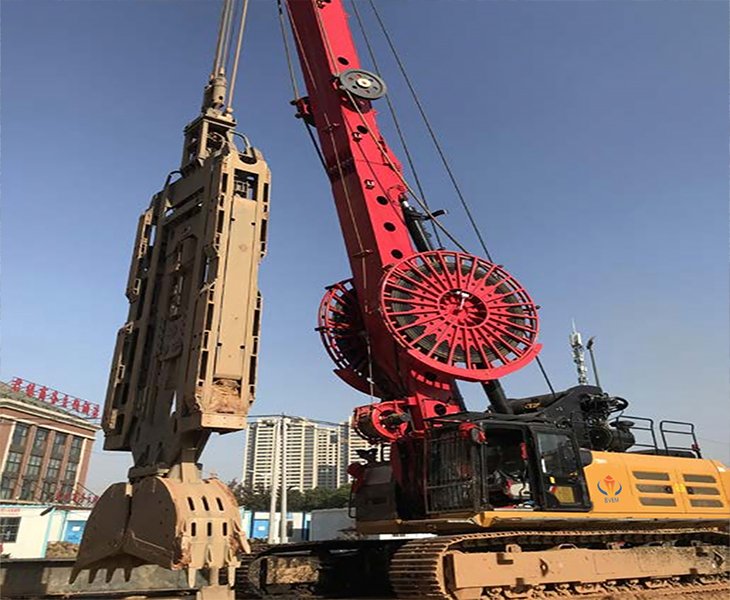
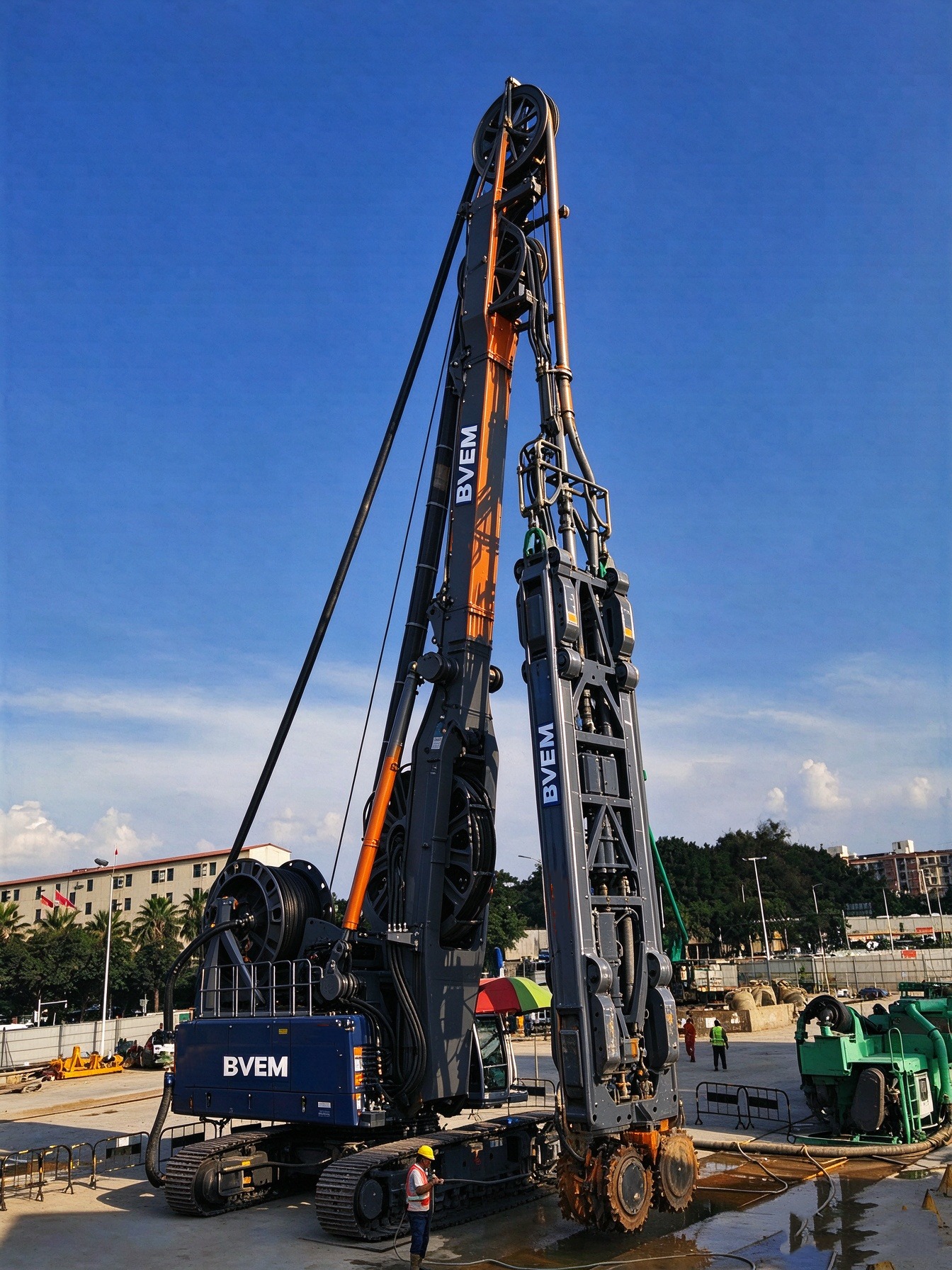
Diaphragm walls can be built using different methods and forms. Different types vary in the materials they use, how they are built, the ground conditions they suit, and their typical applications. Understanding these differences can help you choose a wall system that fits your project and select a construction method that matches the site conditions and project requirements.
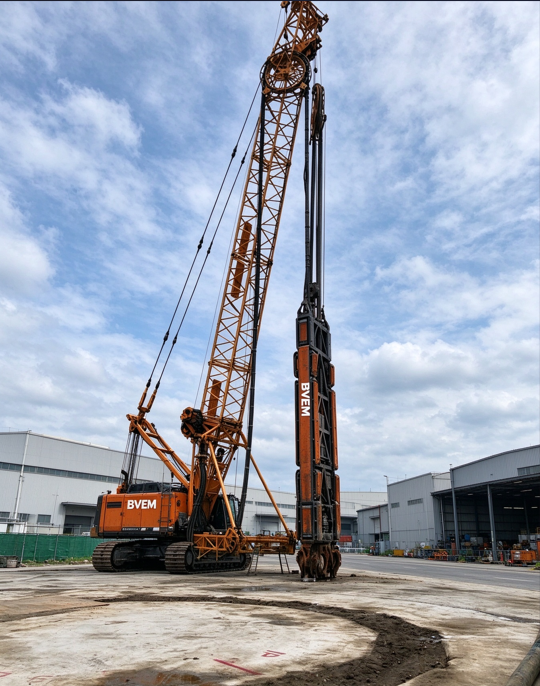
What Are the Main Types of Diaphragm Walls?
Diaphragm walls can be sorted based on how the trench is excavated and how the wall is built. Common methods include cast-in-place construction, grab excavation, cutter excavation, and precast panel construction. The key differences are related to how the trench is excavated, how the wall is constructed, the ground conditions, and the types of projects where each method is commonly used.
| Type | Main Feature | Typical Application |
|---|---|---|
| Conventional Cast-in-Place Diaphragm Wall | Reinforced concrete cast panel by panel in a slurry-supported trench | Deep excavations, basements, metro and underground structures |
| Grab-Excavated Diaphragm Wall | Panels excavated with a mechanical or hydraulic diaphragm wall grab | General soil conditions and common deep excavation projects |
| Cutter-Excavated Diaphragm Wall | Trench formed using a trench cutter or hydromill | Hard, mixed, or difficult ground and deeper excavations |
| Precast Diaphragm Wall | Precast concrete panels installed in prepared trenches | Projects where precast production and installation are practical |
Conventional Cast-in-Place Diaphragm Wall
A conventional cast-in-place diaphragm wall is constructed panel by panel in an excavated trench. The trench is usually supported by bentonite or polymer slurry during excavation and reinforcement work. Reinforced concrete is then placed to form the wall. If you are building a basement, a metro station, or another permanent underground structure, this method can be used when a continuous reinforced concrete wall is needed.
This approach provides good structural strength and can also help control groundwater. But it requires the trench to remain stable, the slurry to be properly controlled, and the reinforcement and concrete to be installed correctly. So it usually needs specialized equipment and experienced workers.

Grab-Excavated Diaphragm Wall
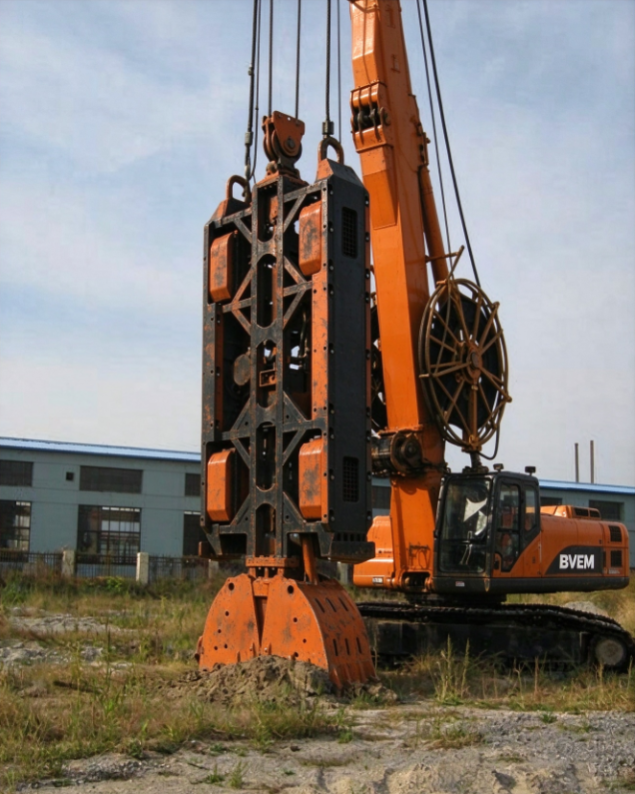
A grab-excavated diaphragm wall is formed by excavating individual panels with a mechanical or hydraulic diaphragm wall grab. The grab is usually suspended from a crane and operates through repeated excavation cycles. If your project has suitable soil conditions and requires panel-by-panel excavation, this method can be a practical choice. When choosing the grab, you should consider the panel width, excavation depth, wall thickness, ground conditions, and available crane capacity.
One advantage of grab excavation is its flexibility in soil and mixed ground conditions. However, hard rock or difficult obstructions may reduce grab excavation efficiency and may require additional equipment or a different excavation method.
Cutter-Excavated Diaphragm Wall
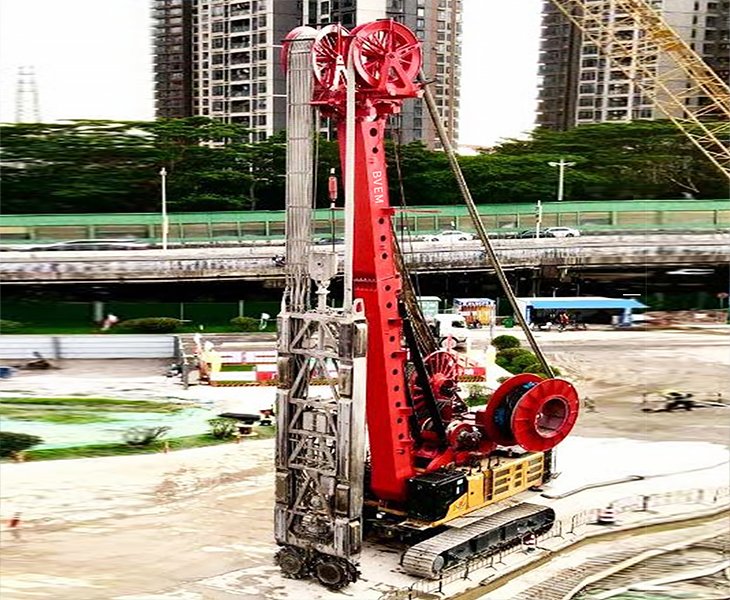
A cutter-excavated diaphragm wall uses a trench cutter, also known as a hydromill, to form the trench. This method uses rotating cutting wheels to continuously excavate the ground. Unlike a grab, which works in repeated excavation cycles, the cutter provides continuous cutting. If you need to excavate through mixed layers of soil and rock, this approach can be a practical choice. It is especially useful where conventional grab excavation may be less suitable.
The continuous cutting process is useful for deeper excavations or when the ground is hard. However, the process requires more specialized cutter systems and supporting equipment, so you need to consider the equipment carefully based on the conditions at the site.
Precast Diaphragm Wall
A precast diaphragm wall uses reinforced concrete panels made in a factory. These panels are transported to the job site and placed into prepared trenches. This method requires planning for the panel size, transportation, lifting, installation, and joint connections. If your project is suitable for precast production and panel installation, this option may be worth considering.
One advantage is that panel production can be controlled in a factory environment. This helps maintain consistent quality and reduces some on-site concrete work. However, transportation, lifting, panel alignment, and joint installation can make this method challenging when site access or lifting conditions are limited.
Diaphragm Wall Types vs Related Wall Systems
Not every wall used for excavation or groundwater control is a diaphragm wall. Some wall systems serve similar functions but use different construction methods or materials. Understanding these differences can help you avoid confusing related wall systems with diaphragm wall types.
Secant Pile Wall
A secant pile wall is made by drilling overlapping piles to form a retaining wall. It can serve a similar function to a diaphragm wall when supporting deep excavations and helping control groundwater. However, the construction method is different. In a secant pile wall, the piles overlap each other to create a continuous barrier. A conventional diaphragm wall, on the other hand, is formed by excavating a trench and placing reinforced concrete panels into it. Because of this difference in construction method, a secant pile wall is usually considered a related retaining wall system rather than a type of diaphragm wall.
Soil-Mixed Wall
A soil-mixed wall is made by blending the soil with cement or other binding materials to create a solid treated layer. This type of wall is often used to stabilize soil, support excavation work, or help control groundwater in construction projects. The construction method is different from that of a reinforced-concrete diaphragm wall. Instead of excavating sections and pouring concrete, a soil-mixed wall is built in place by mixing the soil with binders on site. Because of this difference, soil-mixed walls should not be treated as the same type of system as conventional diaphragm walls. Although they may look similar at first glance, the way they are made affects how they are designed, built, and used.
Slurry Wall
The term slurry wall can be confusing. It is often used as another name for a diaphragm wall, especially in deep excavation projects. In this context, “slurry” refers to the support fluid that helps keep the trench stable during excavation. A slurry wall is therefore not always a separate type of wall. In construction references, diaphragm wall and slurry wall can refer to essentially the same type of underground wall system.
How Do Diaphragm Wall Types Differ?
When you look at the options, you should pay attention to how each one fits your site instead of just looking at the name.
| Factor | Cast-in-Place | Grab-Excavated | Cutter-Excavated | Precast |
| Material | Reinforced concrete formed on site | Reinforced concrete | Reinforced concrete | Precast concrete panels |
| Excavation method | Panel excavation | Panel excavation with a grab | Continuous cutting | Trench prepared for panel installation |
| Ground conditions | Wide range | Common and mixed soils | Hard or mixed ground | Depends on site and installation conditions |
| Depth | Suitable for deep excavation | Suitable for deep excavation | Suitable for deep and very deep excavation | Depends on panel design and project conditions |
| Main consideration | On-site concrete construction | Grab performance and soil conditions | Cutting performance and ground hardness | Panel transport, lifting, and joints |
| Typical application | Underground structures and deep excavations | General diaphragm wall projects | Projects with harder ground | Projects suited to precast installation |
You may find that two projects can use the same type of diaphragm wall but need different excavation methods or machines. For example, grab excavation and cutter excavation can both be used for reinforced concrete diaphragm walls. Which option is suitable can change depending on the ground conditions and excavation requirements.
How Much Does Diaphragm Wall Construction Cost?
The cost of diaphragm wall construction can differ greatly between projects. There is no fixed price for every type of diaphragm wall because the total cost depends on the construction method, ground conditions, diaphragm wall depth, diaphragm wall thickness, site conditions, and project requirements.
What Affects the Cost?
The construction method is one of the main factors. Grab excavation, cutter excavation, cast-in-place construction, and precast panels each require different equipment, materials, labor, and construction processes. For instance, a cutter method may require specialized equipment when the ground is hard or difficult to excavate.
Ground conditions can also affect the cost of diaphragm wall construction. Soft soil may be easier to excavate, while hard layers, rock, or difficult obstructions may require additional equipment, longer excavation time, or a different method.
Diaphragm wall depth and diaphragm wall thickness also affect the amount of concrete, reinforcement, slurry management, equipment time, and labor required. Deeper or thicker diaphragm walls generally require more resources to construct.
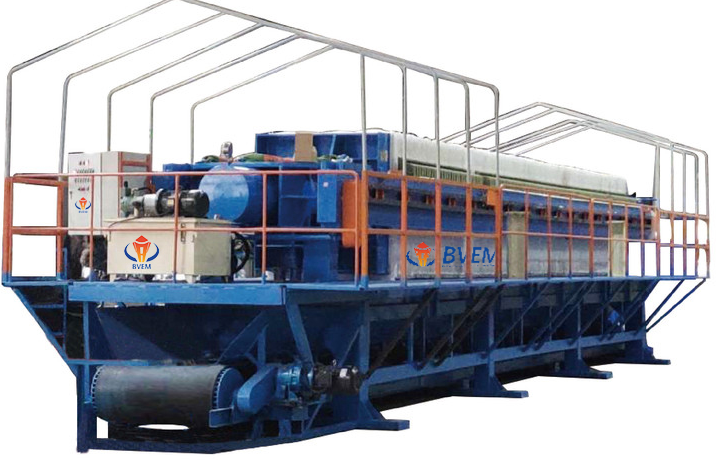
You should also look at site access, equipment availability, slurry treatment, transportation, and installation requirements. For precast diaphragm walls, the cost may include panel production, transportation, lifting, alignment, and joint installation. For slurry-supported excavation, equipment such as desanders and filter presses may also add to the overall project cost.
When comparing diaphragm wall options, you should look beyond the initial equipment or construction price. Consider the ground conditions, required diaphragm wall design, construction method, equipment requirements, and expected construction time to understand the overall cost of the project.
How Do You Choose the Right Type of Diaphragm Wall?
There is no single diaphragm wall type that works for every project. When you look at the choices, you should start by examining your site conditions and project requirements.
Grab Excavation
If you mainly need to excavate soil or mixed ground with a few rocks, a grab-excavated diaphragm wall might be a good choice. It can also be useful if you already have a crane and prefer to excavate one panel at a time.
Cutter Excavation
If the trench contains soil, weathered rock, or other tough ground, a cutter-excavated method might work better. You may also consider a cutter when continuous excavation is important for your project.
Precast Panels
If you have access to transport and lift large concrete panels, and factory production fits your project schedule, a precast diaphragm wall could be a good option. You should also make sure that panel installation and joint connections are practical at the site.
Conventional Cast-in-Place Walls
If your project needs a reinforced concrete wall to support the excavation, control groundwater, or create a permanent underground structure, a conventional cast-in-place diaphragm wall may be suitable.
In practice, you should compare the construction method with your site conditions, project requirements, and available equipment before making the decision.
FAQ
Which type of diaphragm wall is suitable for hard ground?
A cutter-excavated diaphragm wall is often suitable for hard or mixed ground because a trench cutter or hydromill can continuously cut through tough soil and rock layers. If you have to dig through soil, gravel, or rock, you might want to use a cutter method instead of a traditional grab. However, the right method depends on the ground conditions, how deep you need to dig, how thick the wall needs to be, and what equipment you have for your project.
How Long Does It Take to Construct a Diaphragm Wall?
The time needed to construct a diaphragm wall depends on the size and shape of the excavation. It also depends on the wall type, ground conditions, site access, equipment, and project requirements. Weather can affect the schedule, while quality control and safety measures may also add time. Every project is different, so it is hard to give a fixed construction time. The actual schedule may be longer or shorter depending on the site and construction conditions.
What supporting equipment may be needed for diaphragm wall construction?
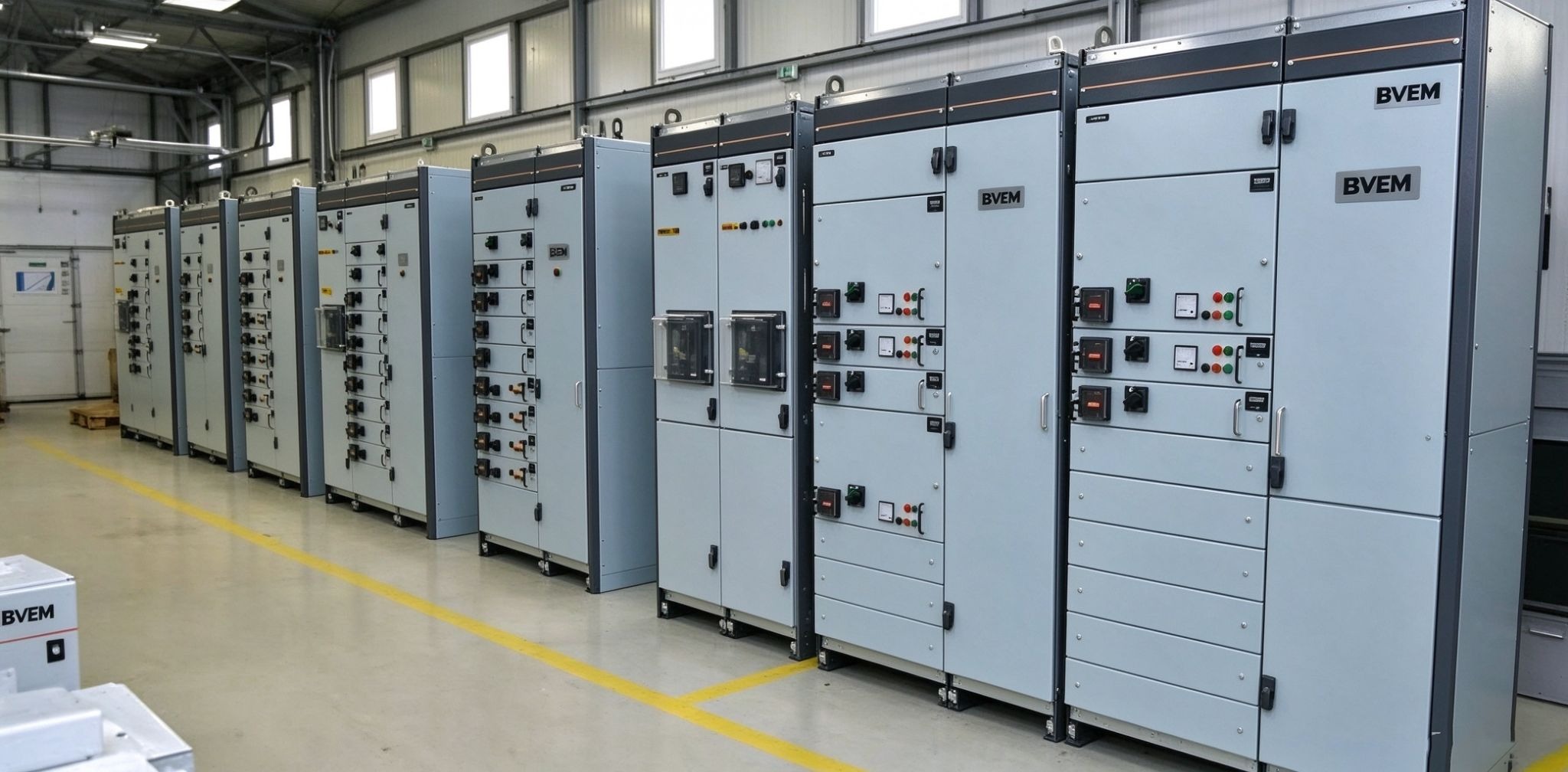
In addition to the excavation equipment, you might need several supporting systems when building a diaphragm wall. A desander can help remove sand and other solid materials from the slurry. A filter press can be used to separate water and solids from the treated slurry. An electrical control cabinet might be required to operate and control the equipment on site. The specific supporting equipment you need depends on your construction method, slurry system, site conditions, and project requirements.
How Deep Can a Diaphragm Wall Be Constructed?
Diaphragm walls can be built to significant depths, depending on the project and construction conditions. There is no maximum depth that fits every project. The depth you can reach depends on factors such as the ground type, wall thickness, trench stability, excavation equipment, and crane capacity. If you are planning a deep diaphragm wall, you should consider these factors during the design and equipment selection stages to make sure the excavation method can reach the required depth.
What Is Slurry Used for in Diaphragm Wall Construction?
Slurry is used to keep the trench stable during diaphragm wall excavation. Bentonite or polymer slurry creates pressure against the trench walls and helps reduce the risk of collapse while the trench is open. The slurry remains in the trench while reinforcement is installed and is later displaced by concrete. Depending on site conditions, equipment such as a desander or filter press may be used to treat the slurry and remove sand and other solids.
BVEM Diaphragm Wall Equipment
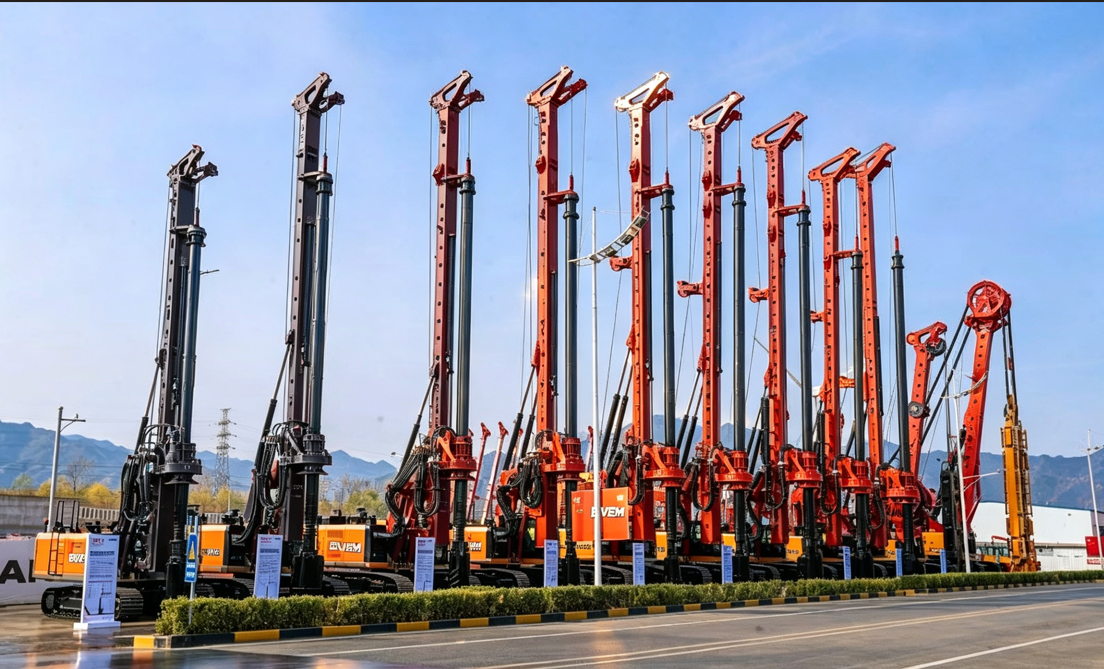
BVEM offers diaphragm wall grabs and trench cutters, as well as a full range of supporting equipment, including desanders, filter presses, excavators, and electrical control cabinets. BVEM products have been shipped to more than 60 countries and regions. Share your project details with us, and we can recommend suitable equipment based on your requirements.