If you are looking for a way to separate solids from liquids in your industrial process, understanding how a filter press works is a good place to start. This guide explains the filter press working principle, walks you through the stages of operation, and introduces the key components and factors that affect filtration performance.
What Is a Filter Press?

A filter press is a piece of equipment used to separate solids from liquids by applying pressure to slurry. It consists of a series of filter plates covered with filter cloths. These plates form chambers that hold the slurry during filtration.
As slurry enters the filter press, pressure forces the liquid through the filter cloth, while solid particles are retained in the chambers. The filtered liquid, known as filtrate, flows out through dedicated drainage channels. Meanwhile, the retained solids accumulate to form a filter cake.
Filter presses are widely used for sludge dewatering and solid-liquid separation in industries such as mining, chemical processing, and wastewater treatment.
How Does a Filter Press Work Step by Step?
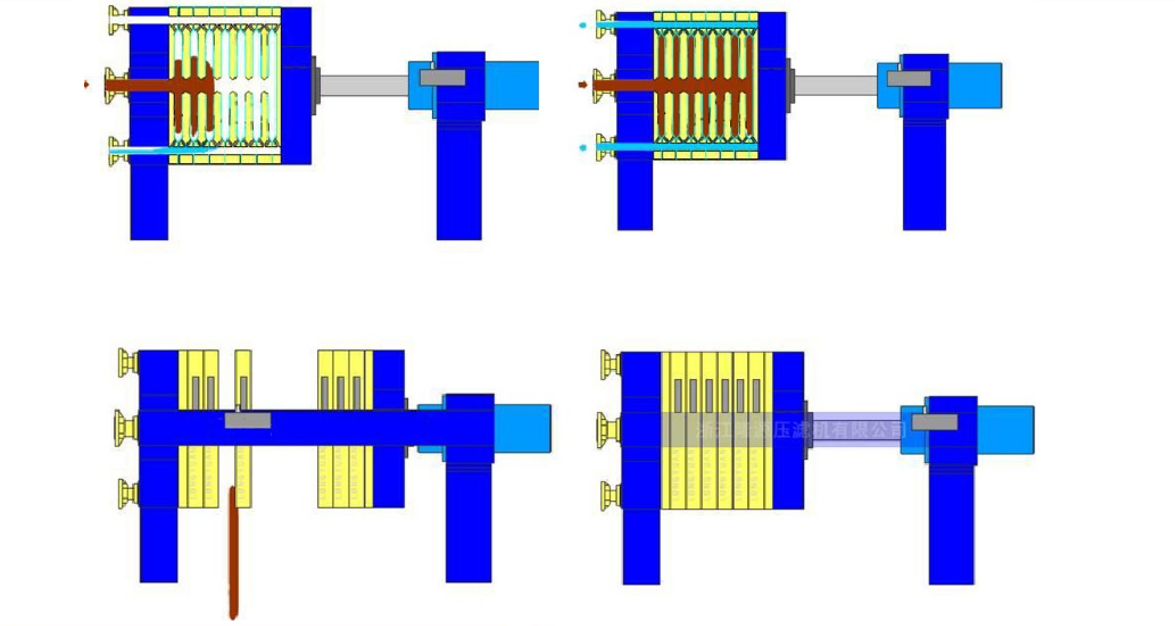
A filter press separates solids from liquids through pressure filtration. The process begins when the filter plates close and slurry is pumped into the machine. As pressure builds, liquid passes through the filter cloth while solid particles are retained in the filter chambers. Once filtration is complete, the filter cake is discharged, and the press is prepared for the next cycle. Understanding these steps helps you see how a filter press works and what happens during each cycle.
Filter Plate Closing
Before filtration starts, the filter plates are pressed together to form sealed chambers. Each plate is covered with filter cloth, which allows liquid to pass through while retaining solid particles. The steel frame supports the plate assembly, while a hydraulic or mechanical closing system holds the plates together during operation.
Proper plate closure helps prevent slurry leakage when the feed pump starts delivering material into the press. If the plates are not properly aligned or sealed, you may experience leakage during filtration.
Slurry Feeding
Once the plates are closed, a feed pump delivers slurry into the filter chambers through the feed ports. Slurry is a mixture of liquid and suspended solid particles, such as wastewater sludge, mineral tailings, or chemical residues.
As the chambers fill, the pump provides the pressure needed to drive filtration. The required pressure depends on your slurry properties, the desired filtration results, and the filter press design.
Filtration and Cake Formation
Under pressure, liquid passes through the filter cloth while most solid particles are retained inside the chambers. The filtered liquid, known as filtrate, flows through drainage channels in the filter plates and exits through the filtrate outlets.
Meanwhile, the retained solids accumulate on the filter cloth and gradually form a layer called the filter cake. As the cake builds up, it captures additional particles but also creates resistance to liquid flow. Your filtration rate therefore depends on factors such as particle size, solids concentration, filter cloth selection, and operating pressure.
Filtration Completion
Filtration continues until the process reaches its defined endpoint. Depending on your application and equipment, this may be determined by the feed pressure reaching its set limit, the filtrate flow rate dropping to a specified level, or the specified filtration time being reached.
When filtration is complete, the feed pump stops. The system must be depressurized according to the manufacturer’s operating procedures before the plates are opened.
Filter Cake Discharge
Once the system has been depressurized and is safe to open, the filter plates are separated to release the filter cake. In many applications, the cake falls by gravity, although its consistency and the equipment design can affect how easily it is removed.
You can then collect the discharged solids for disposal, transport, or further processing. The filter cloth may also need to be inspected or cleaned to prevent clogging. Finally, the plates are closed again, and the filter press is ready for the next filtration cycle.
What Are the Main Components of a Filter Press?
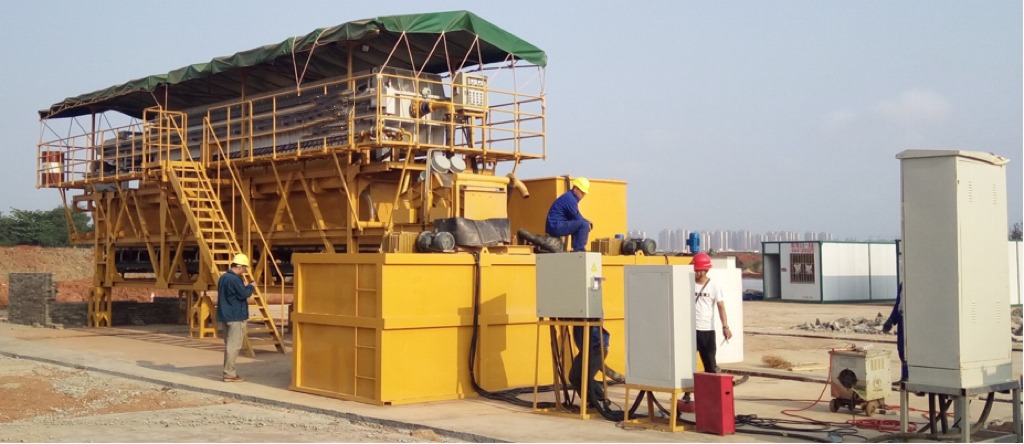
A filter press consists of several parts that work together to separate solids from liquids. Each part has a specific function: some support the filter plates, others deliver slurry, and others collect the filtered liquid. Understanding how these components work helps you choose the right equipment for your application.
Frame
The frame is the main supporting structure of a filter press. It holds the filter plates in place and withstands the forces generated during operation. A well-designed frame helps keep the machine stable and the plates properly aligned throughout the filtration cycle.
Filter Plates
Filter plates are arranged in a series to form filter chambers when the press is closed. These chambers hold the slurry during filtration. The size, design, and number of plates affect the available filtration area and the amount of slurry the press can handle.
Filter Cloth
Filter cloth acts as the filtering medium in a filter press. It allows liquid to pass through while retaining solid particles inside the filter chambers. Choosing the right cloth depends on your slurry properties, particle size, chemical compatibility, and required filtration results.
Hydraulic Closing System
The closing system presses the filter plates together to form sealed chambers and help prevent slurry leakage during operation. Many industrial filter presses use hydraulic closing systems, while some designs use mechanical closing mechanisms.
Feed Pump
The feed pump delivers slurry into the filter chambers and provides the pressure needed for filtration. Its capacity and pressure rating should match your slurry properties and process requirements to support effective solid-liquid separation.
Filtrate Discharge System
The filtrate discharge system collects the liquid that passes through the filter cloth and the drainage channels in the filter plates. Pipes, outlets, and valves direct the filtrate to a collection point for reuse, further treatment, or discharge, depending on your process requirements.
What Factors Affect the Filter Press Working Process?
The way a filter press works depends on several factors, including slurry properties, filter cloth selection, filtration pressure, and operating settings. These factors affect how quickly liquid passes through the filter cloth, how much solid material is retained, and how much moisture remains in the final filter cake.
Slurry Properties

The solids content, particle size, slurry viscosity, and chemical composition all affect filter press performance. Small particles can clog the filter cloth more easily, while highly viscous slurry can slow down liquid flow. Before choosing a filter press, check your slurry properties to determine the required filtration area, filter cloth, and operating settings.
In some slurry treatment systems, a desander removes coarse sand particles before the next treatment stage. A filter press then separates solids from liquid, depending on the slurry properties and process requirements.
Filter Cloth Selection
The filter cloth affects how easily liquid passes through while retaining solid particles. A cloth with an unsuitable pore size may allow solids to pass through or become clogged during operation. You should choose a filter cloth that matches your slurry properties, particle size, and separation requirements.
Filtration Pressure
The feed pump provides the pressure needed to push liquid through the filter cloth. Higher pressure does not always mean faster filtration. As the filter cake builds up, resistance to liquid flow increases. Excessive pressure may also compact some types of filter cake, making it harder for liquid to pass through. You should select the operating pressure based on your slurry properties and filter press design.
Filter Cake Formation
As solid particles accumulate inside the filter chambers, they form a filter cake. The cake’s thickness, structure, and permeability all affect filtration performance. Slurries that form dense or highly compressible cakes may require longer filtration times or adjusted operating conditions to achieve the desired cake moisture level.
Filtration Time and Operating Settings
The filtration cycle depends on the slurry properties, cake formation, operating pressure, and required results. Ending the cycle too early may leave excess moisture in the filter cake, while extending it too long can reduce productivity without significantly improving the result. You should determine the appropriate cycle time through testing and monitor indicators such as filtrate flow rate and operating pressure.
FAQ
Can a Filter Press Be Used in Diaphragm Wall Construction?
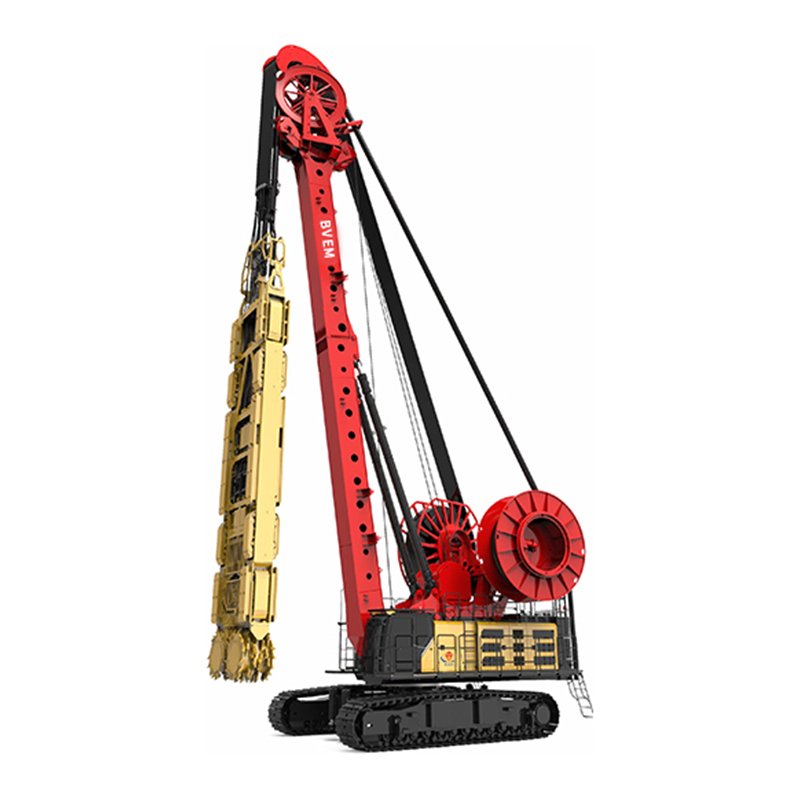
Yes. A filter press can be used to remove water from slurry generated during diaphragm wall construction. Depending on the treatment process, a desander may remove coarse particles before the slurry enters the filter press. Equipment such as a diaphragm wall grab or trench cutter excavates the ground, while the filter press separates solids from liquid in the slurry treatment system.
What Is a Filter Press Used For?
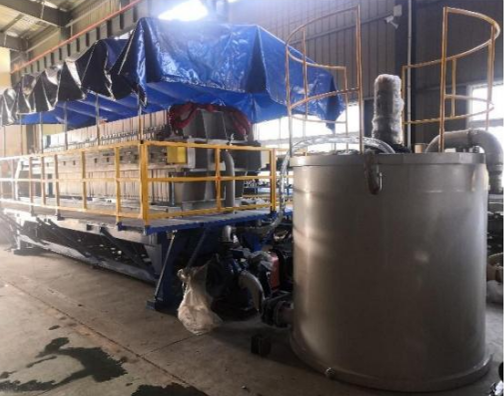
Filter presses are widely used for solid-liquid separation across demanding industries, including mining, wastewater treatment, chemical processing, food production, and construction. Whether dewatering mineral tailings, lowering sludge moisture, or processing foundation slurry from tunneling and piling projects, these heavy-duty machines deliver high-efficiency dewatering.
Choosing the right filter press depends on your specific slurry characteristics, processing volume, and required cake dryness.
How Do You Choose the Right Filter Press?
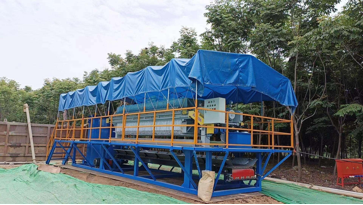
Choosing the right filter press depends on your slurry properties, required cake dryness, filtration cycle time, and labor availability. If you need a lower cake moisture content, you can consider a membrane filter press. If you want to reduce manual work, an automatic filter press may be a better option. You should also consider your processing capacity and specific application requirements. By discussing these factors with a supplier, you can find a filter press that suits your process.
How Long Does a Filter Press Last?
An industrial filter press can last for many years if it is operated correctly and maintained regularly. Its service life depends on the machine’s design, operating conditions, frequency of use, and maintenance practices. Some components wear out faster than others, such as filter cloths and hydraulic seals, and may need to be replaced periodically.
How Do You Know When a Filter Press Cycle Is Complete?
A filter press cycle is usually nearing completion when the feed pressure reaches the operating limit and the filtrate flow rate drops significantly. This happens because the filter cake has built up, increasing resistance to liquid flow. However, you should not rely on pressure and flow rate alone. You also need to consider the machine’s settings and process requirements to determine when to stop feeding and discharge the filter cake.

BVEM Filter Press and Foundation Equipment Solutions
BVEM supplies filter presses featuring high-performance GFRPP filter plates and reliable electrical and hydraulic systems. We also offer desanders, diaphragm wall grabs, trench cutters, and other foundation construction equipment to support slurry treatment and foundation projects.
Contact BVEM to discuss your slurry treatment requirements and find an equipment solution suited to your project.