A filter press separates solids from liquids by forcing slurry through filter cloth under pressure. Its performance depends on how well the main components work together, including the filter plates, filter cloth, hydraulic system, and feed pump. If you are choosing a filter press or reviewing an existing system, understanding these parts can help you assess filtration performance, maintenance needs, and equipment configuration.
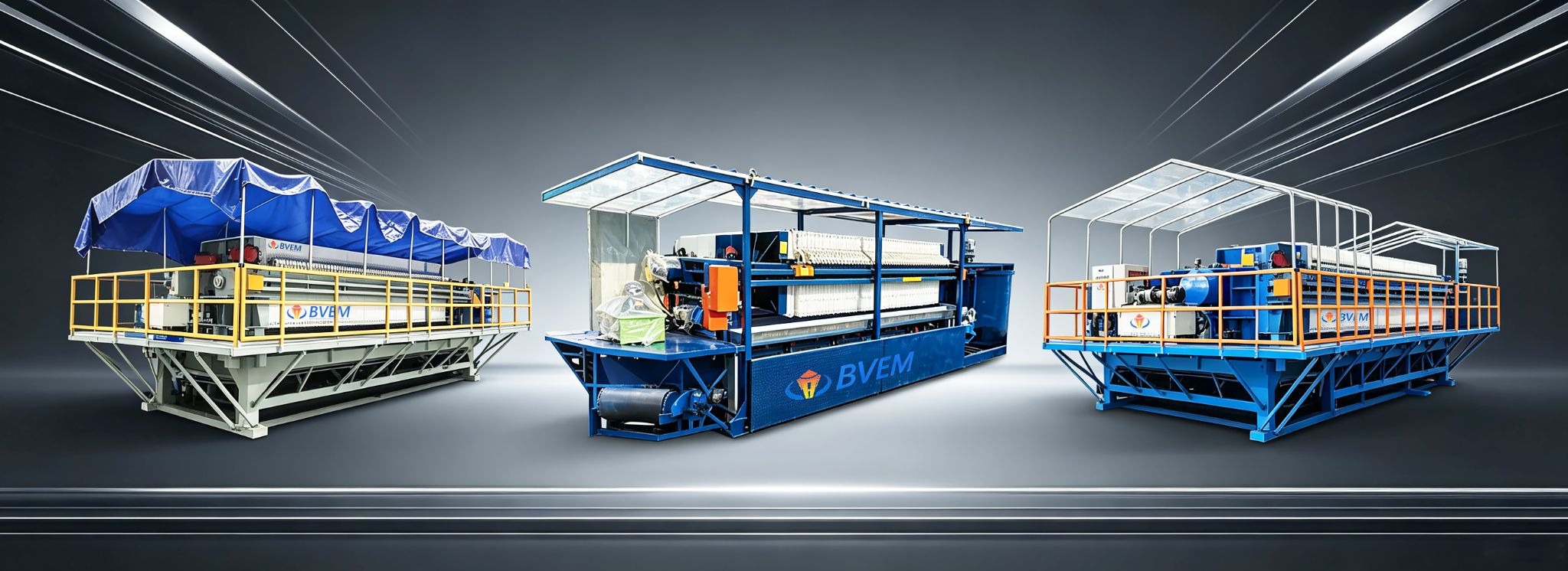
What Are the Main Components of a Filter Press
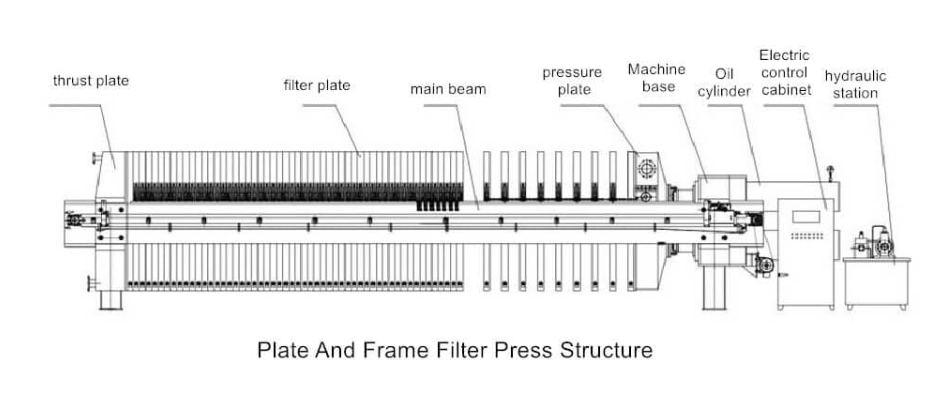
A filter press has several main components, each with a specific role in separating solids from liquids. The frame supports the plate assembly, while the filter plates and cloth retain solids and allow liquid to pass through. The hydraulic system presses the plates together, and the feed pump delivers slurry into the chambers. Piping and valves direct slurry and filtrate through the system. Depending on your application, additional equipment may be needed for automation and maintenance.
Key Filter Press Components and Their Functions
Frame and Closure System
The frame supports the filter press and keeps the filter plate assembly in place while the machine operates. It usually includes a fixed head, a moving head called the follower head, and sidebars or overhead beams that support and guide the plates. The hydraulic closure system moves the follower head and pushes the plates together to form sealed filtration chambers.
A strong frame helps the press withstand operating forces and keeps the plates aligned. When choosing a filter press, check the frame strength, plate size compatibility, and available closing force. Make sure the closure system can provide the required pressure and suit your planned filtration cycle.
Filter Plates and Filter Chambers
Filter plates hold the filter cloth and form chambers where solids build up to create filter cakes. Their design affects chamber volume, cake capacity, sealing, and moisture removal.
Common designs include recessed chamber, plate-and-frame, and membrane filter plates. Recessed chamber plates form chambers between adjacent plates and are widely used for solid-liquid separation. Plate-and-frame designs use separate plates and frames to create filtration spaces and may suit specific process requirements. Membrane plates have flexible surfaces that squeeze the cake after the initial filtration stage, helping remove additional moisture when the process and slurry are suitable.
When choosing plates, check their size, material, chamber volume, operating pressure, and sealing requirements. If you are replacing existing plates, also confirm that the new ones are compatible with your filter press.
Filter Cloth
Filter cloth retains solid particles while allowing liquid, known as filtrate, to pass through. The cloth material, weave, pore size, and surface properties affect filtrate clarity, filtration speed, and how easily the cake releases after the cycle.
Different slurries require different cloth properties. For example, fine particles may require a tighter weave, while abrasive slurry may need more wear-resistant cloth. Chemical compatibility and operating temperature also matter because unsuitable cloth may wear out or deteriorate prematurely.
Before choosing filter cloth, consider your slurry’s particle size, chemical composition, and temperature, as well as the required filtrate quality and cake-release performance. If you clean the cloth regularly, check that it can withstand your cleaning method.
Hydraulic System
The hydraulic system provides the force needed to close the filter press and keep the plates pressed together during filtration. Its main components typically include a hydraulic pump, cylinders, valves, hoses, and seals. The cylinders move the follower head, while the valves control hydraulic operation.
If the closing force is insufficient or the seals leak, the plates may not seal properly, causing slurry leakage and interrupting the filtration cycle. Regularly check the hydraulic oil level and condition, hoses, and seals to keep the system running reliably.
When buying a filter press or replacement hydraulic components, check the closing force, system pressure, cylinder specifications, and compatibility with the machine. You should also consider safety features and the availability of maintenance support.
Feed Pump
The feed pump delivers slurry into the filter press chambers. As the slurry enters, liquid passes through the filter cloth and drainage channels, while solids accumulate inside the chambers. The pump’s flow rate and discharge pressure affect how quickly the chambers fill and how the filtration cycle progresses.
The right pump depends on more than the filter press size. Slurry concentration, viscosity, particle size, and abrasiveness all influence pump selection. A pump that does not match the slurry or operating conditions may cause excessive wear, unstable feeding, or inefficient filtration.
Before choosing a feed pump, provide the supplier with details about your slurry, required throughput, and operating pressure. Make sure the pump can handle the material and operate within the filter press’s allowable pressure limits.
Manifold, Piping and Valves
Manifolds, piping, and valves direct slurry into the filter press and carry filtrate away from the plates. Depending on the design, the press may use open or closed filtrate discharge. Additional pipework may also be needed for cake washing or compressed-air blowing to remove residual liquid after filtration.
Well-designed flow paths and reliable connections help maintain steady feeding and effective filtrate drainage. Poor sealing, blocked pipes, or unsuitable pipe materials can cause leaks, restrict flow, or lead to premature wear.
When reviewing the piping configuration, check the inlet and outlet sizes, valve types, sealing performance, and material compatibility with your slurry and cleaning chemicals. If your process requires cake washing or air blowing, confirm that the necessary connections and valves are included in the equipment configuration.
Auxiliary Components for Filter Press Automation
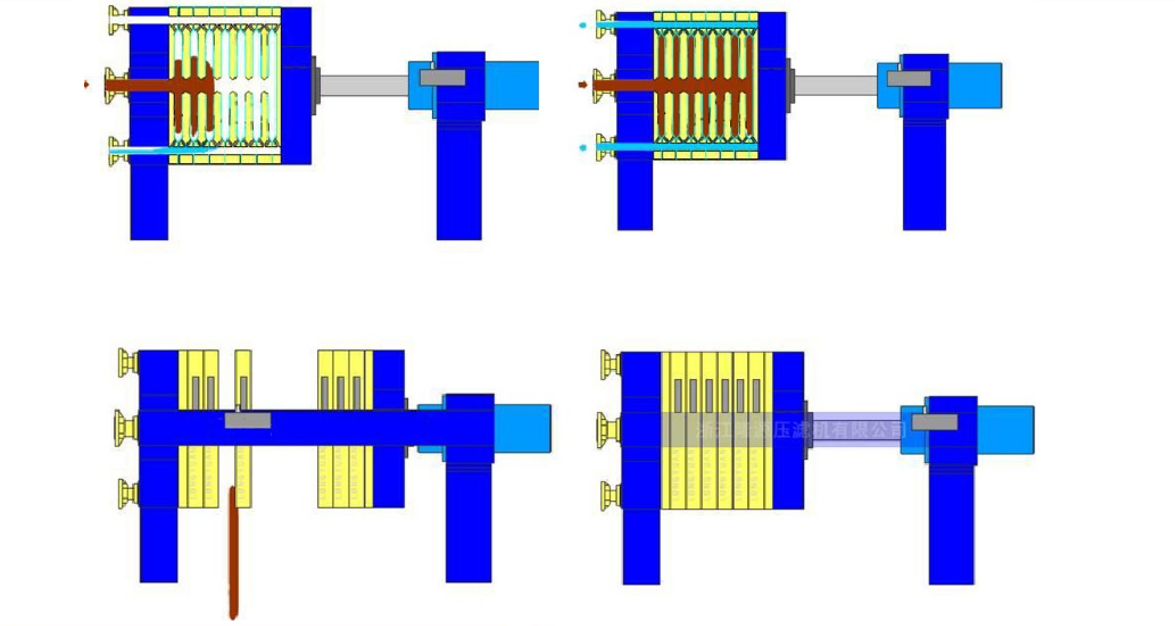
Auxiliary components help a filter press operate with less manual intervention, simplify maintenance, and improve workplace safety. The right configuration depends on your slurry, operating cycle, and required level of automation.
A plate shifter moves filter plates to speed up cake discharge and reduce manual handling. A cloth washing system cleans the filter cloth to help maintain filtration performance when cloth blinding becomes a problem. A drip tray collects liquid dripping from the filter plates, helping keep the work area cleaner. A cake discharge system assists with removing filter cakes, especially when frequent operation requires efficient unloading.
For automated operation, a control panel or PLC manages operating sequences and monitors machine status. An electrical control cabinet can be supplied separately, depending on the system configuration and automation requirements.
Safety light curtains may also be added when required as part of a suitable safety control system.
Not every filter press needs all these components. Before purchasing, check which options are included in the machine and which are supplied separately. You should also confirm that the selected auxiliary components are compatible with your filter press, site layout, and operating requirements.
How to Choose the Right Filter Press Components
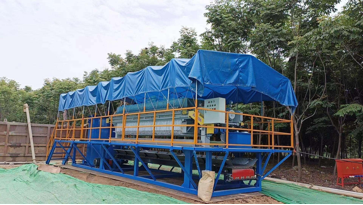
Before selecting filter press components, you need to match the equipment configuration to your process requirements. The following checks can help you compare options and avoid compatibility problems.
Understand Your Slurry
Provide details about your slurry’s solid content, particle size, viscosity, abrasiveness, and chemical properties. If your slurry contains corrosive chemicals or abrasive particles, ask the supplier which materials are suitable for long-term operation.
Set Your Filtration Targets
Define your required throughput, acceptable cycle time, target cake moisture content, and filtrate quality. These targets help the supplier determine the required chamber capacity and assess whether additional dewatering options are suitable.
Check Operating Limits
Confirm your required operating pressure and temperature, available installation space, and site utilities. Make sure the proposed configuration suits your actual working conditions rather than relying only on the machine’s maximum rated capacity.
Confirm Compatibility
If you are replacing parts or upgrading an existing press, provide the machine model, plate dimensions, and relevant component specifications. Confirm that the proposed parts fit your equipment and are compatible with the existing system.
Plan for Maintenance and Automation
Consider how frequently the press will operate, how much manual work your team can handle, and how easily worn parts can be inspected or replaced. Also confirm spare parts availability, maintenance support, and which automation options are included in the quotation.
Before requesting a quotation, provide your supplier with your slurry data, treatment targets, operating conditions, and details of any existing equipment. This information helps the supplier recommend suitable filter press components for your application.
Filter Press Component Maintenance Tips
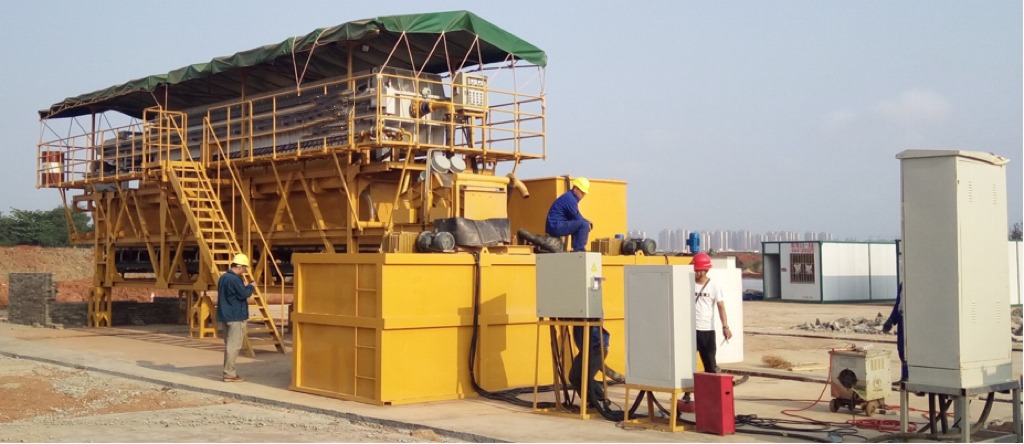
Regular inspections can help you prevent blockages, leaks, and unexpected shutdowns.
Check Filter Plates and Filter Cloth
Check the plates for cracks or damaged sealing surfaces. Look for tears and worn edges on the filter cloth, and replace damaged parts promptly.
Clean Filter Cloth and Drainage Channels
Remove leftover material using a suitable cleaning method. If some chambers produce wetter filter cakes than others, check for blocked drainage channels or damaged filter cloth.
Check the Hydraulic System
Check the oil level, hoses, and seals for leaks or damage. Make sure the moving head opens and closes smoothly, and investigate any unusual pressure changes.
Check Pumps, Valves, and Connections
Look for slurry leaks, unusual noises, vibration, or restricted flow. Clean blocked pipes and tighten loose connections.
Before you carry out maintenance, shut down and isolate the equipment, and release hydraulic pressure according to the manufacturer’s instructions.
Filter Press Components FAQ
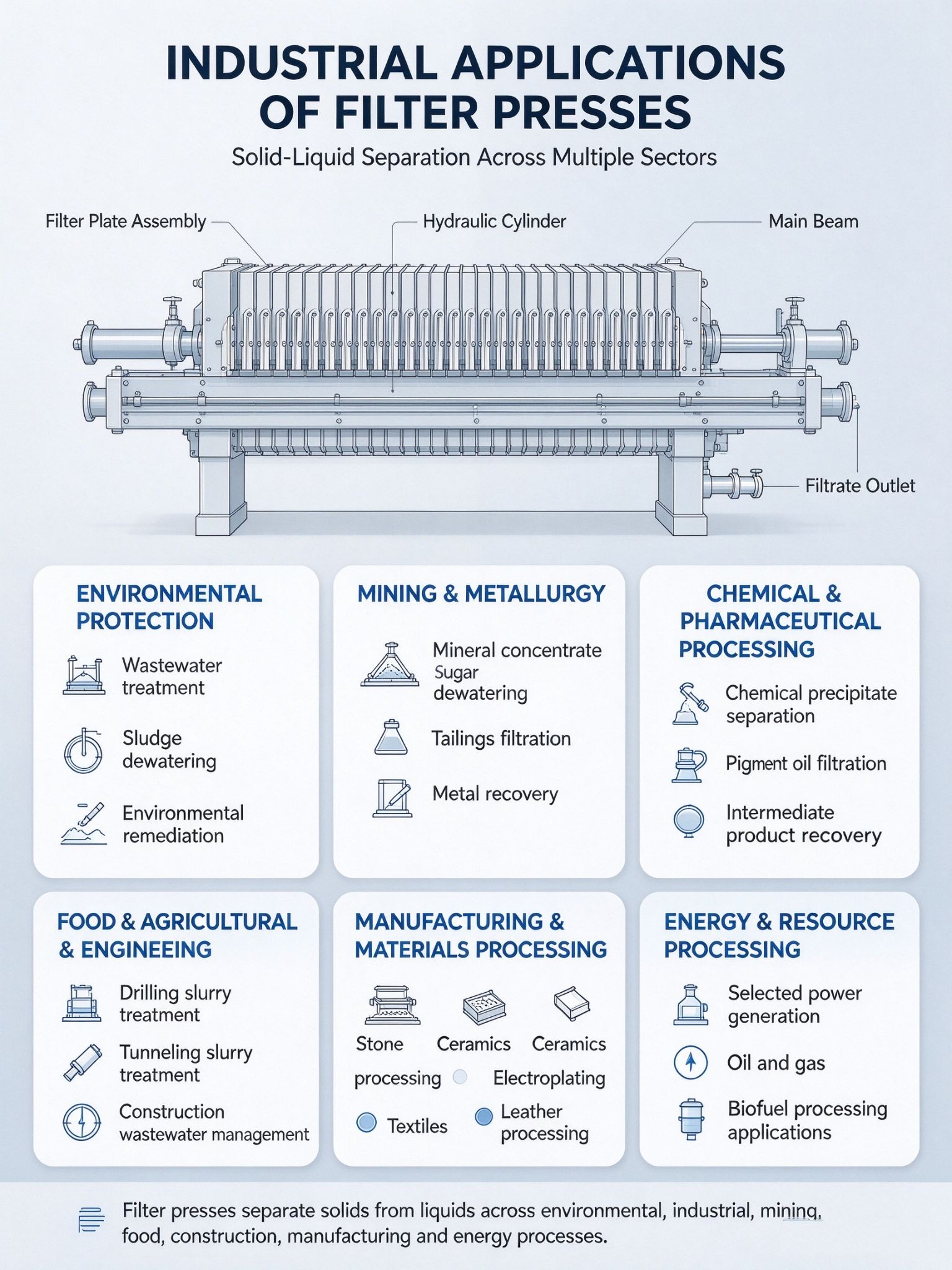
What industries use filter presses?
Filter presses are used in a wide range of industries that require solid-liquid separation, including the following:
Environmental Protection: Wastewater treatment, sludge dewatering, and environmental remediation.
Mining and Metallurgy: Mineral concentrate dewatering, tailings filtration, and metal recovery.
Chemical and Pharmaceutical Processing: Chemical precipitate separation, pigment filtration, and intermediate product recovery.
Food and Agricultural Processing: Sugar processing, edible oil filtration, and selected food-processing applications.
Construction and Engineering: Drilling slurry treatment, tunneling slurry treatment, and construction wastewater management.
Manufacturing and Materials Processing: Stone processing, ceramics, pulp and paper, electroplating, textiles, and leather processing.
Energy and Resource Processing: Selected power generation, oil and gas, and biofuel processing applications.
What causes filter press components to wear out?
Filter press components can wear out due to abrasive particles, chemical corrosion, excessive pressure, and frequent use. For example, slurry containing abrasive particles can damage the filter cloth and plates, while incompatible chemicals can weaken component materials over time. Incorrect installation, uneven pressure, and improper operation can also shorten component life. To help your components last longer, choose materials that are compatible with your slurry properties and follow the manufacturer’s operating recommendations.
Can filter press components be replaced individually?
Yes, many filter press components can be replaced individually without replacing the entire machine. Common replacement parts include filter cloths, filter plates, seals, pumps, and hydraulic components. Before ordering replacements, you should check their specifications, dimensions, materials, and compatibility with your existing equipment. If your machine is an older or discontinued model, contact the manufacturer to confirm whether suitable replacement parts are available. This can help you avoid unnecessary costs and keep your filter press operating reliably.
What is the role of a desander in a slurry treatment system?
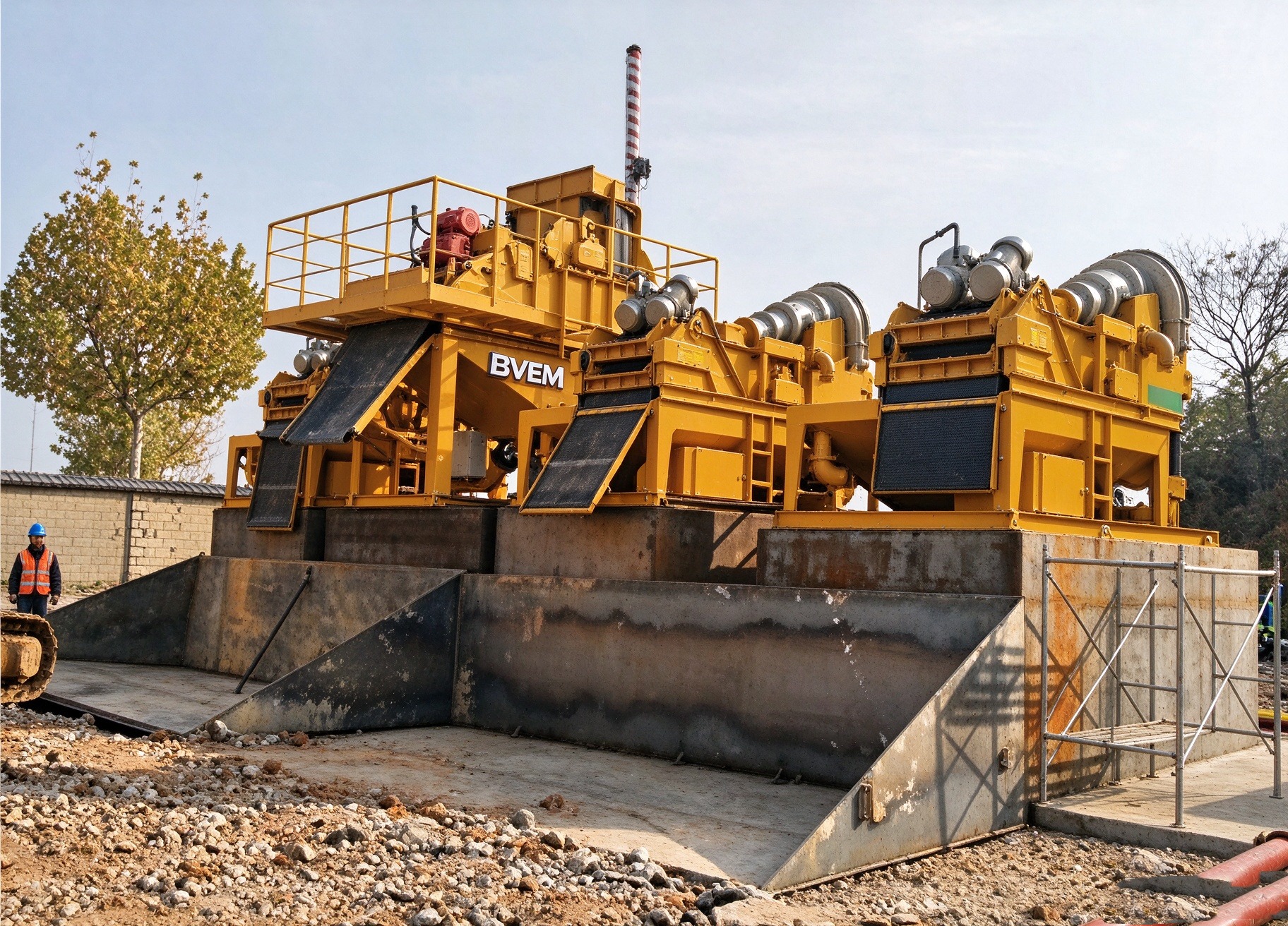
A desander removes sand and other coarse particles from slurry before further treatment. In drilling and tunneling projects, it helps reduce the amount of coarse solids entering downstream equipment. A filter press, in contrast, removes water from sludge to produce filter cakes. If your project requires both processes, you should consider the slurry properties, required treatment capacity, and equipment compatibility to determine whether an integrated system is suitable.
Is a filter press needed for vibro compaction or vibro replacement?
A filter press is not needed for every vibro compaction or vibro replacement project. If wastewater mainly contains sand, sedimentation or desanding may be enough. However, you may need a filter press if the project produces large amounts of sludge, if the existing treatment system cannot meet wastewater treatment or recycling requirements, or if sludge needs to be dewatered before transport or disposal. Before choosing a filter press, you should assess the expected sludge volume, solids content, and treatment requirements.
How does a filter press work?
The Filter Press Working Principle is based on pressure filtration to separate solids from liquids. First, the filter press plates close to form sealed chambers, and a feed pump pushes slurry into the press. Under pressure, liquid passes through the filter cloth while solid particles build up to form a filter cake. When filtration is complete, the system is depressurized, and the plates open to release the cake. Understanding this principle helps you choose suitable equipment and improve filtration performance.

Filter Press Solutions from BVEM
BVEM supplies filter presses for a wide range of solid-liquid separation applications. We also provide construction equipment and supporting systems to meet your project needs. With years of experience in equipment exports and construction projects, BVEM offers one-stop equipment solutions. Contact BVEM to discuss your filter press requirements.