Vibro stone columns and rammed aggregate piers are both used to improve weak ground and support foundations, but they rely on different installation methods. This article compares their working principles, soil suitability, equipment requirements, and key differences to help you choose the right method for your project.
What Are Vibro Stone Columns and Rammed Aggregate Piers?
What Are Vibro Stone Columns?
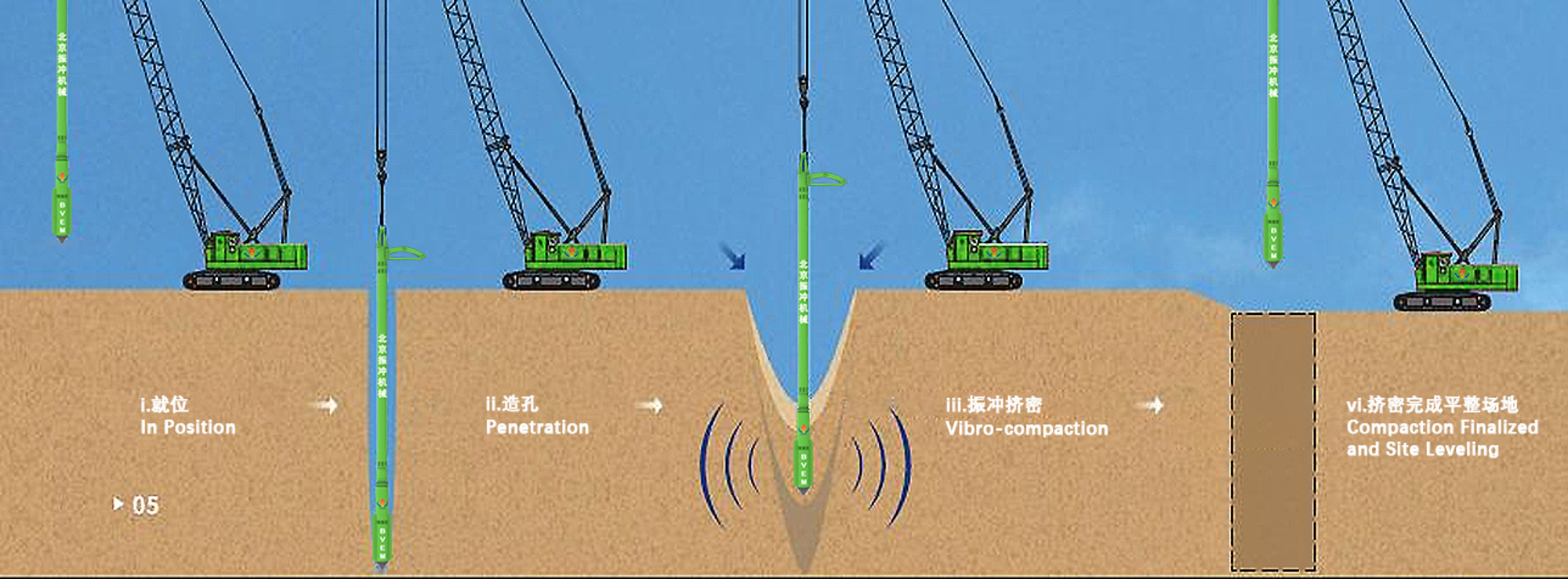
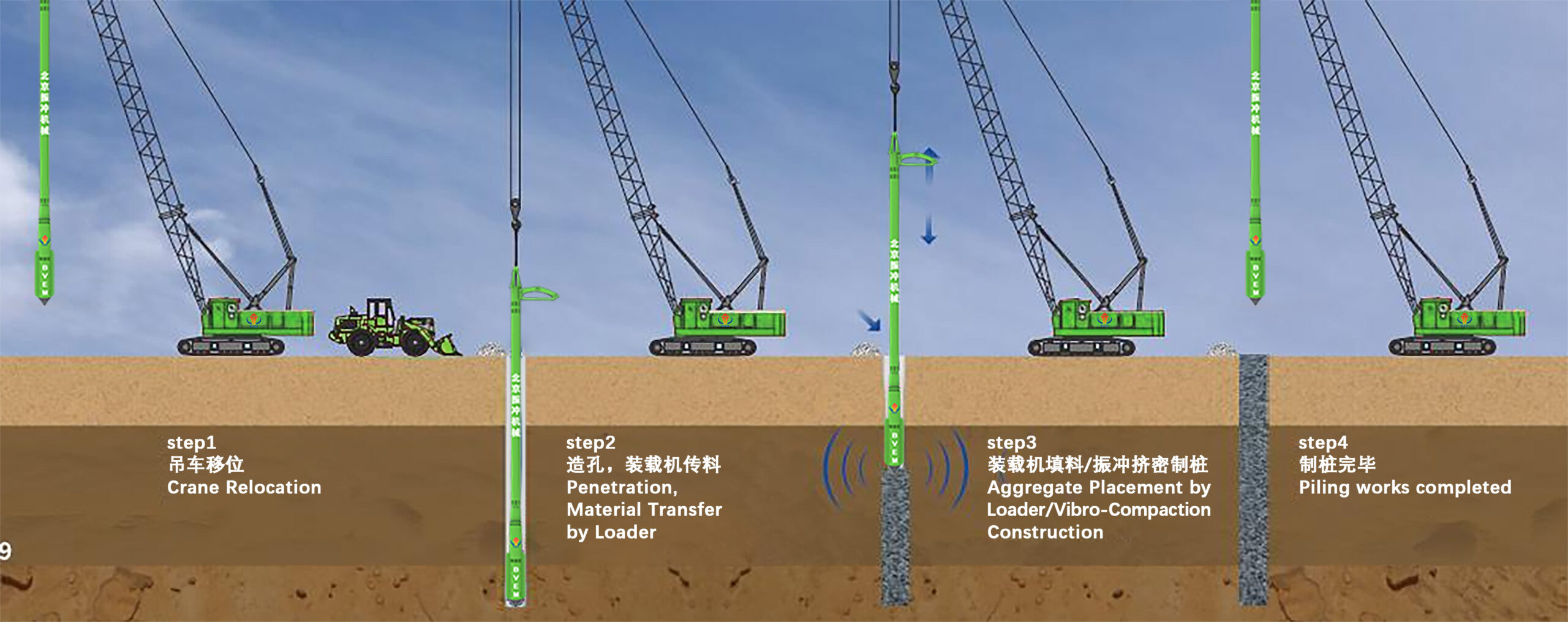
Vibro stone columns are formed by compacting gravel or crushed stone with a vibroflot. The vibrator penetrates the ground to the required depth, and aggregate is added in stages as the column is formed. Depending on the installation method you choose, the aggregate may be fed from the ground surface or delivered through a pipe to the tip of the vibrator. This process reinforces the ground and can also make nearby loose granular soil denser under suitable conditions.
What Are Rammed Aggregate Piers?
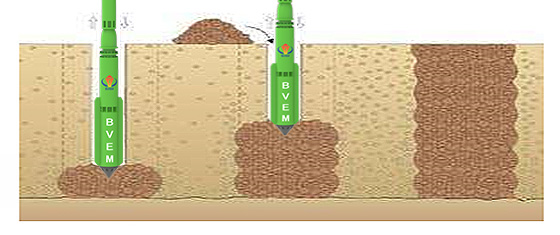
Rammed aggregate piers are ground improvement elements formed by placing aggregate in stages and compacting each layer with a high-energy tamper. Traditional systems use predrilled holes, while some displacement systems form the cavity without conventional drilling. The compacted aggregate works together with the surrounding soil to improve ground support. When choosing a method for your project, consider the installation method and soil conditions, as different systems may perform differently.
Vibro Stone Columns vs. Rammed Aggregate Piers: Key Differences
Both methods use aggregate to improve weak ground, but they differ in how the aggregate is placed, how compaction is applied, and how the construction is carried out. Understanding these differences can help you compare ground improvement methods and select a suitable equipment setup for your project.
| Comparison Factor | Vibro Stone Columns | Rammed Aggregate Piers |
| Installation process | A vibroflot penetrates the ground, and aggregate is added as the column is formed | Aggregate is placed and compacted in stages inside a predrilled hole or a cavity formed by displacement |
| Compaction method | Vibration and repeated compaction | Repeated ramming or tamping |
| Ground response | Can make suitable granular soils denser and help reinforce the ground | Ramming can increase lateral stress and soil stiffness around the pier |
| Aggregate placement | Top-feed or bottom-feed, depending on the installation method | Added in stages through a drilled hole or displacement system |
| Spoil generation | Usually limited, but predrilling can produce spoil | Predrilled systems produce spoil; displacement systems may reduce or avoid it |
| Typical equipment | Vibroflot, crane or specialist rig, and aggregate feeding system | Drilling rig and tamper, or a dedicated displacement system |
Compaction Mechanism and Ground Improvement Effects
Vibro stone columns, commonly installed using the vibro-replacement method, improve ground conditions by forming compacted aggregate columns within the soil. In suitable granular soils, vibration can also increase the density of the surrounding ground. The stone columns work together with the surrounding soil to carry loads, while their permeability can provide drainage paths. These effects can help you improve bearing capacity and control settlement when the method is properly designed.
Rammed aggregate piers use repeated ramming to compact the aggregate and push it against the surrounding soil. This increases lateral stress and helps form stiff ground improvement elements.
Both methods create a composite ground system, but their actual performance depends on the soil profile, column design, installation parameters, and construction quality.
Soil Suitability and Aggregate Requirements
Soil conditions affect how each method improves the ground. In suitable granular soils, vibro stone columns can improve the ground through aggregate reinforcement and soil densification. In soft cohesive soils, reinforcement and load sharing may be more important than densification. The surrounding soil must provide adequate lateral support for the columns to perform as designed.
Rammed aggregate piers can be used in selected soil conditions, but their suitability depends on the soil strength and the installation system. Displacement-based systems may be suitable for some weak or unstable soils, although the proposed design still needs to be checked against the site investigation results.
Aggregate specifications also differ. Vibro stone columns commonly use clean, coarse aggregate, while rammed aggregate piers may require graded stone to achieve the specified compaction. The required gradation depends on the installation system and project design, so you should confirm the material specifications before construction.
Equipment Configuration and Site Requirements
Vibro stone column installation typically requires a vibroflot, a suitable carrier or specialist rig, and an aggregate feeding system. Depending on the installation method, auxiliary water or air systems may also be needed. Top-feed and bottom-feed configurations use different material delivery arrangements, so the equipment must match the selected method.
Rammed aggregate pier equipment may include a drilling rig and tamper, or a dedicated displacement system. Predrilled systems also require a plan for handling excavated material, while displacement systems may reduce or avoid spoil generation. Both methods need a reliable aggregate supply and enough space for equipment operation and material handling.
Before selecting equipment, check the required treatment depth and column diameter, site access, available working space, and installation method. You should also confirm that the equipment can meet the specified construction parameters and support the project’s quality control requirements.
Which Method Is More Suitable for Different Soil Conditions?
Selecting between these two ground improvement techniques requires evaluating your site’s specific geotechnical parameters rather than relying on broad generalizations about clay or sand. Both vibro stone columns and rammed aggregate piers can improve ground performance, but their suitability depends on the native soil conditions, performance goals, and site-specific requirements.
When to Consider Vibro Stone Columns
Densification of Granular Substrates: If your project involves loose to medium-dense sands or gravels, down-hole vibration serves a dual purpose: it builds a robust aggregate column while simultaneously increasing the relative density of the surrounding soil matrix.
Accelerated Drainage and Consolidation: When dealing with saturated profiles, installing high-permeability stone columns creates vertical drainage paths that accelerate pore water pressure dissipation under heavy slabs or highway embankments.
Seismic Liquefaction Mitigation: In earthquake-prone areas, vibro stone columns can help reduce liquefaction potential by improving soil density, providing drainage paths, and increasing ground stiffness. The actual improvement depends on the soil conditions and project design.
Deep Ground Treatment Capabilities: Vibroflot systems excel in deep applications, provided you configure the rig (using top-feed or bottom-feed systems) to match target treatment depths and borehole stability.
When to Consider Rammed Aggregate Piers
Immediate Stiffening for High Footing Loads: For structures with strict settlement requirements, the high-energy, staged ramming process increases lateral stress and creates stiff vertical elements that help transfer structural loads.
Reinforcement in Cohesive or Mixed Soils: In some fine-grained soils where vibration cannot effectively densify the surrounding ground, rammed aggregate piers can act as stiff inclusions and share loads with the surrounding soil.
Flexibility in Spoil and Cavity Management: This approach can suit sites where you need to consider soil displacement, pre-drilling requirements, and the handling of excavated material.
Targeted Support for Shallow Foundations: Rammed piers can be considered for some shallow foundation applications instead of deep foundations when supporting heavily loaded spread footings, mat foundations, or industrial concrete pads with tight differential settlement thresholds.
Frequently Asked Questions
What Factors Affect Vibroflot Performance?
Vibroflot performance depends on the vibrator’s power, operating frequency, eccentric moment, and soil resistance. Aggregate gradation and the installation sequence can also affect the results. When selecting a vibroflot, you should consider how its technical specifications match your project requirements rather than focusing only on motor power. Proper operation and regular maintenance are also important for keeping the equipment running reliably.
What Power Supply Is Required for a Vibroflot?
The power supply required depends on the vibroflot model and its electrical specifications. Before purchasing the equipment, you should check the site voltage, frequency, available power capacity, and generator compatibility. A suitable generator may be needed at construction sites without a reliable power supply. Make sure the electrical control cabinet and power supply system match the selected vibroflot to ensure reliable operation.
Which Vibroflot Setup Is More Flexible for Construction?
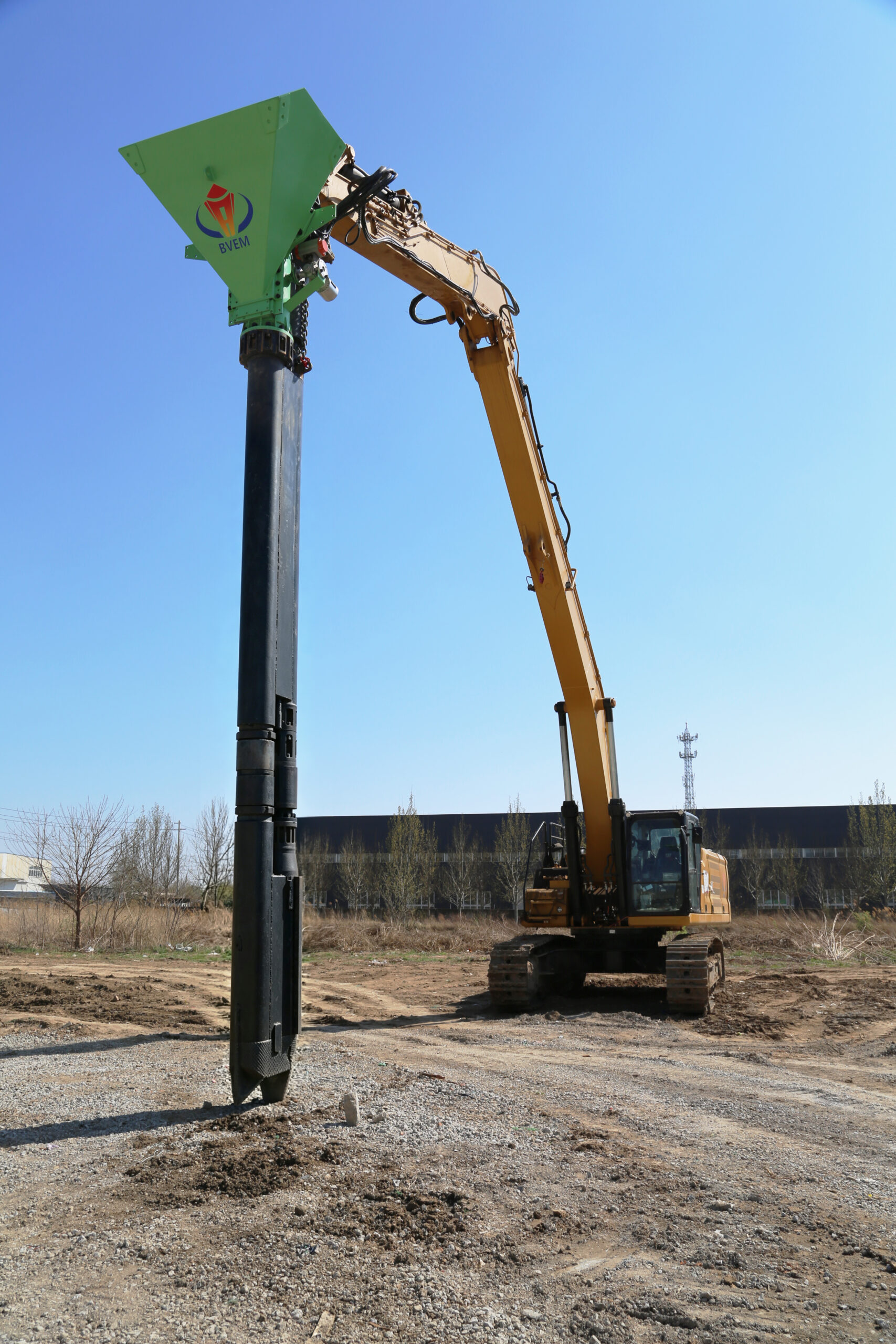
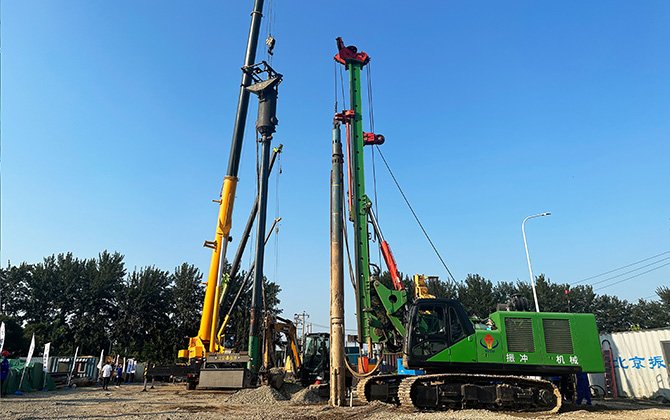
The equipment setup depends on site conditions and project requirements. For example, a hopper bottom-feed vibroflot can be mounted on an excavator, allowing aggregate to be delivered through the feeding pipe to the vibrator tip. A hydraulic vibroflot can also be excavator-mounted, offering flexibility for different construction sites. When choosing a configuration, you should consider the required treatment depth, working space, and excavator capacity.
Can Vibro Stone Columns and Rammed Aggregate Piers Be Used on the Same Project?
Yes, both methods can be used on the same project when different areas have different ground conditions or foundation requirements. For example, one area may be suitable for vibro stone columns, while another may require rammed aggregate piers. However, using both methods requires proper geotechnical analysis and engineering design. You should review the soil profile, structural loads, and performance requirements before deciding to combine them.
Do Vibro Stone Columns and Rammed Aggregate Piers Require Different Testing Methods?
Yes. Both methods aim to improve ground performance, but they involve different construction processes and produce different ground responses. The testing program should reflect the design requirements of each method. Depending on the project, engineers may use plate load tests, CPT, SPT, or other suitable field tests. You should confirm the testing locations, frequency, and acceptance criteria before construction begins.
Why Choose BVEM for Vibroflot Equipment Solutions?
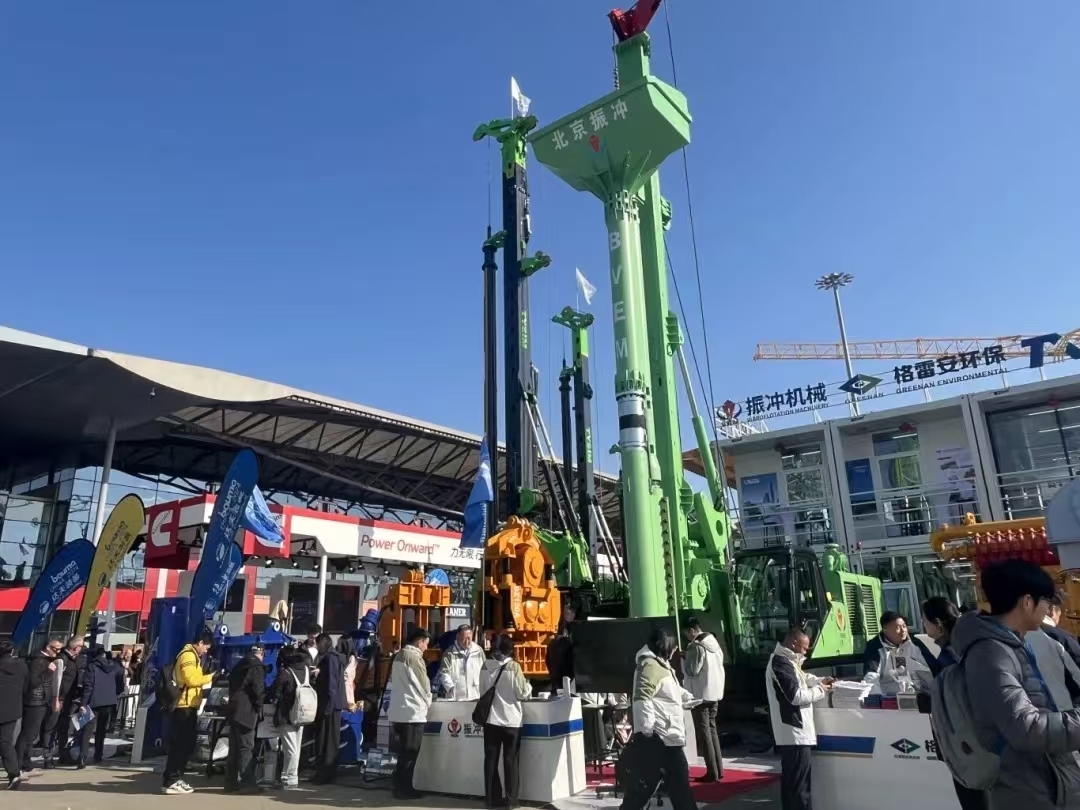
BVEM is a professional vibroflot manufacturer with over 50 years of industry experience. We supply hydraulic and electric vibroflots, along with compatible construction machinery and supporting systems, providing one-stop equipment solutions for ground improvement projects. With over 1,500 project cases in more than 60 countries, customized equipment, and professional technical support, we help customers complete foundation projects efficiently and reliably.