Soil liquefaction can cause loose, water-saturated soil to lose strength during an earthquake, putting building foundations and other structures at risk.
If your project is located on loose sand or silty soil below the groundwater level, understanding this risk is important.
This guide explains what causes soil liquefaction, how it affects the ground, and which ground improvement methods, such as vibroflotation, can help reduce the risk.
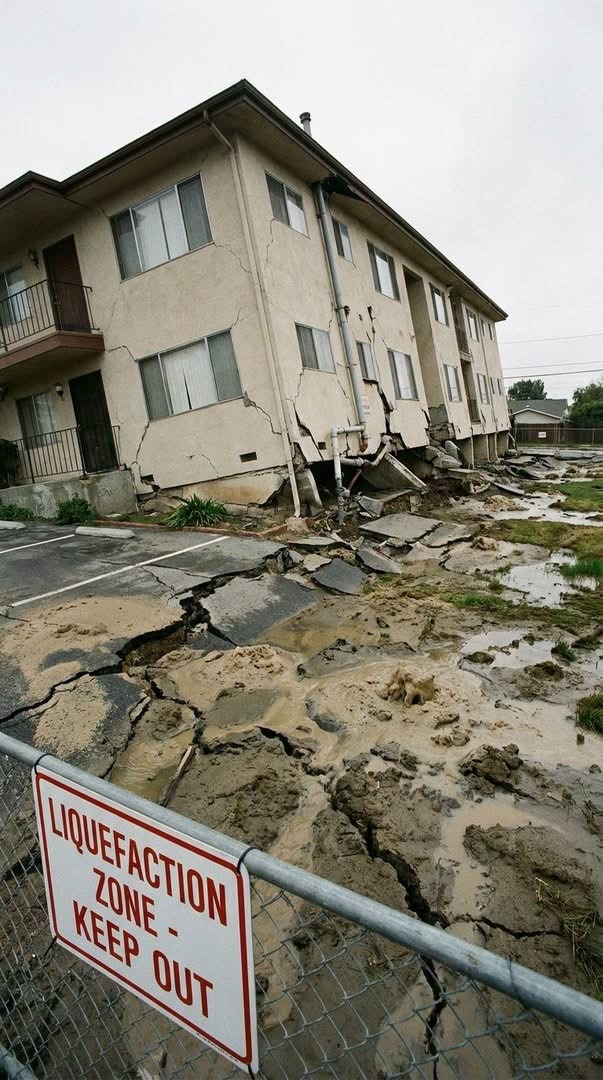
What Is Soil Liquefaction?
Soil liquefaction happens when loose, water-saturated soil loses much of its strength and stiffness during an earthquake. When this occurs, the soil can behave more like a liquid than a solid. As a result, it may no longer provide enough support for buildings, foundations, or other structures.
How Does Soil Liquefaction Occur?
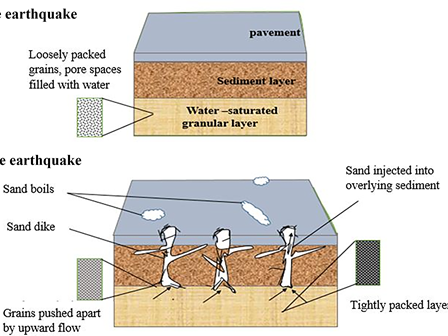
Soil has spaces between its particles. These spaces are called pores. When soil is saturated, these pores are filled with water. During an earthquake, the ground shakes repeatedly, causing loose soil particles to move into a denser arrangement. If the water cannot drain away quickly enough, pore water pressure increases. This reduces the effective stress between soil particles and makes the soil weaker.
This relationship is explained by the effective stress equation:
𝜎′=𝜎−𝑢
As effective stress decreases, the contact between soil particles becomes weaker. This reduces the soil’s ability to resist shear forces and carry loads.
When you assess liquefaction risk at a construction site, this equation helps explain why loose, saturated soil can lose much of its strength during an earthquake. Understanding this process helps engineers assess liquefaction risk and choose suitable ground improvement methods.
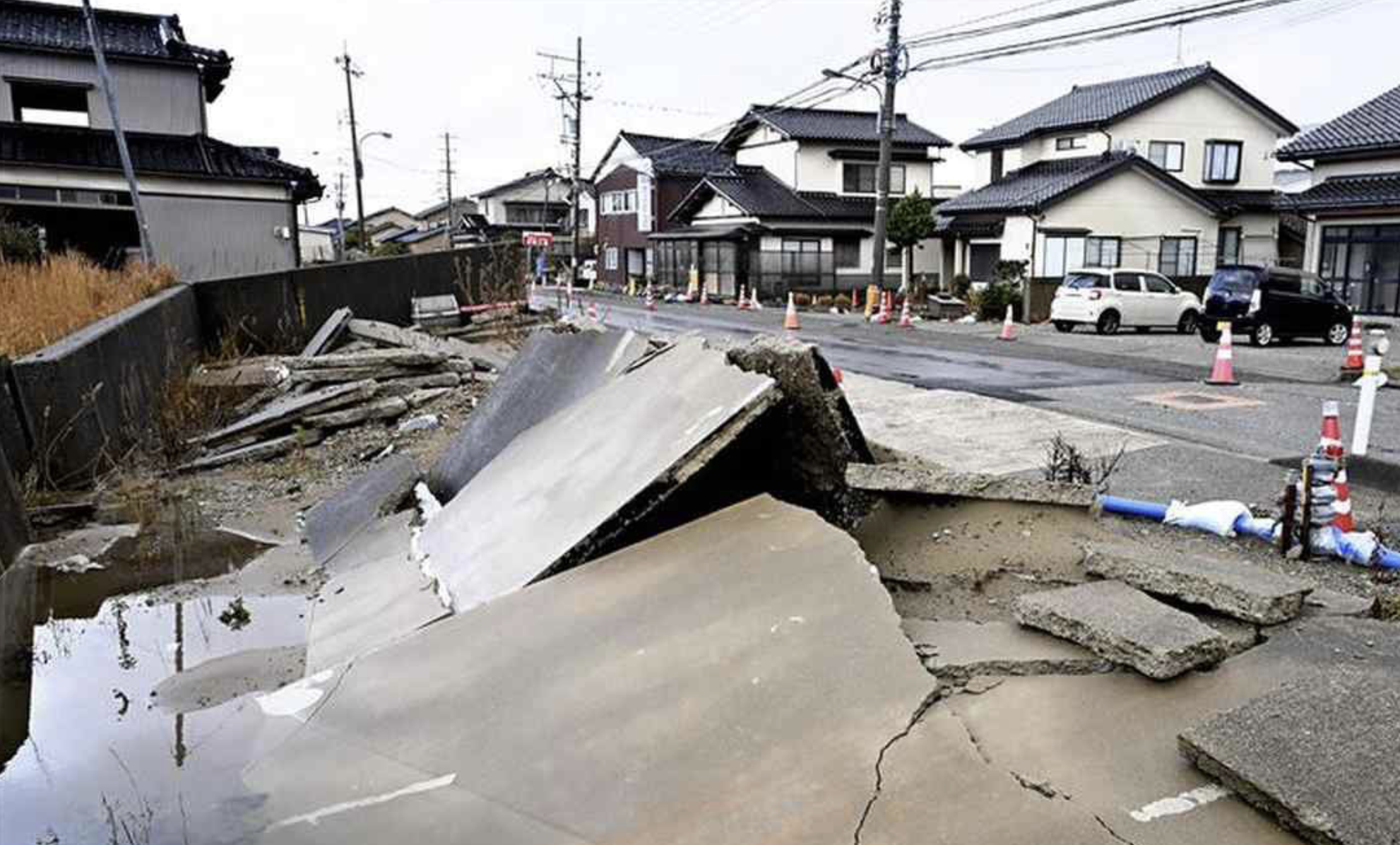
Which Soil Types Are Susceptible to Liquefaction?
Loose, saturated sand is one of the soil types most susceptible to liquefaction. Silty sand and some soils containing fine particles may also liquefy under certain conditions. However, not all saturated soils are equally at risk.
Soil gradation, fines content, density, groundwater level, and earthquake loading all affect liquefaction potential. Clay-rich soils need to be assessed differently from sandy soils. If your project site contains loose sand or silty soil below the groundwater level, a geotechnical investigation is needed to evaluate the actual risk.
What Causes Soil Liquefaction?
Earthquake shaking is a common trigger of soil liquefaction, but the risk also depends on soil conditions and groundwater levels. When you evaluate a site, several factors need to be considered to determine whether a soil layer is likely to liquefy.
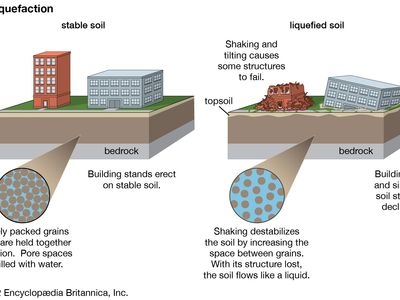
Earthquake-Induced Cyclic Loading
Earthquakes are a common trigger of soil liquefaction. During an earthquake, repeated ground movements create cyclic shear stresses in the soil. These stresses can cause loose, saturated soil to become unstable, especially when drainage is limited.
The level of risk depends partly on the strength and duration of the shaking. Stronger or longer-lasting ground motion can cause more pore water pressure to build up. The depth and thickness of soil layers also affect how the ground responds to an earthquake. These factors are important when you assess liquefaction risk at a construction site.
Loose Soil Structure and High Groundwater Levels
Soil density and groundwater conditions are two important factors in liquefaction risk.
Loose sand has more space between its particles than dense sand. Under repeated shaking, these particles can move into a denser arrangement, making the soil more likely to develop excess pore water pressure when drainage is restricted.
A high groundwater level means that a larger part of the soil profile may be saturated. This can increase the thickness of soil that needs to be assessed for liquefaction. If you are planning foundation work on a site with a high groundwater level and loose sandy layers, both conditions should be considered during the site investigation.
Soil Conditions and Geological Factors
Other site conditions also affect liquefaction potential. These include soil particle size distribution, fines content, relative density, burial depth, and the continuity of soil layers. Earthquake-related factors, such as peak ground acceleration and shaking duration, must also be considered.
For this reason, you cannot determine liquefaction risk from soil type or groundwater level alone. Site investigations and in-situ tests, such as the Standard Penetration Test (SPT) and Cone Penetration Test (CPT), help engineers evaluate soil conditions and identify layers that may require ground improvement. If you are planning a project in an area where liquefaction may occur, these investigation results can help you understand the ground conditions before selecting a suitable treatment method.
What Are the Effects of Soil Liquefaction?
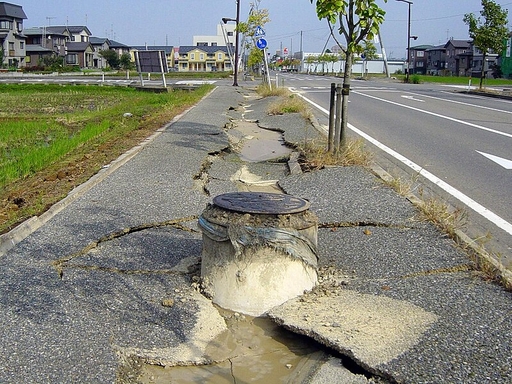
Soil liquefaction can damage buildings, foundations and other infrastructure. When soil loses its ability to support structures, buildings may sink, tilt or become unstable. The extent of the damage depends on soil conditions, foundation type and the severity of liquefaction.
Foundation Settlement and Building Tilting
One common effect of soil liquefaction is foundation settlement. When the ground loses its ability to support a structure, buildings and foundations may sink. If settlement is uneven, structures may tilt or develop cracks. This can reduce the stability of buildings and affect their long-term safety.
Loss of Bearing Capacity
Soil liquefaction can sharply reduce soil bearing capacity. As a result, foundations may lose support, settle or experience localized failure. This is a major concern for projects such as dams, bridges, ports and industrial facilities, where stable foundations are essential for safe operation.
Lateral Spreading and Ground Failure
On sloping ground or near an open edge, liquefied soil may move sideways. This movement, known as lateral spreading, can damage roads, pipelines, retaining walls and building foundations. In some cases, ground cracks, sand boils and water coming out of the ground may also appear.
How to Identify Soil Liquefaction Risk?
Identifying soil liquefaction risk requires a site-specific geotechnical investigation. You need to evaluate soil conditions, groundwater levels, and seismic loading to determine whether the ground is susceptible to liquefaction.
Site Investigation and Groundwater Assessment
A site investigation helps you understand the soil layers and identify those that may be susceptible to liquefaction. Key factors to check include:
- Soil layers and thickness: Identify the location, depth and thickness of loose sand or silty soil layers.
- Groundwater level: Determine which soil layers are saturated and how deep the groundwater table is.
- Soil properties: Check particle size distribution, fines content and soil density.
- Seismic conditions: Consider the expected earthquake intensity and ground shaking at the project site.
SPT and CPT Testing
SPT and CPT are two commonly used in-situ tests for evaluating soil liquefaction potential.
| Test | Main Purpose |
| SPT (Standard Penetration Test) | Measures soil penetration resistance through blow counts, helping engineers assess soil density and liquefaction potential. |
| CPT (Cone Penetration Test) | Measures cone tip resistance and sleeve friction to identify soil layers and evaluate their susceptibility to liquefaction. |
You should use applicable design codes and liquefaction assessment methods to interpret these results. Additional field tests or laboratory tests may also be needed.
If liquefaction is identified, ground improvement may be required to reduce the risk and improve the soil’s engineering properties.
What Ground Improvement Methods Can Reduce Soil Liquefaction Risk?
Many ground improvement methods can help reduce the risk of soil liquefaction. The best choice depends on soil type, groundwater level, treatment depth and project requirements. Common methods include vibro compaction, vibro replacement, dynamic compaction, deep soil mixing and grouting.
Vibro Compaction
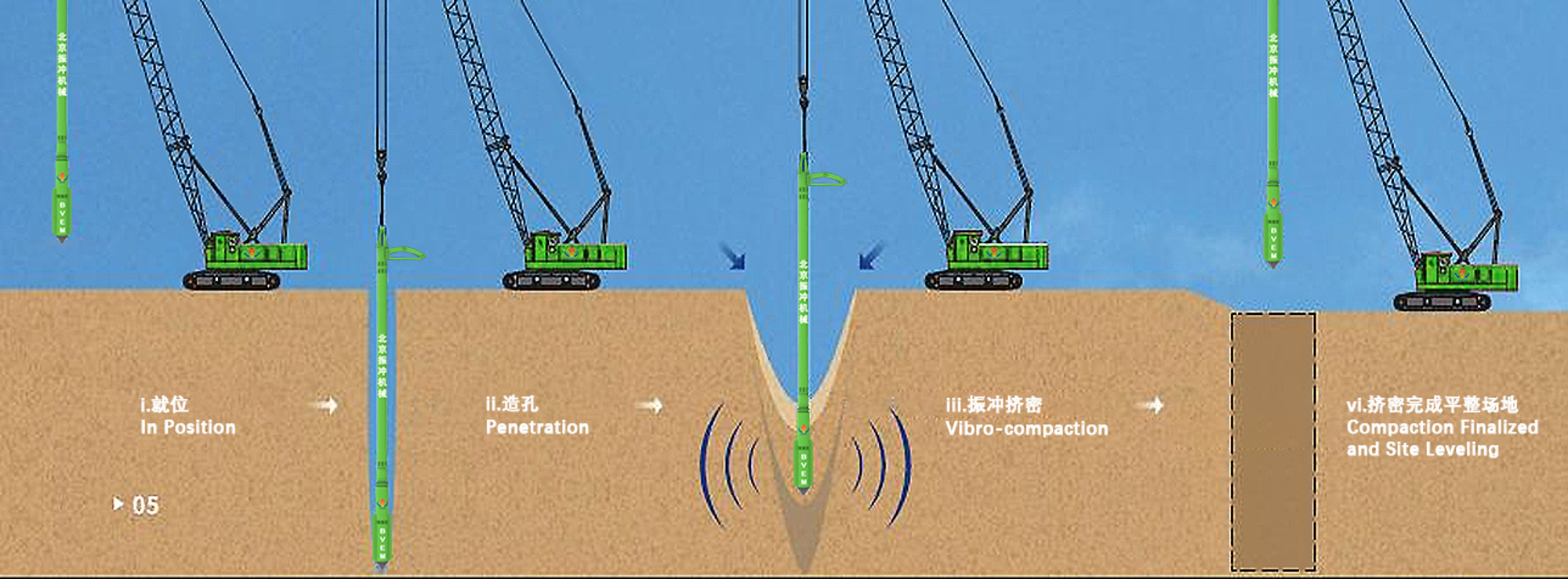
Vibro compaction uses a vibrating probe, also known as a vibroflot, to improve granular soil. The vibroflot creates horizontal vibrations that help soil particles move into a denser arrangement.
This method is mainly suitable for loose, saturated sands with a relatively low fines content. By increasing soil density, vibro compaction can improve ground stability and reduce liquefaction susceptibility. Unlike vibro replacement, it normally does not require large amounts of gravel to form stone columns.
Vibro Replacement (Vibro Stone Columns)
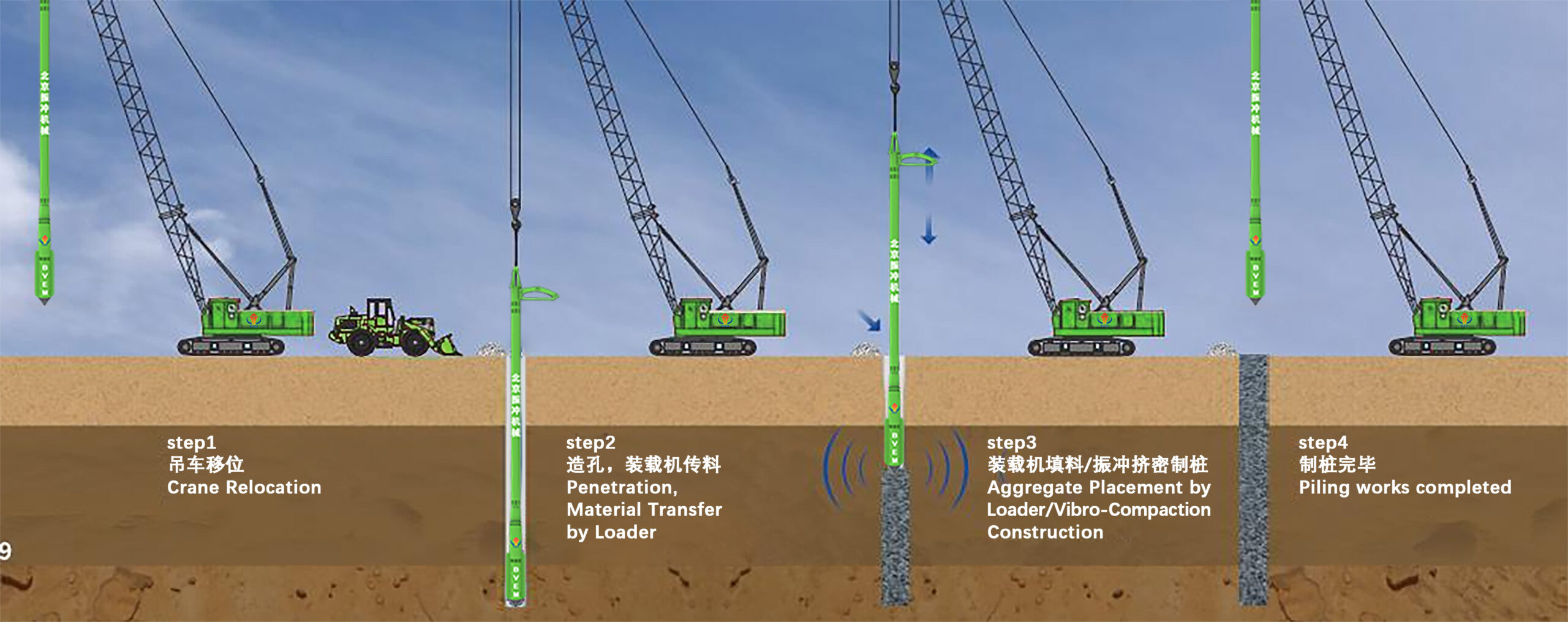
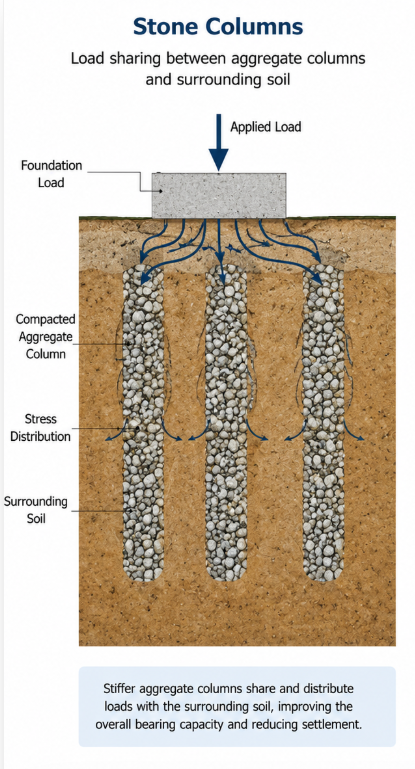
Vibro replacement uses a vibroflot to create holes in the ground and install gravel or other coarse aggregate. The material is compacted in stages to form stone columns.
These columns work together with the surrounding soil to form a composite foundation. Depending on the ground conditions and design, they can improve the soil through compaction, drainage and reinforcement. This method can be used to treat liquefiable ground, improve bearing capacity and help control settlement.
Other Ground Improvement Methods
Other methods may also help reduce soil liquefaction risk:
- Dynamic Compaction: Uses a heavy weight dropped from a certain height to make suitable loose soil denser.
- Deep Soil Mixing: Mixes soil with cement-based binders to improve its strength and stiffness.
- Grouting: Injects grout into the ground to fill voids or improve soil properties.
- Drainage Improvement: Uses drainage systems to help excess pore water pressure dissipate.
- Excavation and Replacement: Removes unsuitable soil and replaces it with better-quality compacted material.
You should choose a method based on the soil profile, treatment depth, site conditions and design requirements.
How Does Vibroflotation Improve Liquefiable Soil?
Vibroflotation is a ground improvement method that uses a vibroflot to compact soil or install stone columns. For liquefaction treatment, vibro replacement is often used because it forms compacted gravel columns that improve the ground.
Working Principle of Vibroflotation
Vibro stone columns improve the ground in several ways:
- Compaction: The vibroflot produces vibrations during installation. These vibrations help improve the surrounding soil, while the gravel added to the hole is compacted in stages.
- Drainage and Pore Pressure Dissipation: Stone columns are more permeable than much of the surrounding soil. Under suitable conditions, they provide drainage paths that help excess pore water pressure dissipate.
- Reinforcement Effect: Stone columns and the surrounding soil work together to carry loads, forming a composite foundation with improved bearing capacity.
- Improved Soil Performance: By improving the column material and surrounding soil, this method can reduce liquefaction susceptibility and help control settlement.
The actual improvement depends on soil conditions, column diameter and spacing, replacement ratio and construction parameters.
Construction Process of Vibro Stone Columns
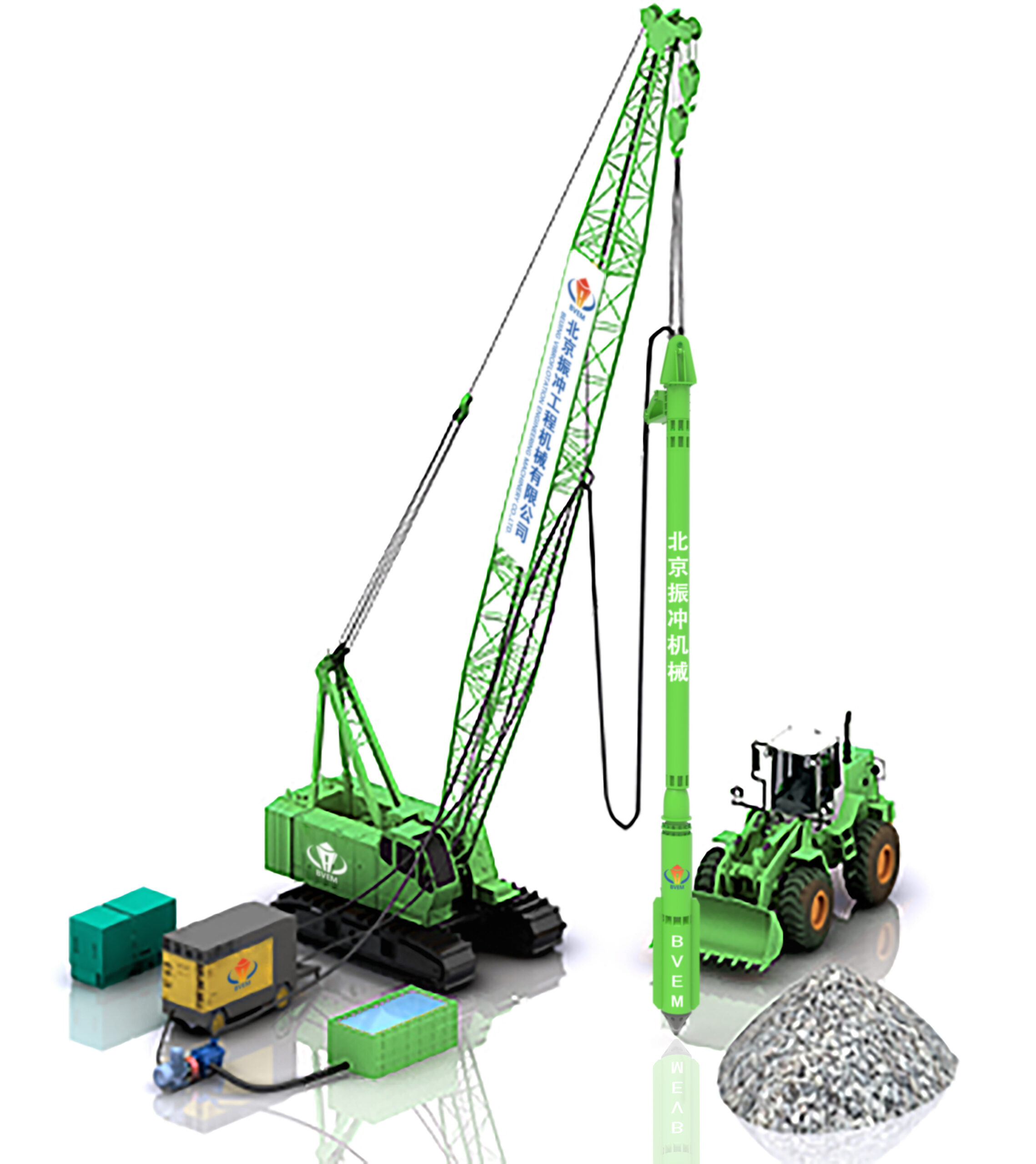
The construction process usually includes the following steps:
- Prepare the site and mark the designed column positions.
- Position the vibroflot at the first installation point.
- Lower the vibroflot into the ground to the required depth.
- Feed gravel into the hole.
- Compact the gravel in stages, starting from the bottom.
- Continue adding and compacting gravel until the column reaches the designed depth.
- Move the equipment to the next installation point and repeat the process.
In some cases, high-pressure water or compressed air is used to help the vibroflot penetrate the ground. The choice depends on the construction method and soil conditions. The equipment setup should match the project requirements.
Quality Control and Effectiveness Testing
Good construction control is important for achieving the required ground improvement results. During installation, you should monitor and record:
- Construction current and vibration time.
- Length of each compaction section.
- Gravel consumption.
- Installation depth and column spacing.
After construction, field tests help verify the treatment results. Common tests include SPT and CPT to evaluate the surrounding soil, dynamic penetration tests to assess the compaction and consistency of the stone columns, and static load tests to assess the bearing capacity of the composite foundation.
Construction records help control installation quality, but they cannot replace field testing. You should verify the final results against the project’s design requirements.
A Real Project Case: Vibro Stone Columns for Liquefaction Treatment
The Gantang Gate Project on the North Canal in Beijing used vibro stone columns to treat loose, saturated silty sand and medium-fine sand with liquefaction risk. The design used a triangular grid with 1.6 m spacing, a column diameter of 0.8 m, a column length of 12 m and a replacement ratio of 22%. A BVEM-75 kW vibroflot was used for construction.
Static load tests showed that the composite foundation bearing capacity increased from about 100 kPa before treatment to over 180 kPa after treatment. Dynamic penetration tests indicated that the stone columns were dense and relatively uniform. SPT results for the soil between columns ranged from 14 to 28 blows per 30 cm, exceeding the project’s critical value for liquefaction assessment.
The test results showed that the treatment met the project’s bearing capacity and liquefaction resistance requirements under the specified seismic design conditions.
How to Choose the Right Vibroflot Equipment?
When selecting a vibroflot, you need to match its performance to your project requirements. First, look at the soil type, particle size distribution, fines content and groundwater level. Next, confirm the required treatment depth, column length, diameter and spacing. The vibroflot’s power and exciting force should be suitable for the ground conditions and construction requirements.
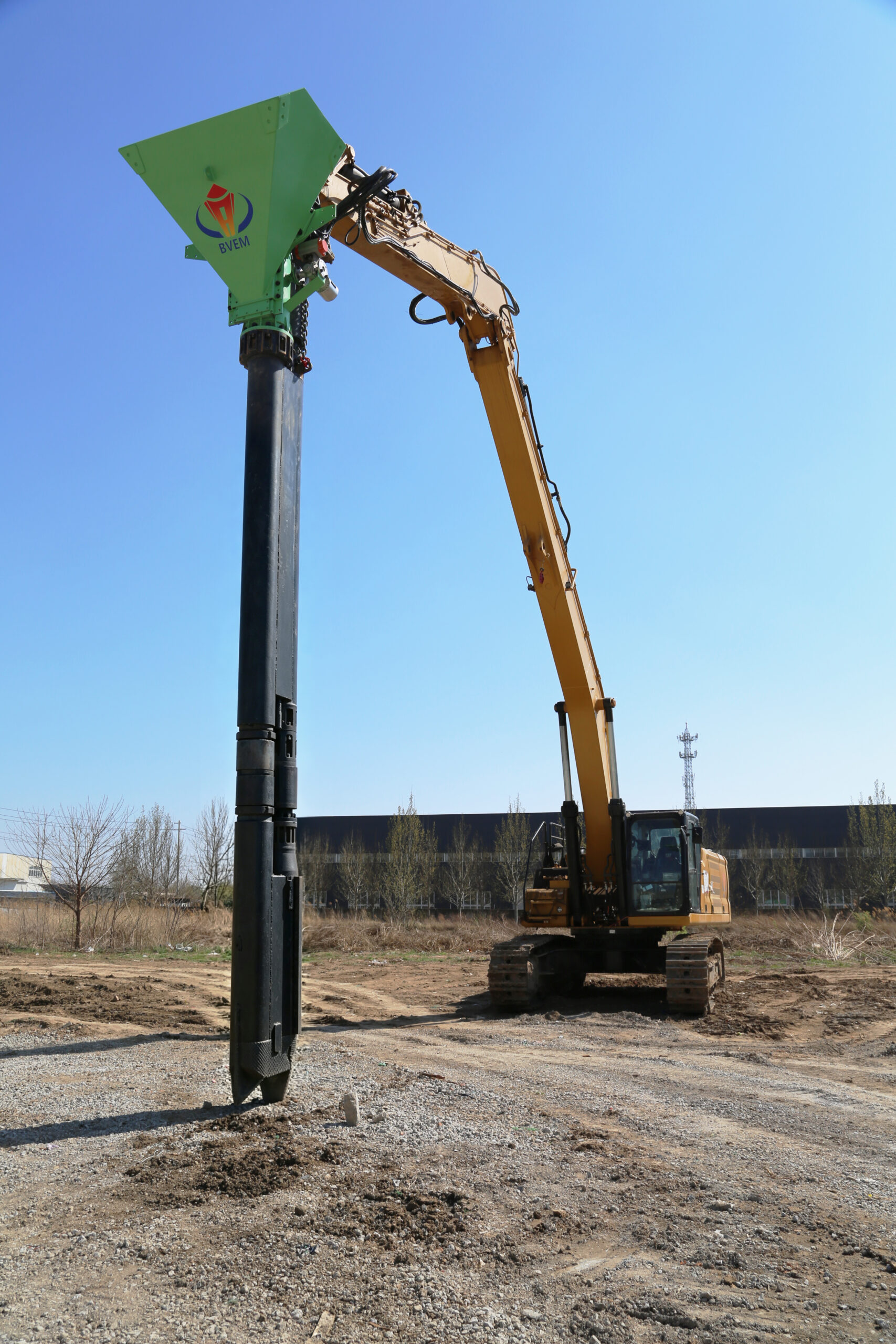
Also check that the vibroflot is compatible with your power supply or generator, carrier equipment such as an excavator or crane, guide pipe and auxiliary water or air systems.
FAQs
What Are the Two Methods of Vibro Compaction?
Vibro compaction can be carried out with or without backfill. In the first method, vibration, often assisted by water jets, helps rearrange and densify the original sand without adding material. In the second method, sand from the same site is added during construction to fill the space created by ground densification and compensate for surface settlement. Neither method requires imported gravel or stone to form stone columns.
Can Vibro Stone Columns Completely Eliminate Soil Liquefaction Risk?
Vibro stone columns can reduce the risk of soil liquefaction, but they cannot guarantee that liquefaction will never occur. The effectiveness of the treatment depends on soil conditions, column spacing, column diameter, replacement ratio and construction quality. You should carry out suitable field tests to confirm that the ground improvement meets the project’s design requirements.
What Are the Advantages of a Vibrocat?
An excavator-mounted vibroflot combines a vibroflot with an excavator, giving you a mobile and flexible ground improvement solution. It uses the excavator’s hydraulic system and traveling chassis, making it easier to move between working points without additional heavy lifting equipment. Depending on your project needs, you can choose a standard hydraulic vibroflot or a hopper-type bottom-feed vibroflot for stone column installation. This setup can also help reduce equipment and labor requirements.
Can Soil Liquefaction Occur Without an Earthquake?
Earthquakes are the most common trigger of soil liquefaction, but liquefaction can also occur without earthquake shaking. For example, static liquefaction may occur in loose, saturated, contractive soils when shear stress increases under undrained conditions. The risk depends on soil properties, stress conditions and drainage. Therefore, liquefaction assessment should consider both soil conditions and the loading conditions at the site.
How Long Does Soil Liquefaction Last?
There is no fixed duration for soil liquefaction. It depends on how quickly excess pore water pressure dissipates after ground shaking. In soils that allow water to move through easily, water can drain away quickly, helping the soil regain some of its strength. In soils with low permeability, excess pore water pressure may remain for longer, which means the ground can stay weak for a longer time. Soil type and drainage conditions are important factors.
BVEM Vibroflot for Liquefaction Mitigation
With over 50 years of experience, BVEM offers electric and hydraulic vibroflots for ground improvement projects. Our equipment helps densify loose soil, improve foundation bearing capacity and reduce the risk of soil liquefaction. We assist you with equipment selection, customized solutions and technical support to meet your project requirements. Contact us today to discuss your needs.