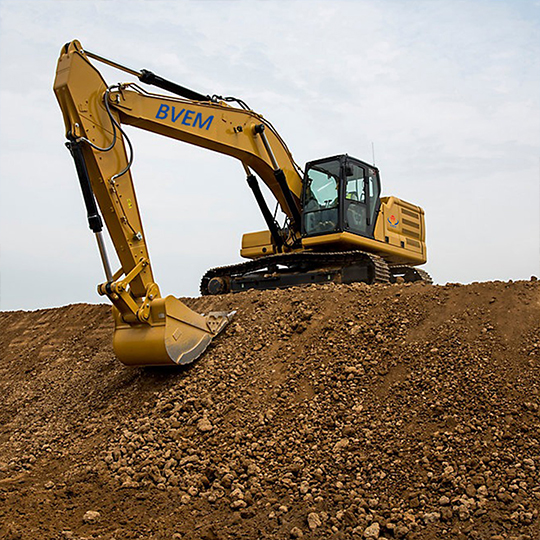
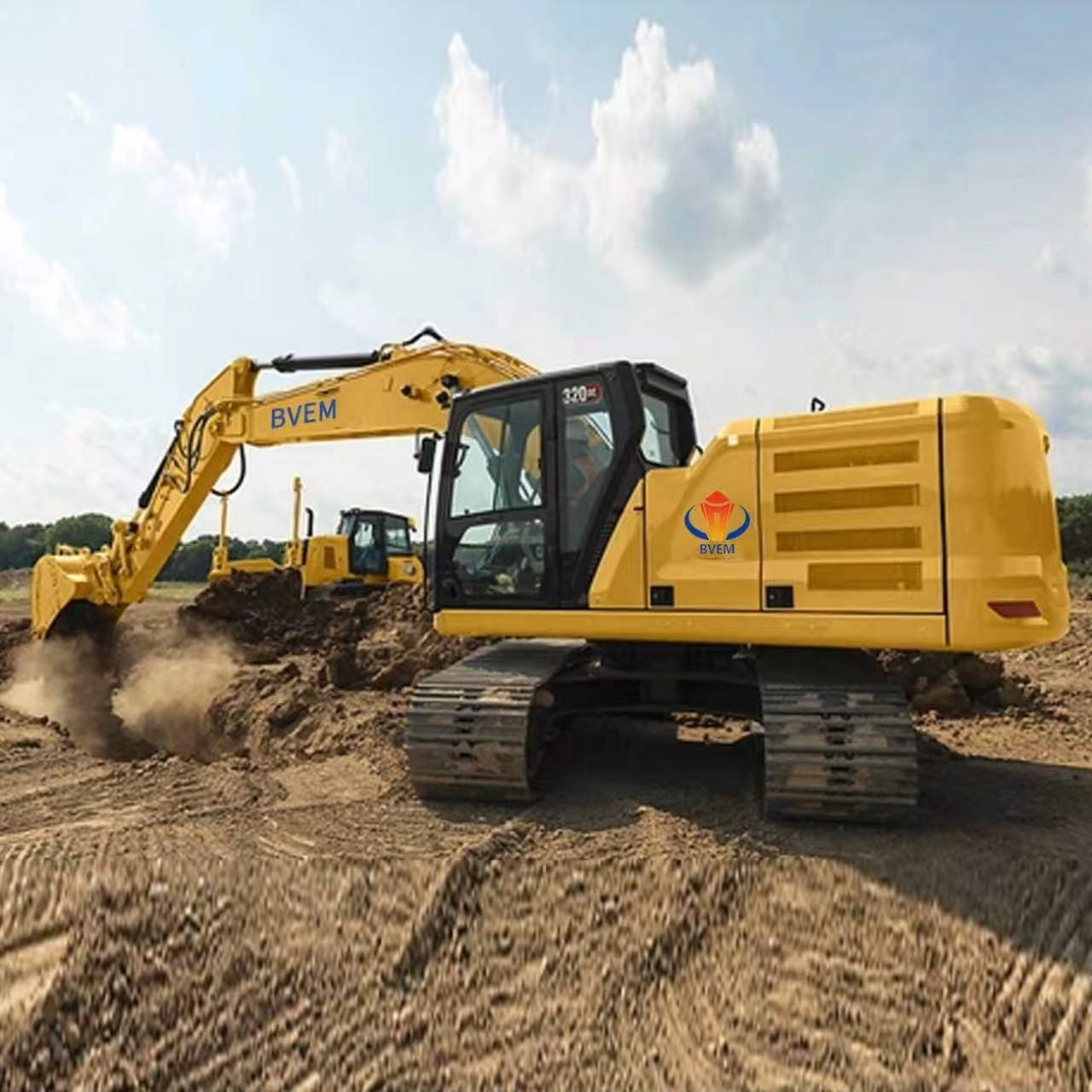
Learning to operate an excavator starts with understanding the basics. Whether you’re using one for the first time or refreshing your skills, this step-by-step guide will help you operate the machine more safely, confidently, and efficiently.
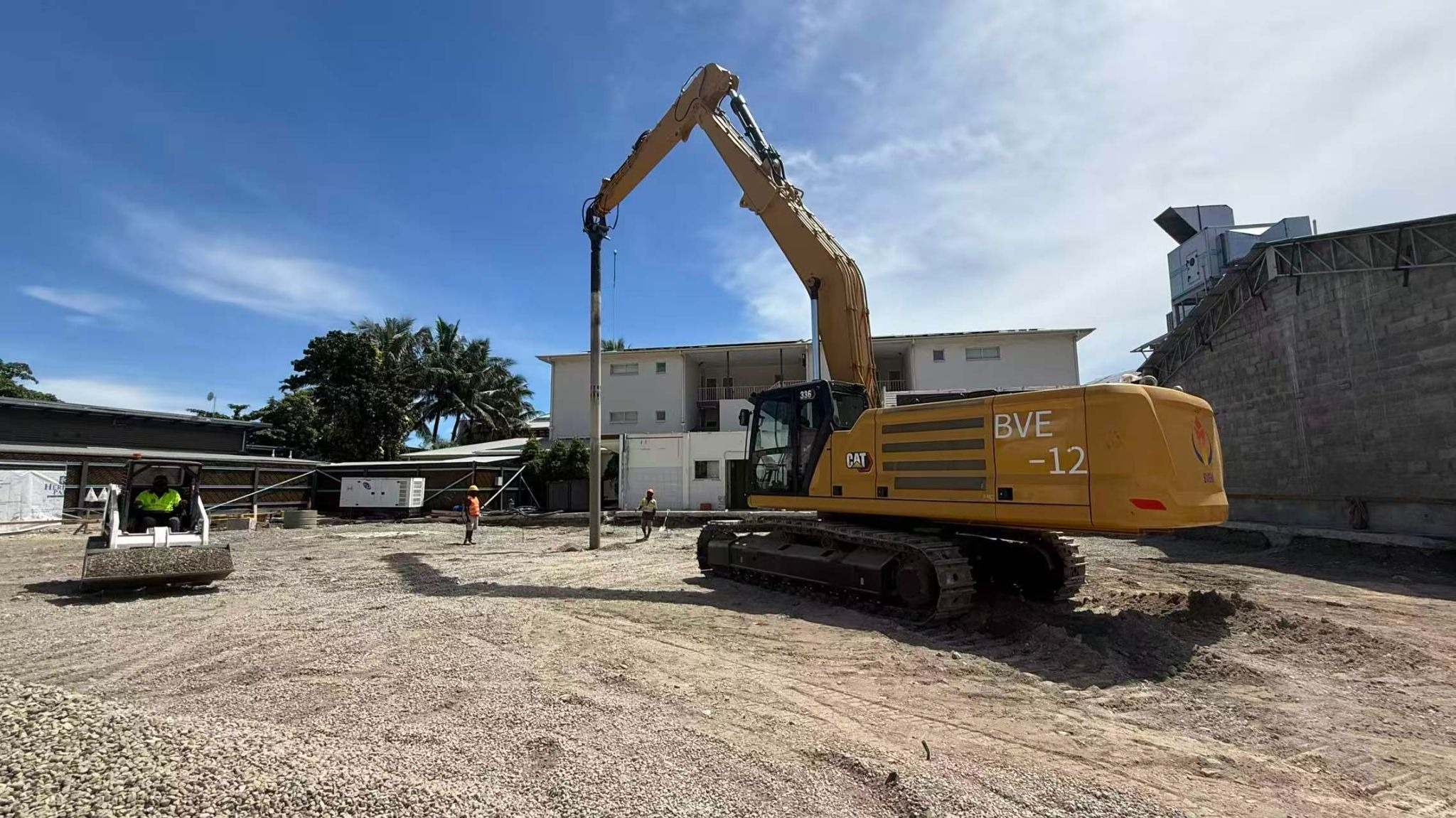
Complete Excavator Pre-Operation Checklist
Before you start your excavator, take a few minutes to check the machine and the jobsite. A quick inspection helps you find potential problems early and allows you to work more safely.
| Inspection Item | What to Check | |
| Machine Inspection | Fuel level | Make sure you have enough fuel for the planned operation. |
| Engine oil | Check the engine oil level before starting the machine. | |
| Hydraulic system | Inspect the hydraulic oil level, hoses, and connections. Look for leaks or damaged parts. | |
| Tracks and undercarriage | Check the tracks for unusual wear, damage, or debris that may affect movement. | |
| Machine components | Make sure the bucket, attachments, lights, warning indicators, and safety devices are working properly. | |
| Jobsite Inspection | Ground condition | Check that the ground is stable and can safely support the excavator. |
| Utilities and hazards | Identify underground utilities, overhead power lines, and other possible hazards before you begin. | |
| Nearby workers
| Make sure workers around you understand the excavator’s operating area. | |
| Operator Preparation | PPE | Wear proper PPE, including a hard hat, safety boots, gloves, and a high-visibility vest. |
| Seat belt
| Adjust your seat, check your visibility, and fasten your seat belt before moving the machine. |
Never skip a pre-operation inspection. A few minutes spent checking your excavator before work can help prevent unnecessary downtime and create a safer working environment.
Step-by-Step Excavator Operating Process
Every excavator operator follows the same basic process, whether using a mini excavator or a large excavator. The steps below show you how to operate the machine safely and efficiently.
Step 1: Enter the Cab Safely
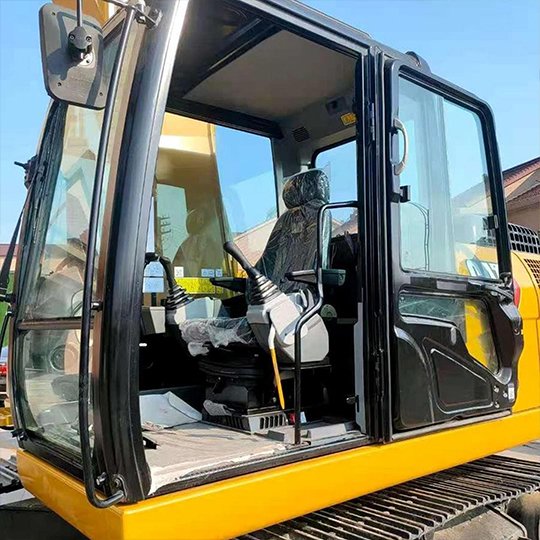
Before you enter the excavator cab, check that the machine is parked on stable ground and the attachment is in a safe position. Use the steps and handrails when climbing into the cab and maintain three points of contact whenever possible. Remove mud or dirt from your boots to avoid slipping. After entering the cab, close the door and check that the safety lock lever is ready for operation.
Step 2: Adjust the Seat and Controls
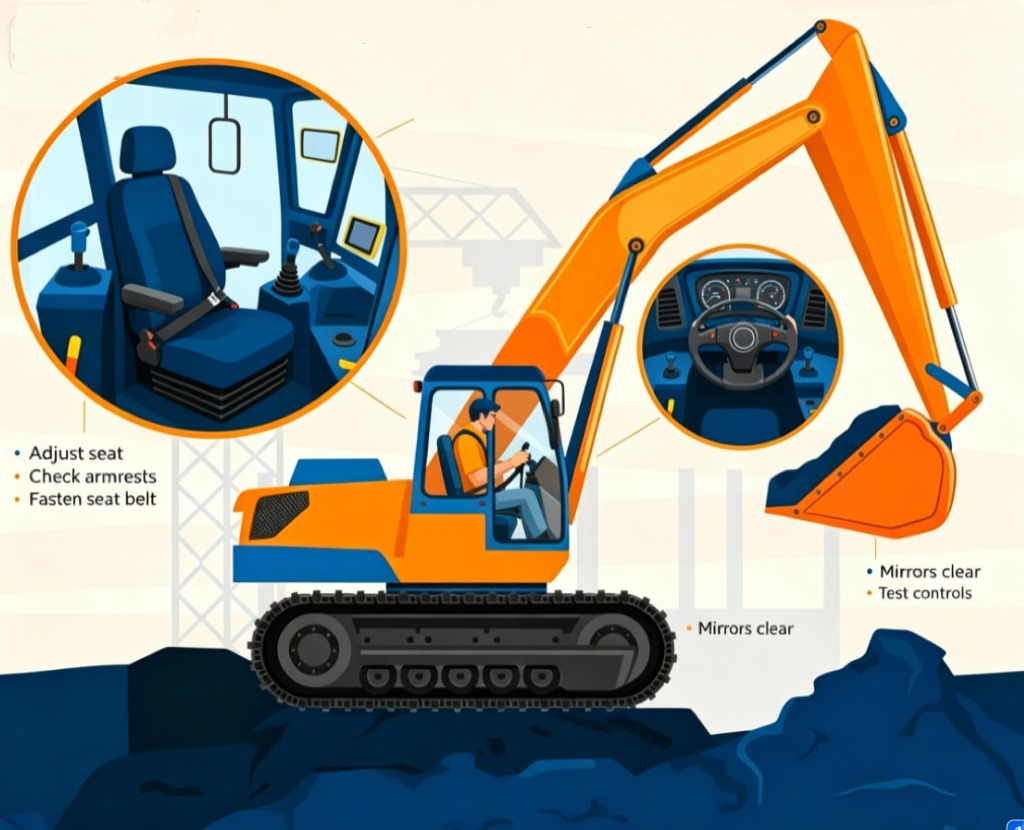
Once you are inside the cab, adjust your seat, armrests, and mirrors so you have a comfortable position and a clear view of the working area. Fasten your seat belt before moving the machine. A suitable seating position allows you to operate the joysticks naturally and maintain better control when digging, lifting, or loading materials.
Step 3: Start the Engine
Turn the ignition key or press the start button to start the excavator. Before beginning work, check the information on the display panel, including fuel level, temperature, oil pressure, and warning indicators. If you notice unusual sounds, warning lights, or hydraulic leaks, stop the machine and inspect the issue before continuing operation.
Step 4: Warm Up the Machine
Allow the excavator to warm up before starting heavy work, especially in cold weather. Let the engine run at a low speed and move the controls slowly to allow hydraulic oil to circulate through the system. A short warm-up period gives the hydraulic components time to reach normal operating conditions and makes machine movements smoother.
Step 5: Move the Excavator
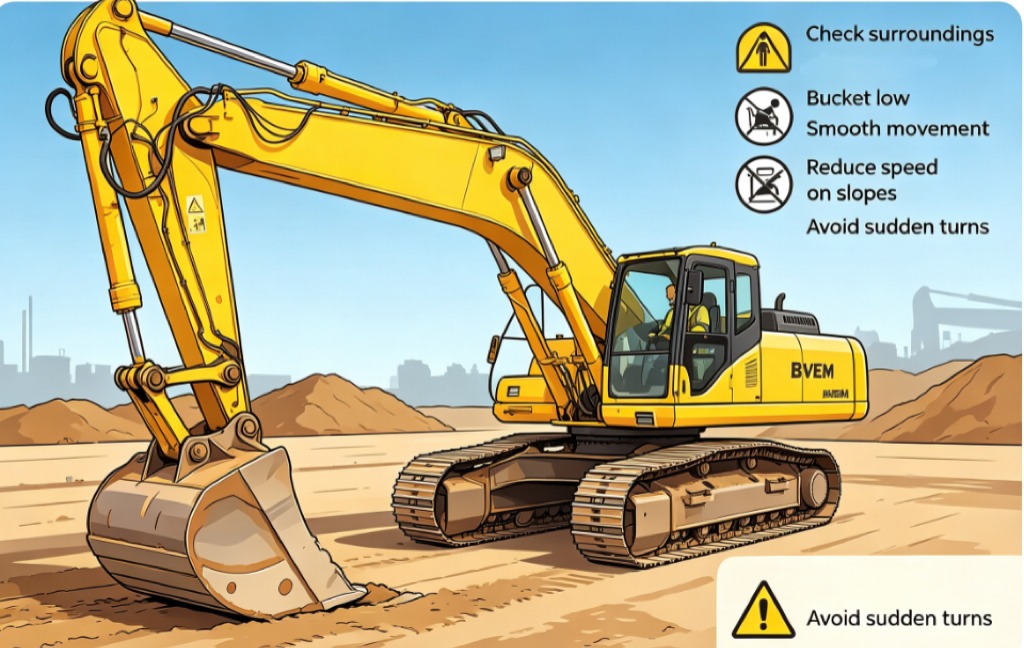
Before traveling, look around the machine and make sure the working area is clear of workers, obstacles, and other equipment. Place the attachment in a safe travel position and keep the bucket close to the ground to maintain stability. Use the travel controls smoothly when moving forward, reversing, or turning. When operating on slopes or uneven ground, reduce speed and avoid sudden changes in direction.
Step 6: Dig with the Excavator

Position the excavator on firm ground and place the boom in front of the machine before digging. Lower the bucket teeth into the soil by coordinating the boom, arm, and bucket movements. Avoid pushing the bucket too hard into the ground, especially when working in hard soil, as excessive force can increase stress on the hydraulic system and attachments.
During digging, use smooth control movements to fill the bucket efficiently. Once the bucket is full, raise the boom carefully and keep the machine balanced. Good coordination between the boom, arm, and bucket allows you to complete digging cycles faster while reducing unnecessary wear on the machine.
Step 7: Swing the Excavator

After filling the bucket, use the swing control to rotate the upper structure toward the dumping area or loading truck. Keep the swing movement steady, especially when carrying heavy material. Before rotating, check that workers, vehicles, and other equipment are outside the excavator’s working radius. Smooth swing operations help maintain stability and make loading work more efficient.
Step 8: Dump the Material

Position the bucket above the target area and open it gradually to release the material. Avoid dropping heavy loads suddenly, as strong impacts can place additional stress on the machine. After dumping, return the bucket smoothly and prepare for the next digging cycle. Consistent control movements help maintain machine balance during repeated operations.
Step 9: Park the Excavator
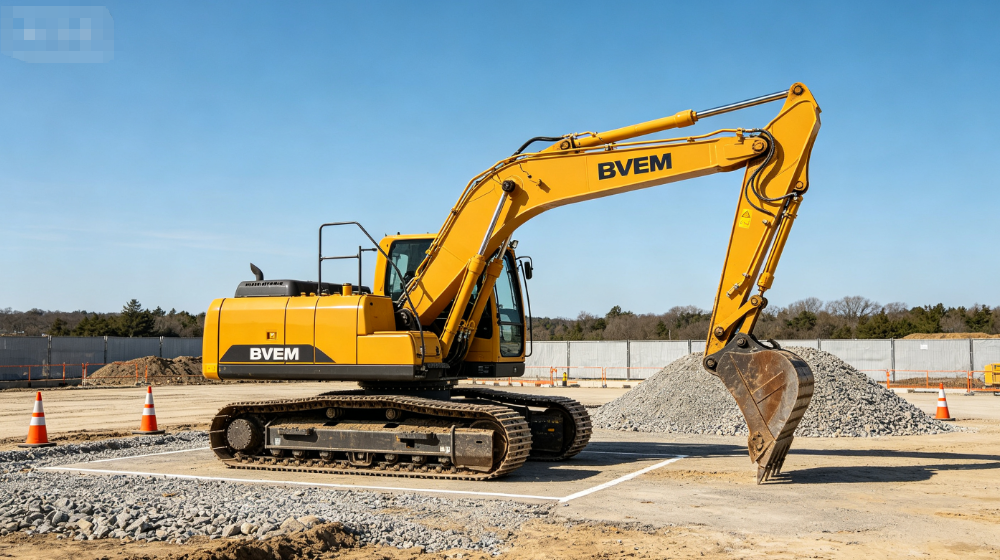
When you finish work or need to stop temporarily, move the excavator to a safe parking location. Place the cab in line with the tracks, lower the bucket or attachment completely to the ground, and make sure the machine is stable. Avoid parking on soft ground or steep slopes whenever possible. If you must park on uneven terrain, take extra precautions to prevent unwanted movement.
Step 10: Shut Down the Machine
Before shutting down the excavator, allow the engine to idle for a short period so the system can cool down. Move the controls to a safe position, engage the safety lock lever, turn off the engine, and remove the key. After shutdown, walk around the machine and check for leaks, damaged components, or problems that may need attention before the next operation.
Practical Tips for Better Excavator Operation
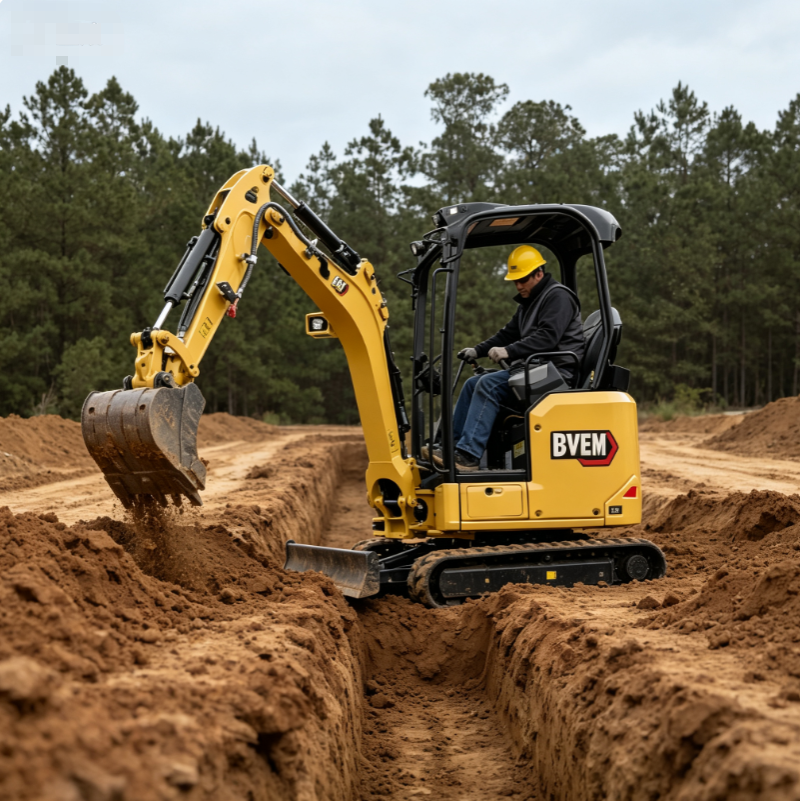
Once you know the basic operating sequence, a few simple habits can make your work smoother and more efficient. These tips won’t replace experience, but they can help you improve your operating skills over time.
Dig Straighter
Before you start digging, line up the excavator with the trench or working area. Keep the boom centered and avoid making large steering corrections during the digging cycle. If you work with steady, controlled movements, you’ll usually produce cleaner trenches with less rework.
Reduce Unnecessary Swing
Position the excavator as close to the loading area as practical. A shorter swing angle means the bucket travels a shorter distance, allowing you to complete each cycle faster while using less fuel.
Improve Fuel Efficiency
Avoid running the engine at high throttle when the job doesn’t require maximum power. Smooth control inputs and less unnecessary idling often save more fuel than aggressive operation without affecting productivity.
Protect the Hydraulic System
Use the boom, arm, and bucket together instead of forcing the bucket into hard ground. Smooth hydraulic movements place less stress on hoses, cylinders, and pumps, which can help reduce wear over time.
Work More Efficiently
Take a moment to plan where you’ll dig and where you’ll dump the material before you begin. Good machine positioning reduces unnecessary travel, shortens each digging cycle, and helps you finish the job more efficiently.
Common Mistakes That Damage Excavators
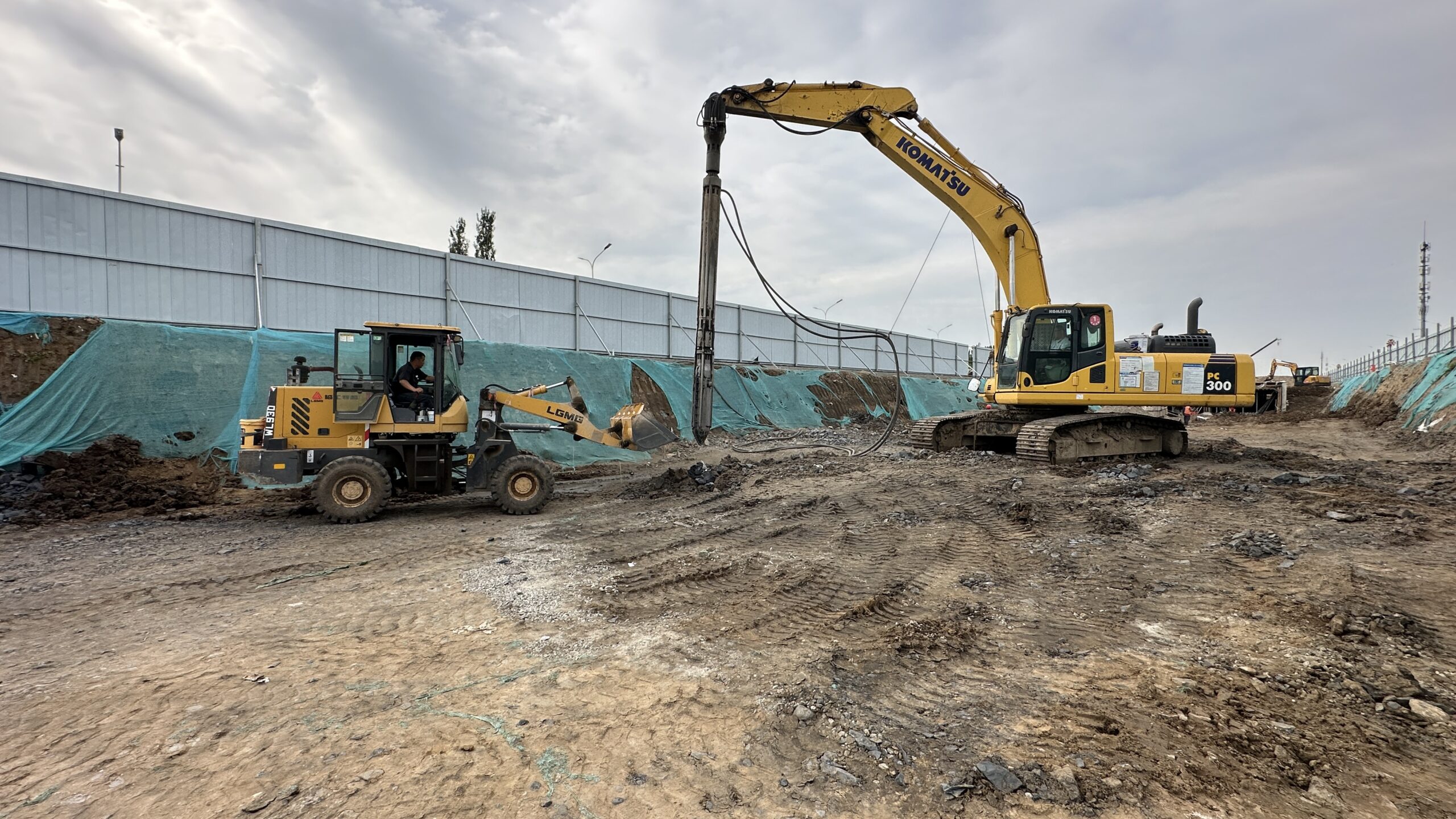
Even experienced operators can develop habits that increase wear on the machine. Avoiding the following mistakes can help extend equipment life and reduce unexpected repair costs.
Mistake 1: Swinging Too Fast
Problem: Fast swing movements create unnecessary stress on the upper structure and may reduce machine stability.
Better Way: Rotate the excavator smoothly and slow down before the bucket reaches the dumping point.
Mistake 2: Traveling with a Fully Raised Bucket
Problem: Carrying a full bucket too high raises the machine’s center of gravity and reduces stability, especially on uneven ground.
Better Way: Keep the bucket low while traveling whenever site conditions allow.
Mistake 3: Ignoring Warning Lights
Problem: Continuing to operate after warning indicators appear can turn a minor issue into an expensive repair.
Better Way: Stop the machine, identify the cause, and correct the problem before you continue working.
Mistake 4: Overloading the Excavator
Problem: Exceeding the machine’s rated capacity increases stress on the boom, arm, bucket, and hydraulic system.
Better Way: Know your excavator’s operating limits and choose the right bucket size for the job.
Mistake 5: Shutting Down Immediately After Heavy Work
Problem: Turning off the engine immediately after demanding operation may not allow the hydraulic and engine systems to stabilize.
Better Way: Let the engine idle for a short time before shutdown, then perform a quick walk-around inspection before leaving the machine.
Frequently Asked Questions
How long does it take to learn to operate an excavator?
The learning time depends on how often you practice and the type of work you perform. Most beginners can understand the basic controls within one to three months. If you want to work efficiently in different jobsite conditions, you’ll usually need several more months of hands-on experience. Regular practice is the best way to improve your operating skills and confidence.
Can you operate an excavator without certification?
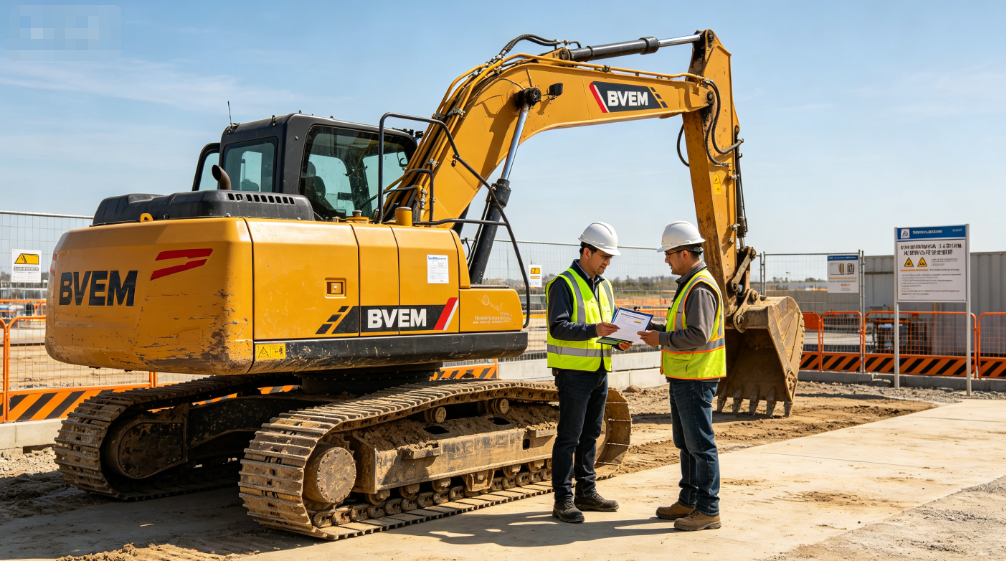
Certification requirements depend on your country, local regulations, and employer policies. In many regions, you must complete operator training or obtain certification before using an excavator on a construction site. Before you begin operating a machine, check the legal requirements in your area and follow your company’s safety procedures.
Do joystick controls make an excavator easier to operate?
Yes. Most modern excavators use joystick controls because they allow you to operate the boom, arm, bucket, and swing functions smoothly with less physical effort. Once you become familiar with the control pattern, you’ll find it easier to perform precise movements and complete digging cycles more efficiently.
How do you transport an excavator safely?
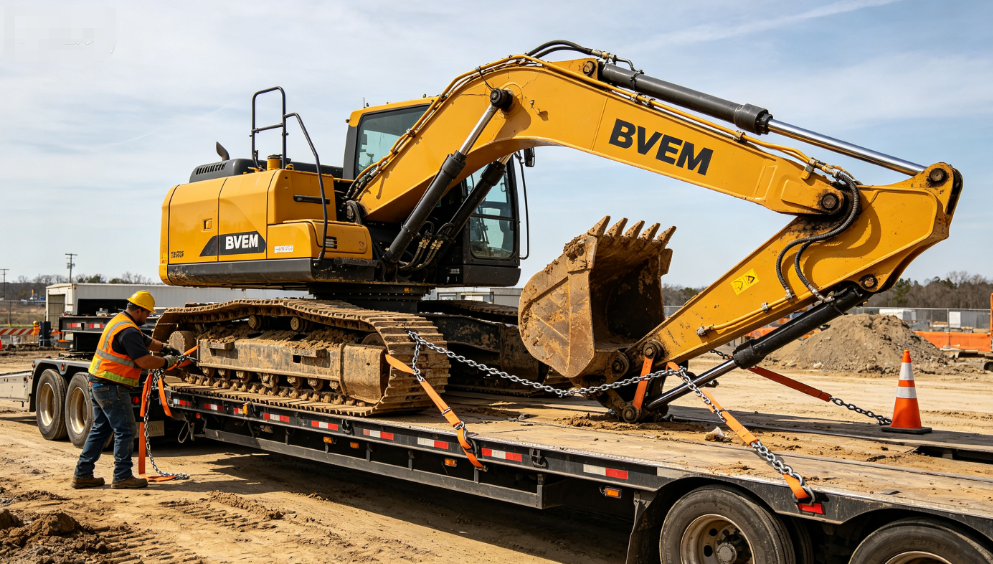
Before transporting an excavator, secure it to the trailer using the designated tie-down points and suitable chains or straps. Lower the boom, arm, bucket, and blade into the transport position before travel. It’s also a good idea to remove mud or debris from the undercarriage so the machine remains stable during transportation.
What should you check before unloading an excavator?
Before unloading, make sure the trailer is parked on firm, level ground and the loading ramp is secure. Walk around the machine to confirm it has not shifted during transport. Remove the tie-downs carefully and back the excavator down the ramp slowly. If someone is guiding you, keep them where you can see them clearly throughout the unloading process.
How often should you clean an excavator?
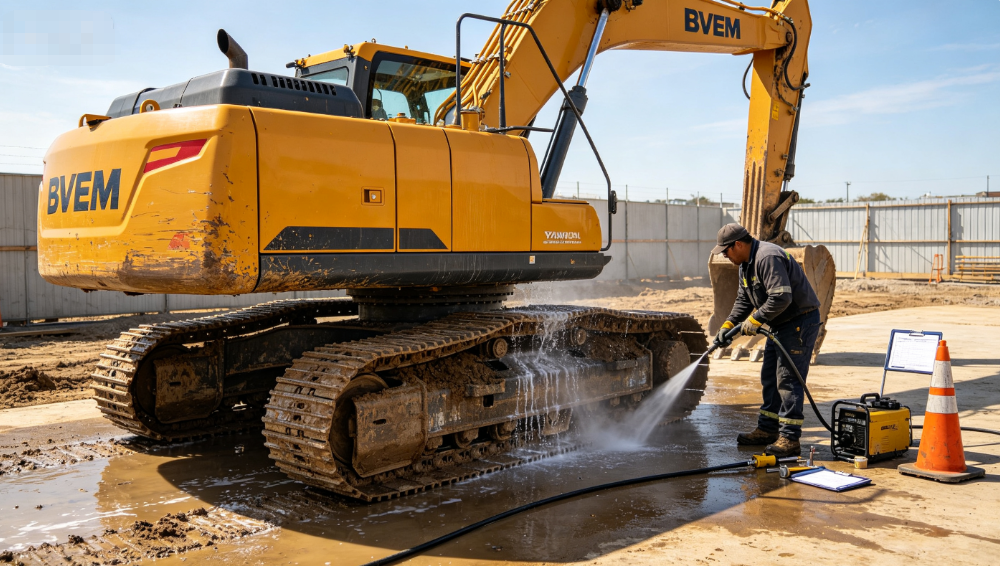
Cleaning should be part of your regular maintenance routine, especially after working in mud, clay, or dusty conditions. Removing dirt from the undercarriage, tracks, and machine body helps you spot leaks or damaged components earlier. Keeping the excavator clean can also reduce unnecessary wear and make routine inspections easier.
How do you maintain an excavator’s hydraulic system?
Check the hydraulic oil level before daily operation and inspect hoses, cylinders, and fittings for signs of leakage. If you notice unusual oil loss or damaged components, repair the problem before continuing to work. Following the manufacturer’s recommended maintenance schedule will help keep the hydraulic system operating reliably.
Why is track maintenance important?
Track condition has a direct impact on machine stability, travel performance, and undercarriage wear. Check track tension regularly and remove mud, stones, or debris after work. Tracks that are too loose or too tight can increase wear and reduce service life, so it’s worth inspecting them as part of your routine maintenance.
Why Choose BVEM?
With over 50 years of experience in construction machinery, BVEM has extensive expertise in excavators. Working with leading global brands, we provide cost-effective excavators, tailored purchasing solutions, and reliable after-sales service backed by comprehensive warranty support.