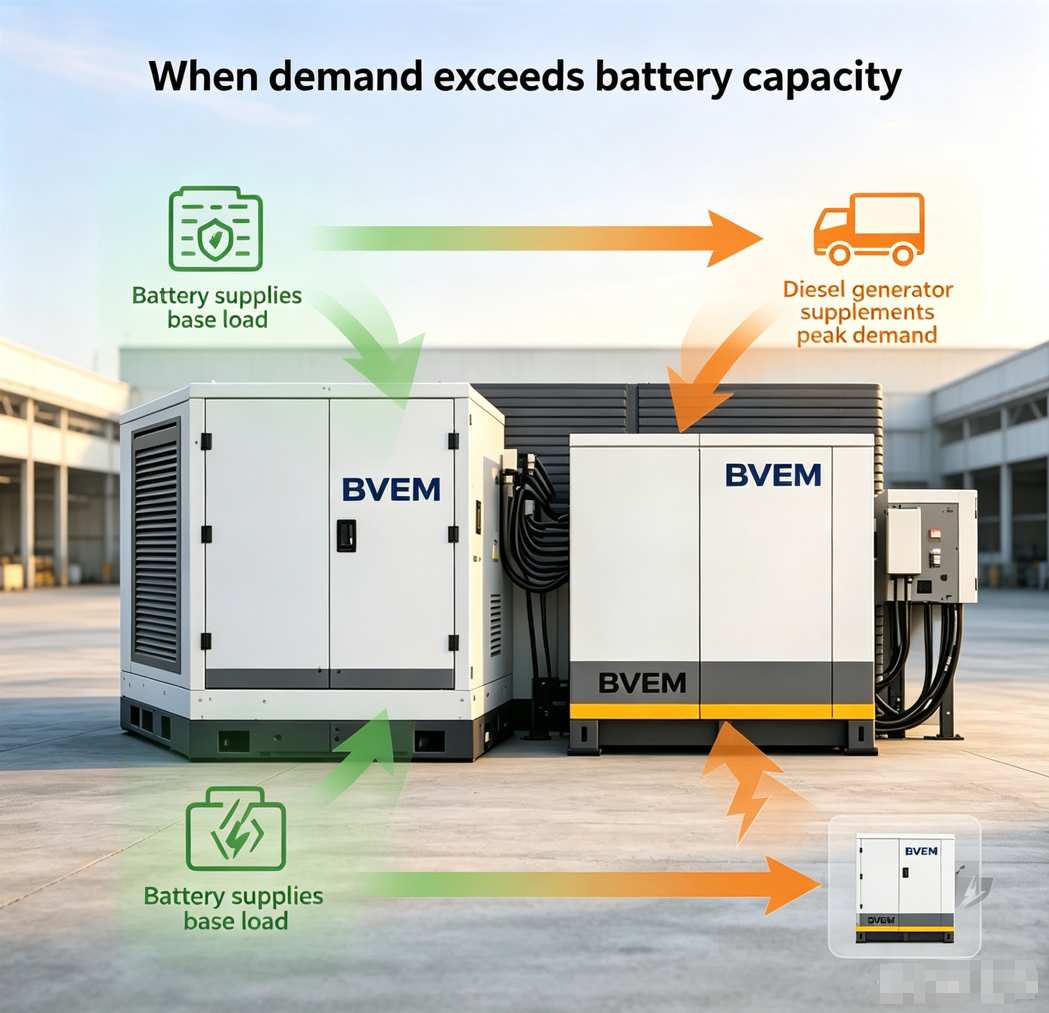
Power demand on a construction site can change from one stage of the project to another. Cranes, pumps, compressors and drilling equipment may all need different amounts of power. So, when choosing a generator, you should look at the actual equipment, starting loads, working hours and site conditions—not just the kW rating.
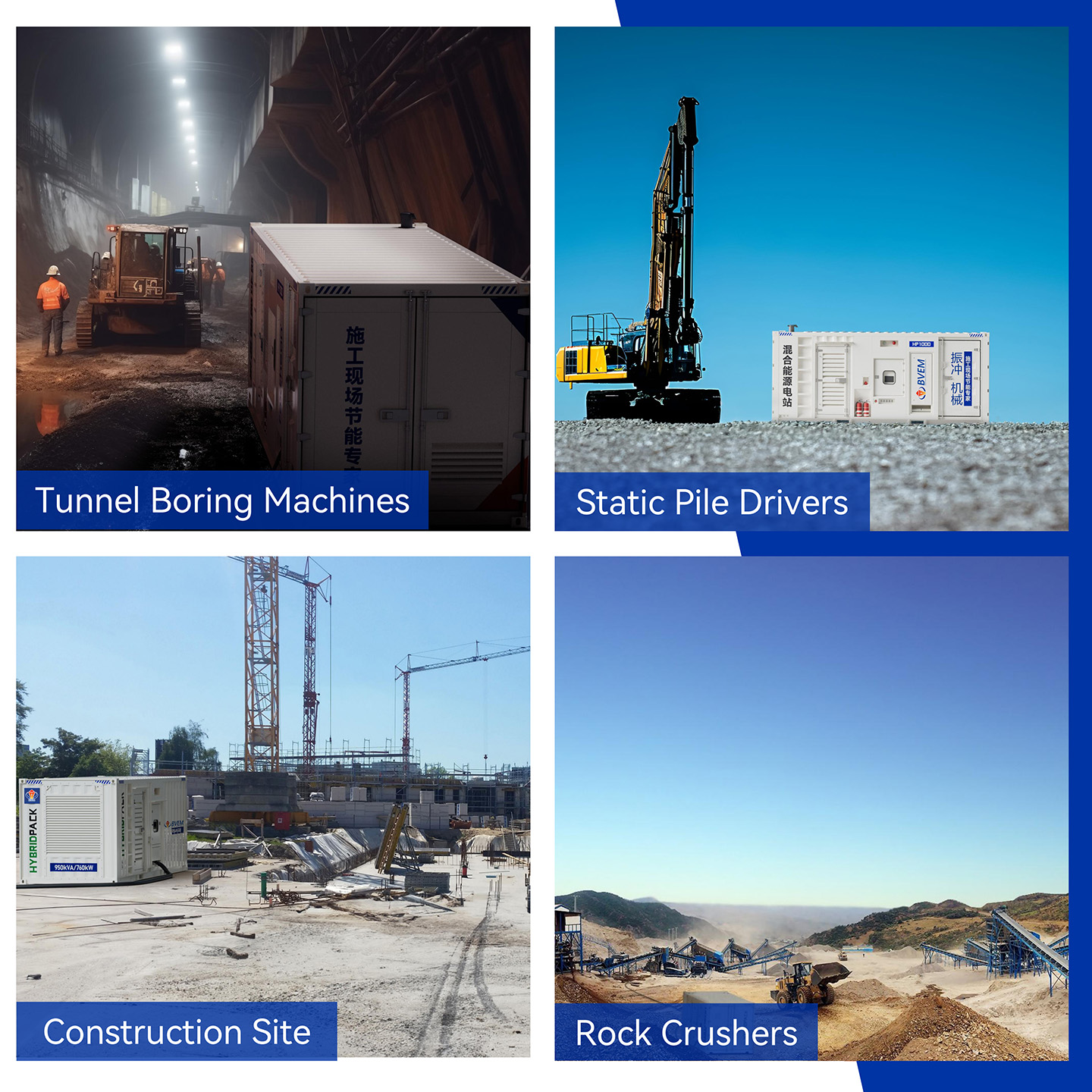
What Types of Generators Are Used on Construction Sites?
Different construction projects have different power requirements. The right generator type depends on the required output, site conditions, mobility and how long you expect the equipment to operate.
Mobile Diesel Generators
Mobile or towable generators are useful when you need to move the power source around the site or use it on different projects.
You can use them for temporary site power, lighting, pumps, compressors and other construction equipment. Their main advantage is flexibility, especially when the work area changes during the project.
Skid-Mounted Industrial Generators
Skid-mounted generators are more suitable for projects that require a large amount of power over a longer period.
They can be used for infrastructure projects, large construction sites, drilling equipment, pumps, cranes and other heavy-duty equipment.
If the generator will stay in one location for most of the project, a skid-mounted configuration may be more practical than a mobile unit.
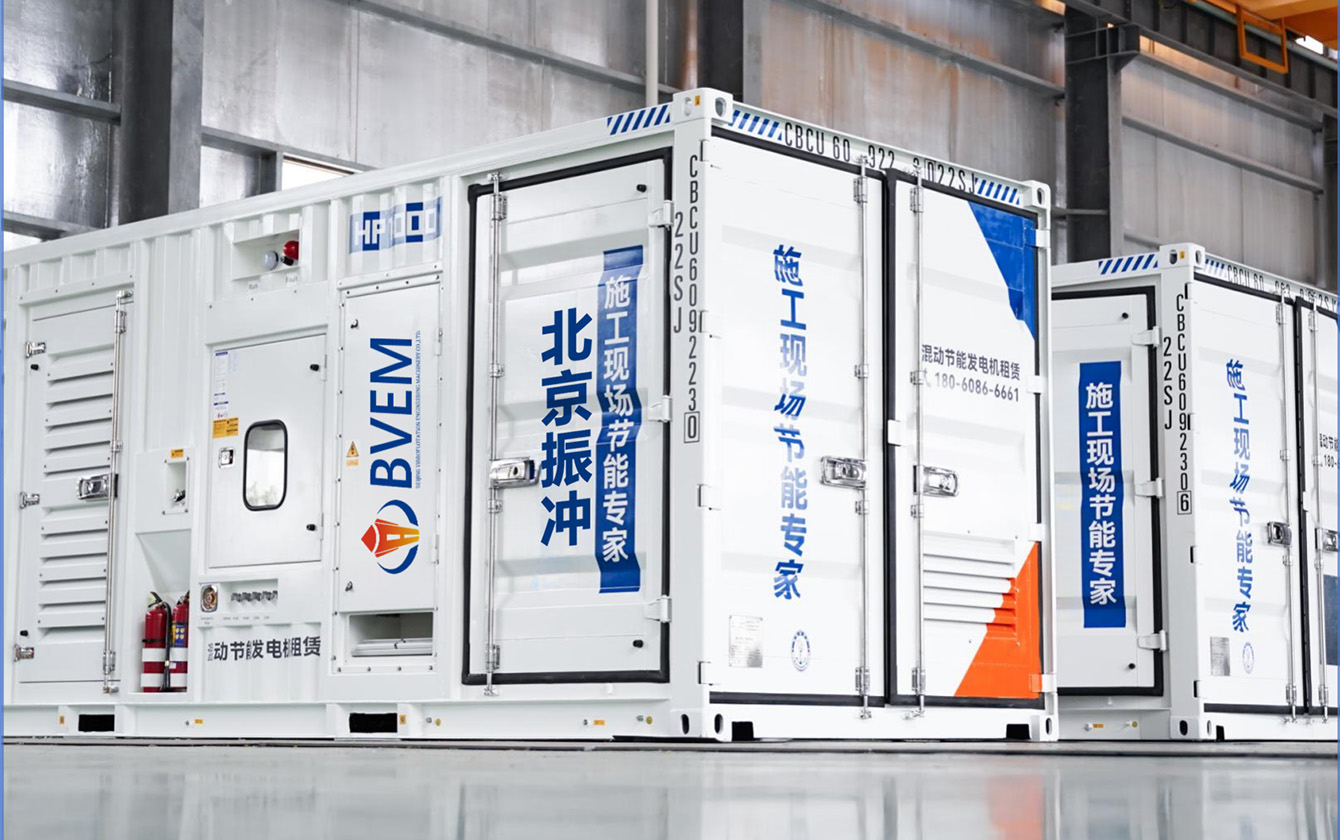
Containerized Generators
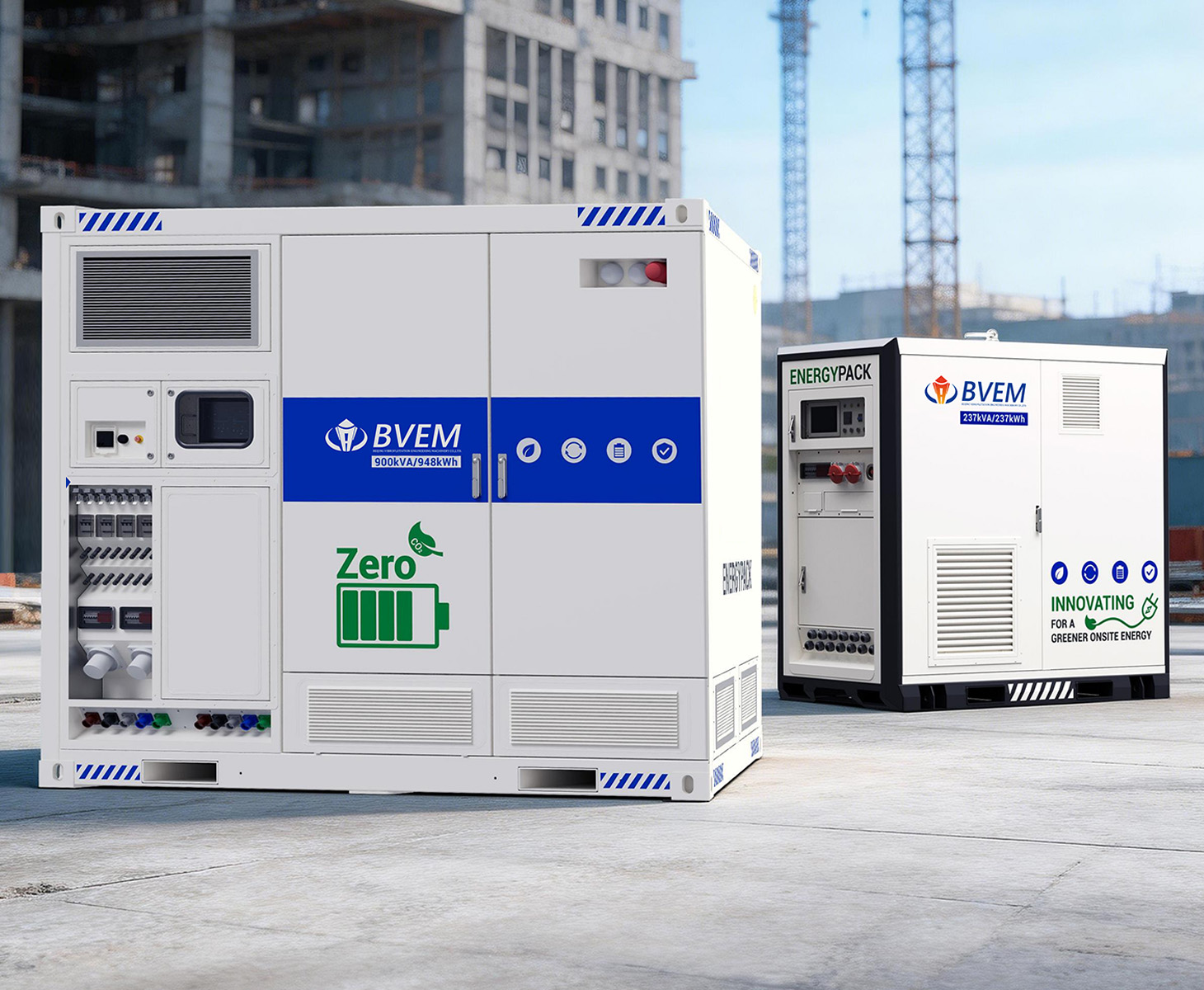
A containerized generator houses the generator and related equipment inside a protective enclosure. This can be useful when you need additional protection from rain, dust or other outdoor conditions.
They are commonly used for larger power requirements and long-term site operation.
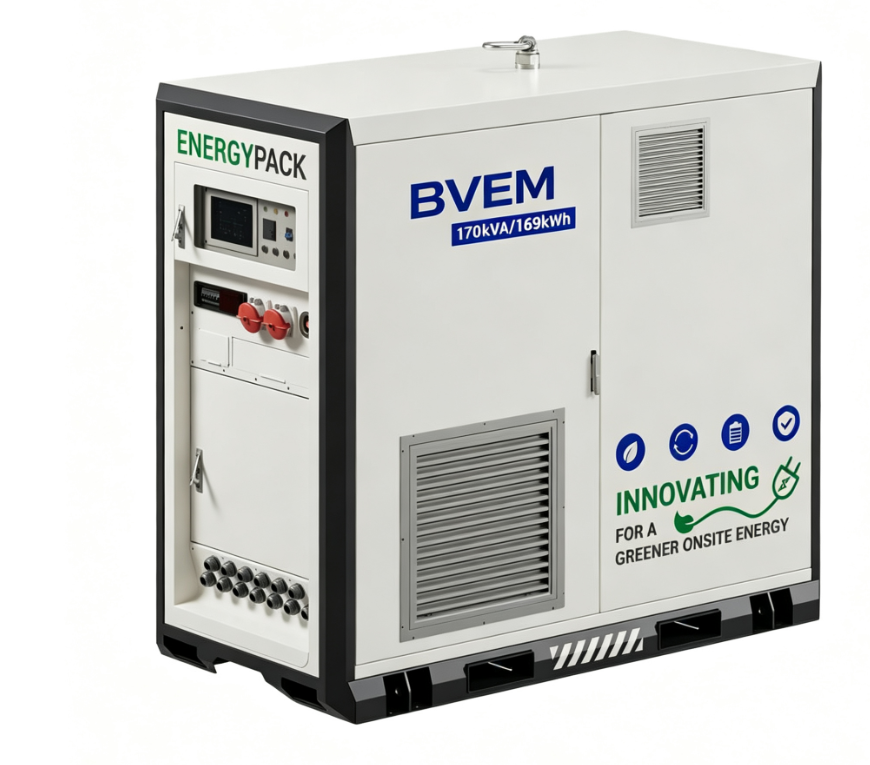
Hybrid Generator Systems
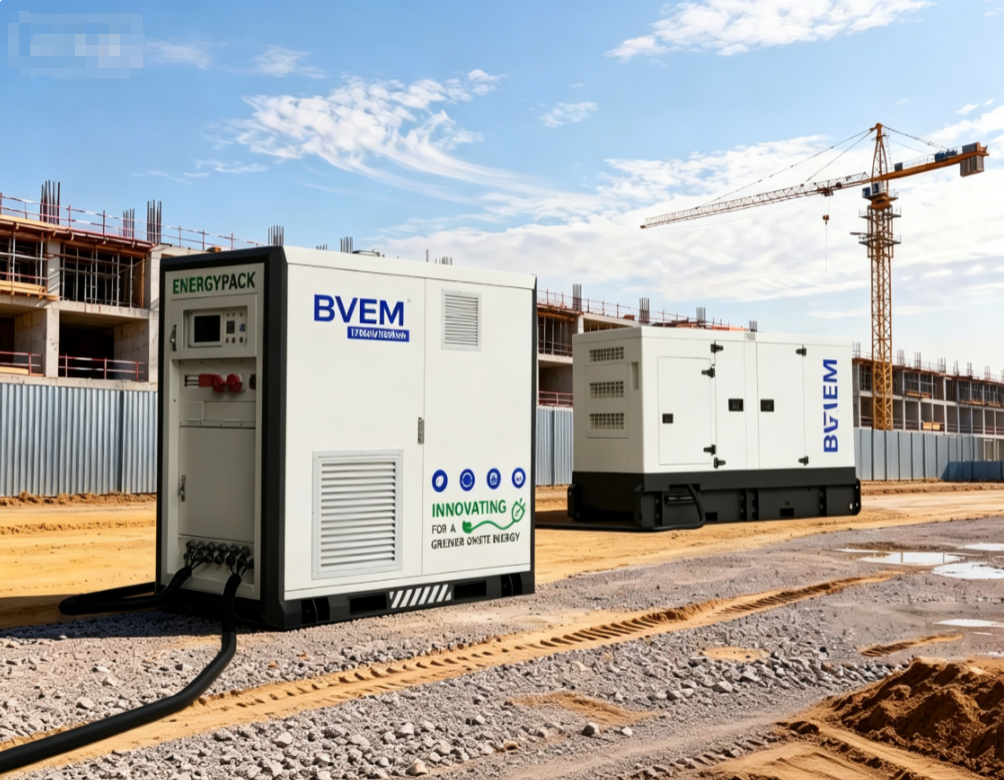
A hybrid generator system combines a diesel generator, battery storage and an energy management system (EMS). Depending on the project, you can also connect grid power or solar PV.
This type of system can be useful when your site has frequent load changes, short power peaks or long periods of low generator loading.
A hybrid system is not necessary for every construction site. You should first look at the actual load profile and operating conditions.
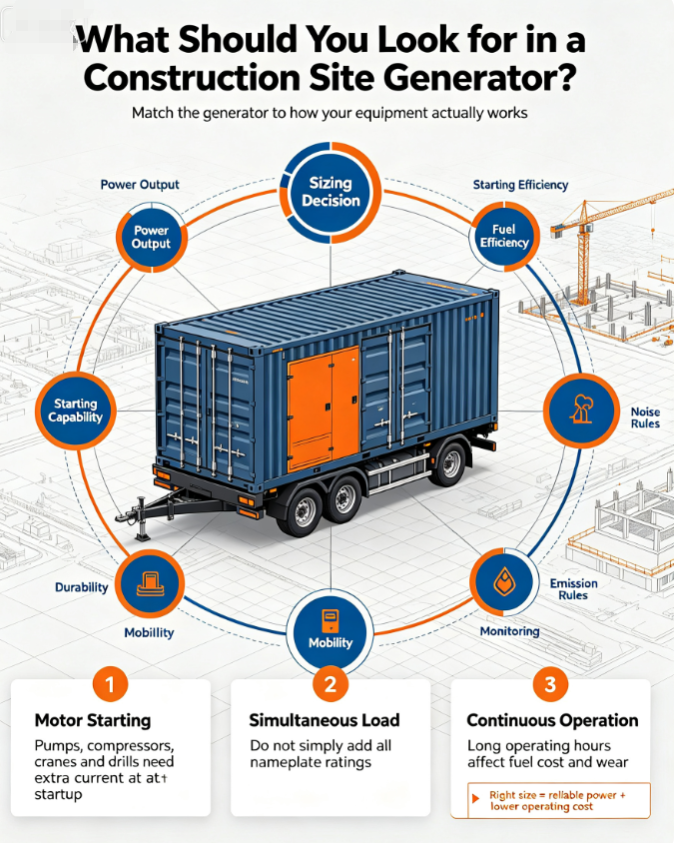
What Should You Look for in a Construction Site Generator?
The generator’s rated power is important, but there are several other factors you need to consider before making a choice.
Power Output
When you choose a generator, look at both the continuous power and the power available for short periods.
The generator should be able to supply your normal operating load while also handling changes in demand.
Starting Capability
Many construction machines use electric motors. Pumps, compressors, cranes and other equipment can require much higher current when the motor starts.
If several motors may start at the same time, include this starting demand when you select the generator.
Fuel Efficiency
Construction generators may operate for long hours every day, so fuel consumption can have a significant effect on your project costs.
A generator that is much larger than the normal load may spend a lot of time operating at low load. Proper sizing can help you avoid unnecessary fuel consumption.
Durability
Construction sites can be dusty, wet and exposed to vibration and changing weather conditions. Your generator may also need to operate for long periods.
For demanding projects, look for equipment designed for industrial and outdoor applications.
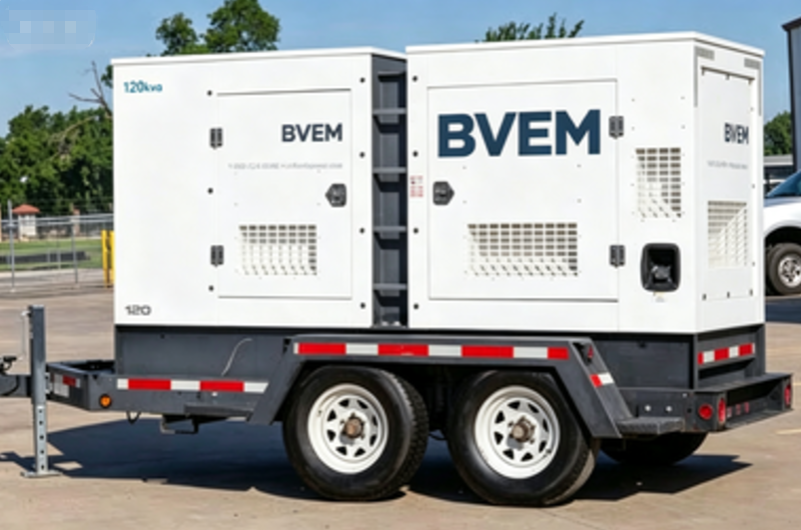
Mobility
If your power requirements change as the project progresses, a mobile generator may be easier to use.
For a long-term fixed load, a skid-mounted or containerized generator may be a better fit.
Monitoring and Protection
Depending on the generator system, monitoring functions can provide information about load, voltage, fuel level, temperature and fault conditions.
These functions allow you to monitor the equipment and identify operating problems more quickly.
Noise and Emissions
If you are working in an urban area or another noise-sensitive location, check the local requirements before selecting the generator.
You should also consider emission requirements when choosing the engine and overall generator configuration.
What Construction Equipment Can a Generator Power?
Construction sites can use a wide range of electrical equipment, and each machine can have a different load profile.
Common applications include:
| Construction Equipment | Power Considerations |
| Tower crane | Variable load and motor starting demand |
| Concrete pump | Motor-driven load that can change during operation |
| Water or dewatering pump | Starting current and continuous operation |
| Air compressor | High starting demand and changing load |
| Drilling rig | Load can change with drilling conditions |
| Vibratory hammer | High electrical load during operation |
| Vibroflot | High and continuous electrical load |
| Site lighting | Usually a more stable load |
| Temporary site buildings | Lighting, air conditioning and other auxiliary loads |
You should not simply add every equipment nameplate rating and use that number as the generator size.
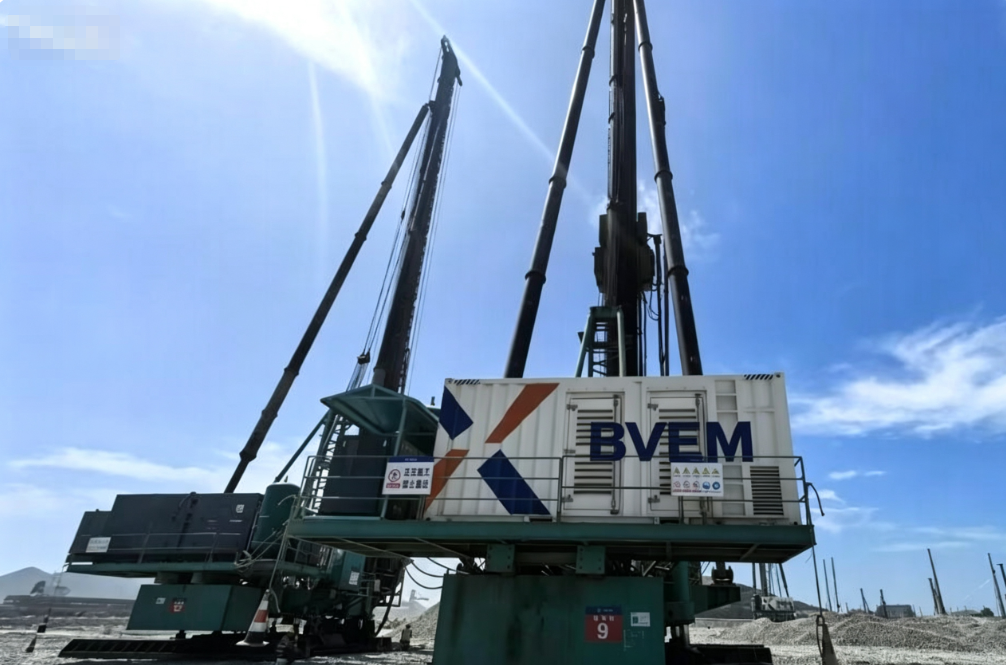
For example, one foundation project used a 180 kW vibroflot, a 180 kW vibratory hammer, a water pump and other auxiliary equipment. The total connected power was about 395.5 kW.
The generator still had to be selected according to how the equipment actually operated, including which machines ran at the same time and how much power they required during starting.
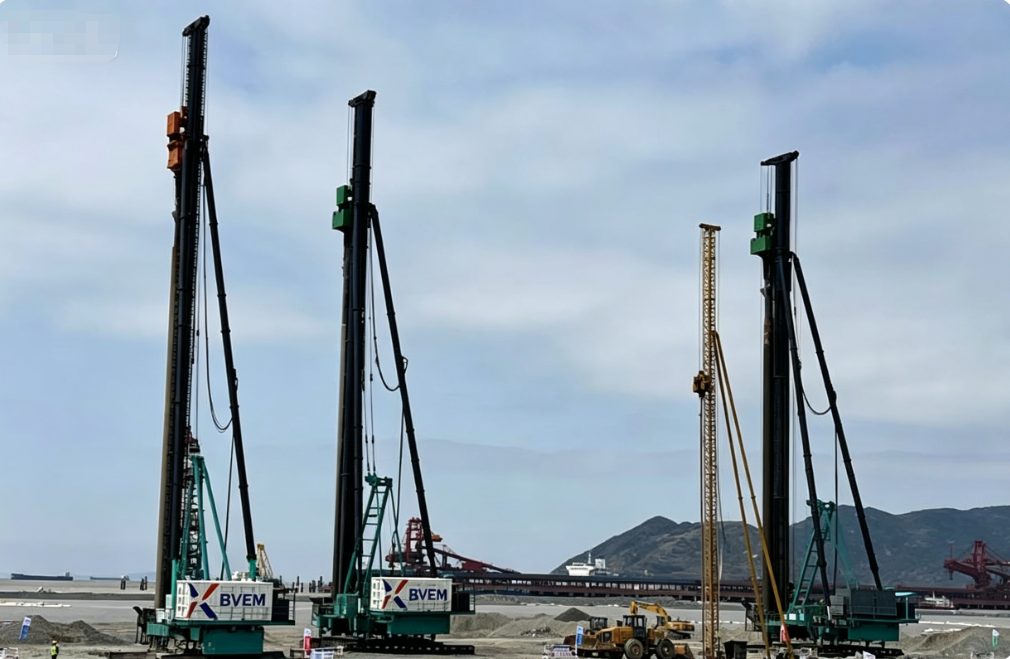
A foundation project in Zhoushan, China, provides another example. A 400 kW vibratory hammer and auxiliary equipment had a total connected power of about 500 kW, while the continuous load was only around 250 kW. The equipment operated 24/7, and an 800 kW diesel generator was used to cover the demand.
These examples show why you need to look at the actual load profile instead of choosing a generator only from the total connected power.
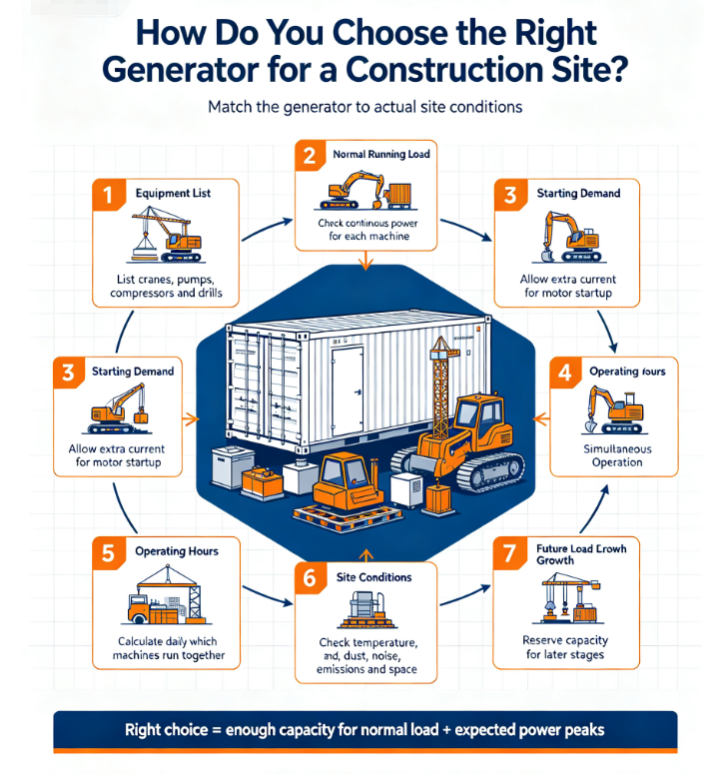
How Do You Choose the Right Generator for a Construction Site?
Before you choose a generator, take a close look at how the equipment will actually be used.
What equipment will you power?
Start by making a list of the main electrical equipment on your site.
This may include a tower crane, drilling rig, concrete pump, water pump, compressor, vibratory hammer or vibroflot.
What is the normal running load?
Check the normal operating power of each machine.
This gives you a better idea of the continuous load that your generator needs to supply.
What is the starting demand?
Next, check the starting requirements of motors and other equipment.
A pump or compressor may draw considerably more current when it starts than when it is running normally. This can be an important factor when you select the generator.
Which machines run at the same time?
Not every machine will operate continuously.
If some equipment is used at different times, the maximum connected power may be much higher than the actual operating load.
On the other hand, if several heavy machines run at the same time, you need to consider their combined load.
How many hours will the generator operate?
A construction site operating eight hours a day has different requirements from a project running 24/7.
For long-hour operation, fuel consumption, generator loading and maintenance become more important.
What are the site conditions?
You should also consider:
- Ambient temperature
- Altitude
- Dust and moisture
- Ventilation
- Noise restrictions
- Emission requirements
- Available installation space
- Transportation and access
These conditions can affect the final generator configuration.
Will the power demand increase later?
Construction projects change over time. You may add equipment as the project moves into another stage.
If you expect the load to increase later, consider this when you choose the generator instead of looking only at today’s demand.
The goal is not to choose the largest generator available. You want a generator that matches your actual working conditions and provides enough capacity for normal operation and expected power peaks.
When Does a Hybrid Generator Make Sense?
A conventional diesel generator may be enough when your site has a relatively stable load.
A hybrid generator becomes more useful when power demand changes frequently or when a diesel generator would spend long periods running at low load.
You may want to consider a hybrid system when:
- Equipment creates frequent load changes
- Large motors create short starting peaks
- The site operates for long hours or 24/7
- The generator normally runs at low load
- Fuel consumption is an important operating cost
- Noise is a concern
- Grid capacity is limited
- You already have a diesel generator
- You want to combine a generator with battery, grid or solar PV
The EMS coordinates the available power sources according to the site load. The battery can respond quickly to short-term peaks, while the diesel generator provides the main power for longer periods.
If you already have a generator, you may not need to replace it. Depending on the generator and electrical system, it may be possible to integrate it into a hybrid system after a technical evaluation.
Construction Generator FAQ
What size generator do I need for a construction site?
It depends on the equipment you plan to run, their normal operating loads, starting requirements and which machines will operate at the same time.
You should not select the generator based only on the total nameplate power. Looking at your actual load profile can help you choose a more suitable capacity.
Can a generator power a tower crane?
Yes. A generator can power a tower crane if its output and transient response are suitable for the crane’s electrical requirements.
You should check the crane’s normal running load, starting demand and the other equipment that may operate at the same time.
What generator is suitable for a drilling rig?
The suitable generator depends on the drilling rig’s rated power, actual operating load and starting requirements.
If the drilling load changes significantly during operation, you should consider these changes when selecting the generator rather than using the rated power alone.
What is the difference between a mobile and skid-mounted generator?
A mobile generator is easier to move and is useful when you need power at different locations.
A skid-mounted generator is normally installed in one location and is more suitable for long-term or heavy-duty applications.
Can a hybrid generator be used for construction equipment?
Yes. A hybrid system can be used when construction equipment creates changing loads or short power peaks.
The battery can provide additional power during short peaks, while the generator supplies the main continuous load. The actual configuration depends on your equipment and site conditions.
Need a Generator for Your Construction Project?
Not sure which generator fits your site? As a generator supplier, BVEM can review your equipment, power requirements and working conditions to help you find a suitable configuration. Send us your project details, and our team can recommend a practical power solution for your construction site.