A generator that works well on one job may not be the right choice for another. The power needed for a construction site can be very different from what you need for a mine, remote project, event, or rental application. Before choosing a generator, look at your actual load, operating hours, site conditions, and how the equipment will be used.
What Should You Consider Before Buying a Generator?
Start with how you will actually use the generator. What equipment will it run? How much starting power will that equipment need? How many hours will the generator work each day? Jobsite conditions can also make a difference when you compare different models.
Fuel consumption and runtime are worth checking, especially if the generator will run for long hours. You may also need to consider mobility, control features, maintenance, and how much power you are likely to need later. For example, a generator for mining or an off-grid industrial site may have different requirements from one used for a temporary event or rental job.
Transport and service should not be overlooked either. Think about how easily you can move the generator to the site, operate it, and access it when maintenance is needed. If your power demand changes during a project, choosing a flexible system may make more sense than simply going for a larger generator.
The main point is to choose based on the job, not just the number on the generator’s nameplate. A suitable generator should provide the power you need while helping you avoid unnecessary fuel use and operating costs.
What Type of Generator Is Right for Your Application?
Your power requirements and working conditions will help narrow down the generator type you need. Diesel, hydraulic, and hybrid systems have different operating characteristics, and each may be better suited to certain project conditions. Compare them based on how and where you plan to use the generator.
Diesel Generator
For projects that require power for many hours at a time, diesel generators can be a practical option. They are widely used on construction sites, in mining and infrastructure work, and at remote locations without reliable grid power. When your equipment runs at a steady and relatively high load, a diesel generator may provide a straightforward way to keep the job running.
Hydraulic Generator
A hydraulic generator makes sense when hydraulic power is already available on the machine or at the jobsite. You can make use of that existing power source to generate electricity for the equipment, rather than adding another engine just for power generation. This can be a useful approach for mobile construction equipment, particularly when space and weight are limited or the equipment needs to stay easy to move.
Hybrid Power System
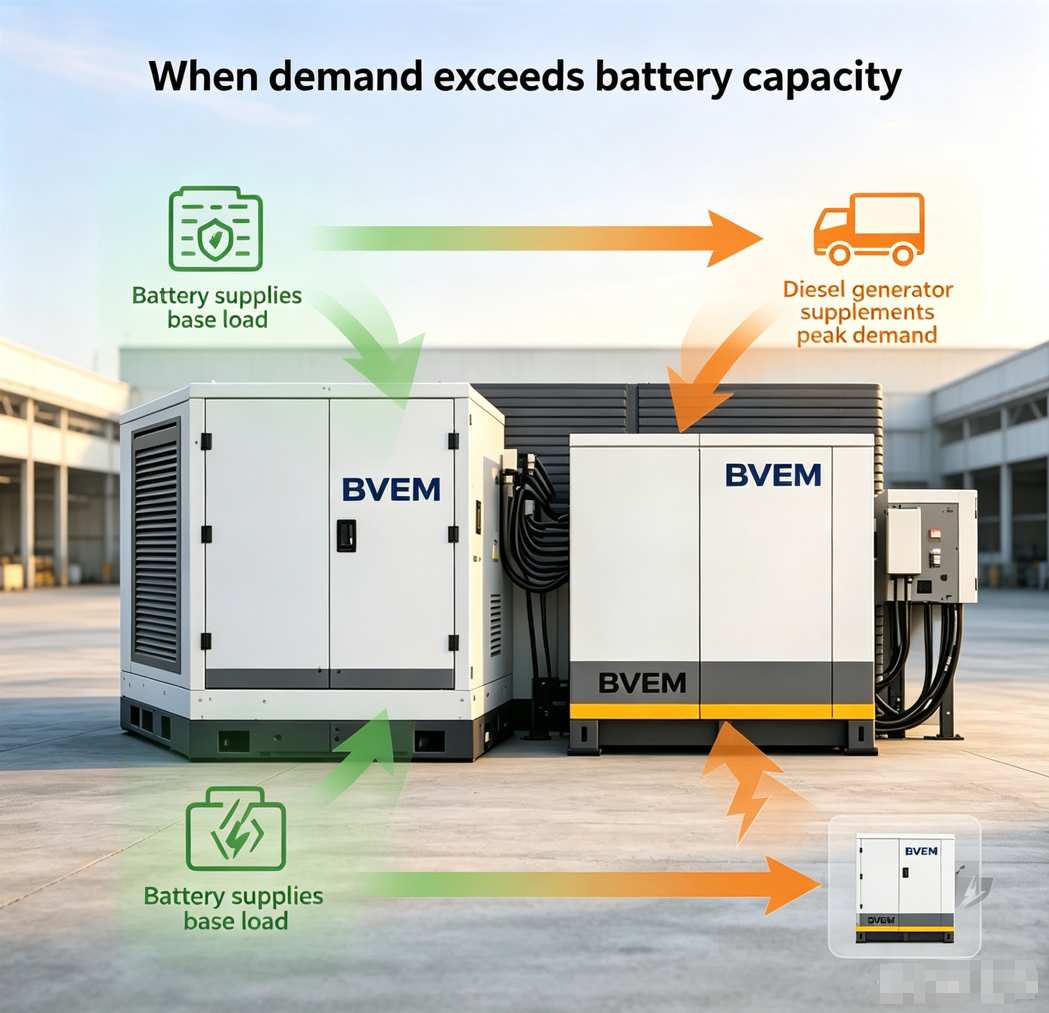
A hybrid system can be a good option when your power demand varies during the day. Battery storage can work together with a diesel generator, the grid, or another power source. During periods of lower demand, you can use the stored energy instead of running the generator unnecessarily. When the load increases, additional power can be supplied from the generator or another available source.
Using the system this way can reduce generator runtime and fuel consumption while keeping enough power available for changing loads.
How Much Generator Power Do You Need?
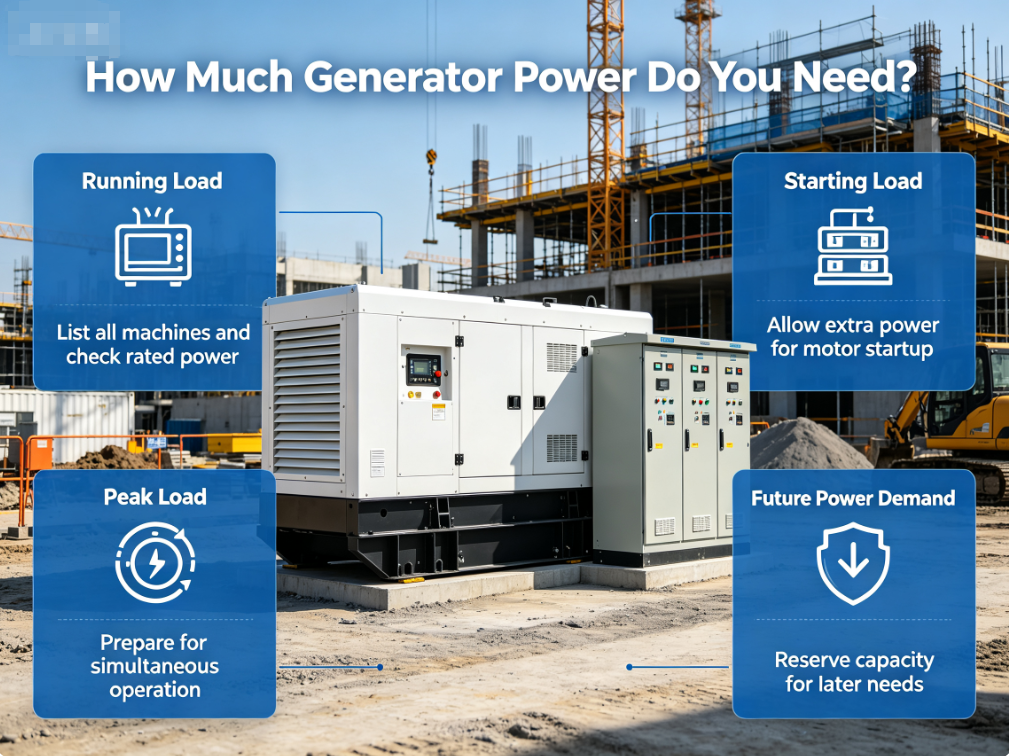
Before choosing a generator, first work out how much power your equipment will need. The rated power of your machines is only part of the picture. Some equipment draws more power when it starts, and you may have several machines running at the same time. Take these loads into account before making a purchase. This helps you avoid choosing a generator that is too small and spending more on fuel than necessary.
Running Load
The running load refers to the power your equipment uses while it is operating normally. Make a list of the machines you plan to run and check their rated power. This may include pumps, compressors, welding machines, lights, and power tools. If several machines will be working at the same time, include their loads as well. This gives you a better idea of the power your generator will need during normal operation.
Starting Load
Some machines need more power at startup than they use once they are running. This is common with pumps, compressors, motors, and hoists, which can cause a short-term rise in power demand. So, don’t base your generator size on the running load alone. If several motor-driven machines start at about the same time, an undersized generator may have difficulty handling the extra demand.
Peak Load
You also need to consider the highest load your jobsite could reach. The demand can rise well above the average when several machines are running or starting at the same time. Check the peak load before deciding on the generator size, particularly if you are working with heavy equipment on a construction site, mine, or oilfield.
Future Power Demand
Your power needs can change as the project moves forward. Maybe you will add more equipment later or take on a larger workload. It is worth allowing for that extra demand when you choose the generator. Doing so means you are less likely to need a different generator once the workload increases.
How to Choose the Right Generator for Your Application?
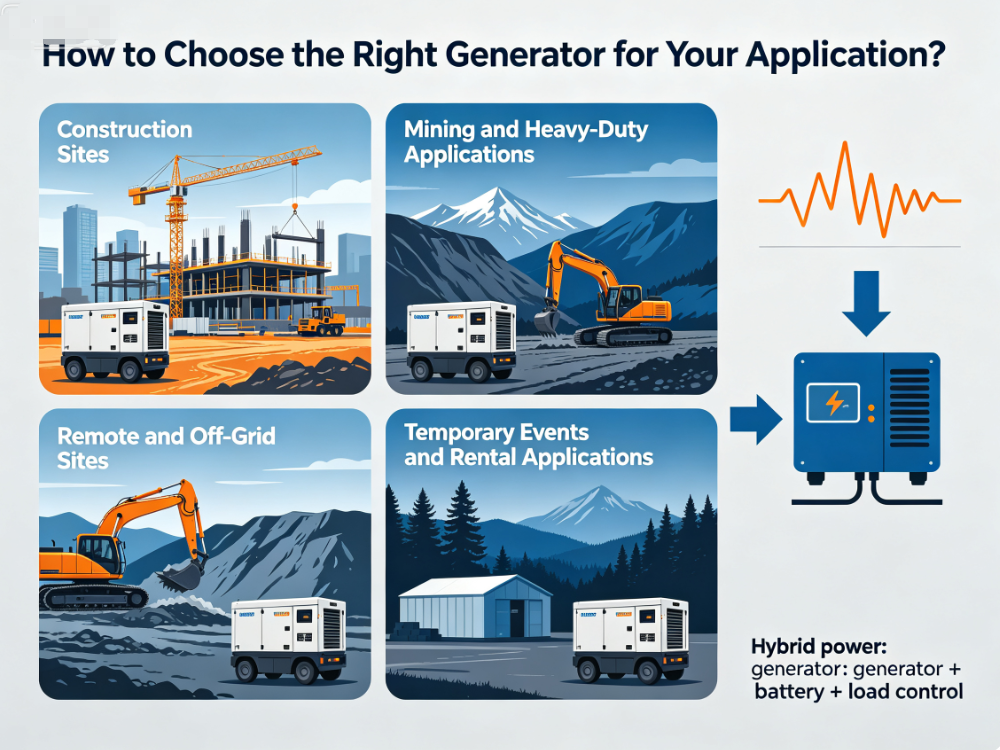
A generator that works well for one application may not be the best fit for another. When making your choice, look at how the equipment will be used, how much the load is likely to change, and how many hours the system will need to run.
Construction Sites
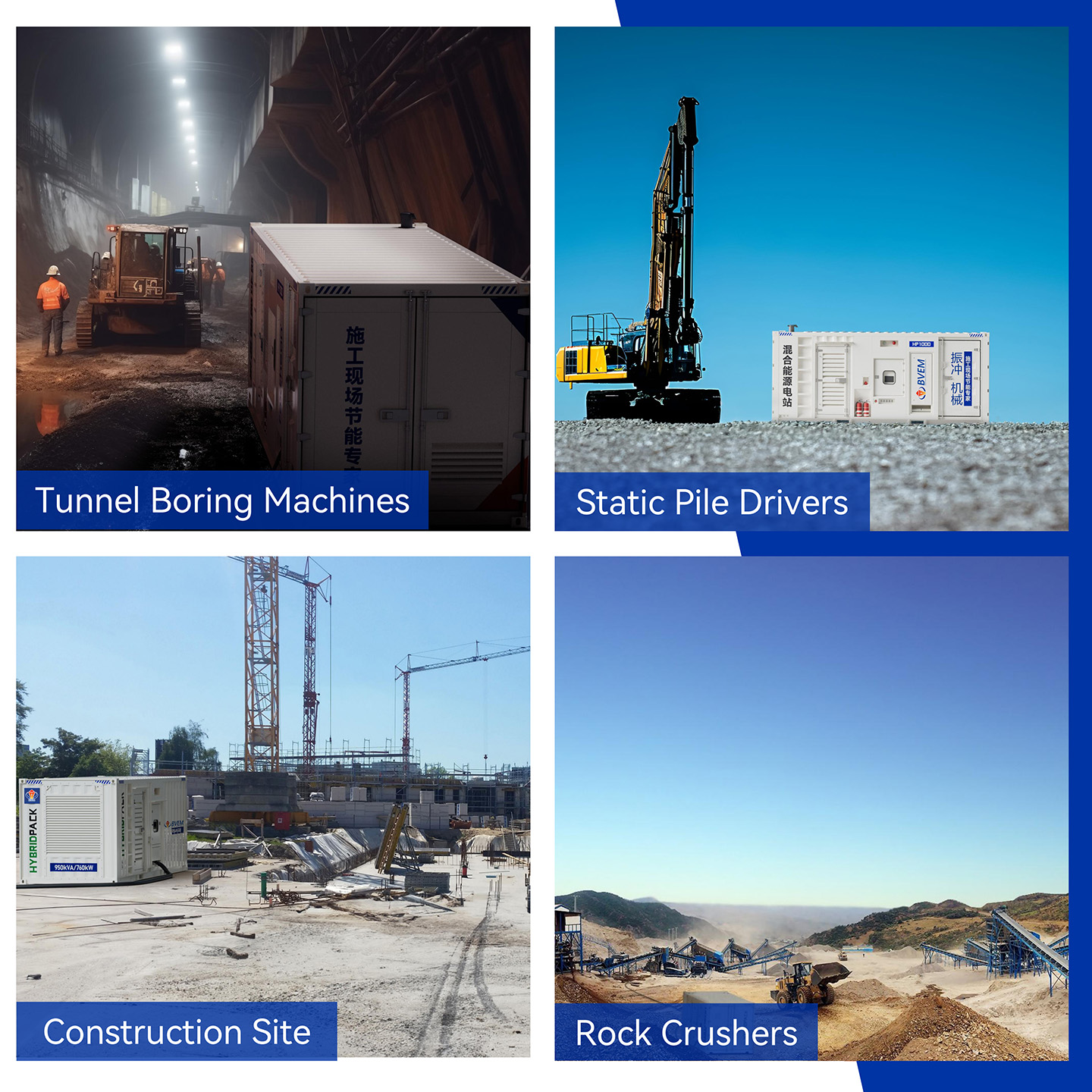
Construction sites rarely have the same equipment running throughout the day. You might use tower cranes, pumps, welding machines, lights, and power tools at different stages of the work. The load can rise and fall quite quickly, so running a large diesel generator at a light load for most of the day is not always practical. When the demand changes frequently, adding battery storage to a hybrid system can provide extra power during short peaks and cut down on unnecessary generator running time.
Mining and Heavy-Duty Applications
Mining and quarrying operations can run for long hours and place heavy demands on the power system. A conventional diesel generator can work well when the site has a high but fairly steady load. The situation is different when demand goes up and down often, especially when short peaks are much higher than the average load. In that case, battery storage can take care of those brief increases in demand and reduce the amount of work placed on the generator.
Remote and Off-Grid Sites
Powering a site away from the grid comes with a few extra things to plan for. Fuel delivery, operating time, and maintenance can all affect how the system performs. Depending on the project, you may use a diesel generator together with battery storage or renewable power. The stored energy can cover periods when the load is low, while the generator supplies extra power when demand increases.
Temporary Events and Rental Applications
For events and rental jobs, you may have different priorities than you would on a fixed jobsite. You may need to move the equipment between locations, set it up quickly, and keep the power supply reliable without creating too much noise. If quiet operation or lower emissions is important for your project, a battery storage or hybrid system may be worth considering.
When choosing the system, look at your actual load and the conditions at the site. Rather than working from a fixed configuration, the systems are built around the requirements of each project. This allows the generator, battery storage, and other power sources to work together as one system.
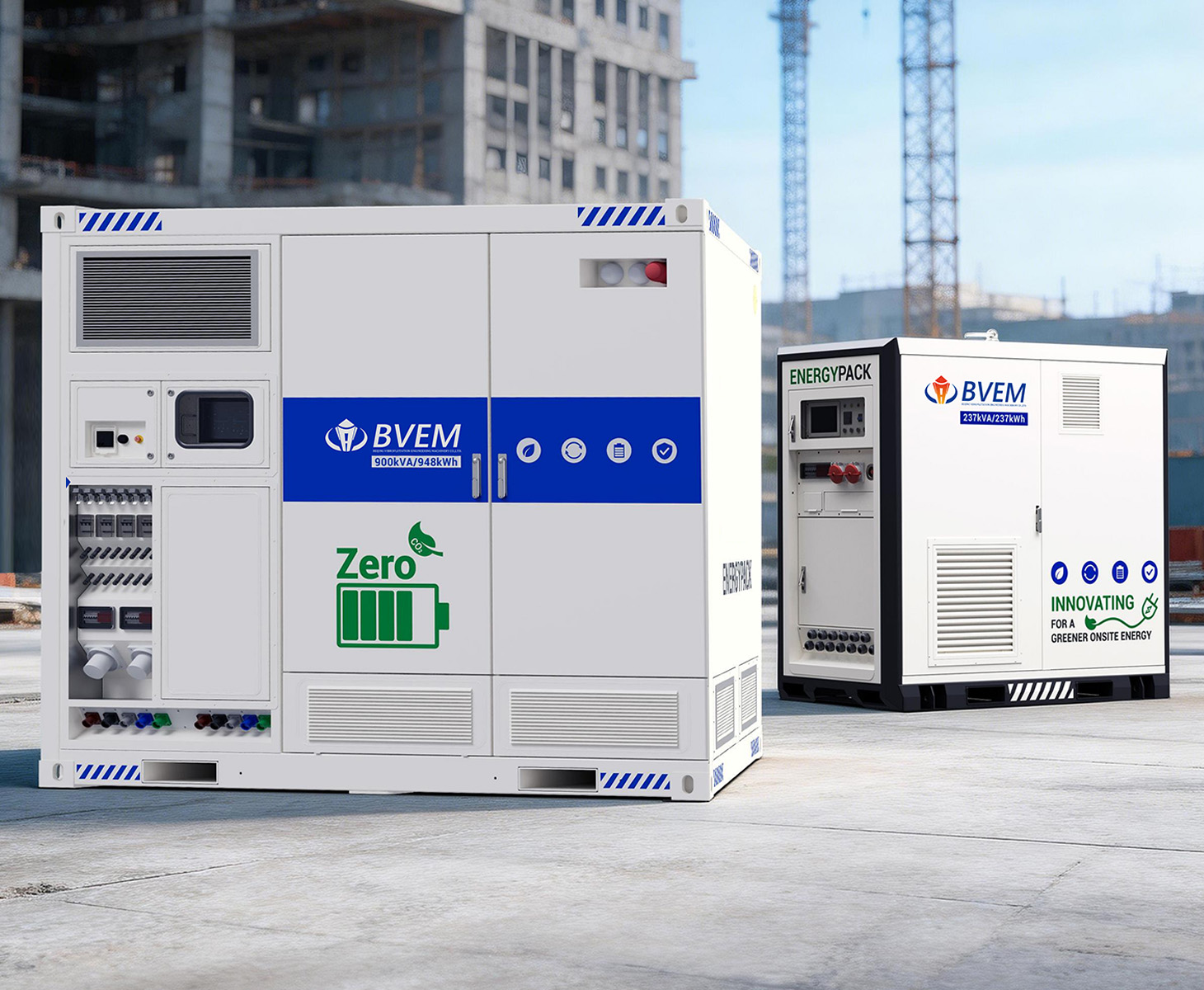
What Features Should You Look for in a Generator?
After deciding on the generator type and capacity, take a closer look at the features you will use every day. Having enough power is only one part of the decision. You will also want a generator that is straightforward to operate and monitor, easy to move when needed, and well protected against the conditions on your jobsite. Simple maintenance is another point worth considering, especially when the generator will be used regularly.
Control and Monitoring
A clear control system makes it easier to understand how your generator is working. Look for features that allow you to monitor power output, operating conditions, alarms, and system status without making daily operation complicated.
For hybrid systems, the energy management system is especially important. It can coordinate the generator, battery storage, grid, and other power sources according to your operating needs.
Remote monitoring can also be useful when your equipment is working at a remote construction, mining, or off-grid site. Remote diagnostics and data monitoring can help you keep track of the system without being beside the unit all the time.
Safety and Protection
Safety should be part of your generator selection, especially when the equipment will operate for long hours or supply critical loads.
Depending on the system, useful protection features can include overcurrent, short-circuit, over-voltage, grounding, insulation monitoring, and emergency protection functions.
You should also check the applicable safety standards and certifications for your market before placing an order.
Weather and Site Protection
Jobsite generators often work outdoors, so the enclosure and environmental protection matter. If you operate in dusty, wet, hot, cold, or remote conditions, check the protection rating, operating temperature range, corrosion protection, and enclosure design.
Some generators are designed with features such as IP54 protection, a wide operating temperature range, and outdoor anti-corrosion coatings. Their enclosures can also be configured for local wind, snow, and seismic requirements.
Mobility and Easy Deployment
If you need to move the generator between jobsites, transportation can be just as important as power output. Look for practical lifting and transport features, especially if the unit will be used for rental, construction, or temporary power.
Quick-connect interfaces can simplify installation, while lifting points and forklift pockets can make loading and unloading easier.
Integration and Scalability
Your power requirements may change over time, so it is worth checking whether the system can work with other power sources or be expanded later.
For hybrid applications, an open control platform can allow the battery system to communicate with the generator, grid, PV, or other equipment. Multiple units can also be connected and controlled as one larger system when more capacity is needed.
This can give you more flexibility when your project grows instead of forcing you to replace the whole power system.
Noise and Operating Environment
Noise can be an important consideration for events, urban construction, temporary facilities, and other locations where equipment operates close to people.
If low-noise operation matters to you, check the generator or hybrid system’s noise level and whether the battery can support low-load or night-time operation. In hybrid systems, the battery can supply power during low-load periods while the genset is shut down, helping reduce unnecessary generator operation. Depending on the system configuration, noise levels can be below 60 dB(A) at 7 m.
Maintenance and After-Sales Support
Finally, do not overlook service and support. A generator may operate for thousands of hours, so access to diagnostics, spare parts, technical support, and warranty service can affect your long-term operating cost.
Before you buy, ask the supplier about maintenance requirements, remote support, spare parts availability, warranty coverage, and response time. For a project far from your main office or workshop, these details can be just as important as the generator’s rated power.
FAQ
Can a Hybrid Generator Replace a Diesel Generator?
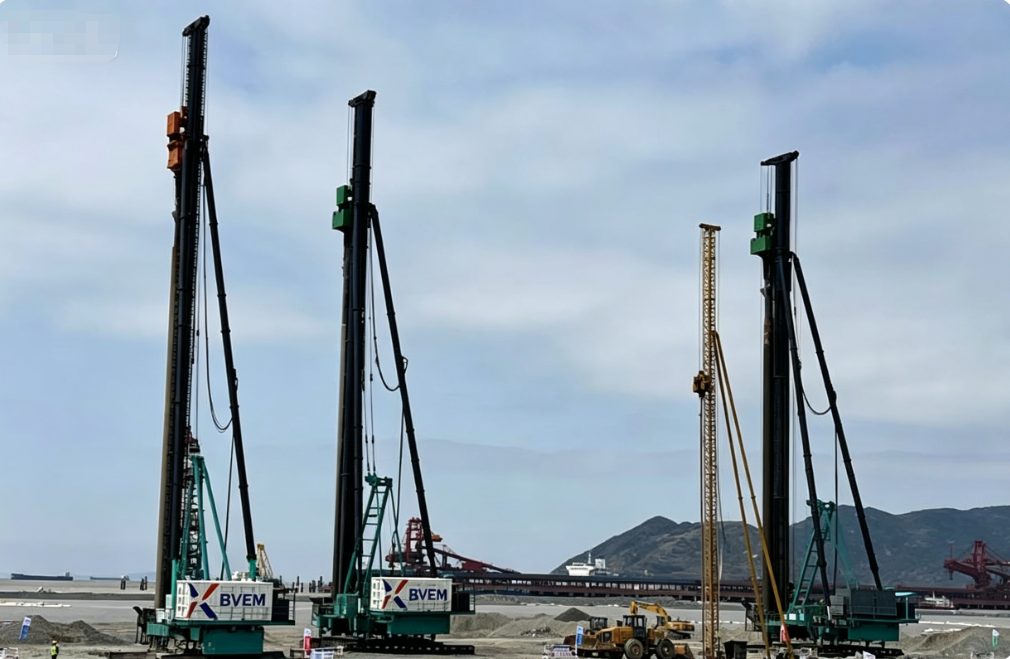
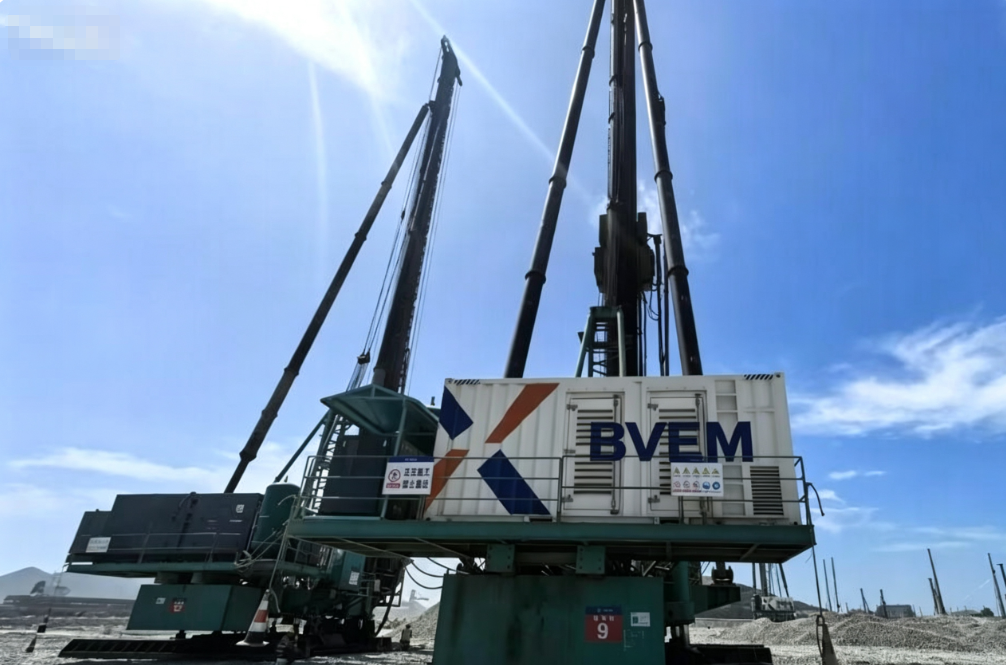
Not always. A hybrid power system combines battery storage, a diesel generator or grid power, and an energy management system to handle different‑load conditions. For some jobsites, the system can support mainly electric operation; for others, diesel‑battery hybrid operation is more practical. This proved true for vibro‑replacement stone‑column work at Dalian Jinzhouwan International Airport, whose frequent sharp power spikes are well managed by hybrid power. The right choice depends on your daily energy demand, peak load, runtime, charging conditions, and site requirements. A project assessment is recommended before full‑diesel replacement.
Why Choose a Hybrid Generator Instead of a Larger Diesel Generator?
A larger diesel generator can cover high starting and peak loads, but it may operate at low load for much of the working day. This can reduce fuel efficiency and increase operating costs. A hybrid system allows the battery to respond quickly to short-term peaks while the diesel generator handles continuous demand more efficiently. This approach can be particularly useful for construction equipment with frequent load changes, such as vibroflots, vibratory hammers, pumps, and drilling rig equipment.
How Much Diesel Can a Hybrid Generator Save?
There is no single fuel-saving percentage that applies to every project. Actual savings depend on the load profile, equipment, working hours, generator efficiency, fuel price, and operating strategy. In documented project conditions, hybrid systems have achieved significant fuel reductions, including around 49% in one vibroflotation project and 43% in a CFG drilling project. These figures are project-specific and should be used as references rather than guaranteed results for another jobsite.
Can I Use My Existing Diesel Generator With a Hybrid System?
Yes, an existing diesel generator may be integrated into a hybrid power system after technical evaluation. You need to confirm key information such as generator capacity, voltage, frequency, controller type, continuous load, charging power, and automatic start/stop or paralleling requirements. This can help you make better use of existing equipment instead of replacing it immediately. The final configuration should be checked by the technical team based on your actual generator and jobsite conditions.
What Information Do I Need to Choose a Hybrid Power System?
You do not need to have every technical detail ready before starting. Begin with your equipment list, generator capacity, daily working hours, and current fuel consumption. It is also useful to provide the number of machines operating at the same time, starting method, peak load and its duration, current generator quantity, and fuel or rental costs.
Power Your Jobsite More Efficiently
BVEM helps you build cleaner, smarter, and more cost-effective jobsite power solutions. By combining energy storage, diesel generation, and intelligent energy management, you can reduce fuel use, lower operating costs, and keep power stable. Share your jobsite requirements with us, and let’s find the right solution for you.