Pile foundations are used when the surface soil is too weak to support a structure safely. They transfer structural loads to deeper ground through end bearing, shaft friction, or a combination of both. Different types of piles are designed for different ground conditions, load requirements, and project needs. In this guide, you’ll learn about the main types of pile foundations, how they are constructed, where they are used, and how to choose the right type for your project.
What Is a Pile Foundation?
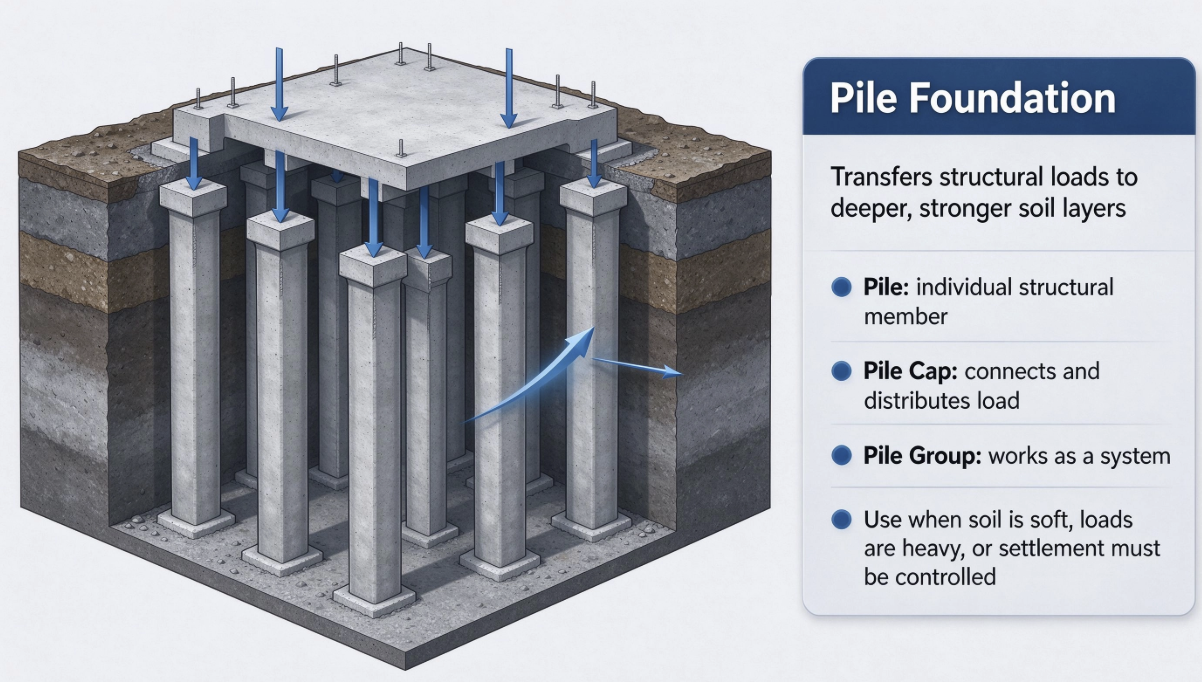
A pile foundation is a type of deep foundation that uses one or more piles installed in the ground. Unlike shallow foundations, which transfer loads near the ground surface, pile foundations provide support at greater depths. The main components of a pile foundation include:
Pile: An individual structural member installed in the ground to support loads.
Pile Cap: A concrete block that connects two or more piles and distributes the load among them.
Pile Group: A group of piles arranged to work together to support a structure.
You may need a pile foundation when the soil is soft or compressible, the structure carries heavy loads, strong lateral or uplift forces are present, or settlement must be strictly controlled. It is also used when ground conditions make shallow foundations unsuitable.
What Are the Different Types of Pile Foundations?
Pile foundations can be classified based on how they transfer loads, how they are constructed, and what materials are used. These categories can overlap. For example, a steel pipe pile can be installed as a driven pile, so it belongs to both the material and construction-method categories.
Types of Piles Based on Load Transfer
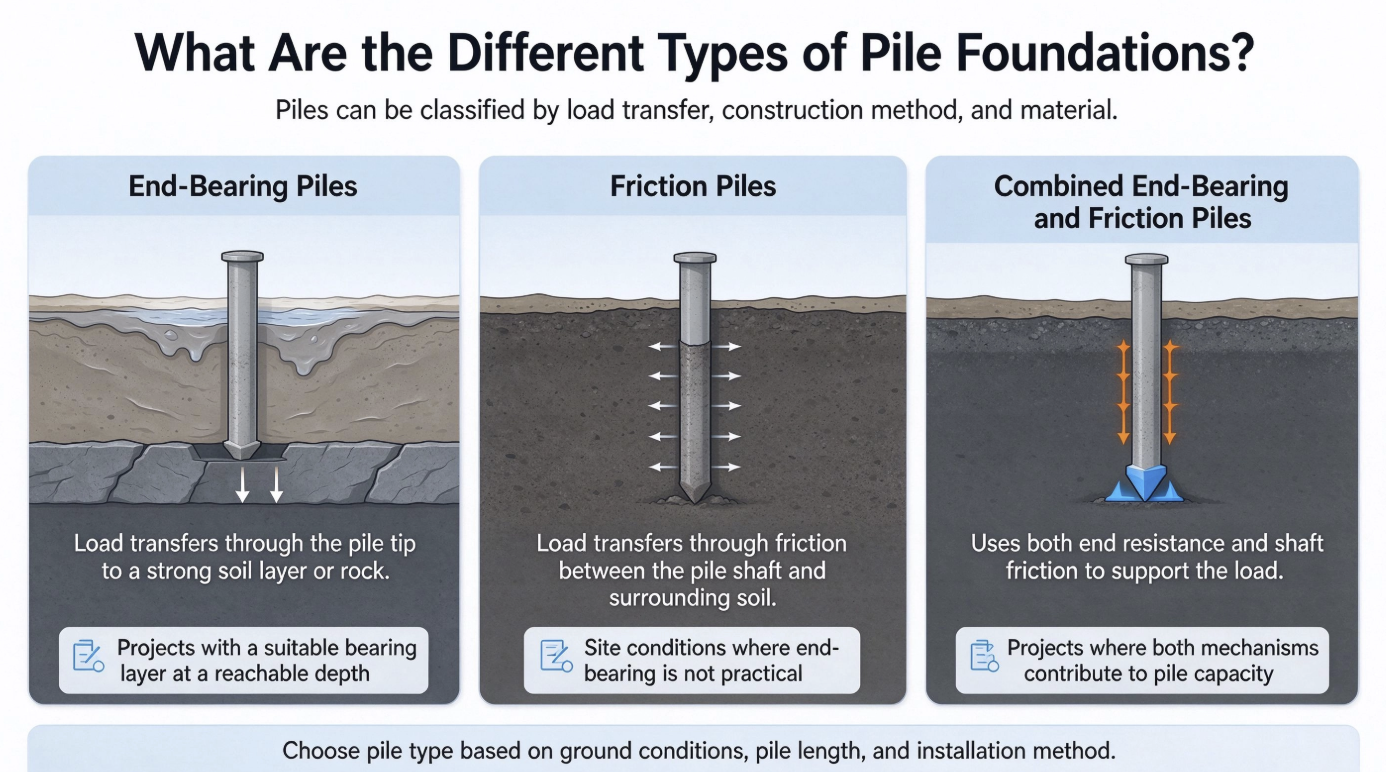
The main difference between these piles is how they transfer loads to the surrounding ground.
| Pile Type | How It Works | Typical Application |
| End-Bearing Piles | Transfer most of the load through the pile tip to a strong soil layer or rock. | Sites with a suitable bearing layer at a reachable depth. |
| Friction Piles | Transfer loads through friction between the pile surface and surrounding soil. | Sites where a firm bearing layer is too deep to reach economically. |
| Combined End-Bearing and Friction Piles | Use both end resistance and shaft friction to support the load. | Projects where both mechanisms contribute to pile capacity. |
End-Bearing Piles transfer loads to a strong soil layer or rock at the bottom of the pile. The pile acts like a column supported by a firm base. You can choose this type when site investigations show a reliable bearing layer at a reasonable depth. Its capacity depends mainly on the strength and thickness of that layer.
Friction Piles transfer loads through friction along the pile shaft. Rather than relying mainly on a hard layer at the pile tip, they use the resistance of the surrounding soil along the embedded length. You may choose this type when your site has no suitable bearing layer at a practical depth. However, you must check the pile length and soil conditions carefully.
Combined End-Bearing and Friction Piles rely on both end-bearing resistance and shaft friction. In practice, these two mechanisms often work together, although the contribution of each depends on soil conditions, pile size, and installation method.
Types of Piles Based on Construction Methods
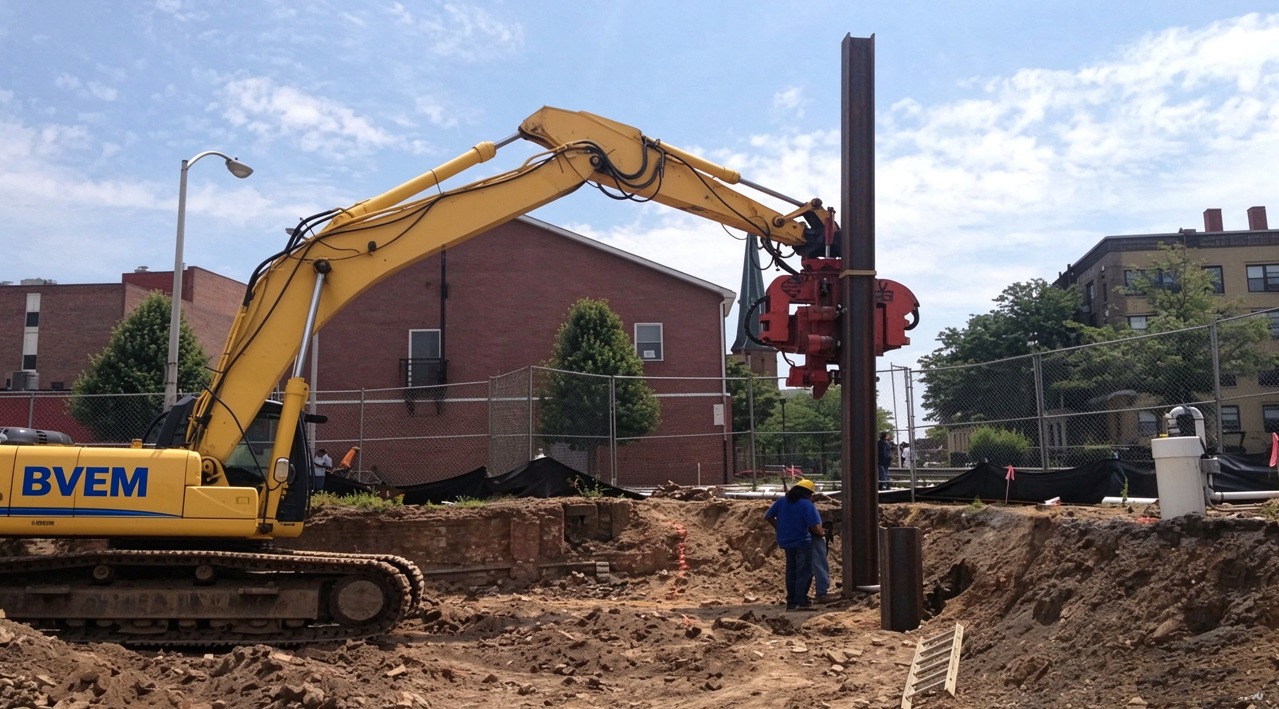
Different construction methods suit different ground conditions, project requirements, and site restrictions. When choosing a method, you also need to consider the specific construction equipment required.
Driven Piles: Precast concrete, steel, or timber piles are driven into the ground using impact hammers, vibratory hammers, or hydraulic pressing systems. Installation is relatively fast, and you can check pile quality before installation. However, driving can create noise, vibration, and ground movement, which may affect nearby structures.
Bored Piles: A hole is drilled first, then a reinforcement cage is placed and concrete is poured. Rotary drilling rigs are commonly used. You can use bored piles to carry large loads while producing less noise and vibration than driven piles. However, you must carefully control borehole stability, groundwater conditions, and concrete placement.
Continuous Flight Auger (CFA) Piles: A continuous flight auger drills into the ground. Concrete is then pumped through the hollow stem as the auger is withdrawn, followed by reinforcement installation. This method reduces the time the borehole remains unsupported and is useful in some unstable or water-bearing soils.
Driven Cast-in-Place Piles: A steel casing or tube is driven into the ground, and concrete is placed inside it. The casing may be withdrawn or left in place, depending on the system. This method allows you to combine pile driving with on-site concrete placement.
Screw or Helical Piles: These piles have one or more helical plates that allow them to be rotated into the ground using hydraulic drive equipment. You can install them relatively quickly, and they may be removed or reused in some temporary projects. Their capacity depends on soil conditions and the helix design.
Micropiles: These are small-diameter drilled piles reinforced with steel bars or pipes and filled with grout. You can use them where access or working space is limited, such as existing building foundations, underpinning projects, and restricted urban sites.
Types of Piles Based on Materials
Pile materials affect strength, durability, cost, and installation requirements.
Concrete Piles: These include precast concrete piles and cast-in-place piles. They offer good compressive strength and durability. Precast piles are manufactured before delivery, while cast-in-place piles are formed on site.
Steel Piles: Common types include H-piles and steel pipe piles. They offer high strength and can penetrate dense soil layers with suitable installation equipment. However, corrosion protection may be needed in aggressive soil or groundwater conditions.
Timber Piles: Made from treated wood, these piles are commonly used for lighter structures and certain marine applications. Their durability and load capacity depend on timber quality, treatment, and exposure conditions.
Composite Piles: These combine two or more materials, such as steel and concrete, to meet specific strength and durability requirements.
Vibroflotation as a Ground Improvement Alternative
Unlike conventional pile foundations, vibroflotation is a ground improvement method rather than a traditional pile installation method. This technique mainly includes two methods: vibro compaction and vibro replacement.
Vibro compaction uses vibration, sometimes combined with water or air, to rearrange loose soil particles and make the soil denser. It works best in granular soils with low silt and clay content. No stone columns are formed in this process.
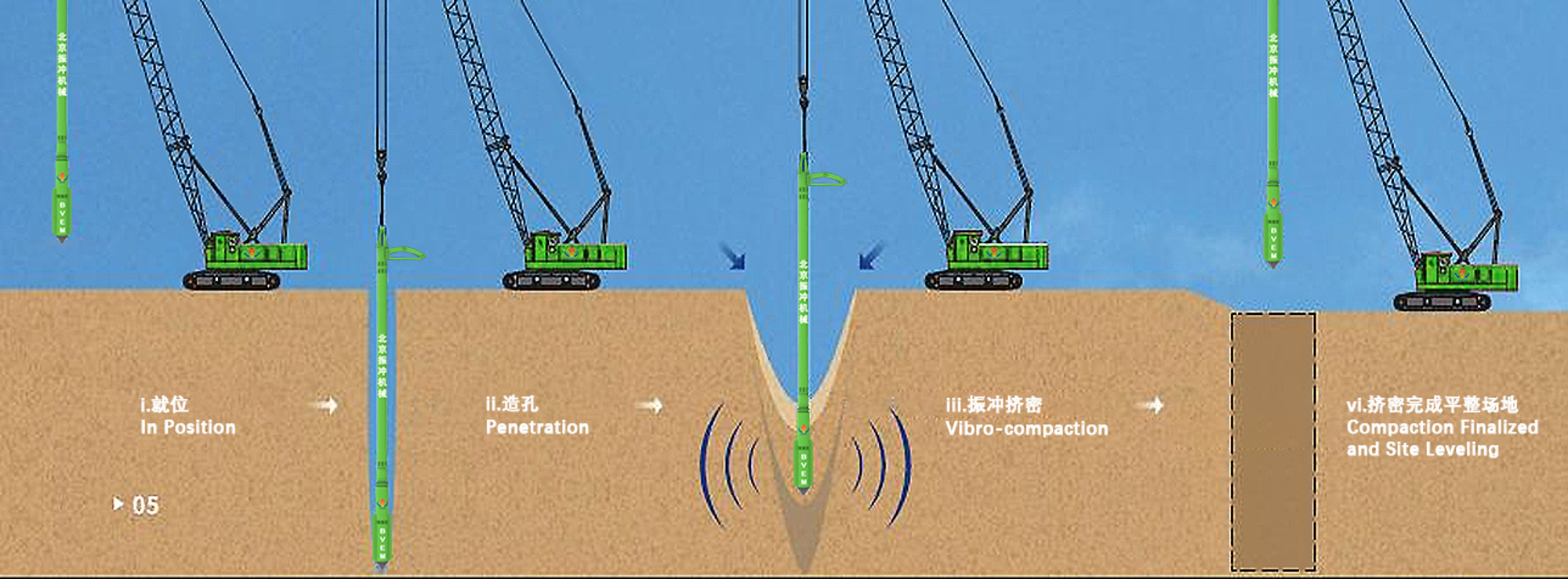
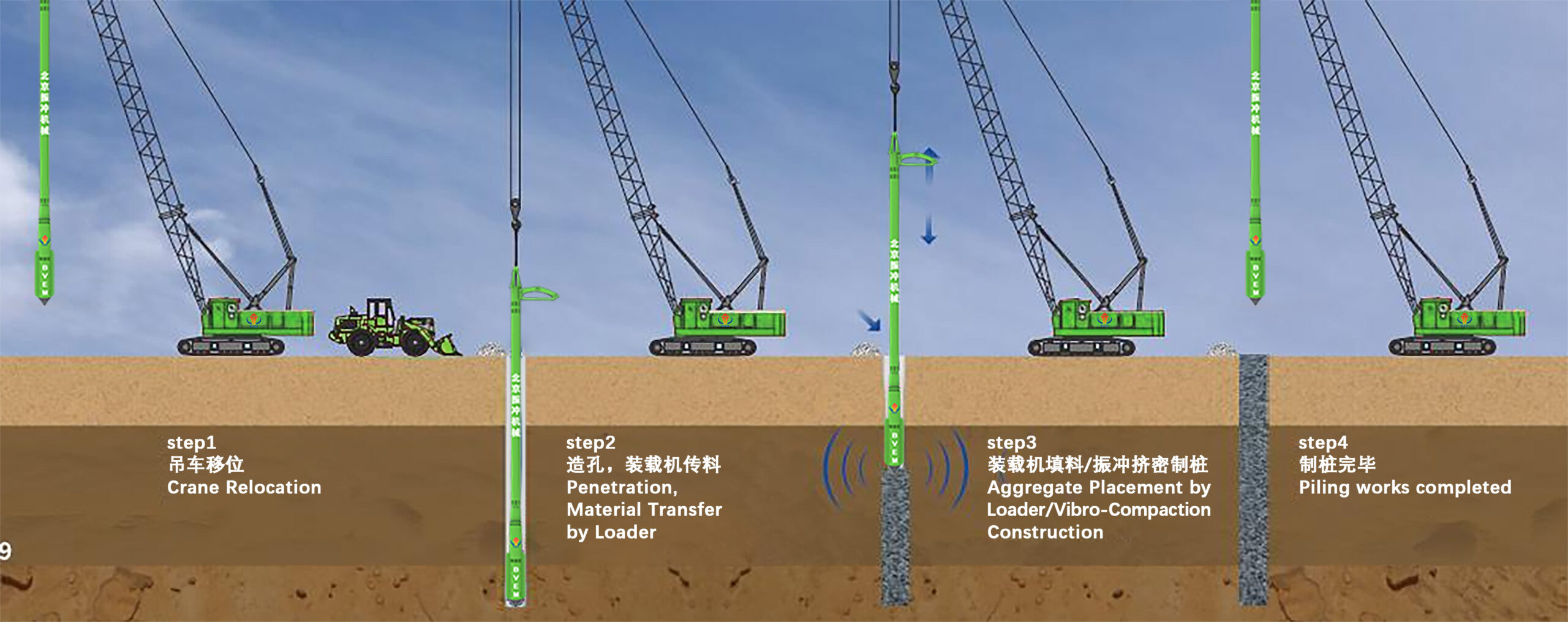
Vibro replacement uses a vibroflot to create holes in the ground. These holes are then filled with gravel, which is added and compacted in stages to form stone columns. You can use a top-feed or bottom-feed system depending on the soil conditions and project requirements. The stone columns work together with the surrounding soil to form a composite ground. You can use this method to improve the bearing capacity of the ground, reduce settlement, and provide drainage.
What Is the Difference Between Vibro Stone Columns and Conventional Piles?
Vibro stone columns may look like piles, but they are different. Conventional piles are structural foundation elements. They transfer structural loads to deeper soil layers or rock. Vibro stone columns, on the other hand, work together with the surrounding soil to improve its strength and bearing capacity. With this improvement, you can achieve better load support and reduce settlement over time.
| Comparison | Conventional Piles | Vibro Stone Columns |
| Main Purpose | Support building or bridge loads | Improve ground performance |
| Load Transfer | Transfer loads through shaft friction and/or end resistance | Transfer loads through composite ground behavior |
| Main Material | Concrete, steel, or timber | Compacted aggregate |
| Soil Interaction | Act as structural foundation elements | Work together with the surrounding soil |
| Typical Applications | Buildings, bridges, and offshore structures | Soft ground improvement, hydropower projects, ports, airports, petrochemical plants, thermal power plants, nuclear power plants, and building foundations. |
Where Is Vibroflotation Used?
Vibroflotation is often used in projects where the ground is loose or weak and needs to be improved before construction begins. Vibro compaction works best in granular soils with low fines content. Vibro replacement can be used in a wide range of soil conditions. It is suitable for some cohesive soils, silty soils, muddy soils, collapsible soils, and even man-made fill. Its effectiveness depends on the engineering properties of the soil at your site and your specific project requirements.
Other Types of Piles Based on Their Functions
Some piles are designed for specific purposes:
Tension or Uplift Piles: These resist upward forces caused by wind loads, buoyancy, or other structural forces.
Laterally Loaded Piles: These resist horizontal forces and are often used in bridges and retaining structures.
Sheet Piles: These fit together to form walls that retain soil or prevent water from entering an area.
Compaction Piles: These displace surrounding soil during installation to increase its density, mainly in loose granular soils.
These pile types serve different purposes. Their use depends on the types of loads you need to resist and the ground conditions at your construction site.
What Are the Applications of Different Pile Foundations?
When you look at construction projects, you will find that pile foundations are used in many different applications. Some support buildings, while others support structures in marine environments or help retain soil and water. Here are some typical examples.
| Project Type | Common Foundation Types or Ground Improvement Methods | Main Purpose |
|---|---|---|
| High-Rise Buildings | Bored Piles, Driven Piles | Support heavy building loads |
| Bridges | Bored Piles, Driven Piles | Support vertical and lateral loads |
| Ports and Harbors | Driven Piles, Steel Pipe Piles | Support marine structures |
| Industrial Buildings | Driven Piles, CFA Piles | Support buildings and heavy equipment |
| Offshore Structures | Steel Pipe Piles | Resist wave, wind, and lateral loads |
| Retaining Structures | Sheet Piles | Retain soil and control water |
| Soft Ground Projects | Vibro Stone Columns | Improve weak ground |
| Land Reclamation | Driven Piles, Vibro Stone Columns | Support structures and improve reclaimed ground |
How to Choose the Right Type of Pile Foundation?
Choosing the right type of pile foundation involves looking at several key factors. The points below can help you make a suitable choice for your project.
- Soil Conditions: Look at the soil layers. Check how dense and strong the soil is and where the groundwater level is. Different soil conditions may require different pile types and installation methods.
- Structural Loads: Think about the loads the piles need to resist. These include vertical loads, lateral loads, and uplift forces. The loads a pile must carry will affect its design and the type of pile you choose.
- Pile Dimensions: Decide how long and how large the pile needs to be. This depends on the design loads and how deep a suitable bearing layer is.
- Site Conditions: Look at the available working space and check for nearby buildings. Also consider any restrictions on noise or vibration. Bored piles or CFA piles may be more suitable if noise and vibration need to be limited.
- Equipment and Cost: Choose equipment that can handle the required pile dimensions and installation method. Compare installation costs and consider construction speed, labor requirements, fuel use, and maintenance.
What Site Investigation Data Is Needed?
Before choosing a foundation type, you need to gather some basic information:
. A soil investigation report
. Results from SPT or CPT tests
. The groundwater level
. The required pile depth and diameter
. The design load and allowable settlement
Having these details helps engineers identify suitable foundation types and construction methods for your project.
FAQ
Which Type of Pile Is Most Commonly Used?
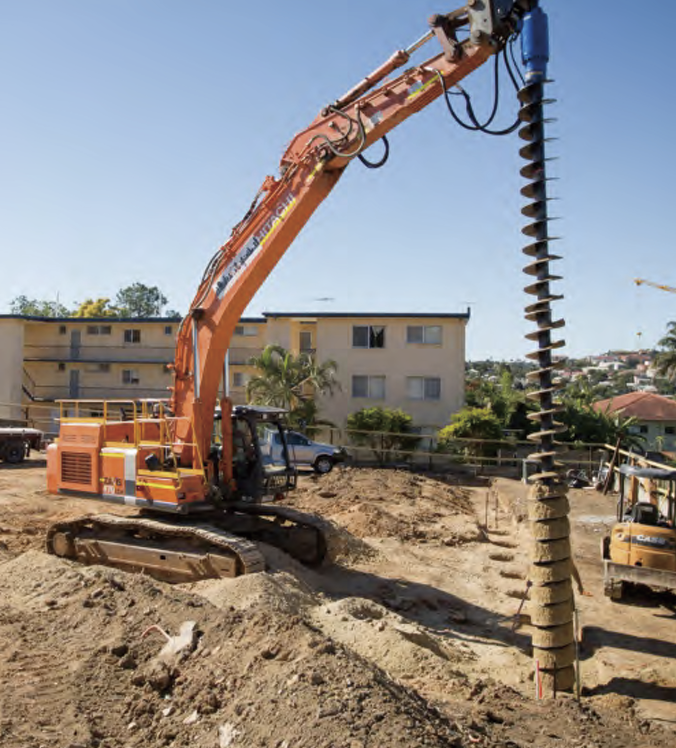
There is no one type of pile that is used the most in every project. Driven piles and bored piles are both widely used in construction. Driven piles are usually chosen for projects where quick installation matters, while bored piles are suitable when large pile diameters or lower noise and vibration levels are needed. When choosing a pile type, you should consider your soil conditions, the loads the structure will carry, the available space on your site, and the construction cost.
What Is the Difference Between Electric and Hydraulic Vibroflots?
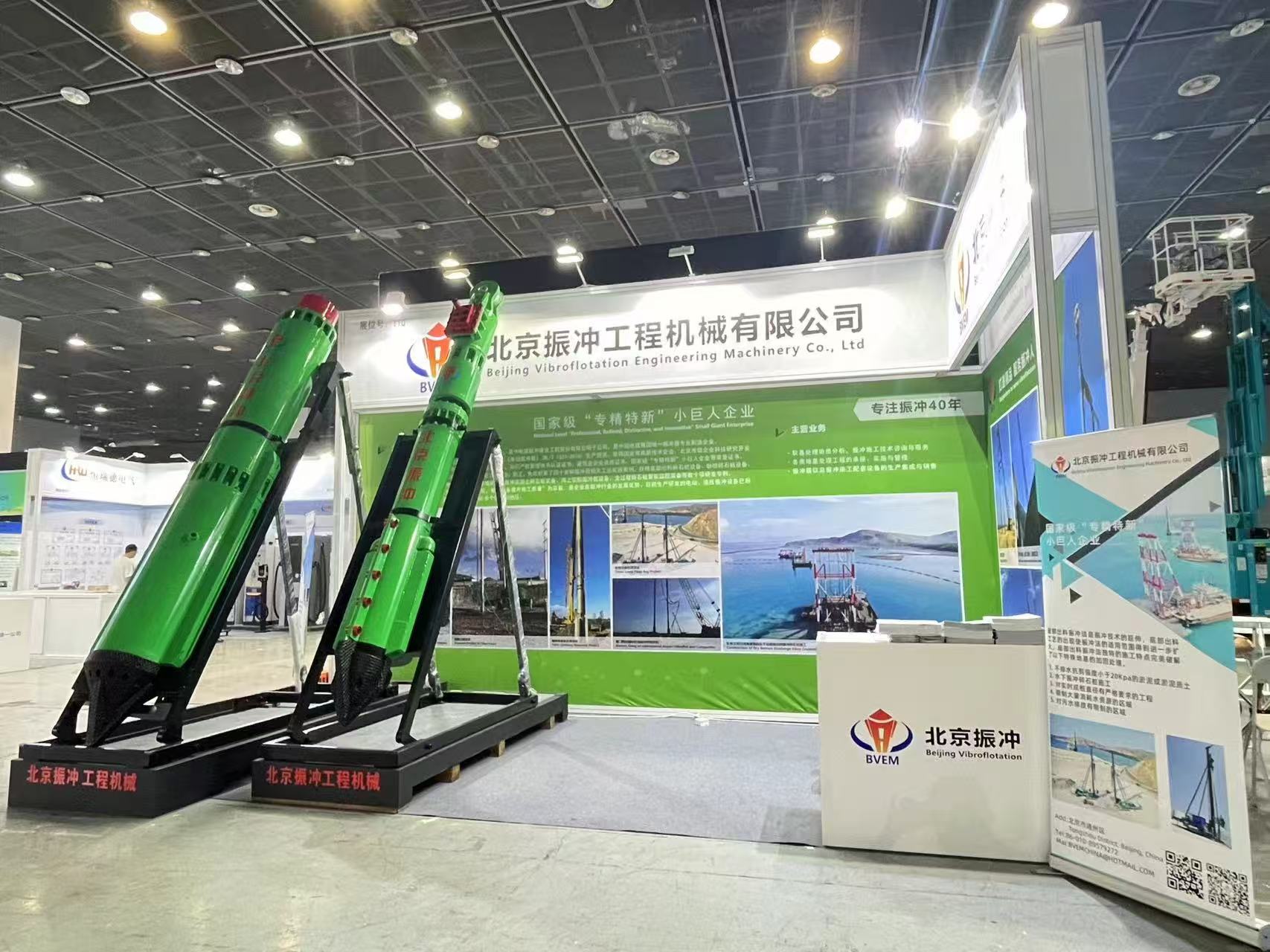
The main difference is how they get power. An electric vibroflot uses an electric motor to create vibration. A hydraulic vibroflot uses hydraulic power to generate vibration. Electric types need a power supply and a control cabinet. Hydraulic types usually use a hydraulic power station. When deciding between them, you should consider the power supply at your site, what you need the machine to do, the working conditions, and the supporting equipment you have.
What Equipment Is Needed for Stone Column Installation?
Stone column installation usually needs a vibroflot, a way to feed the aggregate, and other supporting equipment. A crane or a suitable carrier is used to lift and position the vibroflot. Depending on the system, you might also need an electrical control cabinet or a hydraulic power station. Top-feed systems deliver aggregate from the ground surface, while bottom-feed systems send it through a pipe to the bottom of the vibroflot. The equipment you need depends on the construction method and site conditions.
What Information Is Needed to Select a Vibroflot?
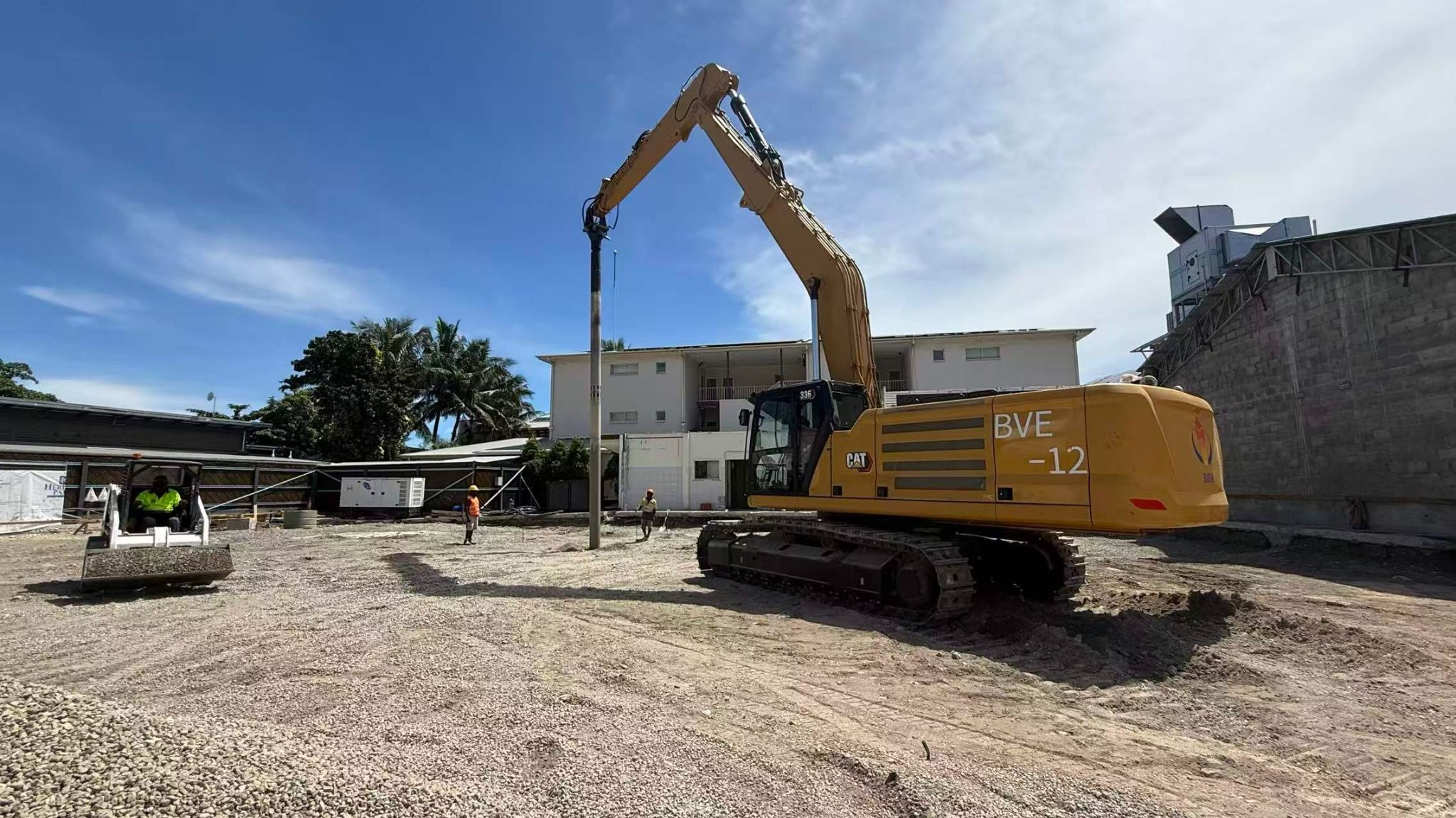
To choose a suitable vibroflot, you should start by providing your soil report and the basic requirements of your project. Important details include the soil types, the required treatment depth, the stone column diameter, and the project location. You should also say whether you plan to use a top-feed or bottom-feed system. Details about the available power supply and supporting equipment, such as a crane or excavator, will also help determine the right vibroflot model and configuration.
Which type of pile foundation is suitable for soft soil?
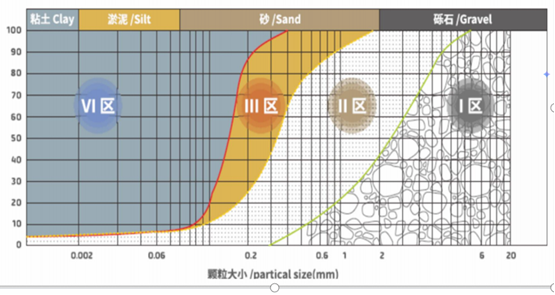
No single pile foundation works well for every soil condition. You need to consider the thickness of the soil layers, soil strength, the load the structure will carry, and the depth of the bearing layer. For suitable soft soils, you can use vibro replacement to form stone columns. These columns help strengthen the ground and improve its bearing capacity. For loose, cohesionless soils, vibro compaction is a good choice because it densifies the soil and increases its ability to support loads. The right solution depends on your site conditions and project requirements.
BVEM Vibroflot Solutions for Ground Improvement Projects
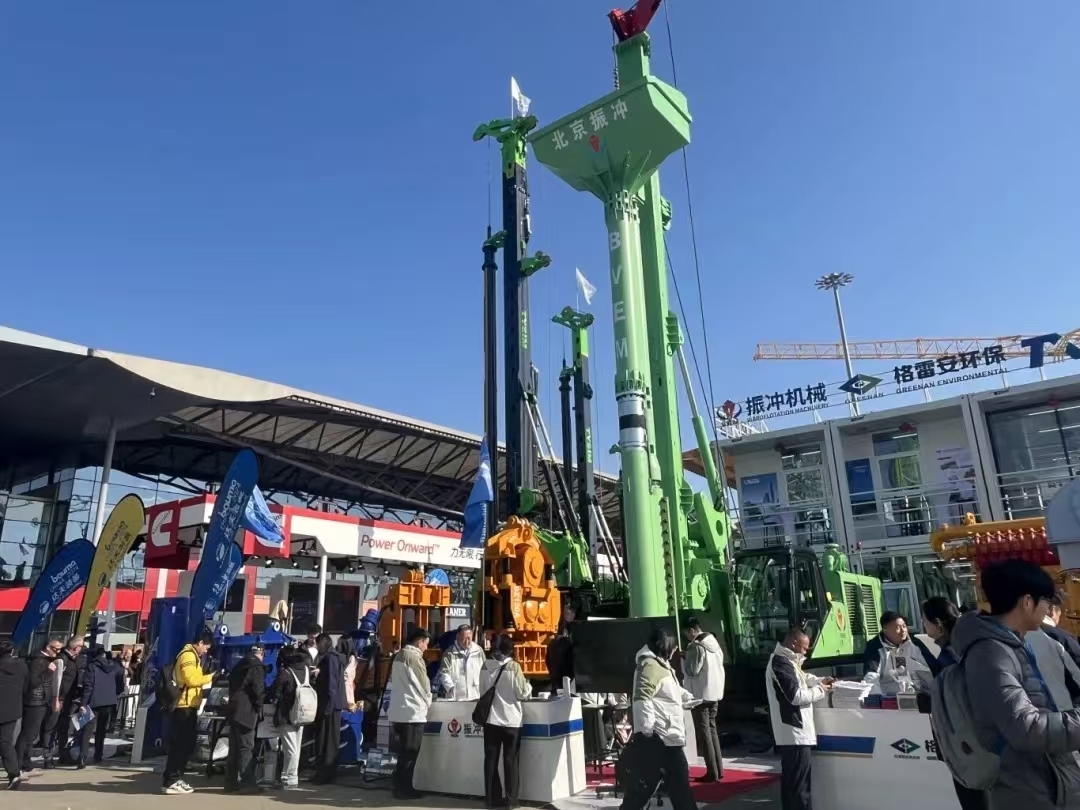
Planning a ground improvement project means choosing the right equipment is just as important as choosing the construction method. With more than 50 years of experience, BVEM supplies electric and hydraulic vibroflots and offers geological analysis, equipment selection, construction planning, installation, commissioning, and on-site guidance. Having completed over 1,500 projects in more than 60 countries, BVEM provides one-stop construction machinery solutions.
Reach out to BVEM and share your project requirements. Our team will help you find the right vibroflot and a suitable equipment configuration for your site.