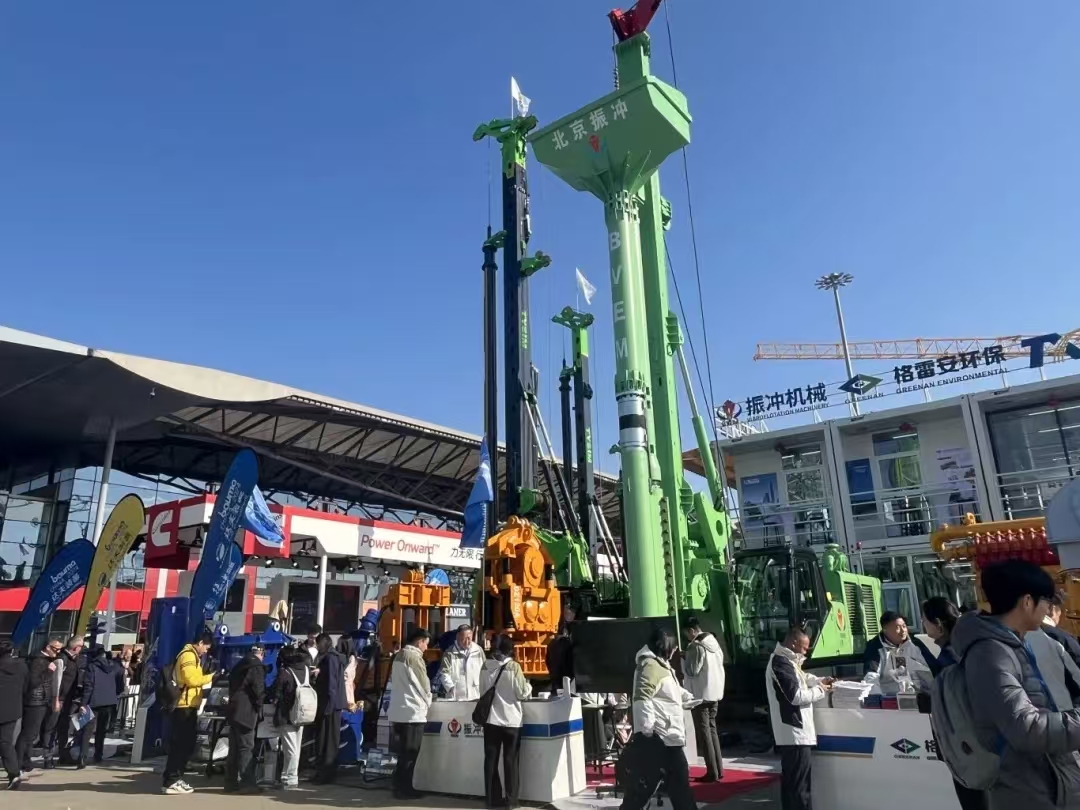
Acquiring heavy piling equipment for overseas projects often comes with a hidden penalty: regional price inflation and strict dealer territory restrictions. The exact same high-spec machine can cost significantly more depending on the country you order it from.
BVEM offers a smarter alternative. Leveraging China’s world-class heavy machinery ecosystem, we integrate proven tier-1 structural components and power systems under the BVEM brand—delivering fully customized, factory-direct piling systems that bypass middleman markups.
Whether your project requires rotary drilling rigs, vibroflots, or driven piling systems, getting the job done efficiently requires matching equipment capabilities to your geotechnical reality. Below is an engineering guide to selecting the right foundation equipment while maximizing your capital investment.
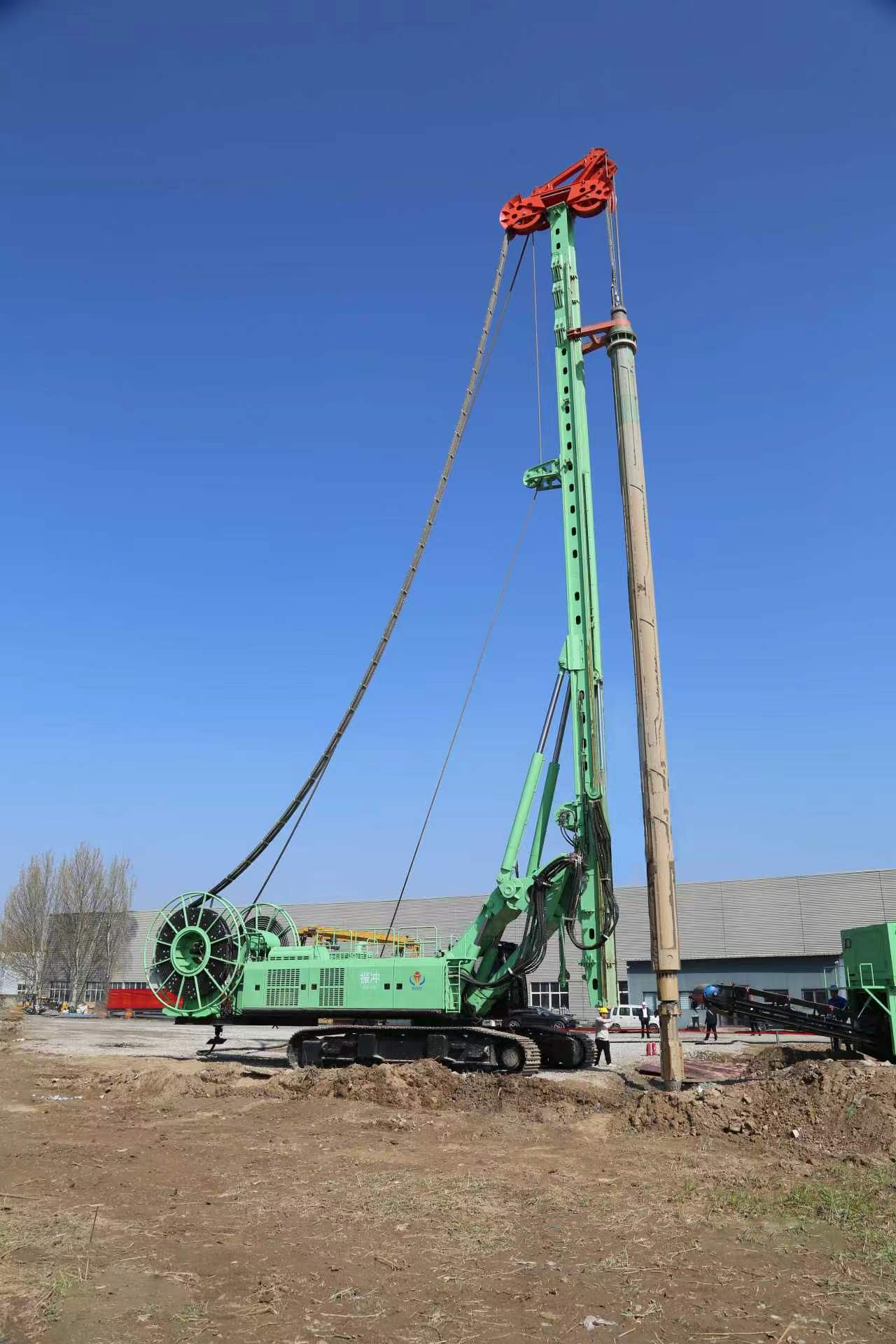
What Are the Main Types of Piling and Foundation Equipment?
No two foundation projects hit the ground in the exact same way, which means your machinery choices can make or break your job site efficiency. If you need to construct deep bored piles, you’ll likely reach for a rotary drilling rig. Need to sink or pull steel sheet piles and heavy pipes? That’s where a vibro hammer shines. On the flip side, if your ground lacks structural integrity, you don’t always need to install piles right away—a vibroflot lets you improve weak or loose soil directly through deep, targeted vibration.
Matching the right equipment to your site depends on a mix of variables: your chosen foundation method, local soil behavior, pile dimensions, target depths, and any tight spatial or environmental constraints you are up against. Most deep foundation work relies on five primary heavy equipment categories:
- Rotary Drilling Rigs
- Driven Piling Rigs and Vibro Hammers
- Vibroflots (Ground Improvement)
- Diaphragm Wall Grabs
- Trench Cutters / Hydromills
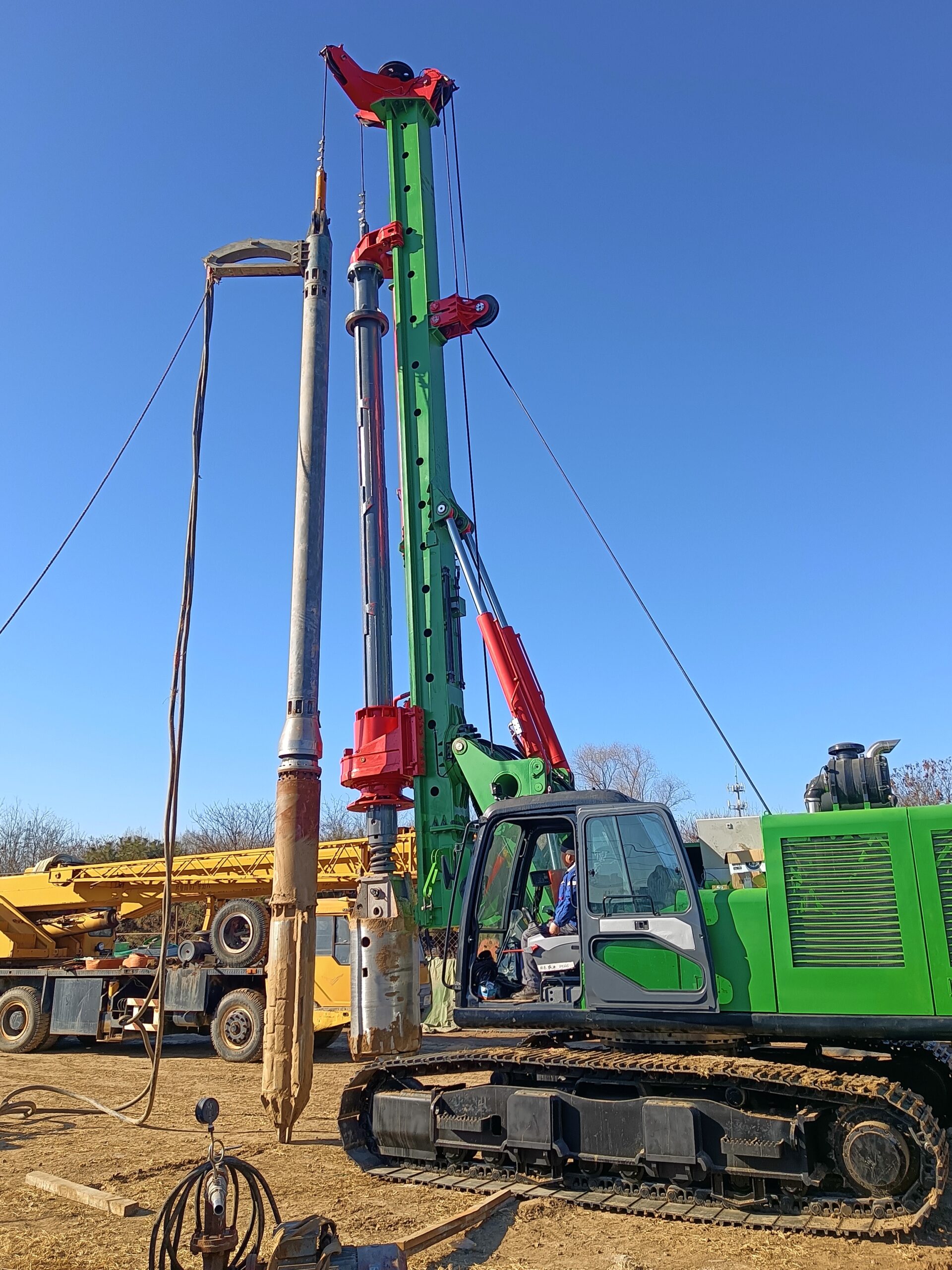
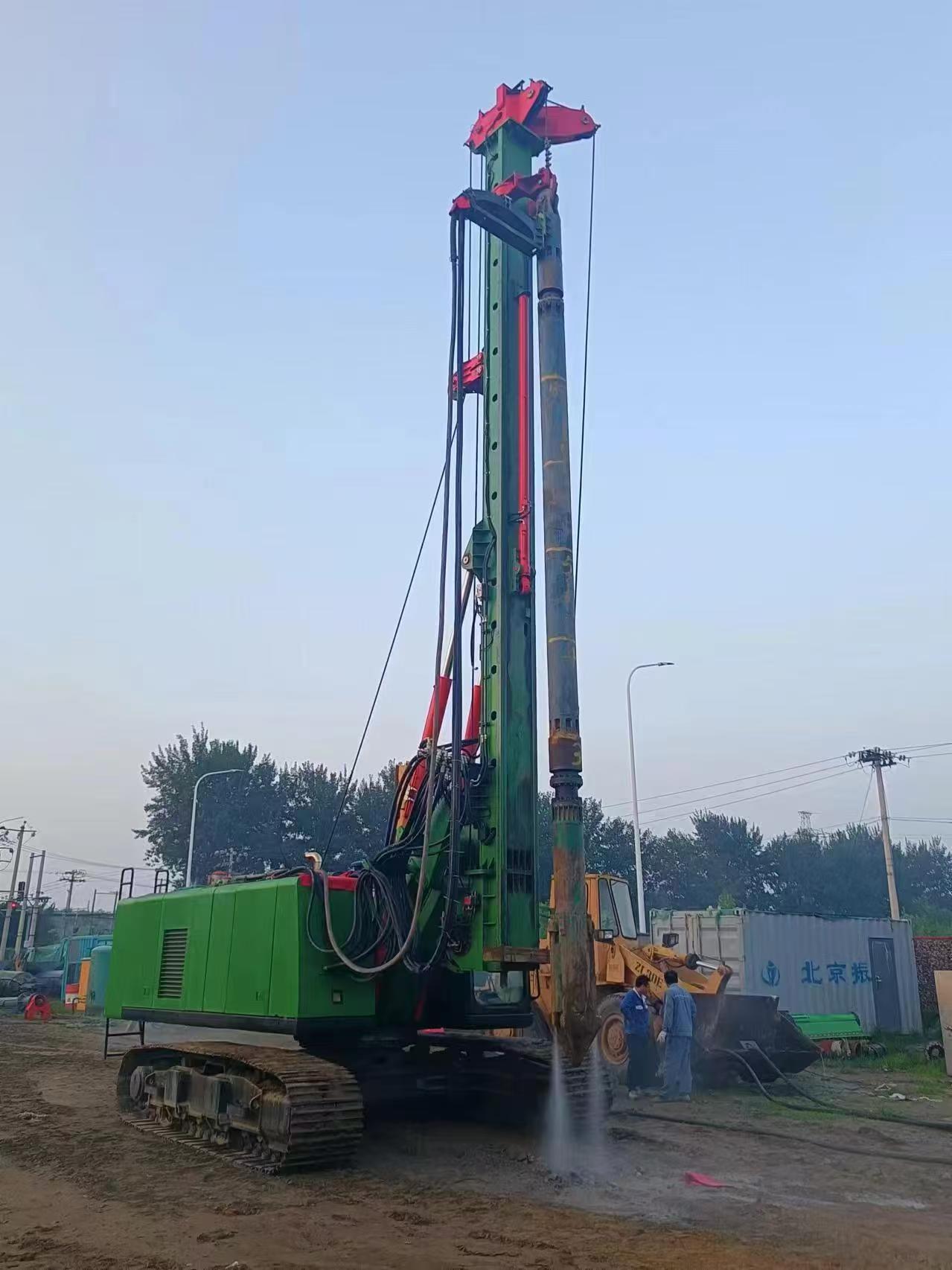
Rotary Piling Rigs
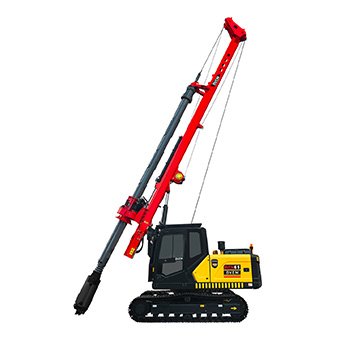
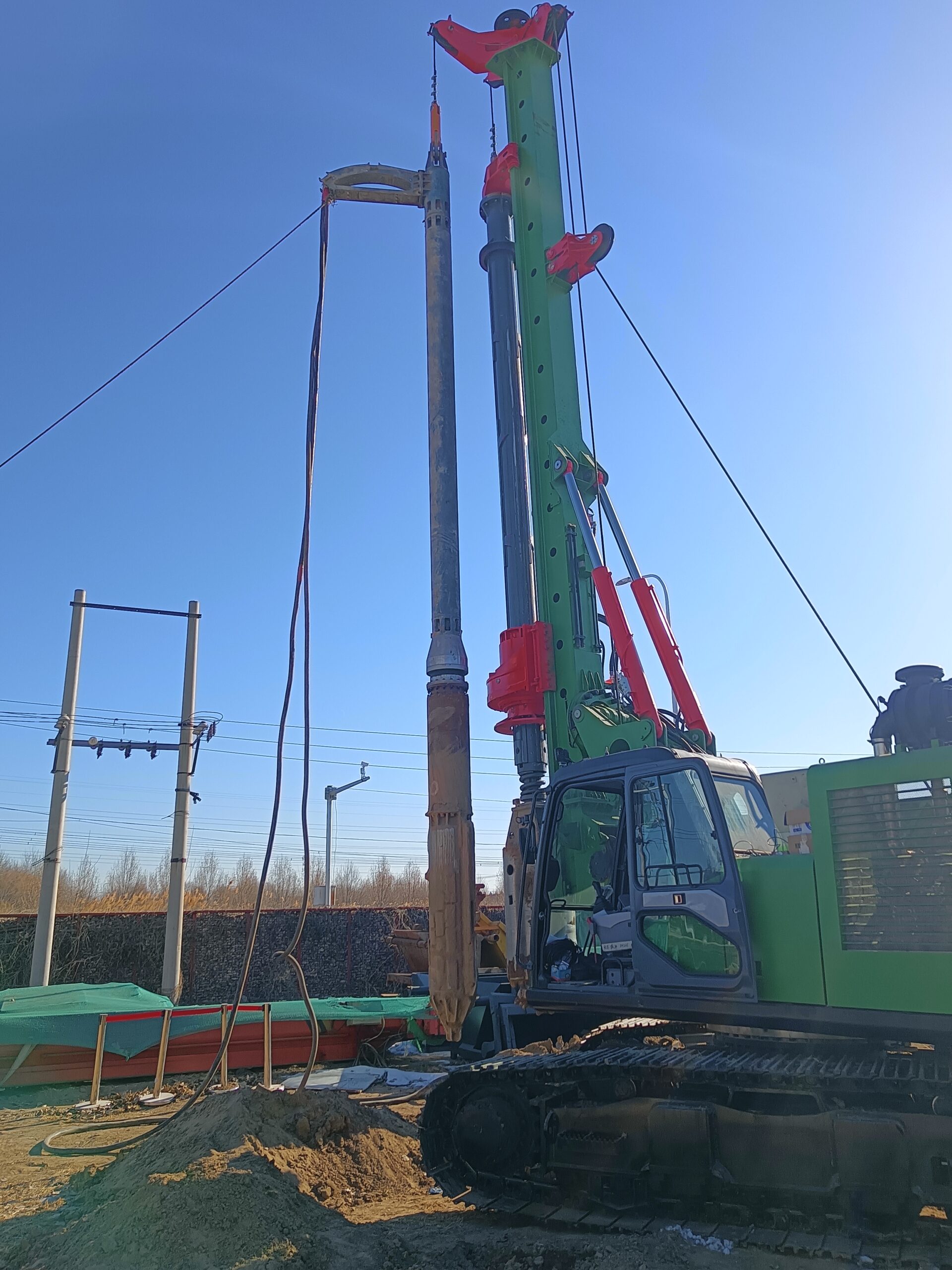
Rotary drilling rigs cut into the ground using a rotating tool, forming a clean borehole before your crew lowers the reinforcement cage into the hole and places concrete.. Depending on the ground layers you encounter, you can switch between different drilling tools, including augers, drilling buckets, and core barrels for harder formations.
Contractors rely on rotary rigs to construct bored piles (drilled shafts). Once you reach the design depth, you lower the rebar cage into the borehole and pour concrete. This process gives you versatility across different ground conditions, from soft silt to solid bedrock.
When sizing a rotary drilling rig for purchase or rental, focus on a few key machine specifications:
- Required pile depth and diameter: Ensures the rig has the required reach and working clearance.
- Torque and crowd force: Determines whether the rig can penetrate harder ground without losing drilling performance.
- Mast stability and overall rig weight: Supports safe and accurate operation, particularly on demanding jobsites.
- Tooling compatibility: Ensures the drilling tools match the local soil, rock, groundwater, and potential obstructions.
You will see these rigs on projects ranging from bridge piers and industrial plants to high-rise basements and other structures requiring deep, large-diameter foundations.
Driven Piling Rigs and Vibro Hammers
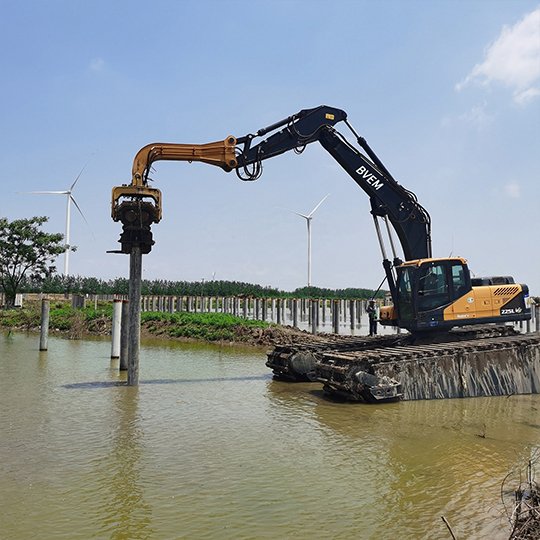
Vibro hammers take a completely different approach from rotary drilling rigs. Instead of removing soil to create a borehole, they use high-frequency vibration to reduce resistance around the pile, allowing it to penetrate the ground more efficiently.
You will want a vibro hammer on site when installing or extracting steel sheet piles, pipe piles, H-beams, or temporary steel casings. They are commonly used for temporary earth-retention systems, cofferdams, port construction, and marine foundations.
For example, if you need to build a temporary retaining wall around an excavation, a vibro hammer can drive interlocking sheet piles into position and later extract them when the permanent structure is complete.
When selecting a vibro hammer, consider:
- Pile type and structural weight: Larger or heavier steel profiles may require a higher eccentric moment and more power.
- Soil profile: Granular soils often respond well to vibration, while stiff cohesive soils may require other installation methods.
- Carrier setup: Check whether the unit will be suspended from a crane or mounted on an excavator.
- Vibration limits: Important when working close to existing buildings, utilities, or other sensitive structures.
Key takeaway: A vibro hammer drives or extracts structural piles and casings. It does not perform the same soil-densification function as a vibroflot.
Vibroflots for Ground Improvement
A vibroflot is not designed to drive structural piles into the ground. Instead, it is used for deep ground improvement when loose, weak, or potentially liquefiable soils need to be improved before construction.
Vibroflots are commonly used in two main ground improvement methods:
- Vibro Compaction: The vibrating probe penetrates granular soils and uses vibration, together with water or air jets where required, to rearrange soil particles into a denser state.
- Vibro Replacement (Stone Columns): In cohesive or silty soils that cannot be effectively densified by vibration alone, the probe creates a cavity that is filled with coarse aggregate to form load-bearing stone columns.
If your project involves low bearing capacity, excessive settlement, or liquefaction concerns, vibroflot treatment may reduce the need for extensive deep foundation piling, depending on the project design and ground conditions.
When configuring a vibroflot system, consider the required treatment depth, target column diameter, soil conditions, power supply, water or air requirements, and crane configuration.
Diaphragm Wall Grabs
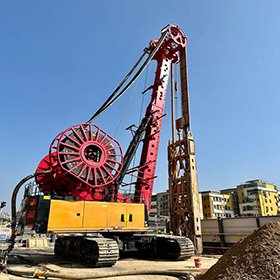
When your project requires a continuous underground concrete wall, a diaphragm wall grab is used to excavate deep, rectangular trench panels that are later reinforced and filled with concrete.
Diaphragm wall grabs are commonly used for underground basements, subway stations, deep excavations, and groundwater cut-off structures. They can provide both structural support and an effective barrier against groundwater ingress.
When selecting a diaphragm wall grab, consider:
- Panel thickness and depth: Check that the grab matches the required wall dimensions.
- Soil conditions: Mechanical and hydraulic grabs have different capabilities depending on the ground.
- Verticality control: Important for maintaining accurate panel alignment and reliable joints.
Trench Cutters / Hydromills
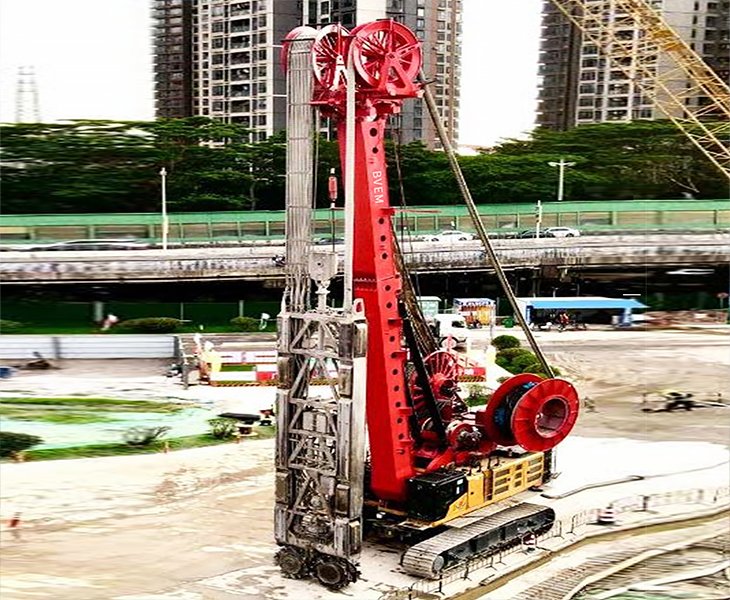
When a diaphragm wall trench encounters hard rock, dense boulders, or particularly difficult formations, a standard grab may no longer provide the required excavation performance. This is where a trench cutter, also known as a hydromill, can be used.
Trench cutters use counter-rotating cutter wheels to break and grind hard ground. A slurry circulation system then removes the excavated material from the trench, allowing the wall panel to be excavated to the required depth and geometry.
When evaluating a trench cutter, look at cutter-wheel torque, maximum cutting depth, verticality control, steering capability, and slurry treatment capacity.
Quick reference:
- Diaphragm Wall Grab: Suitable for excavating many soft-to-medium ground conditions using mechanical or hydraulic grabs.
- Trench Cutter / Hydromill: Better suited to hard rock and challenging formations where a grab may have limited excavation performance.
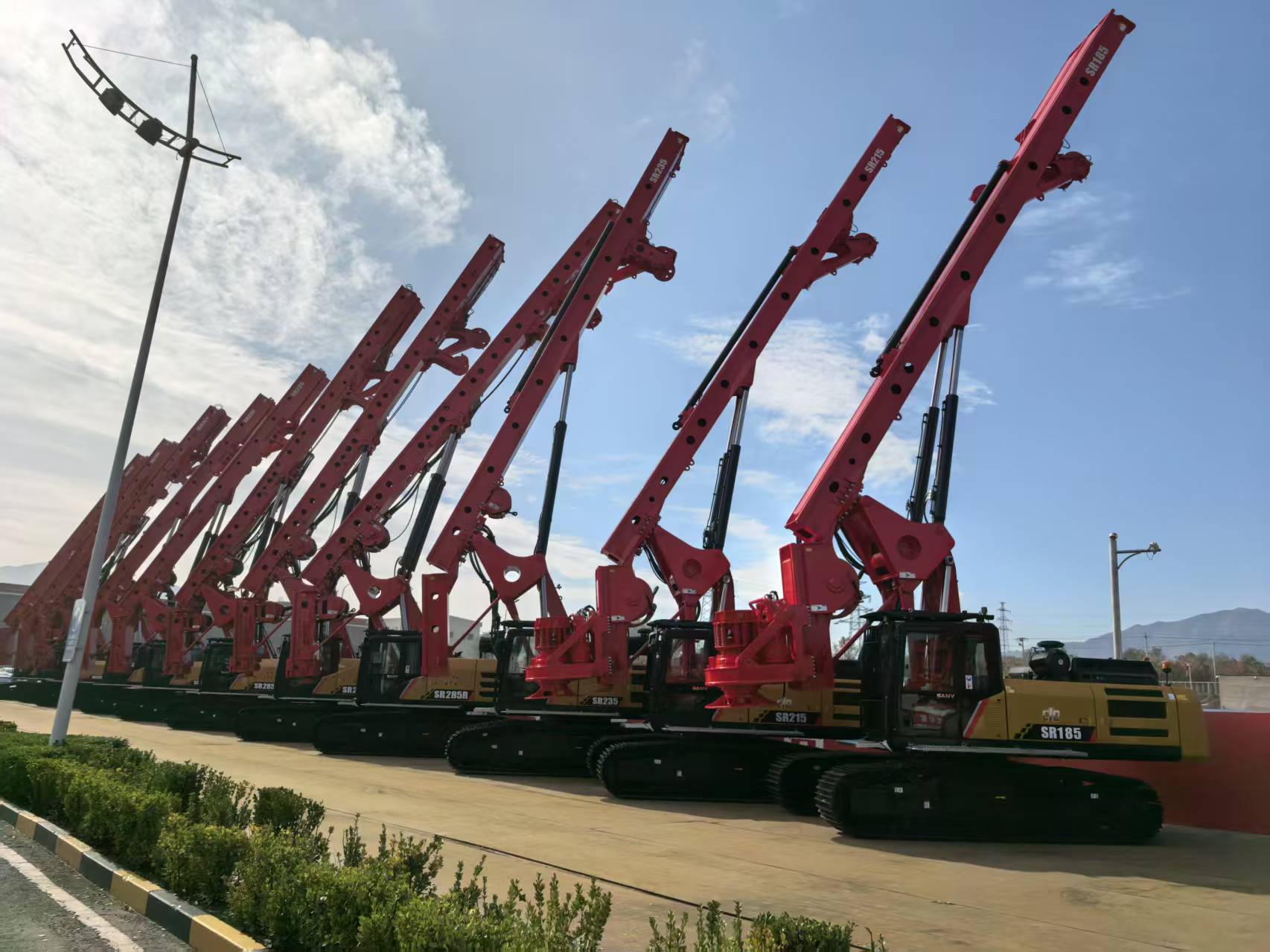
Piling and Foundation Equipment at a Glance
Different foundation methods call for different types of equipment. The table below gives you a quick comparison of the main piling and foundation equipment covered in this guide. It can help you understand where each machine fits before you start looking at detailed specifications.
| Equipment Type | Typical Application | Main Strength | Key Consideration |
| Rotary Piling Rig | Bored piles, building foundations, bridge piers | Versatile drilling across different soil and rock conditions | Working clearance, drilling depth, torque, and tooling |
| Driven Piling Rig / Vibro Hammer | Steel sheet piles, pipe piles, H-beams, temporary casings | Fast installation and extraction of structural piles | Pile type, soil conditions, vibration, and driving force |
| Vibroflot | Vibro compaction and stone columns for ground improvement | Improves loose or weak ground at depth | Treatment depth, soil type, power supply, and crane setup |
| Diaphragm Wall Grab | Deep basements, subway stations, excavation support, groundwater cut-off walls | Efficient excavation of deep rectangular wall panels | Wall depth, panel thickness, soil conditions, and verticality |
| Trench Cutter / Hydromill | Deep diaphragm walls in hard or difficult ground | Effective cutting performance in dense soil and rock | Cutter torque, cutting depth, slurry system, and steering control |
Looking at the equipment name alone is not enough. Before choosing a machine, compare the required pile diameter or wall dimensions with the installation method, ground conditions, working space, production target, and transport requirements. These details will give you a much better idea of whether a machine is suitable for the job.
Next, we will break down these technical factors in detail so you can select the right piling rig for your project.
How to Choose the Right Piling Rig for Your Project
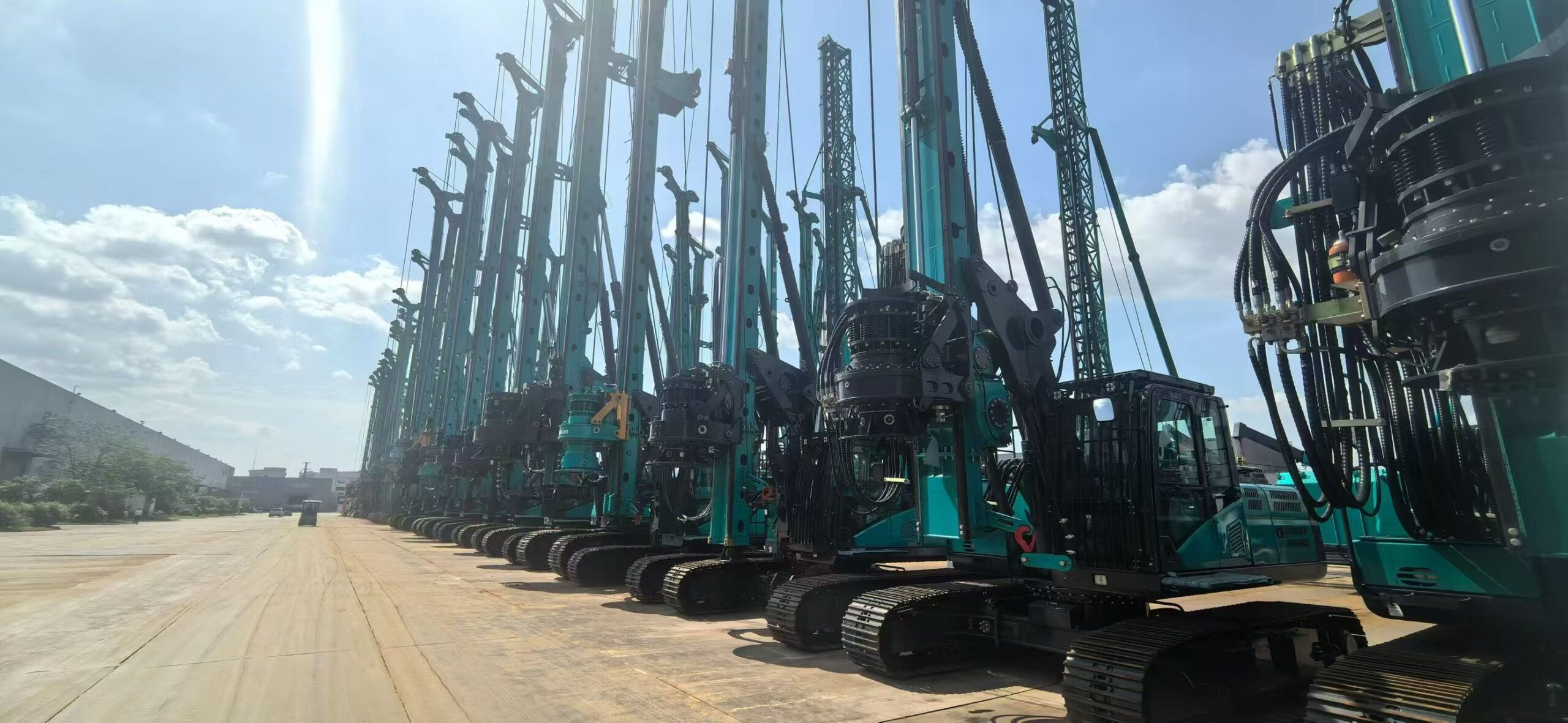
Finding the right piling rig means putting your project requirements ahead of brand names or engine specs. Before you start evaluating different models, you need a clear baseline of your required pile dimensions, local ground strata, and physical site restrictions. On overseas jobs especially, tight daily production targets and equipment transport limits will quickly dictate what you can actually run. Here is how to evaluate those key factors to pinpoint the right machine.
Start With the Pile Design
Your pile design forms the baseline for any equipment evaluation. Before looking at machine specs, you need clear parameters for your pile diameter, depth, pile type, installation method, pile inclination, and required load-bearing capacity.
Pile dimensions are important factors when determining the machine torque, crowd force, and extraction capacity you need. Sinking deeper shafts demands greater pulling and drilling capacity, while pushing larger diameters calls for higher operating torque and engine output. If you are working with hard ground or reinforced designs, the rig must also supply enough crowd force and match your specialized tooling.
A rig sized purely for shallow, small-diameter work will quickly stall on a deep, large-diameter shaft. Never size a machine on maximum depth limits alone—your rig must balance pile diameter, total depth, and ground resistance as a complete package.
Check the Ground Conditions
Ground conditions heavily dictate how a piling rig performs in real-world operations. Before locking in your equipment choices, you need to map out the exact soil profile, including loose sand, stiff clay, dense gravel, solid bedrock, water tables, and mixed strata.
Soft or cohesive soils demand very different torque and rig mechanics than abrasive gravels or hard formations. Sinking piles through rock or high-resistance layers requires high crowd force, heavy rotary torque, and specialized drilling tools. High groundwater also threatens borehole stability, which quickly impacts your chosen installation method.
A machine that achieves high production rates in soft soil can easily stall when pushed into dense gravel or solid rock. This is why you should always treat a comprehensive geotechnical report as your starting point when evaluating equipment.
Consider Site Restrictions
Physical site constraints frequently rule out machines that look perfect on paper. Beyond raw engine output, you need to evaluate site entry paths, available working height, overhead clearance, operating radius, ground bearing capacity, and proximity to adjacent structures. Strict noise and vibration ordinances will also restrict your choice of installation methods.
On tight urban or indoor jobsites, a mini piling rig or specialized low-headroom machine often proves far more practical than a full-sized unit. While smaller equipment delivers less drilling torque, it physically reaches confined setups where heavy machinery cannot operate.
When measuring your workspace, never confuse transport dimensions with active working configurations. A machine that fits through your access gate on a flatbed trailer may still require significantly more footprint and headroom once fully rigged for operation.
Match the Required Production Rate
Equipment selection must account for your daily production targets, not just whether a machine can drill a single test pile. Evaluating actual output requires looking at your daily pile count, average installation speed, target depth, rig repositioning time, ground resistance, and daily operating hours.
Higher horsepower does not automatically guarantee more completed piles per shift. If your crew spends excessive time tracking between pile points, swapping out drilling tools, or struggling through dense strata, real-world productivity will quickly fall short of projections. High output comes from total operational efficiency, not raw engine ratings alone.
On large-scale projects, you should always request a job-specific production estimate from your supplier—calculated directly against your soil logs and pile specs—rather than relying on idealized catalog benchmarks.
Factor in Mobilization and Total Landed Cost
On overseas projects, logistics and mobilization often make or break your equipment budget. Before placing an order, you need to factor in machine shipping dimensions, transport weight, container or flat-rack options, field disassembly requirements, freight rates, and on-site assembly time.
A lower upfront purchase price rarely guarantees a cheaper project. A rig that demands heavy disassembly, oversized transport permits, or complex site crane setups can easily wipe out your initial savings during mobilization.
When you evaluate quotes from different machinery manufacturers, always base your decision on the total landed cost—incorporating ocean freight, inland transport, site assembly, and commissioning expenses into your final project budget.
Compare the Key Piling Rig Specifications
Once the basic project requirements are clear, compare the specifications that directly affect performance and site suitability.
| Specification | Why It Matters |
| Maximum drilling depth | Shows whether the rig can reach the required pile depth |
| Maximum pile diameter | Must cover the required pile size |
| Engine power | Indicates the available power for the piling system |
| Maximum torque | Important when drilling through higher ground resistance |
| Crowd force / pull-up force | Affects tool penetration and extraction |
| Mast height | Determines the required working clearance |
| Operating weight | Matters for transport and ground bearing requirements |
| Overall dimensions | Determines whether the rig can access and operate on site |
| Drilling speed | Can affect the time required for each pile |
| Walking speed | Influences how quickly the rig can move between pile positions |
When comparing specifications, look at the conditions behind the numbers. A rig advertised with a 60 m maximum drilling depth, for example, may not achieve that depth with every pile diameter, soil condition, or drilling tool.
Compare the rig’s working performance, not just its maximum specifications.
FAQ
What types of piles can a piling rig install?
The type of pile a rig can install depends on its design and available attachments. Depending on the machine, it may be used for bored piles, CFA piles, steel piles, precast concrete piles, micropiles, or other foundation systems. If you already have a pile design, it is better to share the pile type and installation method with the supplier before choosing a machine. This helps confirm whether the rig and its tooling are suitable for the job.
Can a piling rig be used for inclined piles?
Yes, some piling rigs are designed to install inclined or raked piles, but this is not a standard capability for every machine. The required working angle, pile length, diameter, and drilling method all need to be checked. If your project includes inclined piles, you should confirm the rig’s mast adjustment range and stability at the required angle. This is especially important when working close to existing structures or on restricted sites.
What is a multifunctional piling rig?
A multifunctional piling rig is designed to support more than one piling or drilling method by using different tools or attachments. This can be useful for contractors handling different foundation projects with one machine. For example, a rig may be configured for rotary drilling and other applications depending on its design. Before buying one, check which attachments are actually supported. A machine described as “multifunctional” does not necessarily cover every piling method.
What attachments are commonly used with piling rigs?
The attachment depends on the piling method and the material being drilled. Common options include augers, drilling buckets, core barrels, casing systems, rock tools, and pile-driving attachments. Different tools can make a significant difference when ground conditions change. If you are purchasing a rig for more than one type of project, ask the supplier about the available tooling and attachment changes. The base machine and the drilling tools should be considered as one working system.
What should you check when buying a used piling rig?
When buying a used piling rig, do not look only at the purchase price or operating hours. Check the maintenance records, hydraulic system, engine, mast, rotary head, wire ropes, undercarriage, and major structural components. Previous working conditions also matter because a machine used heavily in hard rock may have different wear from one used in softer ground. You should also confirm whether replacement parts and technical support are still available before making the purchase.
How do you maintain a piling rig?
Regular maintenance helps keep a piling rig reliable during demanding foundation work. You should follow the manufacturer’s maintenance schedule and inspect key components before operation. Hydraulic oil, engine systems, drilling tools, wire ropes, connections, bearings, and the undercarriage all need attention. Wear can also develop faster when the rig works in abrasive soil or rock. Keeping service records is useful because it helps identify recurring problems and gives you a clearer maintenance history when the machine is resold.
What Should You Ask a Piling Rig Manufacturer?
Never sign a purchase order based on a standard sales brochure. Request a customized proposal directly from the manufacturer that verifies whether the rig can physically deliver your required pile diameter and depth under your specific ground strata. Make sure to confirm actual transport dimensions, operating weight, included tooling, and real-world production targets.
Equally critical is your operational support network. Ensure you verify after-sales coverage, spare parts inventory, on-site commissioning, and operator training before locking in your deal. Requesting a line-by-line technical specification lets you evaluate competing manufacturer quotes on a truly equal footing.
Ready to Select the Right Rotary Piling Rig for Your Project?
Choosing the wrong foundation equipment can lead to costly jobsite downtime and excessive mobilization expenses. At BVEM, we don’t just supply heavy machinery—we engineer foundation solutions tailored to your ground conditions and production targets.
Why Contractors Partner with BVEM:
Tailored Engineering: Direct matching of rotary torque, crowd force, and custom tooling to your specific soil logs.
Optimized Landed Cost: Equipment engineered for smart container/flat-rack disassembly, saving up to 30% in ocean freight.
Lifetime Technical Support: Rapid spare parts delivery, complete site commissioning, and operator training worldwide.
📩 Get a Customized Equipment Proposal Today
Don’t rely on generic standard sales brochures. Send us your pile dimensions (diameter & depth) and geotechnical soil profile, and our engineering team will provide a tailored equipment quote and daily output estimate within 24 hours.