Soft ground often has low strength, high compressibility, or poor stability, which can make construction more challenging. Without proper treatment, it may lead to excessive or uneven settlement and foundation instability. If you are planning to build on soft ground, choosing the right ground improvement method can help improve soil properties and provide a more stable foundation for your project.
What Is Soft Ground Improvement?
Soft ground improvement is the process of treating weak or unstable ground to make it suitable for construction. It uses mechanical, chemical, or drainage methods to improve soil properties so the ground can better support structural loads.
The main goals of ground improvement are to increase bearing capacity, improve shear strength, reduce excessive settlement, and enhance overall soil stability.
Soft ground improvement is widely used in port construction, land reclamation, airport runways, highway and railway construction, industrial buildings, and bridge foundations. These projects often involve sand, soft clay, or mixed soil layers that need treatment before construction.
Why Does Soft Ground Need Improvement?
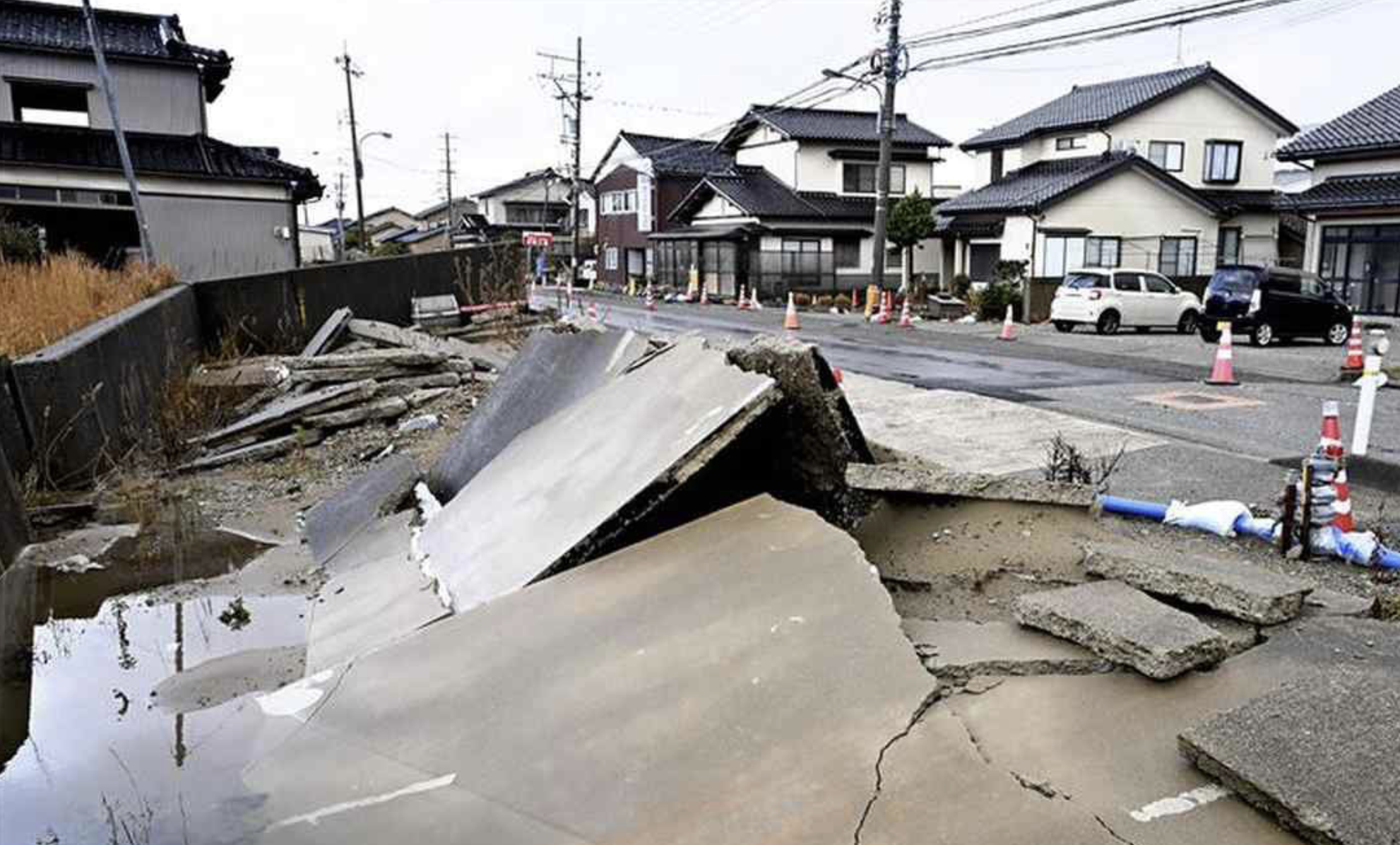
Building on untreated ground can lead to several problems during construction and after a building is put into use. The main risks depend on the soil type, groundwater conditions, and the loads placed on the ground.
Low Bearing Capacity
When the soil is not strong enough to support the weight of buildings, roads, or port facilities, the foundation may become overloaded. This can put construction safety at risk and affect the long-term performance of the structure.
Excessive and Differential Settlement
Soft soil can compress significantly when loads are placed on it. If different sections of a foundation settle by different amounts, you may notice cracks in walls, uneven floors, or deformation of roads and other structures.
Low Shear Strength
Some soft clays and silts have low shear strength. During construction or under the weight of a building, the ground may fail in shear. This can lead to foundation instability or slope failure.
Poor Drainage and Liquefaction Risk
In soft clay, water drains slowly, which can delay soil consolidation and extend the construction schedule. Loose, saturated sand and some types of silt present a different risk. During an earthquake, these soils may lose strength due to liquefaction. This risk mainly affects susceptible saturated granular soils, not all types of soft ground.
What Are the Main Soft Ground Improvement Methods?
Several methods can be used to improve soft ground. Each method works differently and is suitable for different soil conditions. When choosing a method, you need to consider the soil type, treatment depth, project requirements, and site conditions.
Vibro Compaction
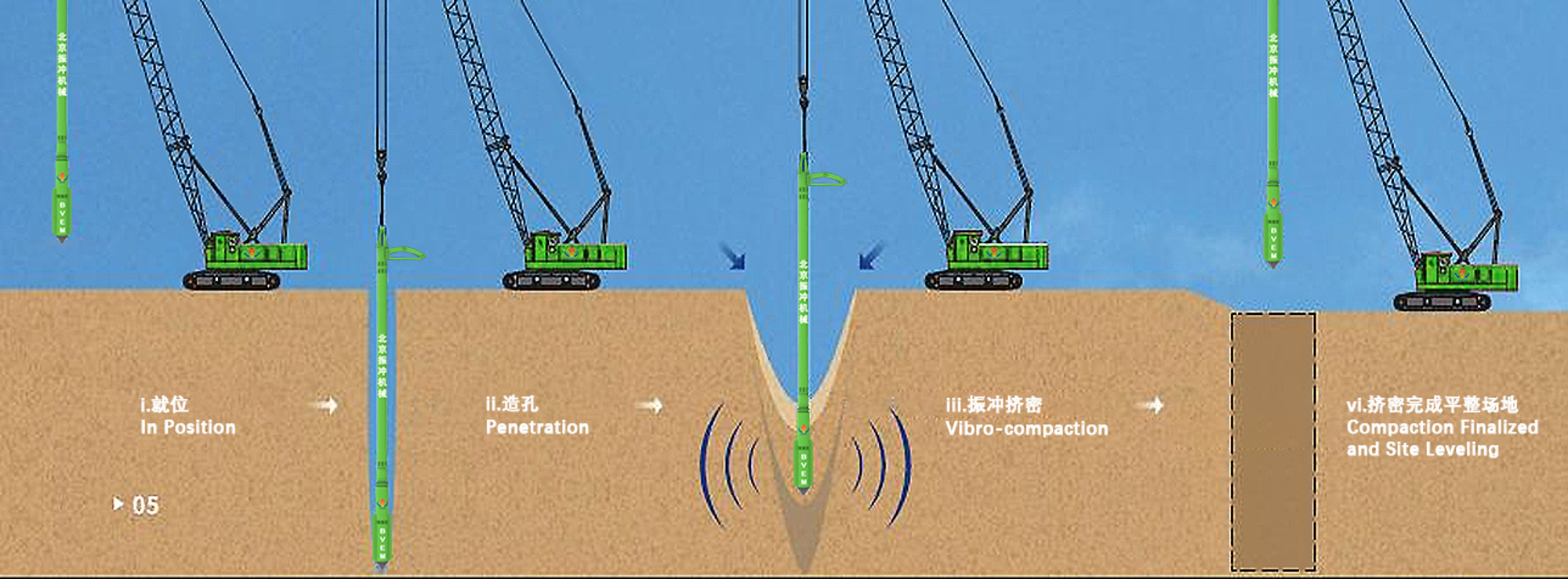
Vibro compaction uses a vibrating probe called a vibroflot to rearrange soil particles and make the ground denser. It is mainly used in sandy soils with a clay content of 10% or less, as well as other granular soils with a suitable particle-size distribution and low fines content. This method increases soil density and can reduce liquefaction risk in suitable saturated sandy soils.
Electric and hydraulic vibroflots are commonly used for this method, along with lifting equipment and a suitable power supply. Vibro compaction makes the existing soil denser without creating stone columns. It is generally not suitable for soils with a high clay content.
Vibro Replacement (Stone Columns)
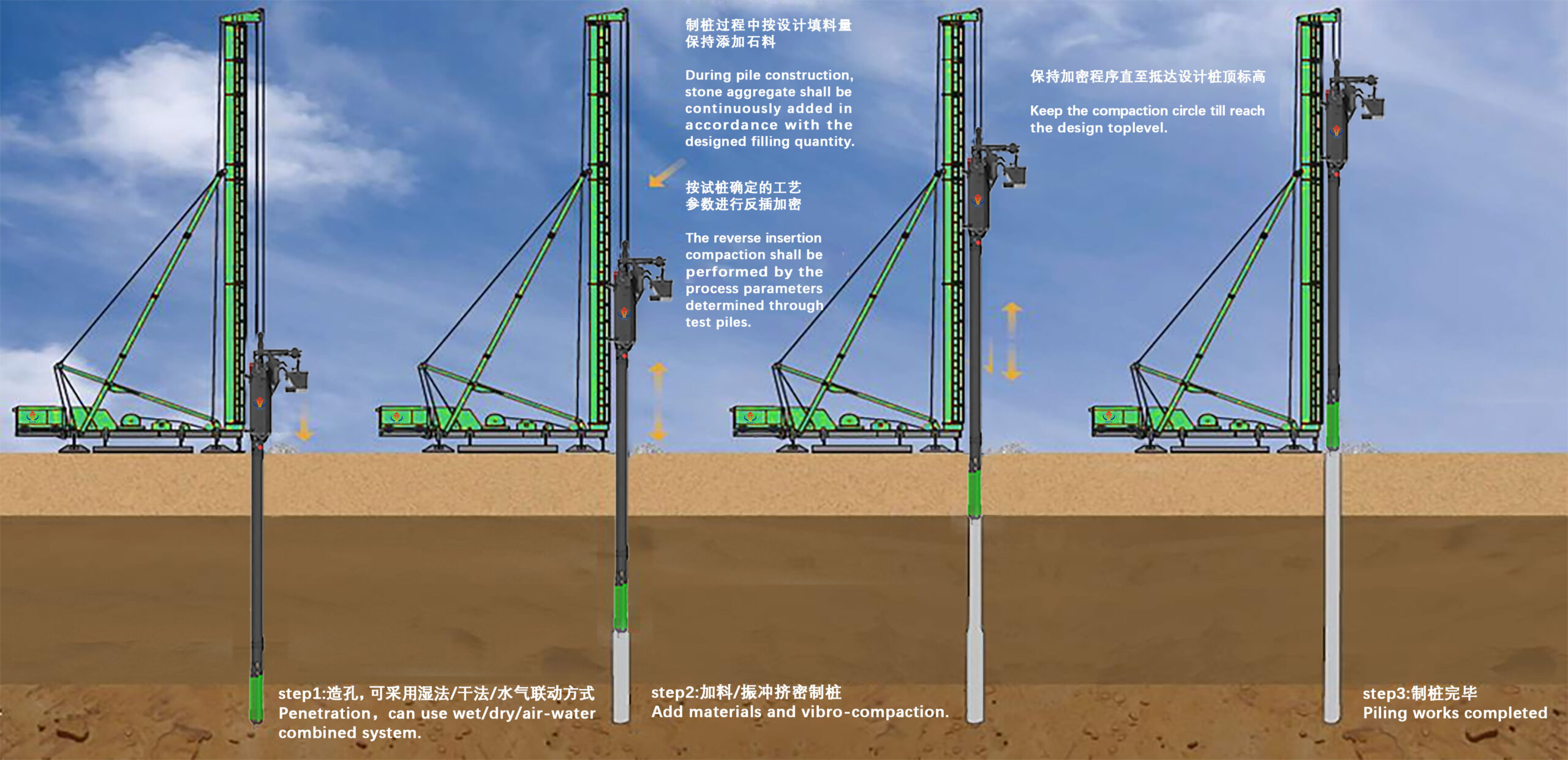
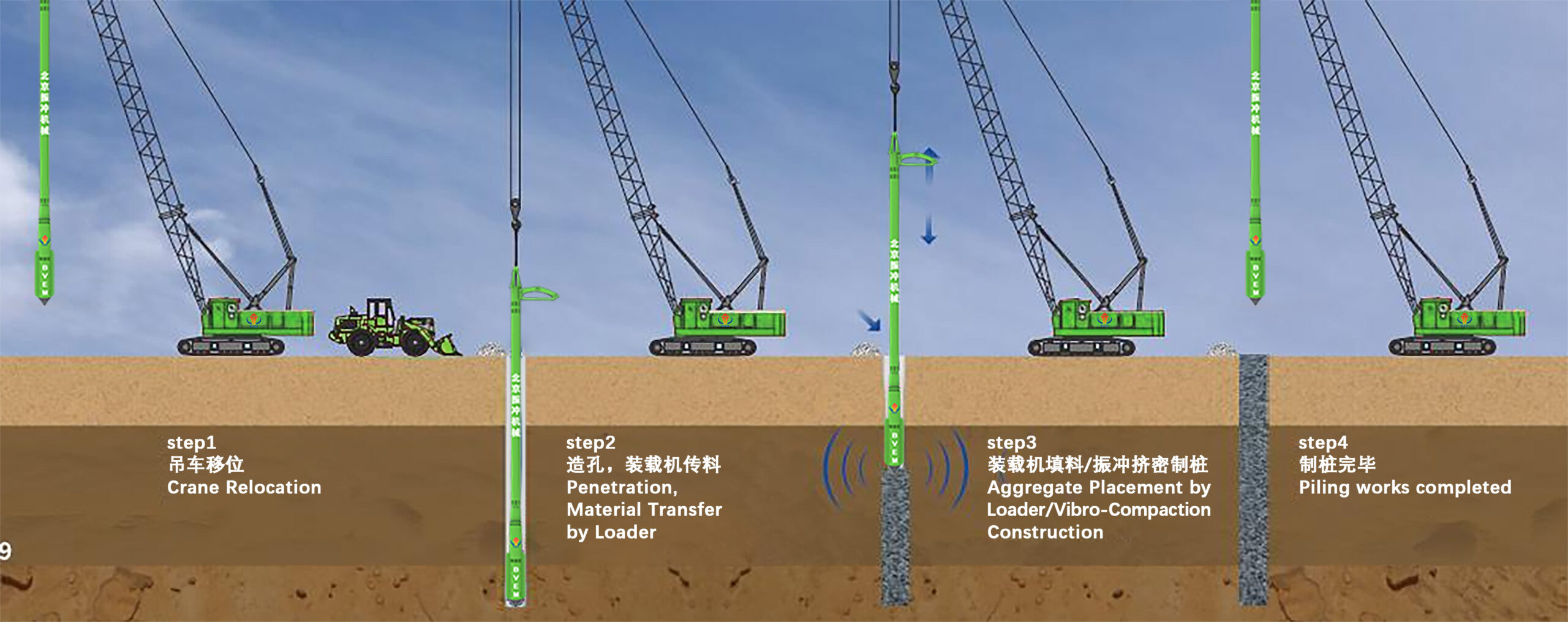
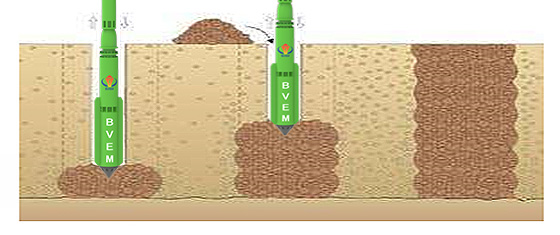
Vibro replacement uses a vibroflot to create a hole in the ground. Gravel or crushed stone is then added and compacted in stages to create a stone column. The stone columns work together with the surrounding soil to form a composite foundation.
Vibro replacement can increase bearing capacity, reduce settlement, and provide drainage paths. The equipment usually includes a vibroflot, an aggregate feeding system, and an excavator or crane.
However, very soft clay and organic soil may not provide enough lateral support for conventional stone columns. You need to check the soil’s undrained shear strength and ground conditions before choosing this method.
A specialized option is vibro powder-sprayed stone columns, which combine aggregate with cement-based materials to form columns with bonding strength. Their suitability depends on soil strength and construction conditions.
Deep Soil Mixing
Deep soil mixing uses rotating mixing tools to blend cement, lime, or other binders into the existing soil. It creates soil-cement columns or walls with improved strength and stiffness. This method is commonly used in soft clay, high-moisture soils, and some mixed ground conditions. The main equipment includes mixing rigs and systems for preparing and delivering binders.
Preloading and Prefabricated Vertical Drains
Preloading applies an additional load to the ground before construction begins. Prefabricated vertical drains (PVDs) provide drainage paths that allow excess pore water to escape more quickly and accelerate consolidation. These methods are often used in soft clay and silty clay with low permeability. However, consolidation takes time, and the loading rate must be controlled to keep the ground stable.
Dynamic Compaction
Dynamic compaction uses a heavy weight dropped repeatedly from a set height to compact the ground through impact energy. It is mainly suitable for loose fill, sand, and other granular soils under suitable site conditions. However, the impacts can create strong vibrations, so you need to consider nearby buildings and sensitive facilities.
Soil Replacement and Grouting
Soil replacement involves excavating weak surface soil and replacing it with suitable materials. It is useful for shallow weak layers where excavation is practical. Grouting involves injecting grout materials into the ground to fill voids, bind soil particles, or compact the surrounding soil. Its effectiveness depends on the injection method, soil permeability, and grout properties.
How to Choose the Right Soft Ground Improvement Method?
Choosing a ground improvement method requires more than just knowing the soil type. You also need to consider the project requirements and site conditions.
Soil Type and Soil Strength
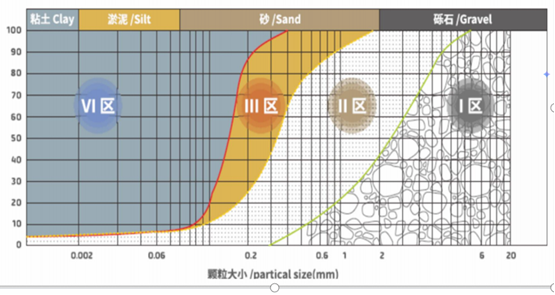
Soil type and soil strength play an important role. Loose sand with low fines content is generally suitable for vibro compaction. For soft clay, you may consider preloading with prefabricated vertical drains or deep soil mixing. Vibro replacement can also be used in some clay and silt layers, but only when the soil provides enough lateral support. Organic soils need careful evaluation before stone columns are used.
Treatment Depth
Treatment depth is another factor. For shallow weak layers, soil replacement or surface compaction may be a practical solution. Deeper weak layers usually require methods such as vibroflotation, deep soil mixing, or preloading with prefabricated vertical drains.
Groundwater Conditions
Groundwater conditions must also be checked. Consider the groundwater level, how easily water can flow through the soil, and the pore water pressure. These factors can affect equipment setup, drainage requirements, and the overall construction method.
Load Requirements and Settlement Limits
Load requirements and settlement limits are also important. Consider the loads from buildings, roads, or port facilities, as well as the allowable total and differential settlement. These requirements help guide the choice of ground improvement method and its design.
Site Access, Construction Time, and Budget
Site access, construction time, and budget are also crucial. Check the available working space, whether equipment can access the site, and whether aggregate or binder is readily available. You should also consider the project schedule and compare the total construction cost, including equipment, materials, labor, and any additional systems required.
The best ground improvement method is not determined by soil type alone. It must also meet the project’s load requirements, settlement limits, treatment depth, and construction conditions.
How Does Vibroflotation Improve Soft Ground?
Vibroflotation can improve ground conditions by either compacting the soil or forming stone columns. The method you choose depends on the soil properties, your project requirements, and the construction conditions on site.
Vibro Compaction for Loose Granular Soils
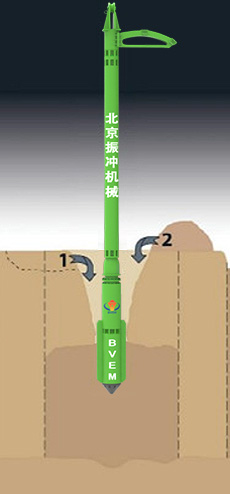
Vibro compaction works well in sand and other granular soils with low fines content. The vibroflot uses vibration to help soil particles rearrange into a denser arrangement. This process increases soil density and improves the load-bearing capacity of the ground. It also helps control settlement and reduce liquefaction risk. Group-hole vibro compaction can achieve a greater densification effect than single-hole vibro compaction. The effectiveness of this method depends on the particle-size distribution and fines content of the soil.
Vibro Replacement for Soft Cohesive Soils
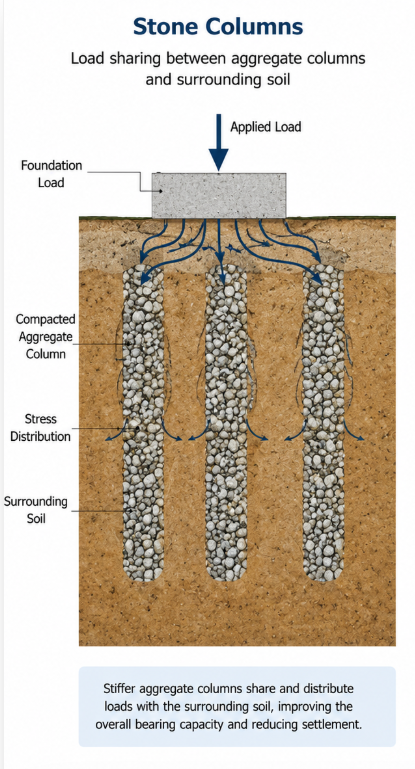
In some silt and clay layers, vibro replacement is used to create stone columns. Gravel or crushed stone is added and compacted in the ground to form these columns. They work together with the surrounding soil to form a composite foundation. The stone columns also provide drainage paths that help excess pore water escape from the soil.
There are two main feeding systems: top-feed and bottom-feed. In a top-feed vibroflot system, aggregate is delivered from the ground surface. In a bottom-feed system, the material is transported through a pipe to the tip of the vibroflot. Bottom-feed vibroflot systems are particularly useful for underwater construction because aggregate can be delivered directly to the treatment depth. The choice depends on ground stability, soil conditions, and project requirements.
Vibro Powder-Sprayed Stone Columns
Vibro powder-sprayed stone columns are suitable for silt and clay soils with a clay content below 10% and an undrained shear strength above 15 kPa. The treatment depth can reach 25 m in both onshore and nearshore projects.
This method uses a bottom-feed system to deliver aggregate and cement-based binding materials through the lower end of the vibroflot into the ground. The materials are then compacted to form columns with bonding strength.
Under the design conditions studied, this method achieved a bearing capacity about 1.3 times that of conventional vibro stone columns and reduced settlement.
Electric vs. Hydraulic Vibroflots
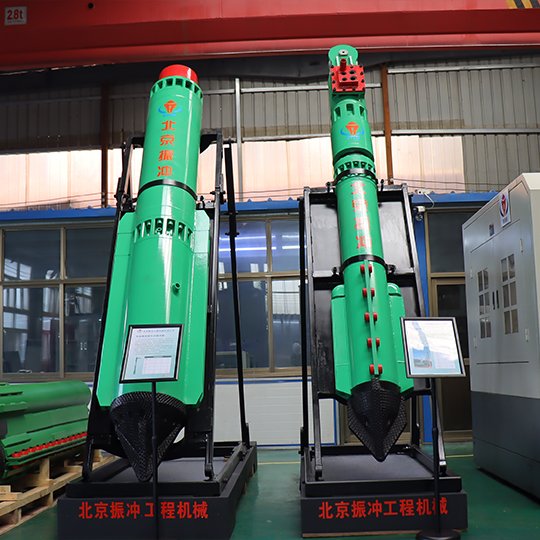
Electric vibroflots are widely used and have a simple design. You can choose them for ground improvement projects when a suitable power supply and compatible equipment are available.
Hydraulic vibroflots offer adjustable speed. They provide strong centrifugal force and penetration capability, making them suitable for some harder or more complex soil layers. You can also use them with dedicated pump stations, rotary drilling rigs, or excavators, depending on your project setup.
The best option depends on the required power, your soil conditions, the equipment available, and your construction method.
Equipment and Quality Control in Vibro Ground Improvement
Equipment Required
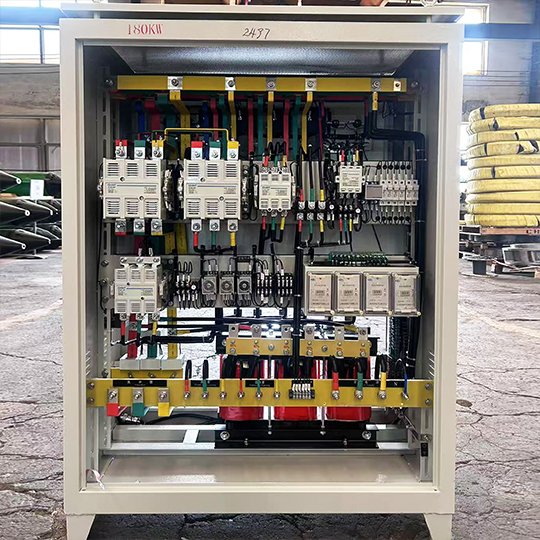
A typical vibro ground improvement setup may include a vibroflot, crane, electrical control cabinet, high-pressure water pump, storage water tank, and loader. Some projects also use integrated equipment such as vibrocat units. The crane positions the vibroflot, while the control cabinet operates the electric vibroflot. The water pump and tank supply water when flushing is needed, and the loader supplies aggregate for stone column installation. Not every project needs all these components, so you should choose the equipment based on your construction method, soil conditions, and project requirements.
Quality Control
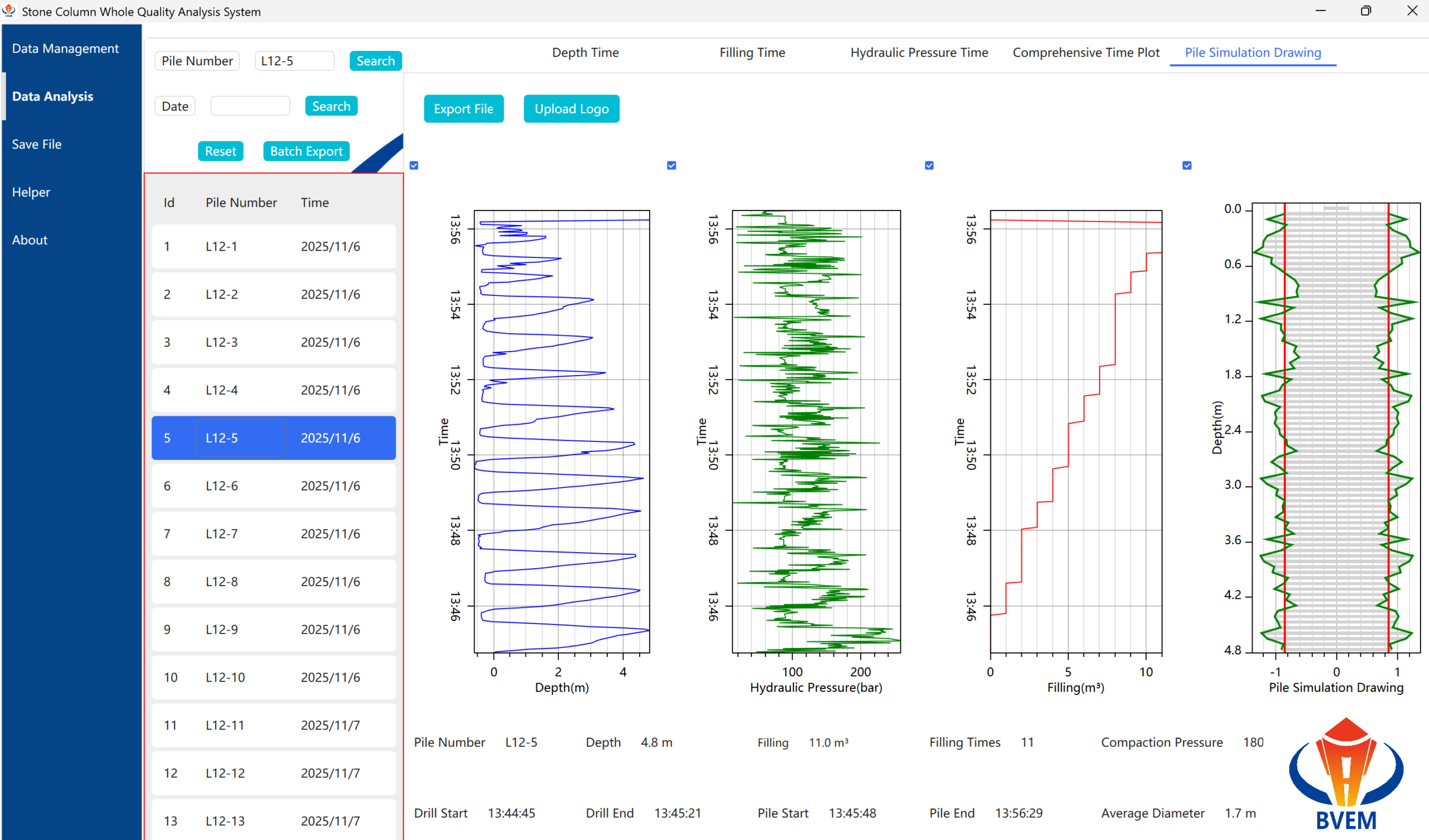
Quality control is essential during and after vibro ground improvement. During construction, a data logger can capture construction data in real time. This includes treatment depth, column location, vibroflot current or power, aggregate consumption, and other relevant parameters.
After treatment, field tests such as Cone Penetration Tests (CPT), Standard Penetration Tests (SPT), and plate load tests may be used, as appropriate, to evaluate the improved ground conditions. In some projects, you may also need to monitor settlement and pore water pressure.
Construction data loggers are useful for monitoring and controlling the construction process. However, their records cannot replace post-treatment ground testing. You still need to conduct field tests to confirm the quality of the improved ground.
FAQs About Soft Ground Improvement
Can Soft Ground Improvement Be Used for Underwater Construction?
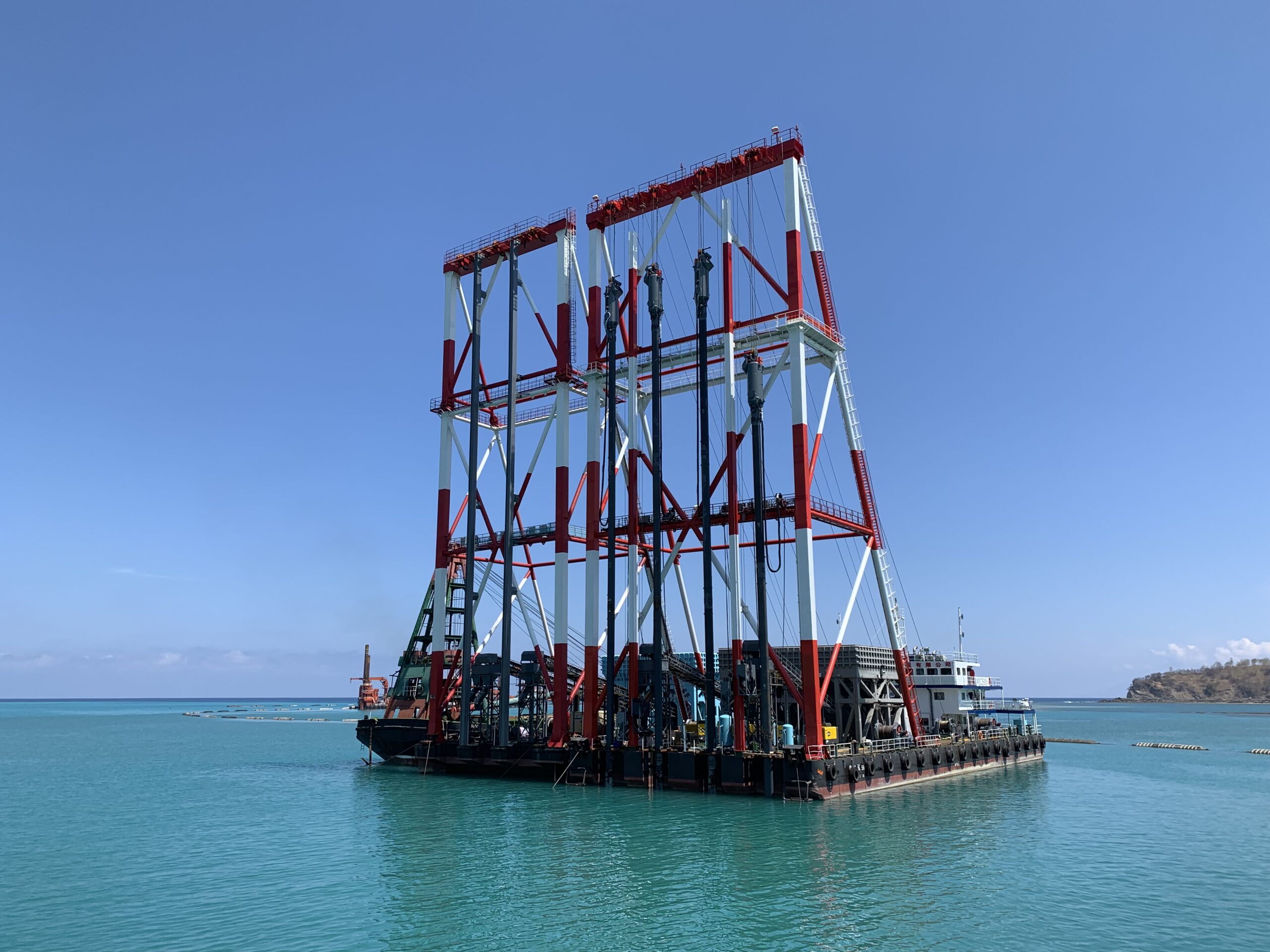
Yes. Some ground improvement methods can be used for underwater construction, especially in port, harbor, and land reclamation projects. For example, bottom-feed vibroflot systems deliver aggregate through a feeding pipe to the required treatment depth. This helps control aggregate placement during underwater stone column installation. Before selecting the equipment, you should consider the water depth, soil conditions, treatment depth, and aggregate feeding requirements.
What Information Do You Need to Select a Vibroflot for Soft Ground Improvement?
To select a suitable vibroflot, you need to provide the soil investigation report, soil type, required treatment depth, and column diameter if you plan to use stone columns. You should also specify the construction method, aggregate feeding method, groundwater conditions, and available carrier equipment, such as a crane or an excavator. With this information, an equipment supplier can assess the required vibroflot power, model, and supporting systems for your project.
Can Soft Ground Improvement Be Carried Out Near Existing Buildings?
Yes. The method must be selected carefully to avoid affecting nearby structures. Some methods, such as dynamic compaction, generate significant ground vibrations. Excavation and grouting can also cause ground movement. Before construction, you should assess the condition of nearby buildings, their foundation types, and the sensitivity of surrounding facilities. Monitoring settlement, vibration, and ground movement during treatment helps manage potential risks.
How Do Vibro Stone Columns Help Reduce Soil Liquefaction Risk?
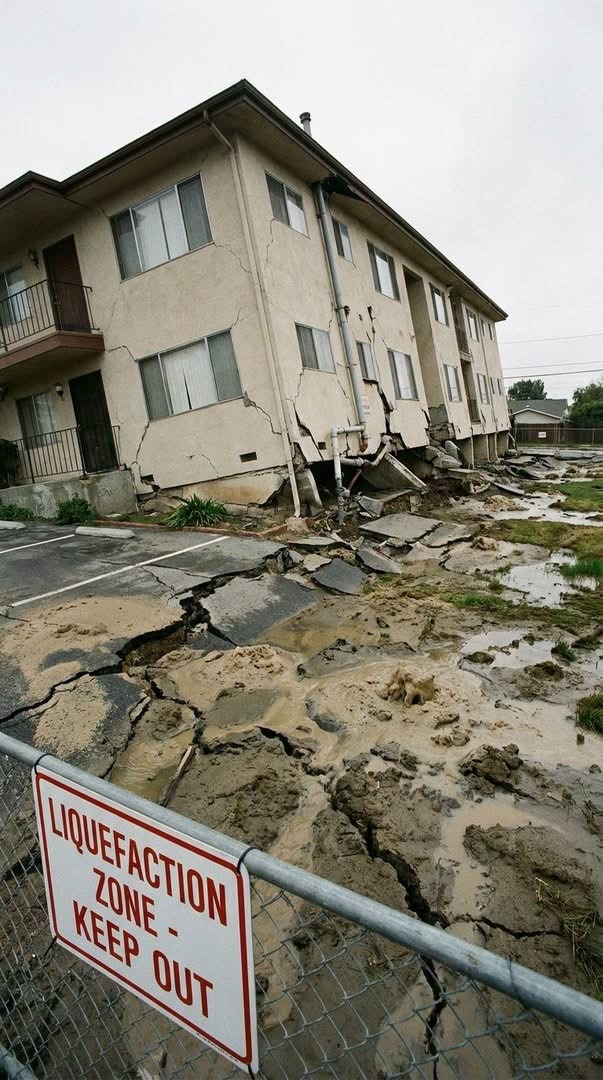
During an earthquake, shear waves move upward from the underlying soil and rock layers, creating cyclic stresses in the soil. This can cause excess pore water pressure to build up in saturated sand and silt, leading to soil liquefaction.
Vibro stone columns have high permeability, with a permeability coefficient (k) of approximately 0.1 cm/s. This is much higher than that of the surrounding soil. The columns provide drainage paths that help excess pore water pressure dissipate more quickly during an earthquake, reducing the risk of soil liquefaction.
The effectiveness depends on soil conditions, column spacing, and project design.
Are There Any Soil Conditions That Limit the Use of Vibro Powder-Sprayed Stone Columns?
Yes. The surrounding soil must provide lateral support to the columns during installation and curing. Extra caution is needed in thixotropic soils because they may temporarily lose strength during vibro installation. In creep-prone soils, soil creep can increase negative skin friction and the additional vertical loads carried by the columns. The effects of installing adjacent columns must also be considered when determining the minimum column spacing and required soil strength.
BVEM: Your Soft Ground Improvement Equipment Partner
With over 50 years of experience, BVEM provides electric and hydraulic vibroflots and tailored ground improvement solutions for projects worldwide. Having supported more than 1,500 projects across over 60 countries, we also offer one-stop construction machinery solutions, from equipment selection to compatible machines and supporting systems. Contact us with your project requirements to discuss a suitable solution.