Stone columns and piles are both widely used in foundation engineering, but they solve different ground problems. Stone columns improve the performance of weak soils, while piles transfer structural loads to deeper bearing layers.
Understanding these differences helps you select a suitable method based on your site conditions and project requirements.
Stone Columns vs Piles: Key Differences
Choosing the appropriate method depends on understanding the differences between stone columns and piles. The comparison below covers their working principles, load transfer mechanisms, suitable soil conditions, construction methods, and performance characteristics.
Working Principle: Soil Improvement vs Load Transfer
Stone Columns
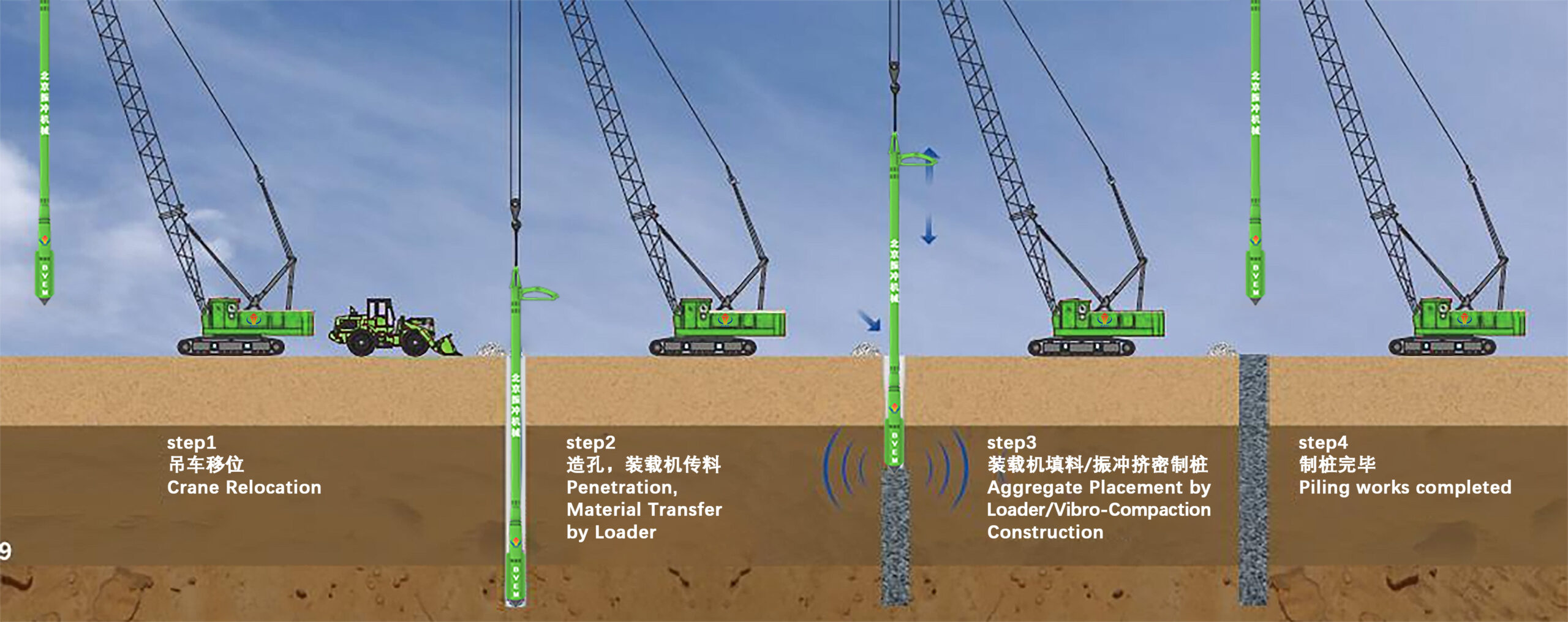
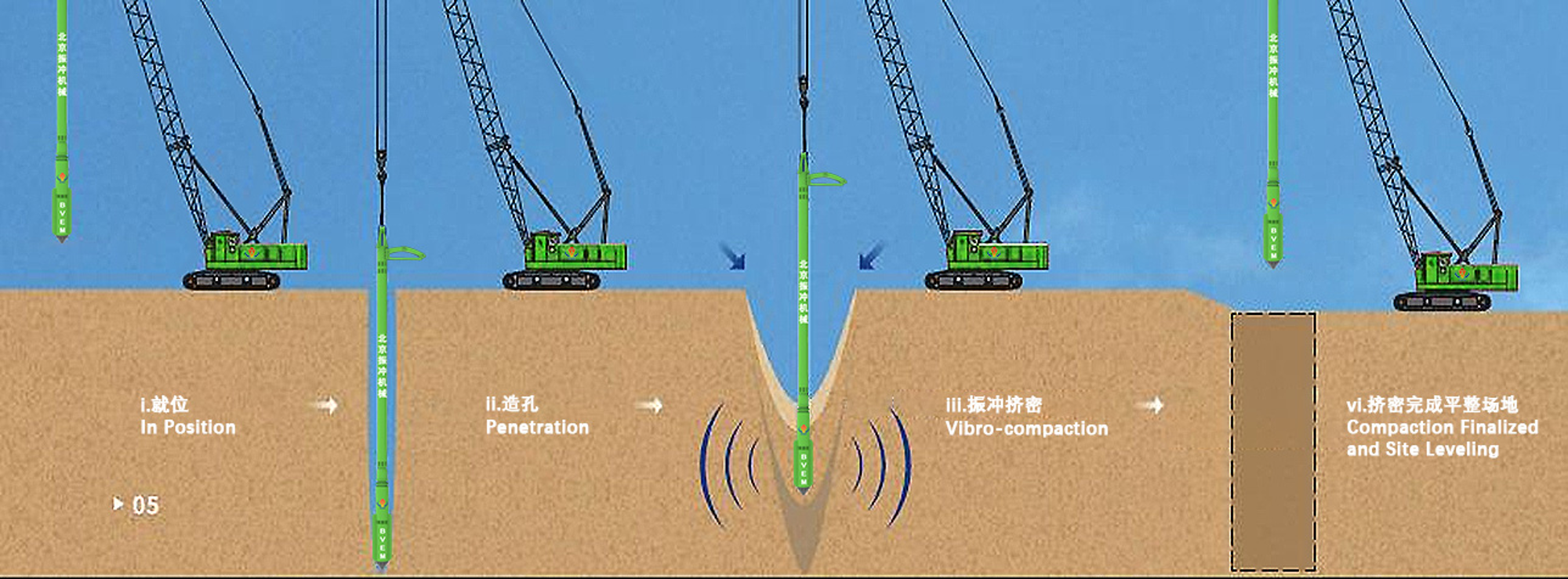
Stone columns are one of the vibroflotation methods that uses a vibroflot to install and compact crushed stone or aggregate into weak soil layers. The installed columns work together with the existing soil to form a reinforced composite ground system, improving the performance of the treated ground without replacing the original soil.
Piles
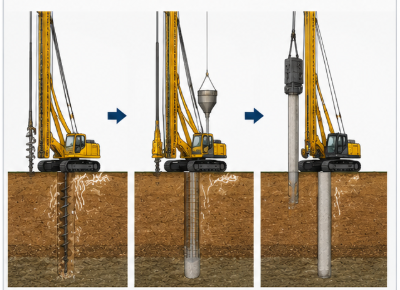
Piles, including bored piles, driven piles, and concrete piles, are used as deep foundation systems when shallow soils cannot provide sufficient support. They provide foundation support by transferring loads to deeper soil or rock layers with sufficient bearing capacity.
Load-Bearing Mechanism
Stone Columns
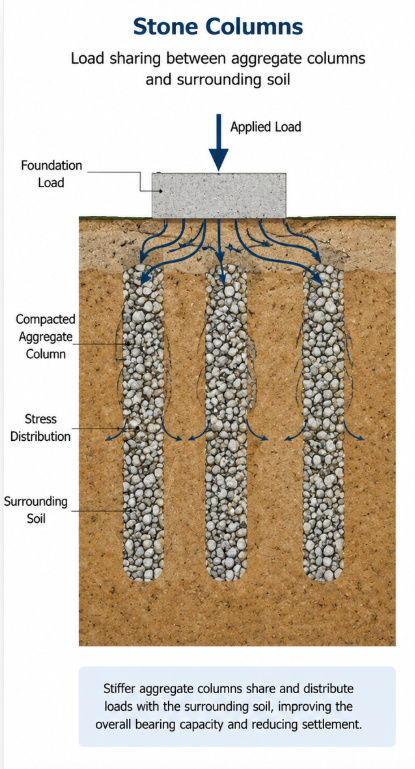
Stone columns rely on load sharing between the compacted aggregate columns and the surrounding soil. Under applied loads, the stiffer aggregate columns help distribute stresses within the treated ground, while the surrounding soil contributes to overall foundation support.
Piles
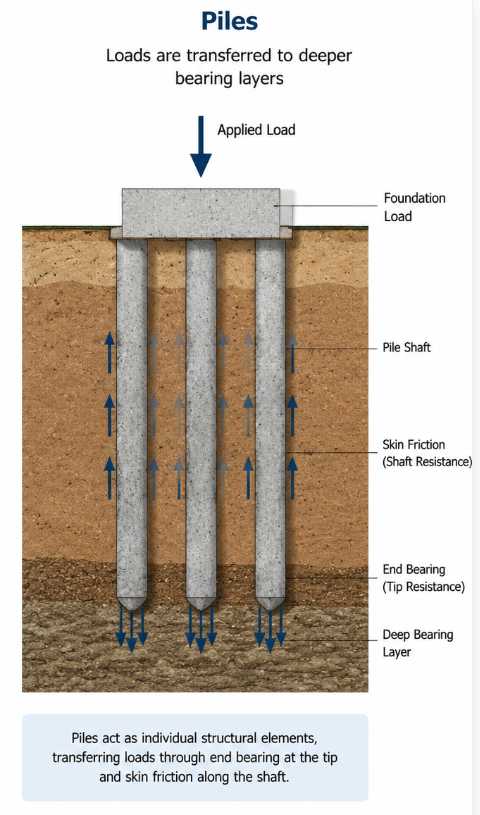
Piles act as individual structural elements that carry loads from the structure and transfer them to deeper bearing layers. Depending on the design, piles resist loads through end bearing at the pile tip and skin friction along the pile shaft.
Soil Conditions
The choice between stone columns and piles is closely related to the existing soil conditions. Factors such as soil strength, weak layer depth, ground profile, and project requirements all influence which method is more appropriate.
| Soil Condition | Stone Columns (Vibro replacement) | Piles |
| Cohesive soils and silty soils | Commonly used in clay, silt, saturated loess, fill, gravel, and sandy soils when the undrained shear strength is above 20 kPa. | Used when structural loads need to be transferred through weak soils to deeper bearing layers |
| Loose sand and liquefiable soils | Often selected for soil reinforcement, densification, and liquefaction mitigation | Can be used when deep foundation support is required |
| Soft clay and very weak soils | Conventional stone columns may have limitations in very soft soils. Bottom-feed vibro replacement can be considered for soils with undrained shear strength below 20 kPa, depending on project conditions and design requirements | Usually considered when stronger soil or rock layers are located at greater depth |
| Offshore or water-restricted projects | Bottom-feed vibro replacement is suitable for underwater construction, limited water conditions, and projects requiring better control of column formation | Used according to offshore foundation design requirements |
| Deep weak soil layers | The suitability depends on soil strength, treatment depth, and the required ground improvement performance | Provides load transfer to deeper and stronger bearing strata |
When you compare stone columns and piles, the right choice depends on whether you need ground improvement or deep foundation support.
Construction Method and Equipment
Construction methods and equipment requirements vary between stone columns and piles. Stone columns are installed with vibroflots, while piles require piling equipment to form individual foundation elements.
Stone Columns
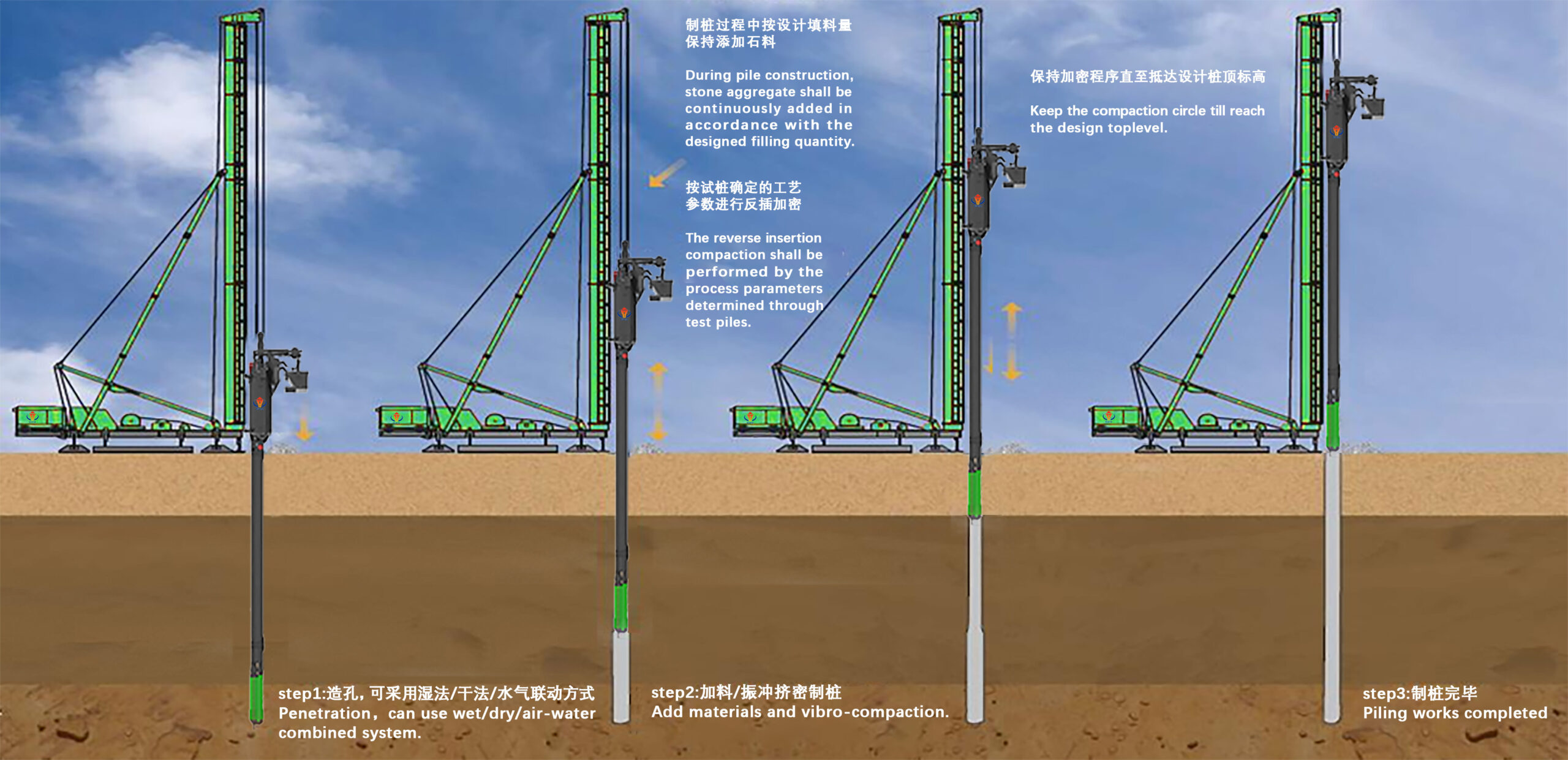
Stone columns are constructed using a vibrating probe (vibroflot) that penetrates the soil to the required depth and compacts the incorporated aggregate material.
The construction process includes:
- Vibroflot penetration
- Aggregate feeding
- Compaction
The choice of vibroflot system depends on the ground conditions and project requirements. Common systems include:
- Electric vibroflot
- Hydraulic vibroflot
- Bottom-feed vibroflot system
Piles:
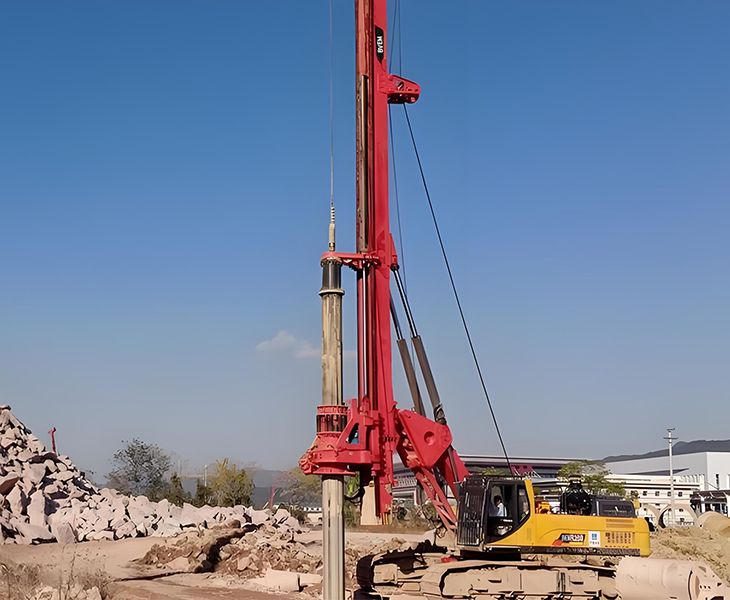
Different pile types require different installation approaches based on site conditions and construction requirements.
The commonly used methods are:
- Drilling for bored piles
- Driving or vibrating for driven piles
- Concrete pouring for cast-in-place piles
Common equipment includes:
Stone Columns vs Piles: Cost Comparison
The overall cost of stone columns and piles depends on soil conditions, treatment depth, design requirements, and construction methods. The final cost comparison depends largely on project scale and construction requirements.
For stone columns, the main cost factors include aggregate materials, vibroflot equipment, installation depth, column spacing, and site conditions. For large-area ground improvement projects, stone columns can be cost-effective because they improve the existing soil rather than installing individual foundation elements.
Pile costs are mainly related to materials, installation depth, reinforcement, concrete, and equipment requirements. They are commonly selected when structural loads need to be transferred to deeper and stronger bearing layers.
When Should You Choose Stone Columns Instead of Piles?
Selecting between stone columns and piles mainly depends on your site conditions, load requirements, and foundation objectives.
Choose Stone Columns When:
- Large areas of weak soil require improvement
- Settlement control and ground reinforcement are important
- Improved bearing capacity and soil stiffness are required
- Liquefaction mitigation is a key consideration
- Faster and more economical ground improvement is preferred
- Vibro replacement is suitable for the site conditions
Choose Piles When:
- Very high structural loads need to be supported
- Loads must be transferred to deep and stronger bearing layers
- Ground improvement alone cannot meet the required foundation performance
In practice, you can select stone columns when the goal is to improve overall ground performance, while piles are more suitable when structural loads must be transferred to deeper bearing layers.
Stone Columns vs Piles: Comparison Table
Stone columns and piles serve different purposes in foundation engineering. Before you select the right solution for your project, it is important to understand their differences in function, installation methods, equipment requirements, and applications. The table below provides a quick comparison of these two foundation solutions.
| Factor | Stone Columns | Piles |
|---|---|---|
| Purpose | Improve weak soils and create composite ground | Transfer structural loads to deeper bearing layers |
| Principle | Soil and aggregate columns work together | Structural piles carry loads through end bearing or friction |
| Load Transfer | Shared by stone columns and surrounding soil | Carried by pile shaft and pile tip |
| Material | Crushed stone or aggregate | Concrete or steel |
| Suitable Ground | Soft clay, silt, loose sand, fill, liquefiable soil | Weak ground with deeper bearing strata |
| Installation | Vibroflot installation and aggregate compaction | Drilling, driving, or casting |
| Equipment | Electric or hydraulic vibroflot | Piling rig |
| Construction Speed | Faster for large-area treatment | More time required for individual piles |
| Settlement Control | Improves soil stiffness and reduces settlement | Mainly controlled through pile design |
| Cost Consideration | Often economical for large-area improvement | Higher cost for deep foundation applications |
| Typical Applications | Ground improvement and soil reinforcement | Buildings, bridges, and heavy-load foundations |
When choosing between stone columns and piles, you should consider factors such as soil conditions, structural load requirements, construction methods, and your project goals. The right choice depends on whether you need ground improvement or deep foundation support.
FAQ
Can stone columns be used for highway construction projects?
Yes. Stone columns are widely used in highway projects where weak soils need improvement before road or embankment construction. By reinforcing the existing ground, they help improve soil stability, control settlement, and provide better support for pavement and structures.
When you select a stone column solution for a highway project, the installation method depends on site conditions, including soil type, groundwater conditions, and project requirements. Wet top-feed and dry bottom-feed vibro replacement systems can be selected according to different construction environments.
How do I choose the right equipment for stone columns or piles?
For stone column installation, the main factors to consider include soil conditions, installation depth, column diameter, aggregate feeding method, and site limitations. Based on these requirements, different vibroflot systems can be selected, including hydraulic vibroflots, electric vibroflots, and bottom-feed vibroflot systems.
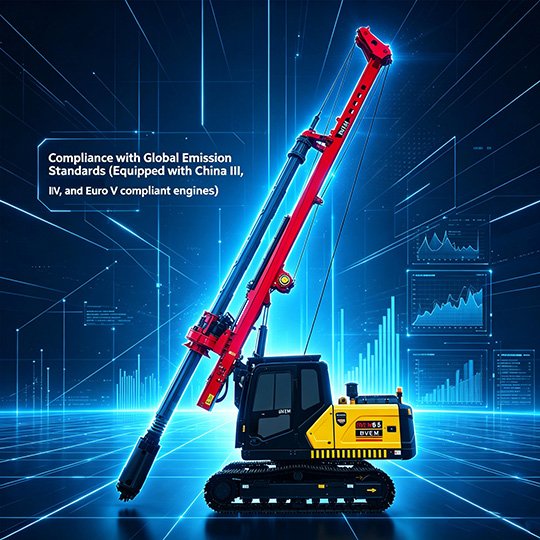
For pile foundation construction, equipment selection mainly depends on pile diameter, drilling depth, geological conditions, available working space, and required bearing capacity. Rotary drilling rigs are commonly used for bored pile projects, with different models suitable for residential buildings, infrastructure projects, bridge foundations, and other foundation applications.
Can stone columns replace piles?
Not always. When you compare stone columns and piles, you need to consider your soil conditions, load requirements, and foundation objectives. Stone columns and piles serve different purposes in foundation engineering. Stone columns are mainly used to improve weak soils, increase ground stiffness, control settlement, and enhance bearing capacity through soil reinforcement.
Piles are designed to transfer structural loads to deeper and stronger bearing layers when the existing ground cannot provide sufficient support. For projects with moderate loads and suitable soil conditions, stone columns can be a cost-effective alternative to piles. However, for heavy structures requiring deep foundation support, piles are usually the more suitable option.
Are stone columns cheaper than piles?
There is no fixed answer because project conditions vary. For large-area ground improvement, stone columns may be more economical than piles because they strengthen the existing soil rather than install separate structural elements. The final cost depends on soil conditions, treatment depth, design requirements, and construction methods. When you compare the two options, you should consider not only the cost but also the required foundation performance.
Do you also supply rotary drilling rigs and other piling equipment?
Yes. In addition to manufacturing vibroflot equipment, we are a key construction unit under POWERCHINA, executing massive bored piling projects globally every year.
Because of our immense operational volume, we hold strategic group-procurement agreements with industry giants like SANY and YUCHAI. This allows us to pass our exclusive corporate discounts directly to you—giving you access to brand-new, factory-direct equipment at prices lower than local distributor rates or single-unit factory quotes.
You get 100% genuine equipment shipped straight from the manufacturer, fully supported by official direct factory warranties and local after-sales service.
Why not compare before you buy? Asking for a quote is completely free and carries zero obligation. Simply send us your target model or project specs, compare our offer with your local quotes, and see how much your project can save.

BVEM: Your Partner for Vibroflot and Piling Equipment Solutions
BVEM manufactures ground improvement equipment, including vibroflots and piling rigs, and provides customized solutions for foundation projects. With years of experience in vibro replacement, stone columns, and piling applications, BVEM works with contractors and engineers to select suitable equipment and support efficient project execution.